
The Hotel & Restaurant Association of Western India (HRAWI) has formally petitioned the Prime Minister to reconsider the hospitality sector’s new GST regime, arguing that the current structure—5% GST on room tariffs below ₹7,500 without Input Tax Credit (ITC)—risks hurting business viability, new investment, and India’s tourism competitiveness.
In its representation, HRAWI proposes two alternate routes to make the GST system more sustainable for hotels and restaurants:
- 5% GST with 50% ITC (similar to concessions granted to banking institutions), or
- 18% GST with full ITC, but applied only to two-thirds of the room value for tariffs under ₹7,500.
Other demands include delinking food & beverage (F&B) services from room tariffs, giving F&B operators the option to choose between 5% GST without ITC or 18% with ITC, and making the composition scheme mandatory for F&B businesses with turnover up to ₹5 crore.
HRAWI highlights that the absence of ITC will push up operational costs—especially for essentials like linen, crockery, rent, utilities, and labor—and could inflate the cost of setting up new properties by at least 10%. Hotels operating on leased premises are especially disadvantaged, since rent itself forms a substantial portion of cost base.
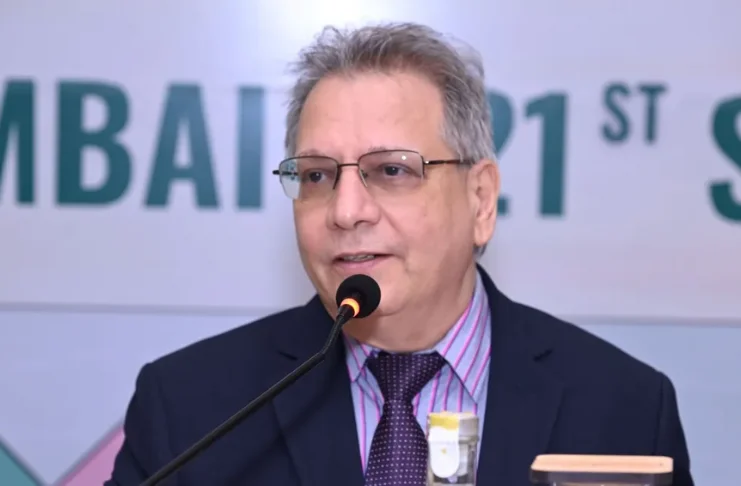
Jimmy Shaw, President of HRAWI, said, as noted by Hotelier India:
“While we appreciate the government’s intent to simplify GST and offer lower rates to consumers, the absence of ITC negates years of progress towards a seamless tax credit system. This will inflate costs for hotels, particularly in budget and mid-scale segments, and could make accommodation less competitive compared to neighbouring countries.”
HRAWI also points out that the hospitality sector contributes 5.8% to India’s GDP and employs over 32 million people, making any stress on this industry a matter of broader economic consequence.
These demands arrive in the wake of GST changes from the 56th GST Council, which reduced rates for lower-priced room tariffs but removed ITC for those slabs. Many in the industry view this as a partial relief that may create further burdens on margins and capital investment.
If the government accepts HRAWI’s recommendations—or offers a compromise structure—it would likely ease stress on small to mid-scale hotels, support new investment in underserved regions, and align India more competitively with Southeast Asian destinations that levy lower effective tax burdens on hospitality services.