
In hospitality, every inch of real estate matters, especially the six inches of cardstock your guests hold in their hands. Yet, most bar menus fail to optimize what gets ordered. They’re cluttered, generic, and designed more for aesthetics than action.
That’s a costly mistake.
Here’s the math: Liquor delivers gross margins of 75–80%. Cocktails sit close behind at around 70%, offering premium pricing potential if your bartenders can handle the craft. Beer averages 60–70%, with kegs outperforming bottles.
Imagine leaving this much money on the table when you can just use these bar menu design tips to create a drink experience so aligned with your concept that it deepens brand loyalty with every pour.
What Makes a Bar Menu Truly Profitable?

The most profitable menus are the most intentional. They don’t try to be everything for everyone. They understand who the customer is, what they want before they say it, and how to meet that desire with maximum margin and minimum waste.
It starts with positioning. Are you a neighborhood bar pushing volume during happy hour? A cocktail-forward lounge with curated spirits? A sports bar where beer matters more than anything else? Your answer should dictate everything from pricing strategy to portion size.
Every drink on your menu should justify its place, either because it sells or rounds out your offerings. If it doesn’t serve a clear purpose, cut it. A shorter menu increases ordering speed, reduces inventory costs, and boosts guest confidence.
Next, run the numbers. Evaluate the pour cost, prep time, and how often each item actually gets ordered. A cocktail that takes six steps to build and only sells twice a night? It’s costing you more than it’s making you. High-performing bars lean into core spirits that work across multiple drinks. If a bottle can’t justify its shelf life with cross-functionality, it’s dead stock.
Focus on your offerings. Keep signature cocktails to 12–15. Rotate seasonally to maintain interest, but don’t expand past what your bartenders can consistently execute with speed and flair.
Remember: A truly profitable bar streamlines complexity behind the scenes, batching where it can, choosing crossover ingredients, and training staff to upsell without sounding like they are.
How Can You Design a Bar Menu That Drives Sales?
When done right, a bar menu seamlessly guides guests from indecision to a high-margin choice. When done poorly, it buries your best offerings under clutter or confusion.
Here’s how to set a high-impact bar menu:
1. Make Pricing Work for You, Not Against You
There’s an art to pricing drinks that has nothing to do with the liquid itself and everything to do with perception, which is crucial when introducing a new menu.
Start with psychology. Drop the dollar signs. Round off the cents. “16” looks cleaner and less expensive than “$16.00.” Place your premium-priced drinks near your high-margin options to create the illusion of value. That $22 Japanese whisky sour? It makes the $16 mezcal riff feel like a steal.
2. Keep It Tight And Intentional
More isn’t more. The most effective bar menus are concise, curated, and operationally sound. Every item on your list should pull its weight in one of three ways: high sales volume, high-profit margin, or strategic brand positioning.
If a drink doesn’t serve one of those roles, it’s just noise.
3. Utilize Seasonal Rotations for Continued Interest
Smart bar owners know seasonal menu changes drive repeat business and boost profits. Create a core menu of year-round favorites, then complement it with a rotating selection that celebrates seasonal ingredients and themes.
A summer spritz menu transitions to warming toddies in winter, giving regulars a reason to return. This approach also allows you to optimize inventory using seasonal produce at peak freshness and lowest cost.
Track which seasonal cocktails perform best, and consider adding top performers to your permanent menu.
4. Leverage Strategic Category Naming
Rather than generic headers like “Wine” or “Beer,” use descriptive categories that guide customer decisions. “Crisp & Refreshing Whites” or “Bold & Hoppy IPAs” help guests quickly find their preferences while creating an emotional connection to the menu items.
For cocktails, try organizing by flavor profile (“Bright & Citrusy”) or spirit base (“Whiskey Expressions”) rather than traditional categories. This will improve the guest experience and allow you to strategically position your most profitable beverages within categories where they’ll stand out.
5. Perfect Your Menu’s Visual Hierarchy
The physical layout of your bar menu determines what customers notice first. Use a clear visual hierarchy that starts with your house specialties and highest-margin drinks.
For example, a larger font for featured items naturally draws the eye. Strategic use of white space creates breathing room around key offerings. Color blocking can separate menu sections effectively, but limit your palette to 2-3 complementary colors that match your brand identity.
Remember that a cluttered menu feels overwhelming, while a clean design with clear headings and consistent formatting feels sophisticated.
INDUSTRY INSIGHT
| Design for the Eye, Sell to the Brain. Studies in menu psychology consistently show that the top right corner of a single-page layout is your golden zone. Guests instinctively scan that area first, which means that’s where your highest-margin drinks (think house cocktails, barrel-aged spirits, or wine-by-the-glass specials) should sit. Similarly, the first and last items in any category get more attention than those buried in the middle. Use this behavioral bias to your advantage. |
6. Create a Signature House Style
Every great bar menu should feature house specialties that customers can’t get anywhere else. Develop signature cocktails that tell your bar’s unique story and reflect your brand personality.
Whether house-infused spirits, barrel-aged cocktails, or drinks named after local landmarks, these signature offerings should deliver memorable taste experiences and healthy profit margins.
Train staff to recommend these house specialties enthusiastically, making them a central part of your customer engagement strategy.
7. Optimize Menu Size and Material
The physical format of your menu impacts both operations and customer perception. Consider durability, cleanability, and alignment with your concept.
For upscale establishments, a leather-bound menu signals quality and justifies premium prices. For high-volume bars, laminated single-page menus are practical and cost-effective. QR code menus offer flexibility for frequent updates but sacrifice the tactile experience many guests prefer.
Whatever format you choose, ensure it’s proportional to your table size and easy for guests to navigate without overwhelming their space.
8. Implement Strategic Food Pairings
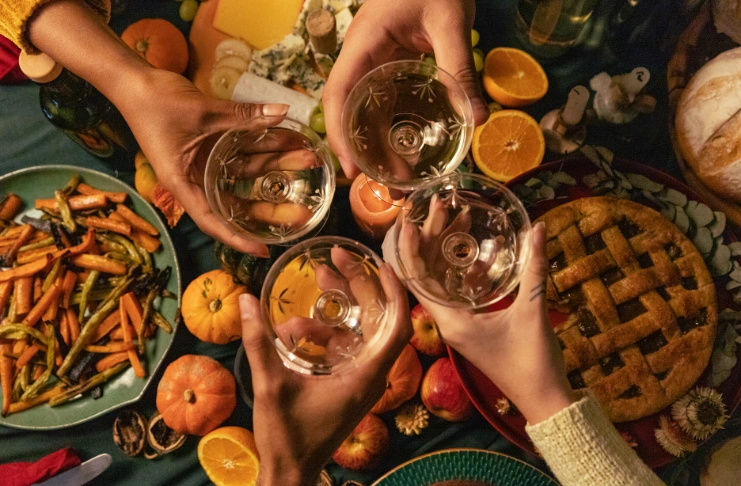
A profitable bar menu creates opportunities for complementary sales, allowing you to save on costs while increasing revenue. Include suggested food pairings with your cocktails to increase the average check size.
Simple notations like “Perfect with our truffle fries” or “Try with our artisanal cheese board” can boost food sales by 15-20%. Train staff to suggest these pairings naturally in conversation. Beyond boosting profits, food items help moderate alcohol consumption and extend the duration of guests’ visits.
9. Design Happy Hour Menus with Purpose
If your menu is strategically designed, happy hour can be your most profitable time slot. Create a targeted happy hour menu that drives volume while protecting margins.
Feature drinks with lower pour costs but maintain perceived value through presentation and naming. Limit discounts to specific menu items rather than across-the-board percentage reductions.
Use happy hour to introduce guests to signature cocktails at entry-level prices, then upsell them to full-price versions during regular hours.
10. Incorporate Storytelling Elements
Stories sell drinks. A cocktail with a compelling backstory becomes more than a beverage. It becomes an experience customers want to share.
Include brief, engaging descriptions that highlight unique ingredients, preparation methods, or historical connections. “Our Old Fashioned features bourbon aged in barrels from the oldest distillery in Kentucky” creates more value than just listing ingredients. These narratives give servers talking points and customers something to remember and share on social media.
11. Apply Data-Driven Menu Engineering
Using menu engineering principles, categorize your menu items based on popularity and profitability.
Track which drinks sell most frequently and deliver the highest margins. Promote your “stars” (high profit, high popularity) prominently. Reposition your “puzzles” (high profit, low popularity) with better descriptions or presentation. Consider eliminating “dogs” (low profit, low popularity) unless they serve a specific purpose in your menu mix.
12. Perfect Your Wine By-the-Glass Program
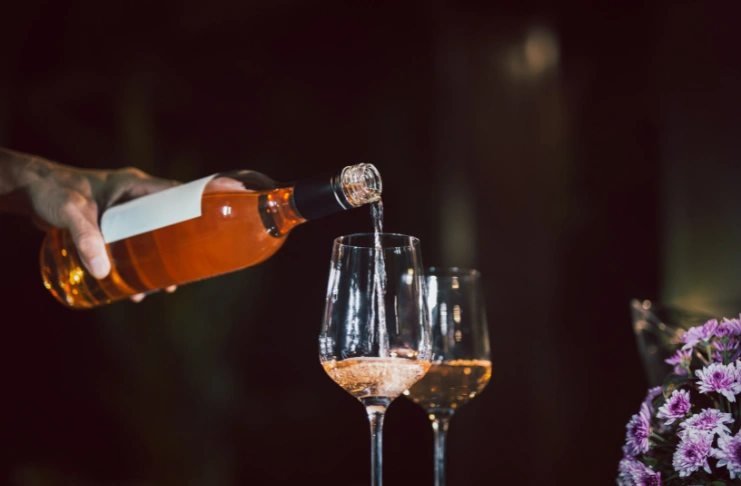
A well-designed wine-by-the-glass program can significantly boost your bar’s profits. Limit your by-the-glass selection to 8-12 options to reduce waste while offering enough variety.
Price glasses at 20-25% of the bottle cost to ensure profitability while appearing value-driven to customers. Include at least one premium option at a higher price point to create an anchoring effect that makes mid-range options seem more reasonable.
Consider offering wine flights to increase check averages and help customers explore new varieties.
13. Create Visual Drink Showcases
Design your bar menu to include selective photography or illustrations of signature drinks that demand attention and drive sales.
High-quality images of visually striking cocktails can increase sales by up to 30%. However, use this technique sparingly—featuring just 3-4 hero items prevents visual overload.
Ensure that photographed items deliver high margins and are consistently executed to match the image. For a more upscale approach, consider custom illustrations instead of photos.
14. Implement Limited-Time Offerings
Create a sense of urgency with limited-time menu items that drive immediate sales and repeat visits. A designated section for “Available This Week Only” cocktails encourages customers to order now rather than next time.
These offerings can utilize seasonal ingredients, celebrate local events, or tie into holidays. Limited-time drinks allow you to test new concepts without full menu commitment and create social media-worthy moments that drive word-of-mouth marketing.
15. Optimize Typography for Readability
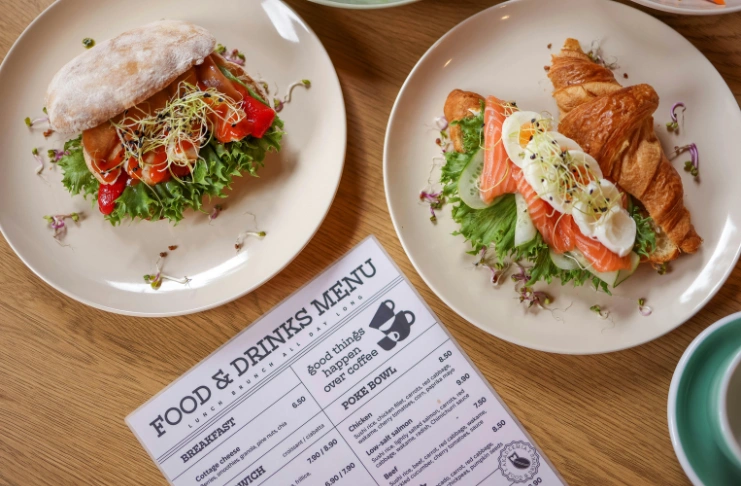
The typography on your menu directly impacts ordering behavior. Choose fonts that reflect your brand personality while ensuring readability in dim lighting conditions.
Sans-serif fonts generally work better in low-light bar environments. To maintain consistency, use a maximum of two complementary font families.
The 12-point minimum for body text ensures all customers can read comfortably. Consider your customer base’s demographics; bars catering to older clientele should opt for larger text to improve experience and ordering efficiency.
16. Leverage Digital Menu Capabilities
For bars using digital menus, take advantage of unique capabilities that paper menus can’t offer. Digital formats allow for real-time inventory management, such as automatically hiding items when sold out.
Use animation sparingly to draw attention to featured drinks or limited-time offers. Consider interactive elements like expandable descriptions for curious customers or filtering options for dietary restrictions.
Digital menus also allow for dayparting, i.e., automatically switching between brunch, afternoon, and evening offerings without staff intervention.
17. Balance Accessibility with Brand Expression
Your bar menu should reflect your unique brand while remaining accessible to new customers. Industry-specific terminology can create confusion and hesitation when ordering.
Include brief explanations for unfamiliar ingredients or preparation methods without talking down to customers. For example, “Fernet (aromatic Italian bitter)” helps newcomers without boring enthusiasts.
Consider a small glossary section for more esoteric terms if they’re central to your concept.
18. Test and Refine Continuously
The perfect bar menu constantly evolves with customer feedback and sales data. Implement a systematic approach to menu refinement based on real-time performance.
Track sales patterns to identify underperforming sections or items. Gather staff input on customer questions or confusion points. A/B tests different descriptions, placements, or pricing strategies for key items. Plan for complete menu refreshes at least twice yearly, with smaller updates quarterly.
Each iteration should move you closer to the optimal balance of profitability, operational efficiency, and customer satisfaction.
Conclusion
Remember that your menu often gives customers the first detailed impression of your establishment. Make it count. Use these bar menu design tips to enhance your brand, delight your customers, and maximize your bottom line.
Frequently Asked Questions
1. How to make a good bar menu?
Start with your target customer, highlight high-margin drinks, use clear descriptions, and test what sells. Keep it concise and focused.
2. What are the 8 factors to be considered in making a menu design?
Layout, readability, pricing, item placement, descriptions, brand consistency, menu engineering, and customer psychology.
3. How to design a pub menu?
Match it to your concept. Use rustic fonts and language, spotlight comfort drinks, and keep sections simple (Beer, House Cocktails, Bar Food, etc.).
4. How do you layout a drink menu?
Group items by type, use pricing anchors, highlight bestsellers, and add white space for clarity. The top-right and center zones sell best.
5. How to create your own bar menu?
Use free templates or design from scratch. Organize items logically, set smart prices, test with your team, and update seasonally.
6. How to do a bar menu?
Decide on your concept, focus on profitable items, layout for sales psychology, and optimize both digital and print versions.
7. How many items should be on a bar menu?
20–35 is ideal. Enough variety, but not so much that it confuses or slows down decision-making.
8. How do I create a menu layout?
Use a grid structure, clear sections, consistent fonts, and visual highlights for strategic items. Keep it digestible.
9. How many drinks should be on a drink menu?
10–20, depending on your bar type. More if you have a strong cocktail program, fewer if you’re a dive or sports bar.
10. How to plan a cocktail menu?
Mix classics, house specials, and seasonal picks. Use varied base spirits and stagger ABVs. Include 1–2 high-end anchors.
11. What should every cocktail menu have?
Balance, diversity, profitable picks, brand-forward options, and something adventurous for the bold drinker.
12. What is the most profitable item in a bar?
House cocktails, especially those with low pour cost and high markup, often top the list. Followed closely by wine by the glass and draft beer.