

Opening a restaurant in the U.S. is deceptively complex. It demands regulatory compliance, cash flow, licensing, market fit knowledge, and so much more. Every year, thousands of entrepreneurs underestimate this. What are the results? Nearly 60% of new restaurants shut down in their first year. Most never recover from poor planning, bad location choices, or missed legal steps. This guide exists to prevent that.
What follows is a complete legal and financial breakdown on how to start a restaurant in the USA, and actually make it profitable.
INDUSTRY INSIGHT
| The U.S. restaurant industry is a $1.1 trillion market, with over 1 million restaurant locations nationwide. More and more consumers are spending on dining out, thanks to their changing lifestyles, increased disposable income, and a growing demand for diverse cuisines. Additionally, 64% of Americans dine out at least once a week, making food service a lucrative business opportunity. For entrepreneurs, the U.S. offers a structured regulatory environment, access to financing, and a strong culture of dining innovation. With the right strategy, opening a restaurant here can thus be both profitable and scalable. |
How to Start a Restaurant in the USA and Actually Make It Work?
Opening a restaurant in the U.S. involves a defined sequence of legal, financial, and operational steps. The following steps outline exactly what you need to plan, register, and successfully open a compliant and sustainable restaurant business.
Step 1: Nail Down Your Restaurant Concept
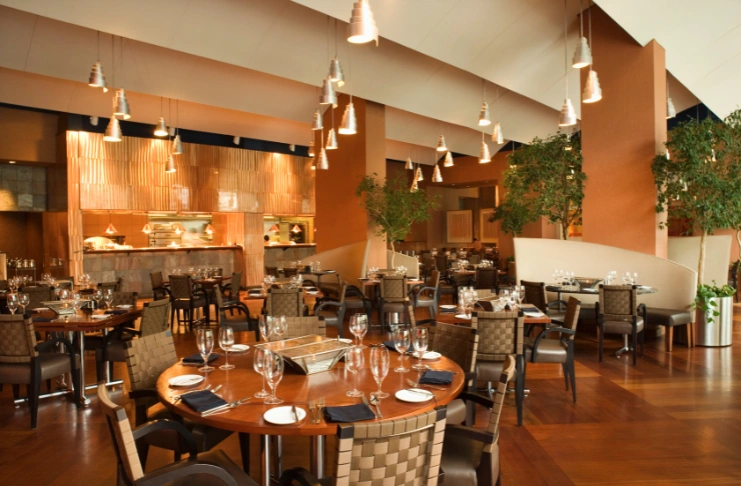
Your restaurant concept will set the tone, define the customer, and guide the operational framework for your business. Without a focused concept, every other decision, be it menu, location, or budget, becomes guesswork.
Choose a Format That Fits Your Market and Means
The U.S. food service sector spans formats:
- Quick service restaurants (QSRs): fast food, high volume, minimal staffing.
- Casual dining: table service with mid-range pricing.
- Full-service restaurants: premium ambiance, longer meal times, higher operating costs.
- Food trucks: mobile, flexible, lower overhead.
- Ghost kitchens: delivery-only; no front-of-house expenses.
Startup costs vary widely. A food truck may launch for $100,000 or less. A full-scale restaurant space with liquor service? Expect $500,000 to $1 M+.
Understand Your Target Market
Question yourself: Who are you serving? What’s missing in your area? Is your concept built for urban professionals, families, tourists, or late-night crowds? This will make the foundation of data-driven market research. Income levels, foot traffic, local competition, and even city zoning laws dictate whether your idea has legs.
Brand for Memory
A restaurant lives or dies on how it’s remembered. Can you articulate your concept in one sentence? If not, it’s not sharp enough. “Farm-to-table Mexican brunch spot in a converted garage” is a concept. “Something fresh and fusion-y” is not.
Step 2: Build a Business Plan That Holds Up to Scrutiny

A restaurant without a plan is a liability. Investors won’t fund it, banks won’t finance it, and regulators won’t approve it if it’s not operationally sound. A restaurant business plan is the blueprint: financials, concept validation, market entry strategy, and compliance assumptions all sit here. It’s the business itself.
Lead With Financial Projections
Your financial model must be grounded in actual data. Include:
- Startup costs (kitchen buildout, restaurant equipment, branding, working capital)
- Operating costs (rent, insurance, labor costs, licensing, supply chain)
- Revenue forecasts based on seating, ticket averages, and turnover rates
- Break-even analysis and cash flow modeling for at least 24 months
If you’re serving 100 covers a day at a $25 check average with 70% occupancy, model it. This is what separates professional operators from hobbyists.
Outline a Viable Business Model
How will the restaurant generate sustained income? Is the menu priced for margin or volume? Will alcohol be a profit center? What does a weekday vs. weekend look like in terms of labor load and customer traffic?
A strong business model reflects operational realism. Fast-casual chains, for example, are built around high table turnover and limited labor input. That’s design, not chance.
Lock in Your Target Audience and Positioning
Tie your concept to a clearly defined target audience. “Millennial professionals seeking elevated vegan takeout” is clear. “People who like healthy food” is not. Use census and psychographic data to validate demand.
Include competitor mapping, price positioning, and location-specific demand analysis. This will prove that your restaurant fills a market gap rather than adding to the noise.
Include a Marketing Plan That Can Scale
A basic marketing plan should include:
- Branding and identity rollout
- Launch strategy
- Social media marketing approach (platforms, tone, targeting)
- Loyalty or referral programs
- Paid media vs. organic strategies
If your plan relies entirely on Instagram or foot traffic, it’s incomplete.
Step 3: Legal Requirements: Licenses, Permits, and Compliance

No restaurant can open legally in the U.S. without navigating a dense web of permits. These vary by state, county, and even city, but nearly all restaurants require multiple layers of regulatory approval before serving food.
This is where new restaurant owners often stumble: they miss a deadline, skip a form, or assume a permit covers more than it does. That error can shut down operations overnight.
Business License
Every restaurant must secure a business license from the city or county. This legally registers your operation and enables you to pay local taxes. The business license cost typically ranges from $50 to $400 annually, but can be higher depending on the city population and restaurant size. You’ll need your Employer Identification Number (EIN) to apply.
EIN applications are free through the IRS. You’ll need one to open a business bank account, hire staff, and file taxes. Apply directly via the IRS website.
Food Service Licensing
You’ll need a food service license from your local health department if you’re serving food. This typically requires an inspection of your kitchen, storage, and food-handling processes. Many jurisdictions also require a food handler’s or employee’s health permit for each staff member involved in food preparation.
Depending on your operation, other key food-related permits include:
- Food facility permit (especially in California)
- Food service operation license (common in Ohio and Florida)
- Food safety training certifications like ServSafe
Expect regular health inspections—failing one can lead to suspension or revocation.
Health Permits and Building Compliance
A building health permit verifies that your physical space complies with zoning laws, fire safety codes, ventilation standards, and ADA accessibility requirements. If you’re building or remodeling a space, you may need to pass a construction inspection before it is granted.
Additional permits vary based on features:
- A dumpster placement permit is required if your facility has exterior trash bins
- A valet parking permit if offering curbside service
- Pool table license if entertainment is offered
Failing to file for these in advance can delay your opening indefinitely.
Liquor License
Planning to serve alcoholic beverages? This requires a separate liquor license, and the process is extensive. Each state has its own Alcoholic Beverage Control (ABC) board. Some areas have quota systems that limit how many licenses are available, meaning you may have to purchase one from an existing licensee at a premium.
Types of liquor licenses include:
- Beer and wine only
- Full alcohol, on-premise
- Catering or off-site licenses
Expect background checks, fingerprinting, signage posting periods, and multi-week approval timelines. Depending on location and license type, costs may range from a few hundred to tens of thousands.
Step 4: Choose the Right Location
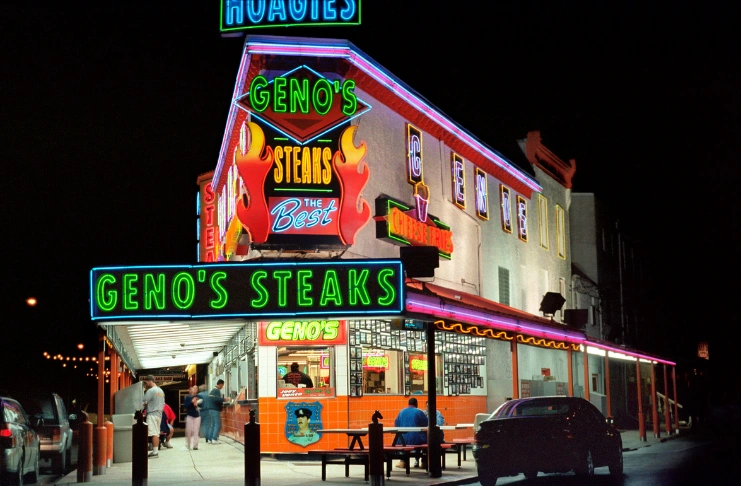
Location dictates rent, customer base, exposure, and your concept’s viability. It also determines zoning, licensing complexity, foot traffic, and staffing access. So, you must be very careful when choosing one.
Zoning and Legal Fit
Before anything else, verify zoning laws. A lease means nothing if the area isn’t zoned for food service. Local city planning departments maintain zoning maps. Also, check for any restrictions on alcohol sales, operating hours, signage, or parking.
If you’re eyeing a space that requires rezoning or a variance, factor in 6–12 months of legal wait time and city hearings.
Visibility, Access, and Parking
Ask yourself these three questions:
- Can customers find your restaurant without help?
- Can they park or walk safely?
- Will they return?
Great food won’t offset poor visibility or parking challenges. Corner units, main roads, proximity to complementary businesses (gyms, offices, theaters), and proximity to high-density neighborhoods tend to outperform tucked-away interiors. Don’t assume digital maps will compensate for low visibility.
Know Your Footprint Needs
A restaurant’s location should align with the size and function of the concept. For example:
- A food truck thrives in dense urban areas with daytime foot traffic.
- A full-service restaurant requires square footage for a dining area, restrooms, kitchen, bar, and back-of-house storage.
- A fast food restaurant prioritizes counter space and drive-thru lanes over ambiance.
Use your projected cover count and table turnover to back into the required square footage. Overspending on rent to “grow into” a location is rarely viable.
Negotiate with Strategy
Don’t just accept the listed rent. Negotiate for:
- Tenant improvement allowance
- Rent abatement during buildout
- Exclusive use clauses (protect you from similar businesses nearby)
- Options to renew or expand
Work with a commercial real estate attorney to vet the lease. Hidden clauses around maintenance, HVAC, or signage can sink your margins.
Tip: Use tools like Placer.ai, CBRE market reports, and census tracts to validate foot traffic, income demographics, and competitive density. Remember: Your restaurant concept might be viable, but not in every zip code.
Step 5: Understand the Real Cost of Opening a Restaurant

Opening a restaurant involves far more than the initial investment in space and equipment. Startup costs extend into every operational detail, with a significant portion dedicated to compliance, inventory, and staff.
Capital Requirements
The total startup costs for a new restaurant can range widely based on type, size, and location. On average:
- Depending on the vehicle and kitchen setup, food trucks can be launched for as little as $50,000 to $200,000.
- Casual dining or quick-service restaurants can cost between $250,000 and $500,000, including buildout, equipment, and working capital.
- Full-service restaurants, especially those with liquor licenses, can push costs over $1 million in prime locations.
Fixed and Variable Costs
Expect these essential ongoing costs:
Rent: A critical fixed cost that will make up a significant portion of your expenses. Commercial leases generally require a 3–5 year commitment.
Labor: Your most significant variable expense, typically 25%–35% of total sales. Factor in hourly wages, salaries, benefits, and payroll taxes.
Food costs are typically 28%–35% of total sales, but this varies based on menu pricing, portion size, and waste management.
Marketing: Initial and ongoing campaigns should be budgeted for, especially for social media and digital marketing.
Unexpected Costs
In addition to the major expenses, expect:
- Licensing fees: Business licenses, liquor licenses, and food safety certifications can add up.
- Equipment repairs: Commercial kitchen equipment will inevitably break down. Maintenance is a recurring expense.
- Contingency funds: Set aside 5%-10% of your total budget for unexpected overruns or delays.
A common mistake is underestimating operating costs in the early months. Factor in a cash reserve to cover the first 3–6 months of expenses until the restaurant becomes profitable.
Step 6: Secure Financing and Funding Options

Restaurant startups often require external funding. While personal savings can cover some costs, external financing is often essential for covering the full expenses.
Traditional Loans
Banks offer small business loans, but securing one for a restaurant can be challenging without a solid business plan. You must demonstrate strong cash flow projections and a clear understanding of the industry.
SBA Loans
The Small Business Administration (SBA) offers government-backed loans for restaurant owners. These are comparatively easier to obtain and come with lower interest rates, but they require personal guarantees and detailed business plans.
Investors and Angel Funding
You might attract angel investors or venture capitalists if you have a solid business concept and a clear growth plan. While this route offers more capital, it typically requires you to give up a portion of ownership and equity in your restaurant.
Crowdfunding and Non-Traditional Funding
Platforms like Kickstarter or GoFundMe are becoming go-to options for restaurant owners. Crowdfunding offers the benefit of not giving away equity, but is generally suited for smaller-scale operations or niche concepts with strong community support.
Grants
Certain state and federal programs provide grants to new restaurant businesses, especially those that focus on sustainable practices or community involvement. Securing these grants is competitive, but they can cover specific costs like energy-efficient kitchen equipment or local marketing initiatives.
Step 7: Design Your Menu
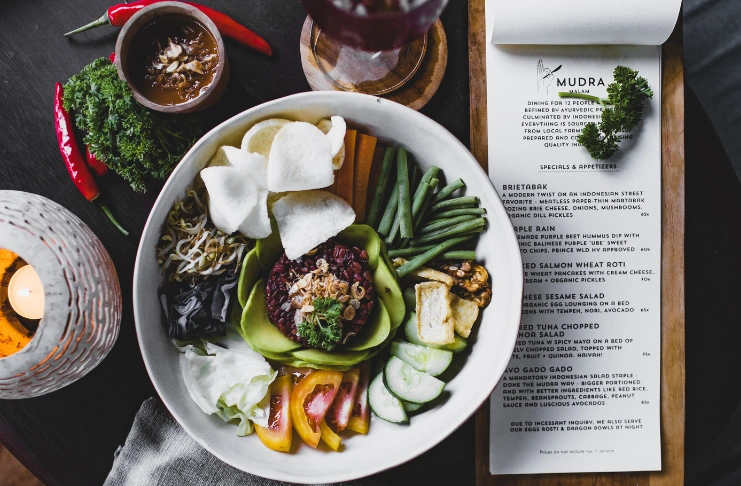
A well-thought-out menu does more than list food items; it tells your story, aligns with your concept, and shapes customer expectations.
Here’s how to create a menu that works:
Keep it Simple: That means avoid overloading your menu. Too many options can lead to kitchen inefficiencies and customer confusion. Focus on a few standout dishes that highlight your concept.
Pricing Strategy: Menu pricing should reflect both customer expectations and operating costs. Factor in food costs (28–35% of sales) and balance this with desired profit margins. Pricing should feel consistent with your market positioning—affordable for casual dining or premium for fine dining.
Food Costs and Inventory: Design your menu around ingredients that are easy to source in bulk, reducing waste and cost. Cross-utilize ingredients in multiple dishes to optimize your inventory.
Offer Variety: Ensure the menu has something for everyone. You can, for example, include options for different dietary needs or for people with allergies. Diversifying options can widen your target market.
Test Your Menu: Consider running soft openings or pop-ups to gauge customer reactions to your menu. Based on feedback, tweak before the official launch.
Step 8: Hiring and Training Your Restaurant Team

Your team is the heart of your restaurant. From the front-of-house staff to the back-end kitchen crew, each member plays a pivotal role in delivering the experience your customers expect. However, hiring and retaining a skilled, motivated team requires more than posting job ads.
Finding the Right Talent
Craft detailed job descriptions for each position—front-of-house (waitstaff, bartenders, hosts) and back-of-house (chefs, prep cooks, dishwashers). Outline clear expectations and the required skills for each role. Consider these tips:
- Cultural Fit: Employees should embody your brand’s values and customer service standards. A positive attitude and the ability to work under pressure are critical.
- Leverage Job Boards: Use platforms like Indeed, LinkedIn, or local job boards to reach a wider pool of candidates. For specialized positions like chefs, you may want to tap into industry-specific platforms like Poached Jobs or Culinary Agents.
- Word of Mouth: Reach out to your existing network or ask current employees for referrals. Trusted recommendations often bring in the best candidates.
Onboarding and Training
Effective onboarding and training are non-negotiable. Inconsistent training leads to operational inefficiencies and poor customer experiences.
Develop a Training Manual: Your manual should outline everything from your restaurant’s values to daily operational procedures. It should include food safety protocols, service expectations, and how to handle customer complaints.
Hands-on Training: Pair your new hires with experienced staff during their first few shifts. On-the-job training ensures they understand the pace and workflow of the restaurant.
Cross-Training: Cross-train your team to handle multiple roles. This increases flexibility and ensures that there are no bottlenecks during peak hours.
Building a Positive Workplace Culture
Creating a positive workplace culture promotes loyalty, reduces turnover, and increases overall satisfaction. Recognize employees’ achievements, offer constructive feedback, and create opportunities for advancement within your restaurant. When your staff feels valued, they’re more likely to deliver top-notch service.
Step 9: Market Your Restaurant and Attract Customers

Effective restaurant marketing is essential to ensure potential customers see your restaurant. While the food and service are critical, getting people through the door starts with a well-crafted marketing strategy.
Leverage Digital Marketing
- Social Media: Platforms like Instagram, Facebook, and TikTok are perfect for food-based businesses. Post high-quality images of your dishes, behind-the-scenes content, and customer testimonials.
- Website and SEO: Your website should be mobile-friendly, easy to navigate, and optimized for search engines. Use SEO strategies to rank higher in local search results.
- Email Marketing: Build an email list to send promotions, event invites, or seasonal menu updates. Encourage customer sign-ups with discounts or exclusive offers.
Local Marketing and Community Engagement
Your restaurant’s reputation in the local community can significantly impact its success. Build relationships with nearby businesses and participate in local events.
- Collaborations: Partner with local breweries, farms, or other small businesses to cross-promote.
- Charity Events: Host or sponsor events to get your name out there while giving back to the community.
Offer Loyalty Programs and Incentives
A loyalty program can turn first-time customers into regulars. Offer discounts, free items after a set number of visits, or special perks for returning customers.
Online Reviews and Reputation Management
Online reviews are a significant factor in attracting customers. Encourage satisfied diners to leave reviews on platforms like Yelp and Google. Respond professionally to positive and negative reviews to build trust with potential customers.
Paid Advertising
Paid ads through social media or search engines can target your ideal audience. Tools like Google Ads allow you to direct traffic to your website or specific promotions.
Step 10: Prepare for Grand Opening

The grand opening is a pivotal moment in your restaurant’s life. It sets the tone for your brand and can influence customer perceptions long before they step through the door. However, before diving into a full-scale opening, consider a soft launch to iron out any operational issues and gather initial feedback.
A soft launch allows you to test your menu, refine service procedures, and gauge customer reactions before committing to a full opening. Consider offering discounted meals or special promotions to create buzz while minimizing the risk of operational hiccups.
Marketing Your Grand Opening
Start promoting your grand opening well in advance. Use a combination of social media marketing, email campaigns, and local advertising. Special events like tastings or celebrity chef appearances can also drive interest.
Influencer Partnerships: Partner with local influencers or food critics who can build excitement and bring their followers to your restaurant.
Local Media: Ask local newspapers and magazines to write about your opening. Get featured in local food guides and online event calendars.
Set Expectations and Create Hype
A successful grand opening relies on managing customer expectations. To ensure quality service, limit the number of reservations or guests allowed on the opening day. Consider creating a sense of exclusivity, such as offering early reservations to VIPs or special guests.
Customer Experience at Launch
Customer feedback is invaluable during the opening period. Address any complaints promptly and offer complimentary incentives for dissatisfied customers. This feedback will help you fine-tune your operations for ongoing success.
Conclusion
Starting a restaurant in the USA requires careful planning, legal compliance, and solid operational management. From securing licenses and permits to crafting an engaging marketing strategy, every step matters. Ensure you regularly review your business plan, stay attuned to industry trends, and invest in your team.
The road to success is long, but with the right strategies, your restaurant can thrive, build a loyal customer base, and achieve sustainable growth.
Frequently Asked Questions
1. How much does it cost to open a restaurant in the USA?
Opening a restaurant in the USA can cost anywhere from $175,000 to $750,000 on average. This range depends on location, restaurant size, concept, and whether you are leasing or purchasing property.
Smaller establishments like fast-casual or food trucks may fall on the lower end, while upscale or large-scale dining can push costs higher due to extensive renovations and equipment needs.
2. Is $10,000 enough to open a restaurant?
While $10,000 can cover some initial expenses like permits, small equipment, or marketing, it’s generally not enough to fully launch a restaurant. Opening costs typically range in the hundreds of thousands. However, for a small food truck or a home-based catering business, $10,000 might be a viable starting point, though it’s still tight.
3. How to open a restaurant in the USA?
To open a restaurant, start by writing a comprehensive business plan. Then, secure necessary licenses and permits (like a business license, food service permit, and liquor license if applicable).
Find a suitable location, build the space, purchase equipment, hire and train staff, and develop a marketing strategy.
Finally, review operational efficiencies and ensure financial management is in place to sustain growth.
4. What is the minimum amount to open a restaurant?
The minimum amount to open a restaurant varies based on the size and concept, but typically, $50,000 to $100,000 could be sufficient for a small, fast-casual establishment, depending on location. Costs can be reduced further by opting for a food truck or operating out of a shared kitchen. However, it’s crucial to consider additional hidden costs like ongoing operational expenses.