

Data has it that the food delivery market reached $353 billion in revenue in 2024, with DoorDash controlling 67% of the market. Americans now spend over $1,566 annually on delivery services, with each order averaging $35.42.
For restaurants, the debate is no longer if they should, but it’s how to partner with food delivery platforms without sacrificing profit margins, brand control, or diner experience. This guide breaks down exactly how to do it smartly, streamline operations, and turn delivery into a growth channel.
What Do Food Delivery Platforms Do?
Food delivery service providers connect your restaurant with customers who want to order food online. They handle the technology, marketing, and logistics while you focus on what you do best – cooking great food.
Think of them as digital middlemen who solve several problems at once. They bring you customers you’d never reach otherwise, handle payment processing you don’t want to manage, and provide delivery drivers so you don’t need your own delivery staff.
The trade-off is straightforward: commission fees between 5-30% per order in exchange for access to millions of loyal customers actively searching for restaurants like yours.
What Are the Key Benefits of Partnering with Delivery Apps?

Beyond the obvious revenue boost, delivery aggregators provide outstanding benefits that many restaurant owners overlook.
- Customer reach expands dramatically. DoorDash alone recorded 19 million app downloads in 2024. These aren’t people walking past your storefront – they’re potential customers browsing from home, work, or anywhere else they want food delivered.
- Operating costs stay manageable. You don’t need to hire delivery drivers, maintain delivery vehicles, or build your own online ordering system. Third-party delivery apps handle the infrastructure while you focus on food preparation.
- Revenue becomes more predictable. Delivery orders provide a steady income during non-peak hours when your dining room might be empty. Bad weather that hurts dine-in business actually increases delivery demand.
- Customer data flows to you. Most platforms share ordering patterns, popular items, and customer preferences. This information helps optimize your menu and understand what drives repeat orders.
The challenge lies in managing commission costs while maintaining profit margins that make sense for your restaurant business.
What Types of Food Delivery Services Can Restaurants Choose From?
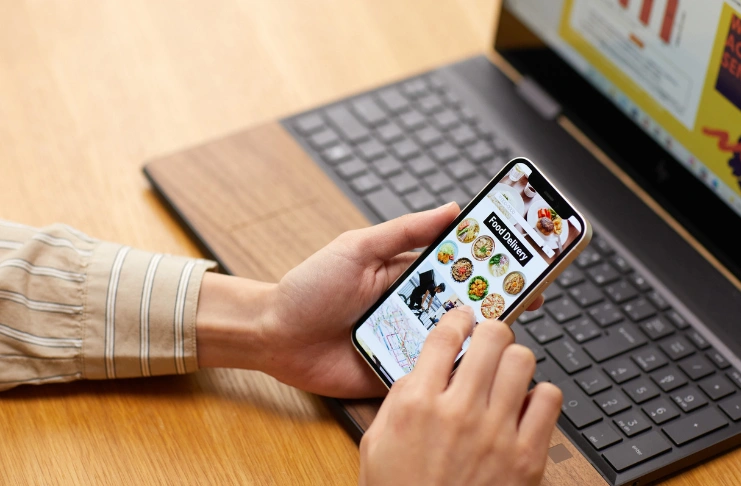
Understanding different food delivery partnership models helps you choose the right approach for your business and goals.
Full-Service Delivery Aggregators
Platforms like DoorDash, Uber Eats, and Grubhub handle everything from customer acquisition to final delivery. You receive orders, prepare food, and hand it to their delivery partners. They manage customer service, refunds, and delivery logistics.
This model costs more in commissions but requires minimal additional effort from your team. It’s best for restaurants that want delivery revenue without operational complexity.
Hybrid Partnership Models
Some delivery platforms let you use your own delivery staff while leveraging their customer base and ordering technology. You pay lower commission rates but handle delivery logistics yourself.
This works well for restaurants with existing delivery operations or those located in areas where platform delivery coverage is inconsistent.
White-Label Solutions
These partnerships give you a branded delivery app powered by established technology. Customers think they’re ordering directly from your restaurant, but the ordering system comes from delivery service companies.
Better profit margins since you avoid high commission rates, but you’re responsible for customer acquisition and marketing. This one is most effective for restaurants with strong local brand recognition.
INDUSTRY INSIGHT
| Food delivery has become a recurring expense for the average American household. With 78.8% of consumers using delivery services at least occasionally and an average annual spend of $1,566, delivery now accounts for 3.7% of household income. Convenience is the primary driver. Many continue to order even with service markups that can climb as high as 91%, especially when time, transportation, or grocery access are limited. In some zip codes, it’s more cost-effective to order in than to shop for basic ingredients. Inflation has only reinforced this. Grocery prices have jumped 13.1% year over year, compared to a 7.6% increase for food away from home. Still, there is a ceiling. Over 35% of users say they’ll abandon a delivery if the fee feels excessive. This cost sensitivity has opened the door for subscription models like Uber One and Grubhub+, which now capture nearly a quarter of delivery users. These programs reduce per-order fees and lock in brand loyalty. What does this mean? Restaurant operators must optimize their digital ordering systems, renegotiate commission terms, and rethink pricing strategies to remain competitive in a market defined by routine demand and price-aware consumers. |
How Do You Choose the Right Delivery Platform?
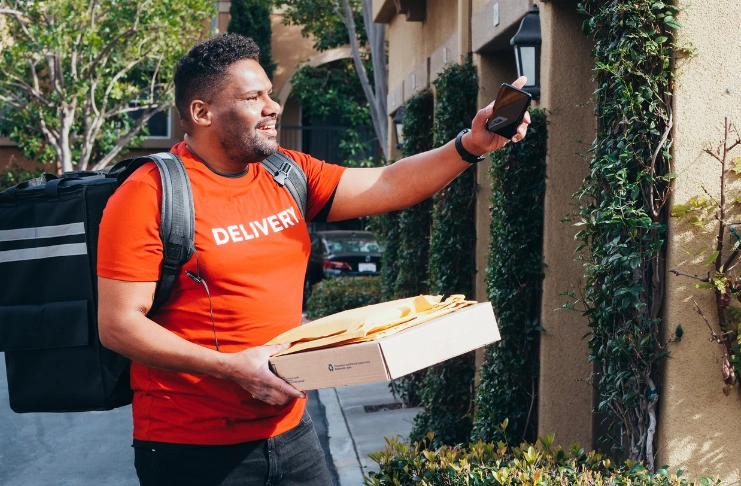
Don’t sign up for every available option. Strategic selection matters more than quantity, especially when you’re learning delivery operations.
Start by researching your local market. Download the major delivery apps and see which ones actually serve your area effectively. Check how many local restaurants are listed, what cuisines get featured prominently, and how active delivery drivers seem during peak hours.
DoorDash
DoorDash controls two-thirds of online meal delivery with nearly 19 million app downloads in 2024. Their strength lies in suburban coverage and the DashPass subscription program that drives repeat customers.
Commission rates range from 15-30% based on service tiers. Higher levels include marketing features, priority search placement, and reduced commission rates for pickup orders.
DoorDash works best for restaurants in suburban markets or those targeting families and comfort food customers.
Uber Eats
Uber Eats captured 12 million downloads in 2024 and leverages Uber’s existing driver network for delivery logistics. They focus heavily on urban markets and have a strong international presence.
Similar commission structure to DoorDash, but often better coverage in dense city markets where Uber already operates rideshare services.
Uber Eats attracts younger, urban customers who often order international cuisines and are willing to pay premium prices for convenience.
Regional and Niche Platforms
Don’t overlook smaller delivery aggregators serving your specific market. They often charge lower commission rates and provide better local market knowledge.
The customer base is smaller, but there’s less competition for visibility, and regional platforms often feature local restaurants more prominently than national chains.
How Should You Design a Menu for Delivery?
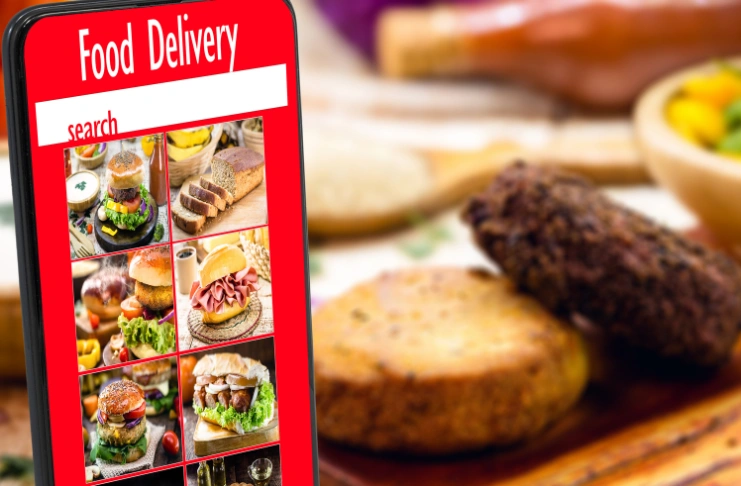
Your existing dine-in menu won’t work effectively for online food delivery without modifications. Food travels differently than it tastes when served immediately.
Focus on dishes that maintain quality during 20-30 minute transport times. Grilled proteins that stay moist, pasta dishes that don’t overcook, sandwiches and wraps that hold together well. Avoid items that become soggy, separate during transport, or lose essential characteristics after sitting in containers.
Consider portion sizes carefully. Food looks different in takeout containers than on plates, and customers judge value differently when they can’t see the full presentation.
Pricing Strategy for Profitability
Make sure commission fees are directly included in your delivery pricing. If you normally charge $15 for a dish and pay a 25% commission, price it around $18-20 to maintain similar profit margins.
Many successful restaurants create entirely separate delivery menus with adjusted pricing rather than charging identical prices across all channels. This allows better profit control and menu optimization for delivery customers.
Photography That Converts Browsers to Buyers
High-quality food photos directly impact order frequency on delivery apps. Customers browsing online ordering platforms make decisions based entirely on visual appeal and descriptions.
Professional food photography pays for itself through increased orders. Update photos regularly to showcase new items, seasonal offerings, and your most profitable dishes.
Images should show food as customers will receive it – in containers, not plated. This sets proper expectations and reduces complaints about the presentation.
How Do You Integrate Delivery Platforms with Your Restaurant Operations?
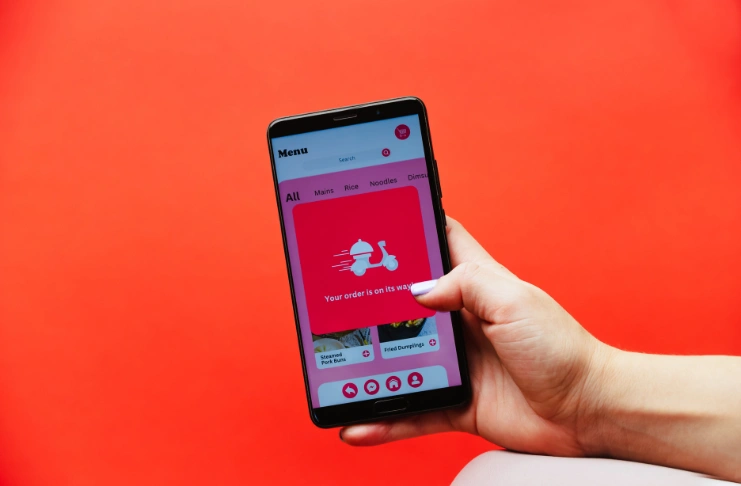
Most food delivery platforms provide integration tools, still ensuring proper setup prevents missed orders and kitchen confusion.
Point of Sale System Connection
Connect your existing POS system to receive orders automatically. This eliminates manual entry errors and ensures orders integrate smoothly with your kitchen workflow.
If your current system lacks compatibility, most platforms provide tablets or software solutions for managing delivery orders separately from dine-in operations.
Kitchen Workflow Adaptation
Delivery orders require different timing and procedures from restaurant service. Establish dedicated processes for packaging orders properly, coordinating pickup times with delivery partners, and managing multiple platform orders simultaneously.
Train kitchen staff on delivery-specific requirements, including temperature maintenance, proper packaging techniques, and quality control checks before orders leave your restaurant.
How Should You Manage Your First Month of Delivery?
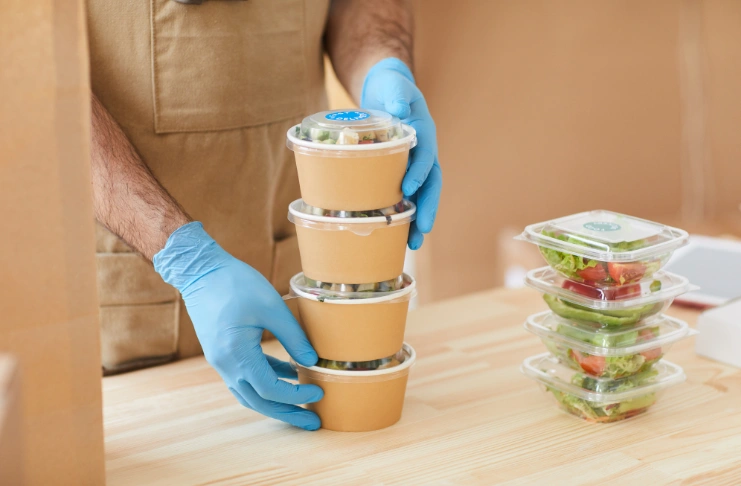
The initial weeks determine whether delivery partnerships enhance or disrupt your restaurant operations.
Start conservatively with limited hours or a smaller menu to test your systems. Monitor order volume carefully and adjust staffing as needed. Most restaurants underestimate the kitchen impact and timing challenges of delivery orders.
Week 1-2: Learning Phase: Focus on order accuracy and timing. Track how long different dishes take to prepare for delivery versus dine-in service. Note packaging issues and customer feedback.
Week 3-4: Optimization Phase: Adjust menu offerings based on what travels well and generates positive reviews. Refine kitchen timing and staffing patterns. Start tracking profitability data for different order types.
Remember: Poor delivery experiences damage your reputation across all platforms quickly. Respond professionally to customer reviews and complaints. Remember that delivery customers can’t see your dining room atmosphere or interact with servers – the food and packaging represent your entire brand.
Maintain consistent quality between delivery and dine-in orders. Many restaurants unconsciously prioritize dine-in customers over delivery orders, creating quality inconsistencies that hurt online ratings.
When Should You Expand to Multiple Delivery Apps?
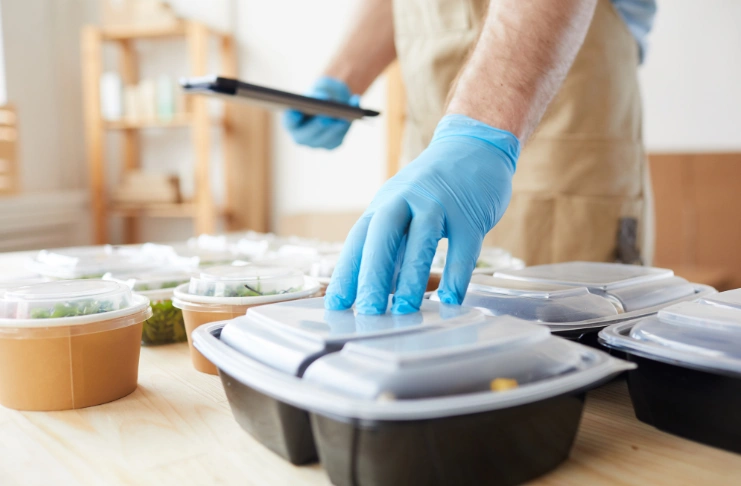
Once comfortable with one platform, adding others can significantly increase order volume and customer reach.
Use centralized order management technology that combines orders from multiple delivery aggregators into one interface. This prevents missed orders and reduces kitchen confusion during busy periods.
Each delivery app attracts different customer demographics and has unique promotional opportunities. DoorDash customers might prefer comfort food and family meals, while Uber Eats users often order international cuisine and premium options.
Platform-Specific Optimization Strategies
Customize your approach for each delivery aggregator based on their strengths and customer preferences.
DoorDash Optimization:
- Focus on family-friendly portions and comfort food
- Participate in DashPass promotions for repeat customers
- Use their marketing tools during suburban dinner hours
Uber Eats Optimization:
- Highlight international and premium menu items
- Target urban lunch and late-night markets
- Leverage their global brand recognition
Regional Platform Strategy:
- Emphasize local ingredients and community connections
- Offer exclusive items not available on larger platforms
- Build relationships with platform representatives for better support
How Can You Optimize Performance on Each Platform?
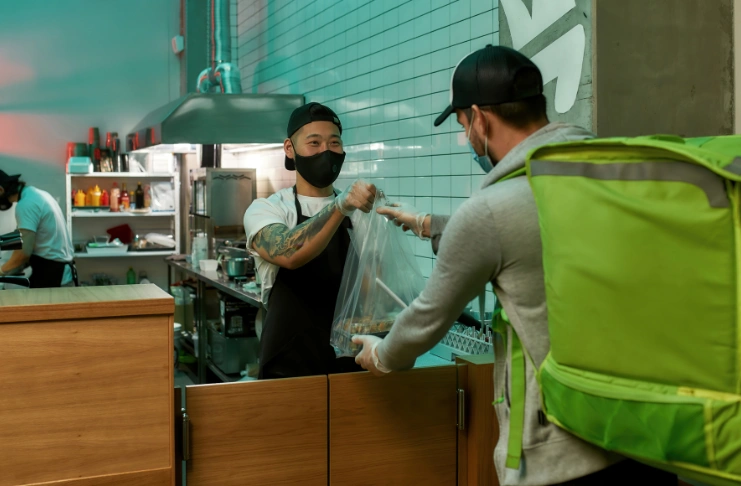
Your success will depend on how you treat delivery as a distinct business channel, not a passive additional revenue. Here’s how you can do it:
Increasing Average Order Value
Smart menu design encourages larger orders and higher profitability:
- Create combo meals and family packages exclusive to delivery
- Bundle popular entrees with high-margin appetizers or desserts
- Offer delivery-minimum promotions that drive larger orders
- Use platform promotional tools to highlight profitable items
Delivery customers often add extras when browsing digital menus. Design your online presentation to showcase complementary items and upgrade opportunities.
Converting One-Time Orders to Repeat Customers
Consistent quality builds customer loyalty across all delivery platforms. Include small touches that create memorable experiences – proper packaging, handwritten thank you notes, or surprise extras with large orders.
Participate in platform loyalty programs when available. Many delivery aggregators offer rewards systems that encourage repeat orders from satisfied customers.
Seasonal Strategy Adjustments
Delivery demand fluctuates predictably throughout the year. Winter months and bad weather drive higher volumes, while pleasant weather reduces demand as people dine out more.
Plan staffing, inventory, and marketing budgets around these patterns. Holiday periods often require additional preparation and promotional investment to compete effectively.
How Do You Manage Costs and Track Financial Performance?
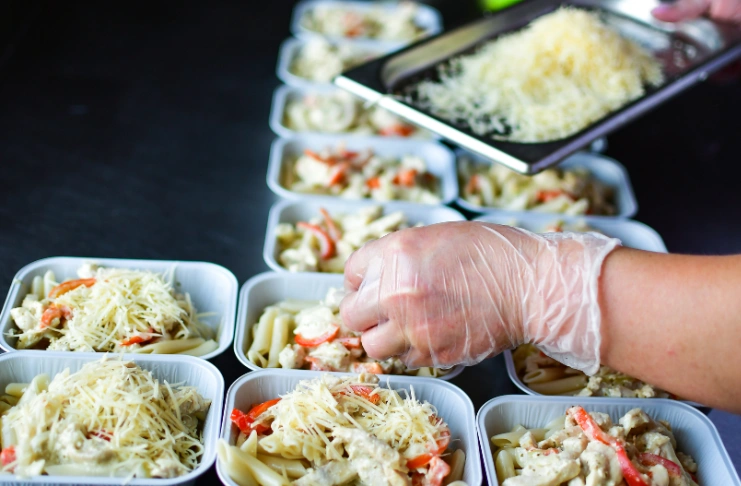
Understanding true delivery economics helps make profitable business decisions. Here’s everything you need:
Calculating Real Profit Margins
Commission fees represent just the starting point for delivery costs. Add packaging expenses for containers and bags, additional labor for order preparation and coordination, credit card processing fees on top of platform commissions, and marketing costs for promotional placements.
Calculate net profit margins for delivery orders compared to dine-in sales. Many restaurants discover they need 20-30% higher prices on delivery orders to maintain equivalent profitability.
Investment Planning for Growth
Successful delivery operations often require upfront investments that pay off over time:
- Kitchen equipment for faster order preparation during peak periods
- Additional staff during high-volume delivery hours
- Better packaging materials that maintain food quality and presentation
- Technology upgrades for efficient order management across multiple platforms
Budget these improvements based on projected delivery volume and revenue growth rather than implementing everything immediately.
Monthly Performance Analysis
Schedule regular reviews of delivery partnership performance. Analyze order volume trends, profit margins after all costs, customer ratings and feedback patterns, and platform-specific performance differences.
Use this data to optimize menu offerings, adjust pricing strategies, and allocate marketing budgets effectively across different delivery aggregators.
What Common Mistakes Should Restaurants Avoid?
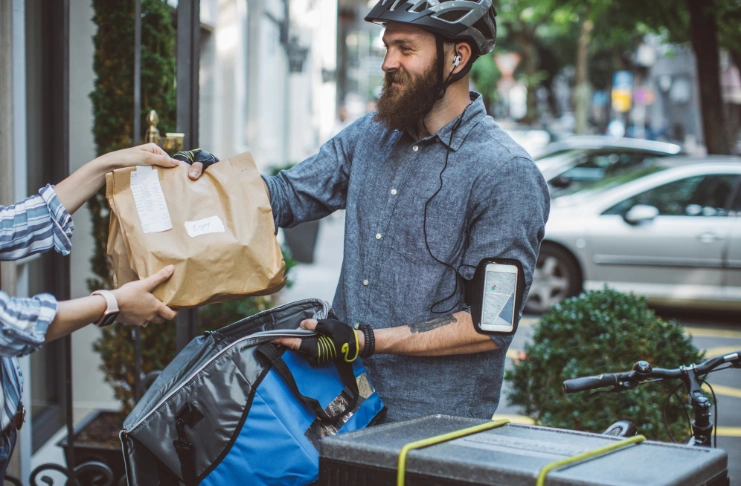
Here’s some golden advice: Learning from other restaurants’ mistakes saves time, money, and reputation damage. You should never make these mistakes:
Underestimating Total Costs
Many restaurant owners focus only on commission rates while ignoring additional expenses that significantly impact profitability.
Beyond platform fees, factor in specialized packaging costs, increased labor during peak delivery periods, payment processing fees, promotional and marketing expenses, and potential dine-in revenue displacement during busy periods.
Create detailed financial models that account for all delivery-related costs before committing to partnerships.
Operational Integration Failures
Treating delivery as an add-on rather than integrating it properly into restaurant operations creates problems that hurt both delivery and dine-in service.
Kitchen Integration Issues: Delivery orders require different timings than dining-in service. Without proper workflow adjustments, delivery orders can disrupt table service timing and create customer dissatisfaction across all channels.
Quality Control Lapses: Inconsistent quality between delivery and dine-in orders damages the reputation on review platforms. Establish clear standards and training for delivery order preparation and packaging.
Staff Training Gaps: Employees need specific training on delivery procedures, customer service provided through platforms, and quality standards for takeout orders.
What Advanced Strategies Work Best for Established Delivery Operations?

Once your delivery partnerships are running smoothly, consider these optimization approaches.
Menu Engineering for Delivery
Analyze delivery order data to identify your most profitable items and customer preferences. Design delivery-specific menu sections that highlight high-margin dishes and popular combinations.
Create exclusive delivery items that aren’t available for dine-in. This gives customers reasons to order delivery even when they could visit in person.
Customer Data Utilization
Most delivery platforms provide valuable customer insights, including peak ordering times, popular item combinations, geographic order patterns, and repeat customer behavior.
Use this information to optimize staffing schedules, plan inventory more effectively, develop targeted promotions, and identify expansion opportunities for catering or additional locations.
Competitive Analysis and Positioning
Monitor competitor performance on delivery platforms regularly. Track their pricing strategies, promotional activities, menu changes, and customer review patterns.
Position your restaurant strategically by identifying gaps in local market coverage, developing unique menu offerings, and creating compelling value propositions that differentiate your delivery options.
Why Do Some Restaurants Succeed While Others Struggle with Delivery?
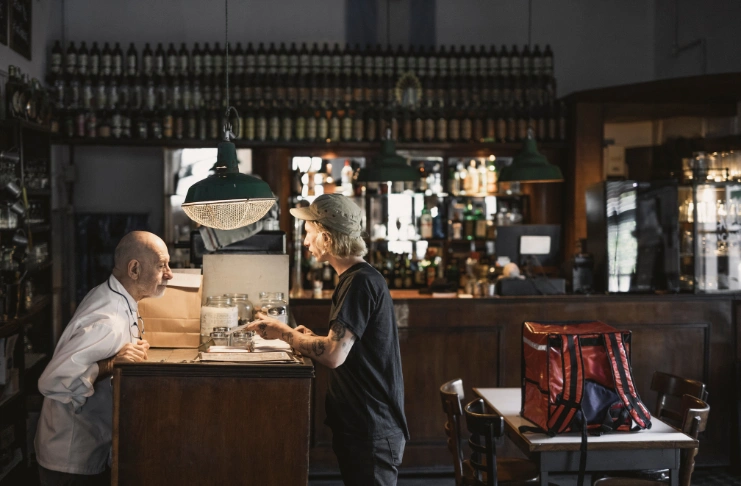
The difference between delivery success and failure usually comes down to execution rather than market conditions or platform choice.
Successful restaurants treat delivery as a core business channel that requires dedicated attention, proper systems, and continuous optimization. They invest in training, technology, and processes that support delivery operations without compromising dine-in service.
Struggling restaurants expect passive income from delivery partnerships without adapting their operations, investing in proper systems, or treating delivery customers with the same attention as dine-in guests.
Success requires viewing delivery aggregators as business partners rather than simple revenue sources, and optimizing operations specifically for delivery success rather than trying to use existing dine-in processes.
Conclusion
Partnering with food delivery platforms can boost visibility and sales, but only if done with intention. Focus on negotiating fees, integrating the right tech, and protecting your customer experience. Treat it as a business channel, not a shortcut. The right strategy turns third-party delivery from a cost center into a growth engine.
Frequently Asked Questions
1. How to partner with food delivery?
Contact the platform through their merchant portal, complete the application with business information and menu details, submit the required documentation, and wait for approval. Most platforms approve applications within 1-2 weeks.
2. How much money can you make with food delivery apps?
Revenue varies by location and cuisine type. Successful restaurants typically generate 20-40% of total revenue through delivery channels, though profit margins depend on commission rates and operational efficiency.
3. How much does it cost to partner with Uber Eats?
Uber Eats charges commission rates between 15% and 30%, depending on your service plan. Additional costs include promotional fees, premium placement charges, payment processing fees, and other hidden fees that may not be visible upfront in your contract.
4. Can you partner with Uber Eats?
Yes, most restaurants can partner with Uber Eats by meeting basic requirements, including proper licensing, food safety certifications, and the ability to fulfill delivery orders within reasonable timeframes.
5. What is a restaurant aggregator?
A restaurant aggregator is a platform that connects multiple restaurants with customers through a single app or website. These companies handle order processing, payment collection, and delivery logistics.
6. What is an example of a food aggregator?
DoorDash is the largest food aggregator, with a 67% market share. Other examples include Uber Eats, Grubhub, and regional platforms that offer similar services with different features and coverage areas.
7. Which food delivery partner is best?
The best partner depends on your location, target customers, and business goals. DoorDash offers the largest and potentially the most loyal customer base, while other platforms may provide better commission rates or features for specific restaurant types.
8. How do restaurants join Uber Eats?
Visit the Uber Eats restaurant portal, complete the online application with business details and menu information, submit the required documentation, and wait for approval. The process typically takes 1-2 weeks.
9. How food delivery apps help restaurants?
Delivery apps expand customer reach, provide access to customer data, eliminate the need for their own delivery staff, generate additional revenue streams, and offer marketing opportunities through platform promotions.
10. Why do restaurants charge more on delivery apps?
Higher prices on delivery apps help offset platform commission fees, which typically range from 15% to 30% per order. This pricing strategy helps maintain profit margins while partnering with delivery aggregators.
11. How does delivery.com work for restaurants?
Delivery.com operates as a delivery aggregator, connecting restaurants with customers through its platform. It handles order processing and customer service while restaurants prepare food for pickup by delivery partners.