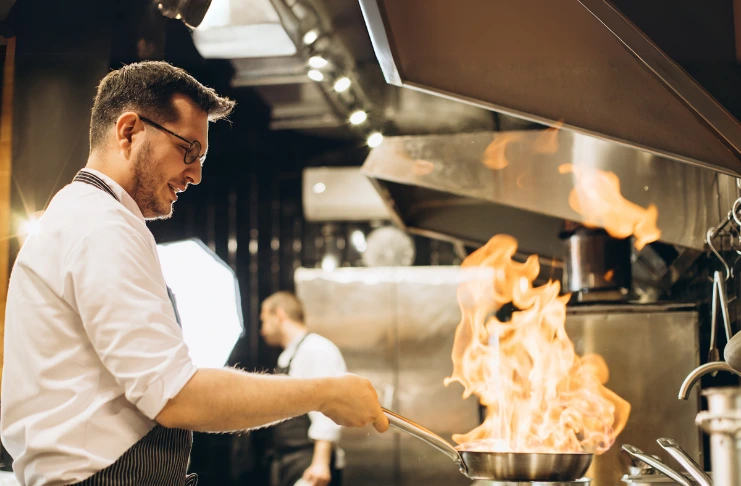

Want to discover the secret behind a thriving restaurant in the restaurant industry? It’s all about knowing how to run a restaurant kitchen efficiently. Whether you’re managing a small bistro or a high-volume dining spot, efficiency is your secret weapon for profitability and customer satisfaction. Master strategic planning, staff coordination, and streamlined workflows, and watch your kitchen transform into a powerhouse of consistent quality, speed, and smooth operations.
Ready to elevate your kitchen game? Let’s dive in.
How Do Restaurant Kitchen Efficiency Strategies Work?
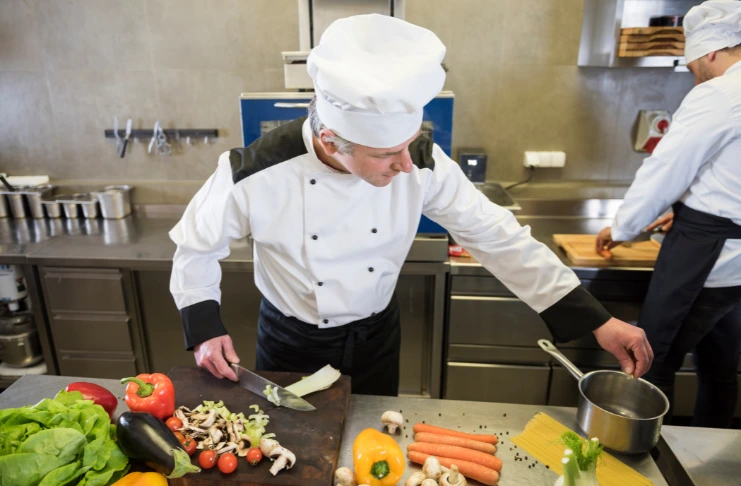
Running a restaurant kitchen efficiently requires more than just speed — it’s about effective kitchen management and creating smart, sustainable systems. The right restaurant kitchen efficiency strategies improve workflow, reduce waste, and boost team performance.
- Arrange kitchen stations for smooth movement and minimal traffic.
- Schedule staff based on demand, especially during peak hours.
- Use inventory software to track stock and cut down on waste.
- Train staff on clear communication and defined roles.
- Standardize prep routines to ensure speed and consistency.
- Keep the pass organized with a designated expediter.
Efficiency comes from constant refinement to ensure service and food quality. Small changes, when consistently applied, make a big impact on your kitchen’s overall performance.
What are Some Essential Restaurant Kitchen Management Tips?

A successful restaurant manager knows that kitchen management relies on clear leadership, defined roles, effective staffing, training, communication, and streamlined operations to ensure consistent efficiency and quality.
Building a Strong Leadership Structure
Strong leadership is key to running a restaurant kitchen efficiently, and with proper training, you can do it too. It shapes the workflow, maintains standards, and keeps the team aligned. For this, restaurant owners and managers can:
- Assign clear roles to head chefs, sous chefs, and line staff to avoid confusion.
- Choose leaders who can manage pressure while motivating the team.
- Foster open communication to quickly solve issues during service.
Implementing Clear Communication Systems
Clear communication is essential to improving kitchen workflow in restaurants. To keep operations running smoothly, you can:
- Standardize language for orders and station calls.
- Set clear protocols for handling special requests.
- Align front- and back-of-house communication.
- Use consistent order calling to reduce errors.
Creating Standard Operating Procedures
SOPs are essential for maintaining consistency and efficiency in the restaurant kitchen. To implement them effectively, you can:
- Document step-by-step procedures for prep, cooking, cleaning, and safety.
- Use SOPs as training tools to onboard new staff quickly.
- Make them easily accessible for quick reference during shifts.
- Regularly update procedures to reflect changes in the menu or equipment.
How to Improve Kitchen Workflow in Restaurants?
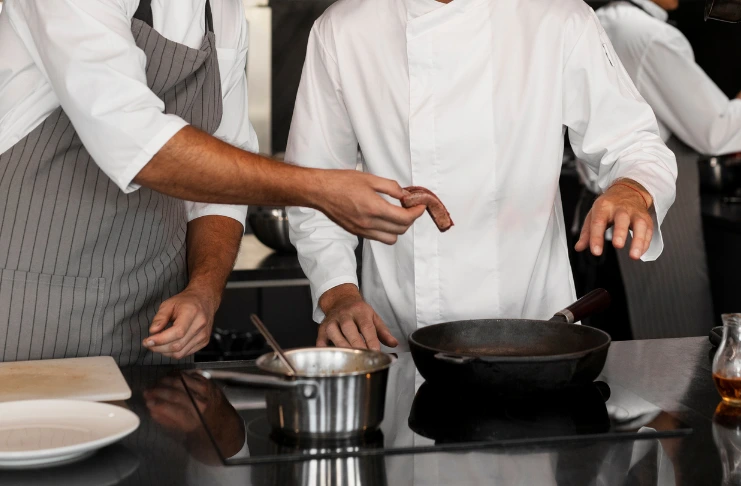
Optimizing your kitchen layout, prep stations, and service flow is essential for creating a seamless workflow that maximizes efficiency and ensures timely, high-quality food delivery.
Optimizing Kitchen Layout Design
The physical layout of your kitchen plays a big role in improving kitchen workflow and food prep in restaurants. To optimize your layout, you can:
- Position prep, cooking, dishwashing, and storage areas for smooth movement.
- Apply the kitchen triangle concept to minimize unnecessary steps.
- Design traffic flow to prevent staff collisions and reduce cross-contamination risks.
- Keep frequently used equipment and ingredients within easy reach.
Designing Efficient Prep Stations
Prep stations are crucial to improving kitchen workflow and ensuring efficient service in restaurants. For efficient prep station setup, you can:
- Equip stations with the right tools and ample workspace.
- Organize ingredients and utensils in the order they’re used.
- Provide proper storage for raw and prepped items.
- Follow food safety practices to prevent cross-contamination.
Streamlining Service Flow
Service flow is vital for ensuring good service speed to run a restaurant kitchen efficiently. To improve service flow, you can:
- Optimize the sequence of cooking tasks across stations.
- Coordinate timing to ensure appetizers, entrees, and sides finish together.
- Enhance communication between kitchen staff to synchronize orders.
- Focus on quick plating and prompt delivery to customers.
What are Some Staff Training and Development Strategies?
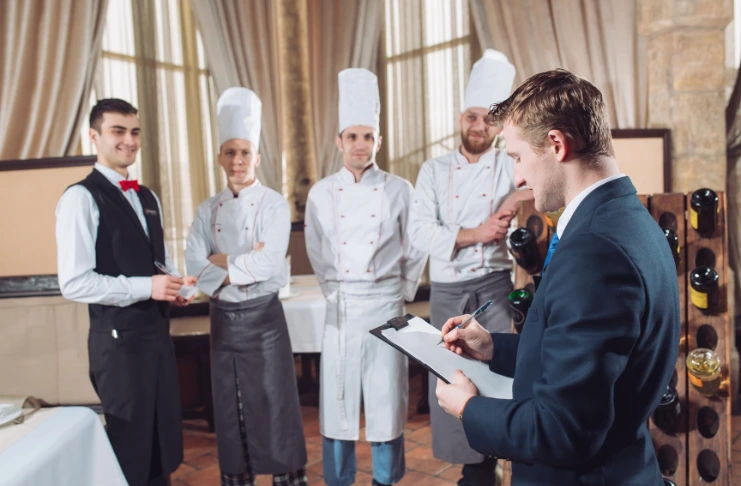
Comprehensive training of kitchen manager duties is vital for boosting kitchen efficiency, reducing errors, and retaining skilled staff.
- Onboard new hires with clear guidance on kitchen culture, systems, and role expectations.
- Cross-train staff to increase flexibility and cover peak periods or absences smoothly.
- Provide regular training updates to keep skills sharp and ensure safety compliance.
How does Menu Engineering Work for Kitchen Efficiency?
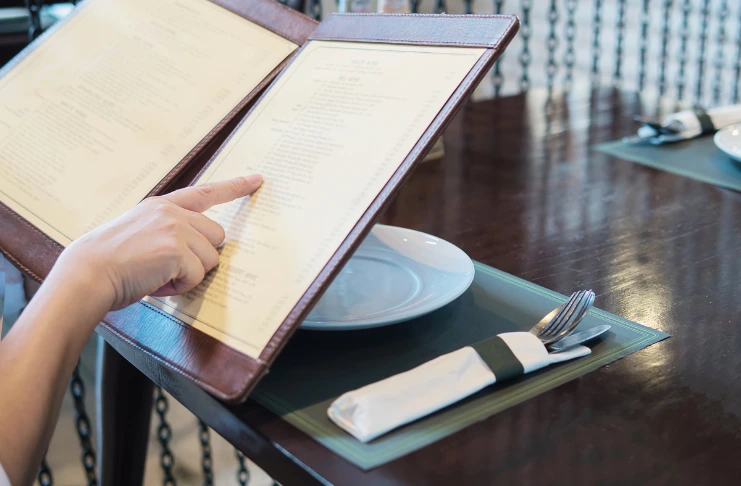
Menu engineering boosts efficiency and profits by aligning cooking dishes with kitchen capacity and customer demand.
Balancing Menu Complexity
Menu complexity plays a big role in improving kitchen workflow and enhancing the dining experience in restaurants. To balance variety with efficiency, you can:
- Group menu items by cooking method or prep time.
- Streamline ingredient use to minimize waste and confusion.
- Simplify dishes with small tweaks instead of adding new complex recipes.
- Coordinate kitchen stations around similar cooking techniques.
Optimizing Ingredient Utilization
Optimizing ingredient utilization for all the food is a key strategy for kitchen efficiency in a restaurant. To improve ingredient use, you can:
- Choose menu items that share common ingredients.
- Design dishes that use whole ingredients to minimize waste.
- Repurpose prep items across multiple recipes.
- Adjust menus seasonally to take advantage of fresh, affordable produce.
Streamlining Cooking Processes
Streamlining cooking processes is essential for improving kitchen workflow. To optimize cooking, you can:
- Use batch cooking and pre-cooking for faster assembly.
- Organize cooking sequences to reduce wait times and bottlenecks.
- Balance equipment use by timing dishes that share appliances.
- Start long-cooking items early to sync with quicker dishes.
What are Some Technology Integrations for Modern Kitchens?

Technology integration, like online ordering, enhances kitchen efficiency by streamlining processes, improving communication, and providing useful data, but it should support—not complicate—your team’s work. Chipotle regained customer trust by prioritizing food safety, backed by technology that enforced strict standards. This led to a 20% reduction in food waste, faster peak-hour service, and higher customer satisfaction, ultimately boosting sales and profitability.
Kitchen Display Systems
Kitchen display systems (KDS) help bridge the gap between the kitchen and dining room by being a powerful tool for improving kitchen workflow in restaurants. To leverage KDS effectively, you can:
- Replace paper tickets with digital order screens for better accuracy.
- Organize orders by prep time and highlight special requests clearly.
- Track ticket times to monitor kitchen performance.
- Use KDS analytics to identify bottlenecks and optimize processes.
Implementing KDS boosts order accuracy, reduces waste, and enhances overall kitchen efficiency.
Inventory Management Software
Digital inventory management systems are essential restaurant kitchen management tools for boosting efficiency. To maximize their benefits, you can:
- Track ingredient usage and predict ordering needs automatically.
- Integrate with point-of-sale data to keep inventory accurate. The U.S. POS terminal market is set to grow from USD 29.11 billion in 2025 to USD 44.63 billion by 2030, with an 8.92% CAGR.
- Save time by reducing manual counts and minimizing waste.
- Use cost analysis features to optimize menu pricing and profitability.
Digital inventory systems streamline operations and help maximize your kitchen’s profitability.
Communication Applications
Digital communication apps play a vital role in improving kitchen workflow and creating a memorable dining experience in restaurants. To enhance coordination, you can:
- Share real-time updates on order status and special requests.
- Facilitate seamless communication between kitchen stations and front-of-house staff.
- Integrate with restaurant management systems for a unified operational view.
- Enable managers to quickly address issues and optimize service.
Using digital communication tools boosts teamwork, speeds up service, and improves overall efficiency.
How to Control Quality and Ensure Food Safety?
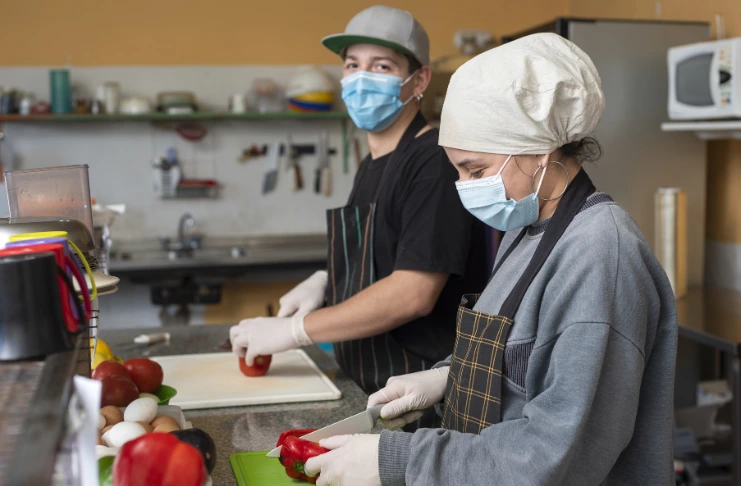
Quality control and food safety protect customers and reputation by ensuring consistent, safe food through thorough, updated procedures.
Implementing HACCP Principles
Implementing HACCP principles is crucial for maintaining food safety and restaurant kitchen efficiency. To apply HACCP effectively, you can:
- Analyze food preparation steps to identify potential hazards.
- Establish critical control points to prevent or eliminate risks.
- Monitor and document safety measures consistently.
- Integrate food safety into daily kitchen operations.
Following HACCP ensures safer food handling and builds trust with your customers while keeping your kitchen running smoothly.
Establishing Temperature Monitoring
Temperature monitoring is essential for food safety and quality. To keep it effective, you can:
- Monitor storage, cooking, and holding temperatures regularly.
- Use digital systems for automated tracking and alerts.
- Maintain records for compliance and quality control.
Creating Cleaning and Sanitation Schedules
Comprehensive cleaning and sanitation schedules are key to maintaining kitchen hygiene and efficiency. To implement them effectively, you can:
- Outline cleaning tasks, frequencies, and methods for all surfaces and equipment.
- Integrate sanitation into daily kitchen operations to ensure consistency.
- Document cleaning activities for regulatory compliance.
- Ensure cleaning doesn’t disrupt food preparation workflows.
Consistent cleaning keeps your kitchen safe, efficient, and compliant with health standards.
How to Control Cost and Manage Budget?

Cost control and budget management keep your kitchen profitable by monitoring food costs, labor, and efficiency, while regularly adjusting to maintain quality and reduce waste.
INDUSTRY INSIGHTS
| Approximately 75% of U.S. restaurants face profitability challenges due to difficulties in managing food costs, underscoring the importance of effective kitchen management. |
Monitoring Food Cost Percentages
Tracking food cost percentages is key to kitchen efficiency and profits. To manage costs, you can:
- Monitor costs regularly and compare them to benchmarks.
- Analyze costs by dish and overall kitchen.
- Spot waste and control overspending.
- Use data to optimize menu pricing.
Effective Portion Control and Food Waste Reduction
Consistent portion control and waste reduction boost profitability and sustainability. To achieve this, you can:
- Use standardized recipes and precise measuring tools.
- Train staff on proper portioning and food handling.
- Monitor portion sizes and waste regularly.
- Improve inventory management and menu planning.
- Repurpose trimmings and leftovers creatively.
These steps help cut costs, reduce waste, and satisfy customers.
How to Maintain Equipment and Kitchen Safety?
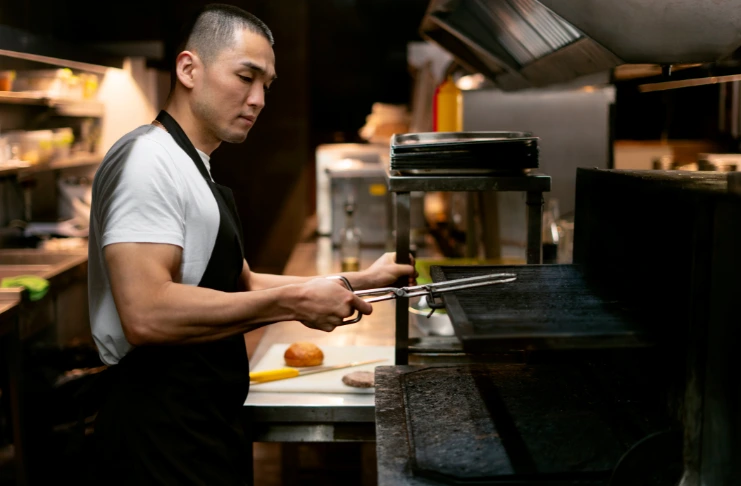
Regular equipment maintenance and safety programs ensure reliable, efficient, and safe kitchen operations.
Developing Preventive Maintenance Schedules
Preventive maintenance schedules are vital for keeping kitchen equipment running smoothly. To maintain equipment effectively, you can:
- Follow the manufacturer’s guidelines and usage data for scheduling.
- Assign clear responsibilities for maintenance tasks.
- Document all maintenance activities consistently.
- Use records to spot issues and improve equipment performance.
Comprehensive Safety Training and Emergency Preparedness
Comprehensive safety training is essential for protecting kitchen staff and ensuring smooth operations during emergencies.
- Cover equipment use, chemical handling, fire safety, and emergency procedures
- Provide hands-on practice to build confidence
- Hold regular refresher sessions to maintain awareness
- Update training regularly to keep safety knowledge current
- Encourage consistent safety practices throughout service
Why is Measuring and Improving Performance Important?

To run a restaurant kitchen efficiently, it’s important to focus on key performance measures and ongoing improvement. Managers and owners should:
- Use KPIs like ticket times, food costs, customer satisfaction, and safety rates to set clear goals.
- Monitor KPIs regularly to identify trends and guide decisions.
- Adjust KPIs as business needs change.
- Conduct performance reviews focused on actions and results.
- Collect feedback from observations, customers, and data.
- Identify training and development needs during reviews.
- Involve staff in suggesting and testing improvements.
- Regularly assess efforts and implement effective changes.
This structured approach ensures your kitchen stays efficient, adaptable, and aligned with business goals.
Conclusion
Mastering how to run a restaurant kitchen efficiently isn’t just about improving your bottom line—it’s about creating an unstoppable operation that delivers exceptional food, lightning-fast service, and lasting customer satisfaction. By focusing on strategic management, constant improvement, and unwavering safety, you’ll transform your kitchen into the beating heart of your restaurant’s success. Remember, in today’s competitive food scene, efficiency isn’t just an option—it’s your ultimate game-changer.
Ready to make your kitchen a well-oiled, high-performing machine? Let’s turn that vision into reality!
Frequently Asked Questions
1. How to be more efficient in a restaurant kitchen?
To be more efficient in a restaurant kitchen, optimize the layout, train staff, use technology, standardize prep, and track KPIs.
2. What is the rule number 1 in the kitchen?
The number one rule in the kitchen is to prioritize food and personal safety above all else.
3. What does 86 mean in a restaurant kitchen?
In a restaurant kitchen, 86 means that an item is sold out or unavailable.
4 . How to manage a restaurant kitchen?
To manage a restaurant kitchen, assign clear roles, train staff, control inventory, and monitor performance.
5. How to manage a kitchen in a restaurant?
To manage a kitchen in a restaurant, organize the layout, communicate well, schedule smartly, and maintain equipment.
6. How to become a better kitchen manager?
To become a better kitchen manager, improve leadership, control costs, stay updated on safety, and lead by example.
7. How to run a restaurant kitchen efficiently?
To run a restaurant kitchen efficiently, streamline workflow, use technology, train staff, and monitor KPIs regularly.
8. How do you organize a kitchen for efficiency?
To organize a kitchen for efficiency, apply the kitchen triangle, group tasks, and keep tools within reach.
9. How to make a restaurant kitchen cooler?
To make a restaurant kitchen cooler, enhance ventilation, manage equipment heat, use LED lights, and promote hydration.
10. How does the kitchen brigade system make a restaurant kitchen more efficient?
The kitchen brigade system makes a restaurant kitchen more efficient by creating clear roles and hierarchy to improve communication and workflow.