
With over 2 billion active users, WhatsApp provides a direct and personal channel for restaurants to communicate with customers, enhancing customer engagement and loyalty.
WhatsApp marketing for restaurant businesses is a tool for customer retention and conversion, turning first-time visitors into loyal repeat customers at no extra cost to the restaurant.
What You Will Learn
- The key benefits of WhatsApp marketing for restaurants
- Proven strategies across reservations, loyalty programs, and customer engagement
- How to set up your business profile and get started compliantly
- Common mistakes to avoid and how to measure results
Key Benefits of WhatsApp Marketing for Restaurants
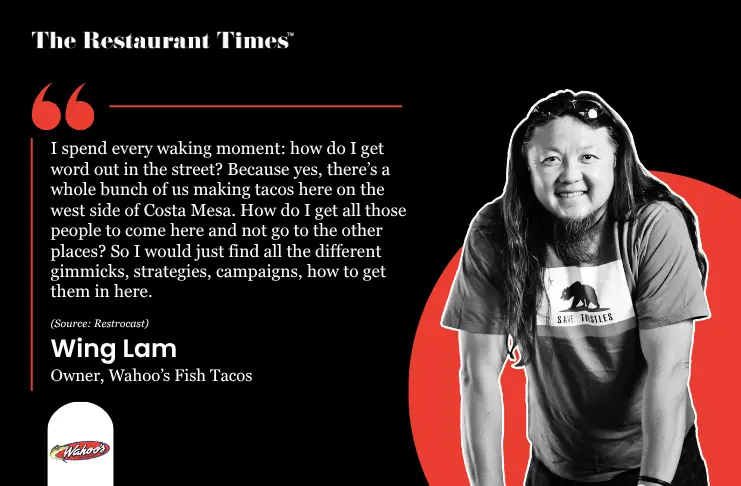
Wing Lam, Owner of Wahoo’s Fish Tacos, mentioned in the Restrocast Podcast how he spent a lot of time wondering how to get the word out. WhatsApp is one way to do so.
The main advantages of WhatsApp marketing for restaurants include promotions, automated replies, and building a customer base through personalized communication, making it an effective engagement technique. First and foremost, the following advantages can be considered:
- Larger coverage: WhatsApp messages get delivered instantly to those devices that customers check most often
- Two-way communication: WhatsApp can be used for instant two-way communication regarding food inquiries and table reservations
- Ordering: Restaurants can use catalogs in WhatsApp to show their menu with pictures and prices, and even place an order directly without using services such as Uber Eats, which charge a 25 to 35% commission
- Reservation: WhatsApp can be used to make table reservations directly via chat
Watch how you can use WhatsApp for Business:
Customer Engagement Strategies That Boost Sales
WhatsApp Marketing allows restaurants to send promotional messages, automate responses, and build relationships with customers, making it a powerful tool for engagement. Personalizing messages by referring to past orders can enhance customer engagement.
INDUSTRY INSIGHT
| Third-party delivery applications take a commission of 15%-30% from every order made through them. |
If you can establish an ordering system on WhatsApp that captures even 15% of your delivery orders, then you could be generating extra profit each month without depending on any application. This is the power of WhatsApp marketing.
Reservations and Reducing No-Shows
Restaurants can confirm bookings using WhatsApp by providing specific details such as timing and the number of people. WhatsApp can also be used to automatically send reminders to customers on the day of their booking. This strategy of confirming bookings with a reminder is one of the most valuable ways for restaurants to use WhatsApp marketing.
Customer Loyalty Programs and Brand Loyalty
Replace the traditional system of paper punch cards with WhatsApp to record diner visits and send customized promotions based on past visit records. Tailoring communication by mentioning past orders in messages will increase customer interaction and foster loyalty. Using WhatsApp to collect customer data can help segment them and create personalized marketing promotions. Through a segmented list, restaurants can target their best customers, dormant customers, and those celebrating birthdays, each getting a customized message.
Customer Support and Dining Experience
Using automated chatbots can help handle frequently asked questions about operating hours and menu items, freeing staff to focus on in-house service. Collecting immediate feedback after a meal allows restaurants to address negative experiences quickly and gather positive reviews while the dining experience is still fresh in diners’ minds.
How to Set Up Your Business Profile and Business API: A Complete Guide
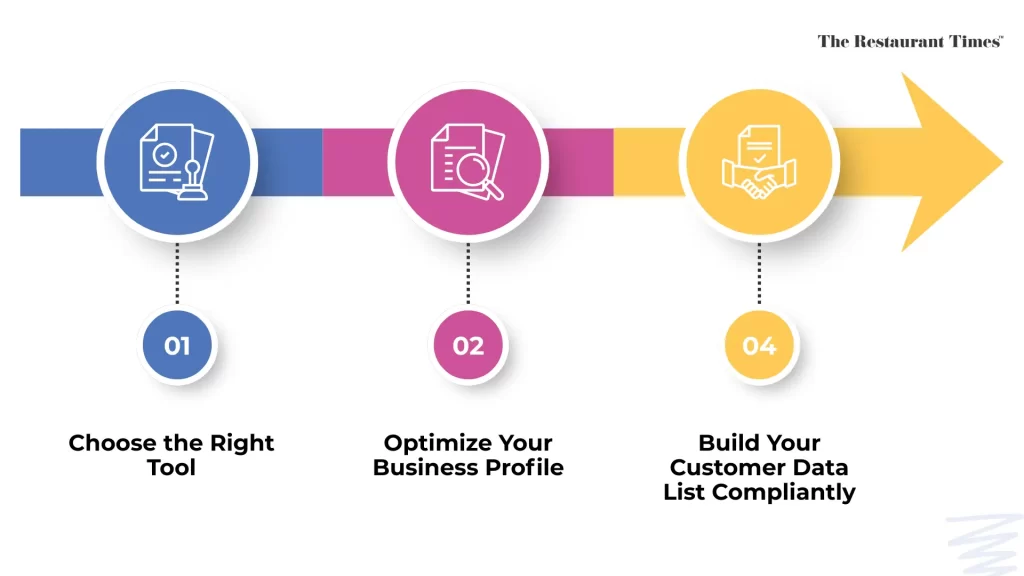
WhatsApp APIs can be used to connect chat to CRM systems, improving contact management and customer engagement. This is how you set your WhatsApp business profile:
Step 1: Choose the Right Tool
For restaurants with fewer than 1,000 contacts, WhatsApp Business can be the first choice, free of charge. For 10,000+ contacts per month or when integration with CRM/POS software is critical, the WhatsApp Business API is necessary.
Step 2: Optimize Your Business Profile
Fill in your business profile by adding your restaurant’s name, address, operating hours, menu link, and a description. A completed business profile helps build credibility and answers the most common customer queries without waiting for their questions. Create automated messages to reply in specific situations, such as a welcome message, an away message when you are not online, and frequently asked questions.
Step 3: Build Your Customer Data List Compliantly
Collecting customer consent through QR codes or in-store sign-ups is vital for complying with privacy regulations. A QR code placed at the table, printed on receipts, or displayed at checkout gives customers a frictionless way to opt in. Restaurant businesses must comply with privacy policy requirements by obtaining customer consent before running their marketing campaigns. The introduction of exclusives like “WhatsApp only promotions” makes them sign up and adds them to your list.
Promotional Campaigns, Customer Experience, and Event Announcements

With WhatsApp, restaurants can alert patrons to special deals, new menus, and events, engaging them more effectively through customized messages. You can send broadcast messages to multiple selected contacts simultaneously without creating any groups.
Use attractive visuals for your latest food items or events, such as live music nights, and include direct booking links. Promotional messages can be sent to inactive customers with a great deal to lure them back to dining at your place.
KEY TAKEAWAYS
| – The WhatsApp marketing platform serves as a high-open-rate, cost-effective way for restaurants to handle reservation management, deliver promotions, develop loyalty programs, and solicit feedback. – Integration through the WhatsApp Business API allows for seamless linking with POS and CRM platforms for more intelligent messaging. – Restaurants that reply within two minutes and keep messages short, visual, and valuable will achieve better customer engagement results |
Frequently Asked Questions
1. How do I start WhatsApp marketing for my restaurant?
Download the WhatsApp Business app, complete your business profile with hours, address, and a menu link, then create a QR code for in-store opt-ins. Offer an exclusive discount to first-time subscribers and send your first broadcast once you have a compliant opt-in list.
2. How much does WhatsApp marketing cost for restaurants?
The WhatsApp Business app is free. Third-party tools that provide the business API, automation, and analytics range from $49 to $150 per month.
3. How do I get customers to opt-in to WhatsApp marketing?
Put QR codes in tables, receipts, and checkout points with an offer like an exclusive discount to opt in. You can also promote through social media with a direct link, since your customers have to contact you before they are in compliance.
4. Can I take food orders through WhatsApp?
Yes. Restaurants can leverage the catalog module to display their dishes with photos and prices. This will enable customers to view and order through the messaging module.
5. What are WhatsApp marketing best practices for restaurants?
Messages should not exceed 50 words; there should be only one call to action in each message; and messages should be sent at appropriate times, such as Tuesday mornings for lunch deals and Thursday afternoons for weekend bookings. Keep track of your unsubscribe rate: If it is above 5%, then you are over-messaging.
6. What are the benefits of WhatsApp marketing for restaurants?
A 98% open rate ensures promotions reach customers; direct reservation management reduces no-shows; a direct ordering channel avoids third-party commissions; and personalized loyalty programs drive repeat business without requiring app downloads.
7. What types of messages should restaurants send on WhatsApp?
Reservation confirmations and reminders, delivery updates, menu updates with new dishes, exclusive discounts, event announcements such as live music nights, post-meal feedback requests, and birthday offers. Limit promotional messages to two per week to protect engagement and customer satisfaction.