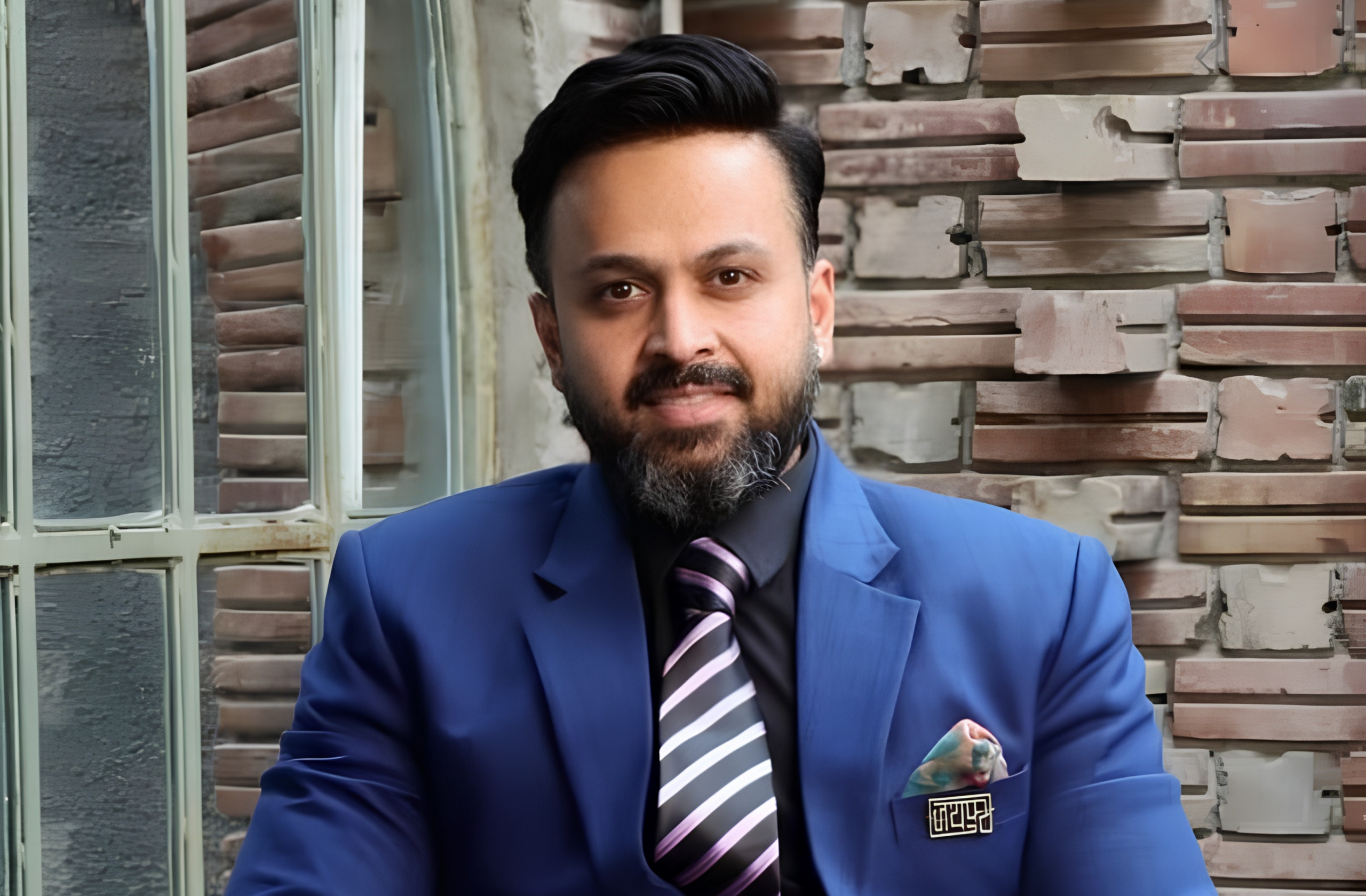

Vishal Jalani is a foodie first and an entrepreneur later. For him, food is like Aphrodite, the Greek goddess of love and beauty, and nothing makes him happier than seeing customers enjoying their food at Brown Sugar.
With his passion, drive, and keen business knowledge, Jalani started Brown Sugar in 2011 with a staff of 8 in C Scheme, the heart of Jaipur. With patience, grit, and repetitive iterations, Brown Sugar was able to scale up to 14+ outlets, based on COCO and FOCO models and a 12,000 sq. ft. centralized kitchen to fuel the operations.
Over these years, team Brown Sugar grew from 8 members to 200-plus, building different capacities and capabilities, acquiring essential know-how, and, most importantly, understanding the needs of consumers in a model tier 2 city like Jaipur.
Brown Sugar over the years has become one of the most trusted food brands in Jaipur and has been able to create burgeoning customer loyalty, strong brand equity, and paramount disruption in the food scene of Jaipur through constant innovation.
“Tell me I can’t, and I will embarrass you” is the mantra Jalani has coined and swears by, one that has served as a pillar of strength for the entire Brown Sugar team as it takes on newer challenges.
In an exclusive conversation with The Restaurant Times, Vishal Jalani, Managing Director and CEO of Brown Sugar, spoke about his journey in the F&B industry and how he took his business into the cloud kitchen segment.
The Journey into the Restaurant Industry
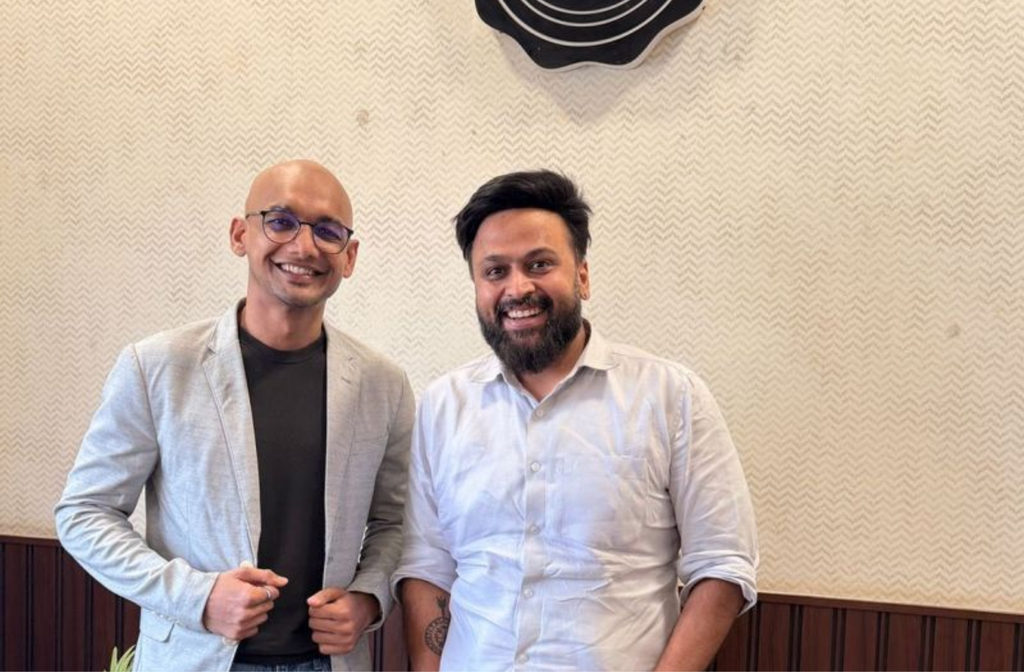
Jalani’s start in the industry goes back 15 years, and it came from an unlikely place: the film industry, which is his family legacy. He used to take care of the business his family had, but something inside him wanted to only make and serve good food. He switched gears, convinced his father and his family, and made the move to the food industry.
“The film industry is a very comfortable line of work; you get up late, you sleep early, or you just party more; it’s more glamorous than work,” Jalani said. “And if we talk about the food and beverage industry, it’s more laborious work. It takes a lot of effort from you. It’s quite taxing, very honestly speaking.”
His father had warned him it wouldn’t be easy. Jalani wanted to start with a franchise of a reputed bakery, and the journey began in 2011 with a team of two or three like-minded people and a single outlet. He had no experience in the industry, but with time, the team learned a lot and realized there was a huge vacuum to fill. At the time of the conversation, Brown Sugar had 12 stores operational in Jaipur, one in Jodhpur, and close to five others in the works, set to open soon.
The Mind Behind Brown Sugar’s Innovation
A lot of the brand’s innovation comes from a dedicated R&D team that plans the menu meticulously every month across food, beverages, bakery, and pastry.
“I’ll be very honest, we have introduced things like Babaji Found You Doll, McNiff Auntie with Blue Cheese, and Limbo Cherry Kesariya, a Burmese concept,” Jalani said. “We’re doing all crazy things like this, and I’ll be very honest, the people of Jaipur who trust us buy a lot of these items.”
He credits the team for the execution, saying he simply tells them what needs to be done and they turn it into a wonderful product, one that gets covered by newspapers almost every time Brown Sugar makes something new, given the brand’s reputation for innovation.
Navigating the Pandemic
The pandemic was a tough stretch for the F&B industry, but Jalani used it to get to things that had been pending for two or three years. The team reworked its SOPs, built a five-year benchmark for the company, and ventured into new concepts like cloud kitchens.
“In hindsight, I would say that the pandemic has, in fact, helped us out to plan future activities for the coming five or 10 years,” he said.
The brand ran a number of experiments during this period that customers responded well to, calling it a decent time overall.
A 10,000-square-foot production facility that had never been fully utilized before the pandemic found new purpose afterward, feeding into new outlets built with bigger kitchens.
The Future of Cloud Kitchens
Jalani is careful not to overstate the opportunity. “I won’t say so on a 100% basis,” he said when asked whether cloud kitchens are the future of the industry. He pointed to Rebel Foods, India’s biggest cloud kitchen chain, which operates a variety of smaller brands under it, like Faasos, as an example.
Cloud kitchen operations save money, but building brand presence is harder without people first seeing and experiencing the brand. His view is that a business needs at least one physical outlet, a “face outlet,” to build that association before diversifying into cloud kitchens.
Brown Sugar runs close to four to five face outlets alongside six to seven kitchens. People order because of their experience at the face outlet, and once that in-house experience is right, the brand has built enough credibility to expand into cloud kitchens.
Catering and New Service Formats
Catering became a major focus during the pandemic and helped the business scale significantly. Much of the current catering work happens at smaller venues, sometimes no bigger than a two-BHK flat with around 20 guests, where the kitchen is too small to run a buffet service. For these events, Brown Sugar prepares all the food at its factory and handles only garnishing and heating on-site before serving guests, an approach Jalani describes as new to the industry.
A food truck was also in the pipeline at the time, expected to be ready within a month, allowing the brand to prepare and serve food directly on-site.
Trends Shaping the Restaurant Industry
Staying in sync with the market and its cultural shifts matters as much as controlling costs, Jalani said, pointing to the difficulty of sustaining a standalone restaurant once expenses climb too high.
Post-pandemic, he observed a wave of interest in healthier food options, gluten-free diets, and dairy-free products, though he views some of it as a passing fad, noting people trying it for a day and quitting the next.
The more lasting shift he’s seen, across India and globally, is a preference for buying from established brands over roadside options due to hygiene concerns, something he sees as a golden window for people looking to build and expand restaurant businesses. Cheese, he added, is catching on fast, showing up in everything from sandwiches to Maggi to pasta-style parathas, and zero-oil pizza has also been a trend Brown Sugar has leaned into.
Vision for Brown Sugar
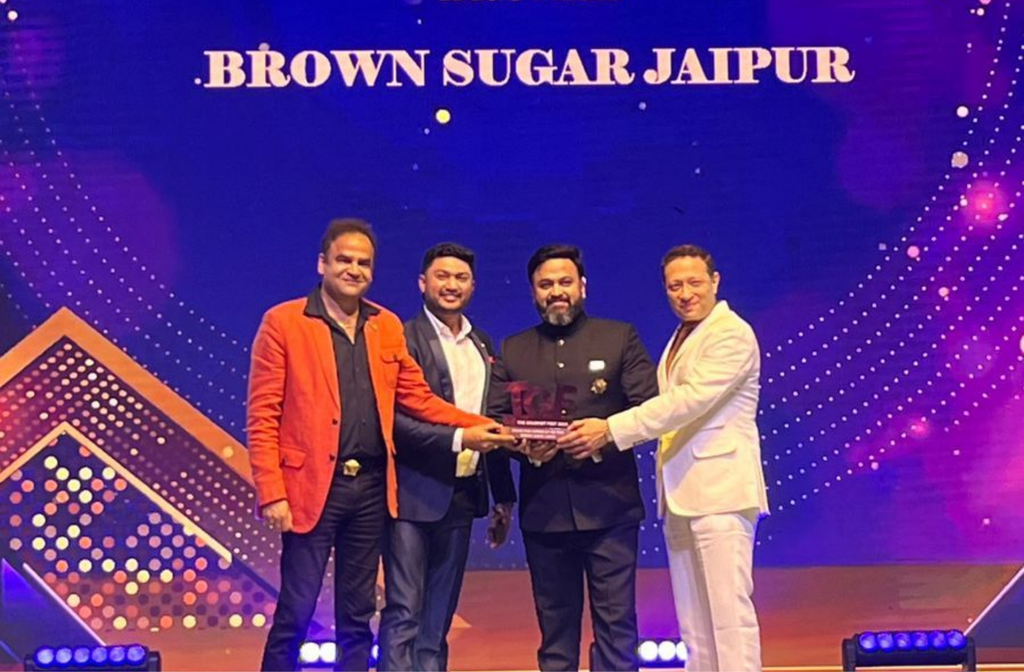
Jalani’s plans for the brand span three verticals.
The first is expanding its physical presence in the states already mentioned.
Alongside that, the brand plans to grow its cloud kitchen presence through the same outlets, a move that could meaningfully increase sales.
The third vertical, catering, is one Jalani wants to keep focused only on Rajasthan for now, with no plans to expand catering to other states, even as retail continues to grow elsewhere.
Advice for Aspiring Entrepreneurs
Jalani has watched many people, including friends, enter the food business, with a low success rate because they don’t understand the business itself.
His message is to research the market thoroughly and offer good food. Many new entrants assume they can hire someone from the industry to run things for them, but Jalani believes it has to be treated as full-time work.
“Do your research thoroughly and start as if it were your only business, not a side business,” he said.
Good billing software matters too, particularly for entrepreneurs who want to track the numbers themselves, since revenue leakage is a real risk without it.
His other piece of advice is not to get involved in everything. He’s seen restaurants and standalone businesses succeed by recruiting a strong team capable of planning and executing day-to-day operations.
Brown Sugar Today
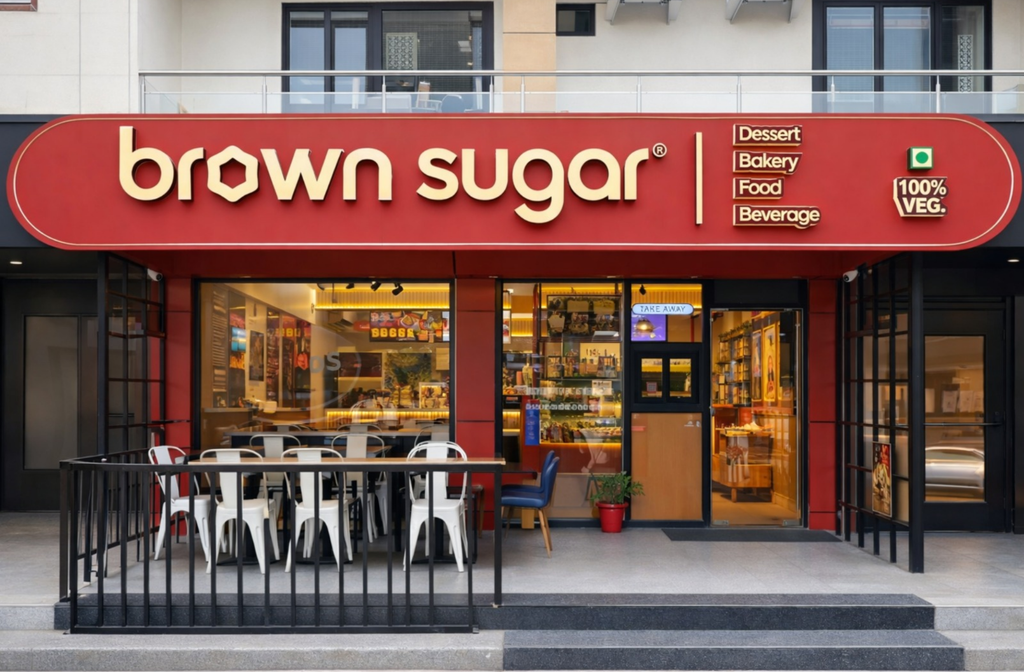
The growth Jalani mapped out in that conversation with us has continued to play out.
Brown Sugar scaled from around 12 outlets in Jaipur to 14-plus outlets by 2025, with additional stores in Jodhpur and more in the pipeline.
By 2026, Jalani had set his sights beyond Rajasthan altogether, announcing plans to expand into Southeast Asia, targeting up to 150 outlets in the medium term, with a focus on bakery cafés and HoReCa (hotel, restaurant, and catering) supply chains.
As for the cloud kitchen, the strategy Jalani described has held steady, with the brand continuing to balance face outlets with delivery-only kitchens to manage costs while keeping its brand presence intact.
The flying buffet and catering format has also expanded, with food prepared centrally and finished on-site, including further experimentation with food trucks. On the product side, Brown Sugar’s monthly menu R&D has kept up its pace of quirky, experimental additions, from fusion desserts to Burmese-inspired dishes to a Biscoff cheesecake, alongside cheese-heavy offerings, while hazelnut-based products and premium cakes have become signature draws for the brand.
Brown Sugar has also solidified its position as Jaipur’s leading bakery café chain, built on strong loyalty and recognition, and has expanded into HoReCa supply, providing bread and bakery products to hotels, restaurants, banks, and sports teams including the Rajasthan Royals.
Next, the brand’s plans include growing retail presence across Rajasthan and beyond, keeping catering services Rajasthan-centric while earmarking retail and cloud kitchens for national and international growth, and adopting advanced bakery machinery to scale production while reducing manpower needs.