

How you manage your restaurant inventory can make or break your business. Poor inventory management leads to wasted food, inflated costs, and frustrated customers. Getting it right means better profit margins, reduced waste, and smoother operations.
This guide outlines proven strategies for effective restaurant inventory monitoring. You’ll learn practical steps that actually work in real kitchens. Let’s get into it.
Why Does Restaurant Inventory Management Matter So Much?
Your food costs directly impact your bottom line. When you lose control of inventory, you lose money. Spoiled ingredients, over-ordering mistakes, and theft all eat into your profits.
The National Restaurant Association found that 75% of restaurants struggle to make a profit due to inventory and food cost management challenges.
Effective restaurant inventory management eliminates guesswork that leads to costly mistakes. It helps you understand exactly what you have, what you need, and what you’re spending.
What Are the Main Types of Restaurant Inventory?
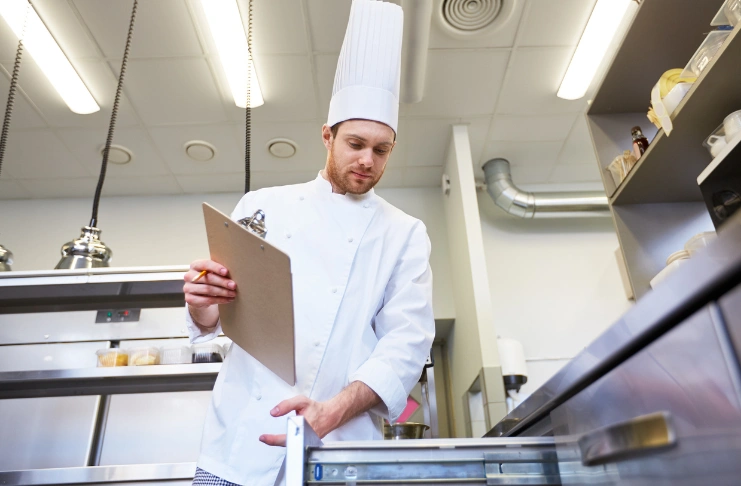
Understanding different inventory types helps you create better tracking systems for managing inventory effectively.
Food Inventory: This includes all perishable and non-perishable ingredients. Fresh produce, meat, dairy, canned goods, and dry storage items represent your biggest expense and need the most attention in your food inventory management system.
Beverage Inventory: Your beverage inventory includes alcoholic and non-alcoholic drinks. Wine, beer, spirits, sodas, juices, and coffee all need tracking. Alcoholic beverages often have higher theft rates and stricter regulations.
Supplies and Equipment: Cleaning supplies, paper products, utensils, and kitchen tools fall into this category. While less expensive than food inventory, these items add up quickly and are essential for daily operations.
How Do You Set Up Effective Inventory Tracking?
Setting up your inventory tracking system requires planning and consistency. Start with these fundamental steps that create a robust inventory management system.
- Choose specific areas for storing each type of sitting inventory.
- Organize your walk-in coolers, dry storage, and freezers with clear sections.
- Label everything clearly so staff know exactly where items belong.
- Create a master list of all menu items and their ingredients, including portion sizes and recipes.
This list becomes your foundation for calculating how much inventory you actually need.
Establish regular counting schedules based on your inventory turnover rates. Count perishables daily, dry goods weekly, and beverages based on your volume.
Train your staff on proper inventory management procedures so everyone who handles inventory knows how to count, record, and store items correctly.
What’s the Best Inventory Method for Counting?

Whatever counting method you choose will affect the accuracy and efficiency of your inventory tracking process.
The ABC Method: Categorize items by value and importance. “A” items are high-value ingredients that need daily attention. “B” items are moderately important and get counted several times weekly. “C” items are low-value items. You can count inventory weekly or monthly.
First In, First Out (FIFO): Always use the older inventory first. Date everything when it arrives and train staff to grab items from the front. This will help reduce spoilage significantly.
Perpetual Inventory System: Track inventory changes in real-time as items are received and used. This method requires more work upfront, but gives you constant visibility into stock levels.
Periodic Inventory Counts: Take complete inventory counts at regular intervals. Most restaurants do this weekly or monthly for their inventory system.
How Often Should You Count Restaurant Inventory?
The frequency of your physical inventory count depends on your restaurant size, volume, and inventory turnover rates. High-volume restaurants need more frequent counts to maintain accurate inventory levels.
If you serve hundreds of customers daily, count inventory for perishables every day and dry goods twice weekly. Lower-volume establishments can count perishables every other day and dry goods weekly.
Count expensive items more often because mistakes with premium steaks, seafood, and wine cost serious money.
INDUSTRY INSIGHT
| Operators who conduct weekly inventory counts and meticulously calculate the cost of sales can add between 2% and 10% to their bottom line by identifying sales trends and maintaining proper ingredient par levels. This discipline helps prevent stockouts, reduces spoilage, and improves order accuracy. Over time, it builds a tighter feedback loop between purchasing, prep, and profitability. |
What Technology Should You Use for Restaurant Inventory Software?

Restaurant inventory management software eliminates many manual tracking headaches. The right technology streamlines processes and reduces errors in your inventory monitoring.
Modern POS systems integrate with almost every inventory management feature. When servers ring up orders, the POS system automatically deducts ingredients from your inventory counts. This real-time tracking helps prevent stockouts during busy periods and maintains accurate stock levels throughout service.
Mobile apps let you count inventory anywhere in your restaurant using just a few clicks. Instead of writing on clipboards and transferring data later, staff can enter counts directly into the system using tablets or smartphones.
Cloud-based systems allow you to access inventory data from anywhere, letting you check stock levels from home or compare costs while shopping.
95% of restaurant operators say that technology improves the overall efficiency of their operations, and 78% check metrics daily through their inventory software.
How Do You Calculate Food Costs Accurately?
Since the basic food cost formula is:
(Beginning Inventory + Purchases – Ending Inventory) ÷ Total Food Sales = Food Cost Percentage
You must track your beginning inventory, purchases, and ending inventory.
Track your beginning inventory value at the start of each period, add all food purchases during that period, then subtract your ending inventory value. Divide by total food sales to get your food cost percentage.
Calculate theoretical food costs based on recipes and portion sizes, then compare these to your actual costs from inventory counts.
Large differences indicate problems with portions, waste, or theft. Most restaurants aim for food costs between 28% and 35% of revenue, though this varies significantly based on your concept and market.
How Can You Reduce Food Waste Through Better Restaurant Inventory Monitoring?
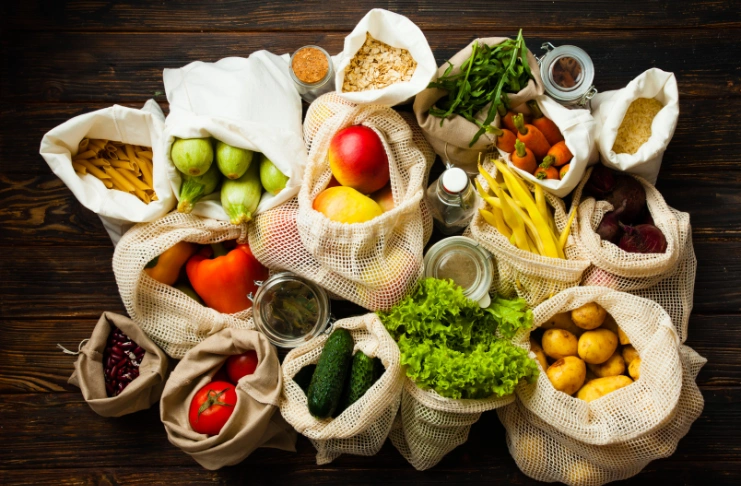
Food waste kills profits and hurts the environment. Smart inventory practices dramatically reduce waste and save money while helping you minimize food waste.
- Standardize Portions: Use measuring tools consistently and train kitchen staff on exact portions. Even small portion variations add up to significant waste over time.
- Engineer Your Menu: Focus on popular items that use similar ingredients. Ten to fifteen essential menu items account for nearly 50% of sales. In fact, a study found that 80% of a restaurant’s sales come from just 16% of the menu items.
- Plan Daily Prep: Base prep on sales forecasts and current inventory levels. Don’t prep more than you can reasonably sell within safe holding times.
- Monitor Expiration Dates: Implement strict FIFO rotation and track how much food expires before use. This will help you adjust your ordering patterns.
- Train Staff on Waste Reduction: Educate your team on proper storage, handling, and preparation techniques that reduce waste throughout the operation.
Up to 10% of the food restaurants purchase gets thrown out before reaching consumers. Proper inventory management helps identify and eliminate the causes of this waste.
What Are Par Levels and How Do You Set Them?
Par levels represent the minimum amount of each item you should maintain to meet customer demand without excess sitting inventory. Setting appropriate par levels prevents both stockouts and overstock situations that hurt your cash flow.
Calculate par levels based on usage rates and delivery schedules. If you use 20 pounds of ground beef daily and get deliveries twice weekly, your par level should cover at least 3.5 days of sales plus a small buffer.
Account for seasonal variations and special events like holidays, local festivals, and weather patterns that affect customer demand.
Review and adjust par levels monthly as your business grows or menu changes. Always maintain some safety stock above your calculated par levels because delivery delays, unexpected busy periods, and supplier issues happen regularly.
How Do You Handle Vendor Management for Better Inventory Control?

Your relationships with suppliers directly impact inventory management success and your cost of goods. Good vendor management reduces costs and improves consistency across your supply chain.
Don’t rely on single suppliers for critical ingredients. Having backup suppliers ensures you can maintain inventory levels even when primary vendors have problems. Coordinate delivery schedules with your inventory counts and par levels, scheduling deliveries after inventory counts when possible to maintain accurate inventory records.
Clearly communicate quality standards to all vendors because rejecting substandard deliveries protects your reputation but disrupts inventory plans. Track vendor performance over time, monitoring delivery reliability, product quality, and pricing consistency to make smarter purchasing decisions.
What Reports Should You Generate From Your Inventory Data?
Regular reporting turns inventory data into actionable insights for restaurant managers. Generate these reports to stay on top of your operation and track your inventory consumption effectively.
Daily Flash Reports: Track inventory usage for high-value items and monitor how much inventory you consume compared to sales. Unusual patterns indicate problems that need immediate attention.
Weekly Cost Analysis: Compare actual food costs to budgeted amounts weekly and break down costs by category to identify specific problem areas. This frequency allows quick corrections before problems compound your labor costs.
Monthly Variance Reports: Analyze inventory shrinkage and waste patterns monthly, identifying items with high loss rates and investigating causes. Track inventory turnover for different categories because slow-moving items tie up cash and risk spoilage.
How Do You Train Staff on Proper Inventory Management?

Your inventory system only works if staff follow procedures consistently. Proper training creates accountability and accuracy in your inventory tracking process.
Document every inventory procedure in writing, including receiving protocols, storage requirements, counting methods, and reporting procedures.
Train new staff through demonstration and practice rather than just explaining procedures. Have them practice under supervision to build confidence and competence.
Schedule monthly refresher sessions for all staff involved in inventory management. Review procedures, address questions, and reinforce the importance of accuracy.
Create accountability through regular audits and feedback, checking staff work periodically, and providing constructive feedback.
What Common Inventory Management Mistakes Should You Avoid?
Learning from common mistakes saves time and money while improving your effective inventory management practices.
Inconsistent counting schedules destroy data accuracy, so consistency matters more than perfection. Even rough counts are better than no counts when tracking inventory properly.
Disorganized storage leads to lost items, spoilage, and inaccurate counts, so invest time in organizing storage areas and maintaining organizational systems.
Don’t ignore small items like condiments and spices because they add up to significant costs over time.
Human error rates in restaurant inventory management average 5%, costing restaurants hundreds or thousands of dollars monthly, so use technology to reduce manual data entry whenever possible.
How Do You Integrate Inventory Management With Your POS System?

Integration between your POS system and inventory management creates powerful automation opportunities for restaurant inventory software.
Modern POS systems track sales data that connects directly to inventory consumption. When a server rings up a burger, the system can automatically deduct the bun, patty, cheese, and condiments from your actual inventory counts. This provides real-time visibility into stock levels during service, letting kitchen staff see when ingredients are running low.
Set up automated reorder alerts when inventory levels fall below par. The system can generate purchase orders or send notifications to managers when it’s time to reorder specific items.
Use historical sales data from your POS to create sales forecasts that predict future inventory needs based on seasonal trends and special events.
What Key Performance Indicators Should You Track?
Measuring the right metrics helps you continuously improve inventory management. Focus on these essential KPIs that impact your profit margins and operational efficiency.
Track your overall food cost percentage and categorize it by comparing actual costs to budgeted amounts. Calculate how quickly you use inventory through turnover ratios; higher ratios indicate efficient inventory management, while lower ratios suggest overstocking.
Measure waste as a percentage of total food purchases and track waste by category to identify specific problem areas. Count how often you run out of menu items or ingredients because frequent stockouts indicate inadequate par levels or poor demand forecasting.
How Do You Optimize Storage for Better Inventory Control?
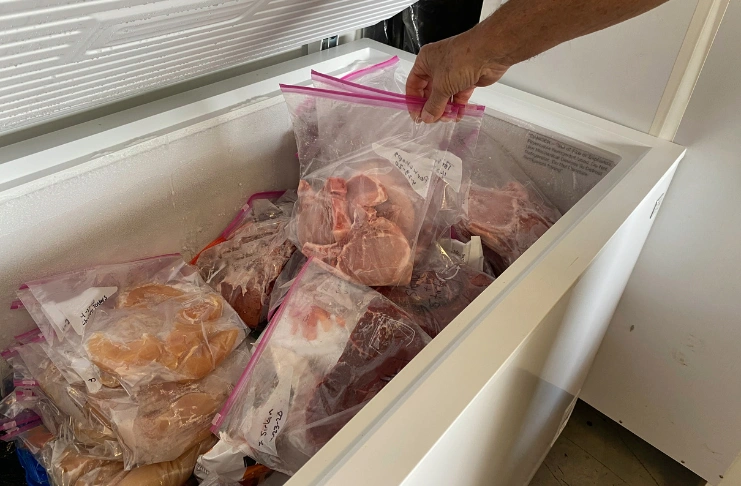
Proper storage organization makes inventory management easier and more accurate while supporting food safety requirements.
- Temperature Zone Organization: Keep similar items together to make counting easier and reduce cross-contamination risks.
- FIFO Setup: Arrange storage so older items are always in front using shelving systems that make rotation natural.
- Clear Labeling: Use waterproof labels with item names and dates that stay readable in humid kitchen environments.
- Strategic Space Allocation: High-use items need easily accessible locations, while slow-moving items can go in less convenient spots.
What Role Does Menu Planning Play in Managing Inventory?
Your menu directly affects inventory complexity and costs. Smart menu planning simplifies inventory management, reduces waste, and supports better cash flow.
Design menu items that share ingredients so you can buy larger quantities at better prices while reducing spoilage risk. This cross-utilization strategy works exceptionally well when you focus on how much food each dish requires from your core ingredients.
Adjust your menu based on ingredient availability and seasonal costs. Use limited-time offers to move excess inventory or test new ingredients without committing to permanent menu changes.
Monitor which menu items generate the highest profits per ingredient cost and focus your inventory management efforts on supporting your most profitable dishes.
How Do You Handle Multi-Location Inventory Challenges?

Managing inventory across multiple locations requires centralized systems and standardized procedures. 30% of global restaurants operate multiple outlets, each with unique inventory challenges that affect their average inventory needs.
Use cloud-based inventory management software that combines data from all locations. Centralized reporting helps identify trends and opportunities throughout your operation while maintaining consistent inventory levels at each site.
Implement identical procedures at every location so staff can work anywhere and follow the same processes. Track inventory transfers between locations carefully because moving items affects inventory counts at both locations and requires accurate documentation.
What Emergency Procedures Should You Have for Inventory Issues?
Prepare for inventory emergencies before they happen. Having procedures in place prevents panic and costly mistakes that can disrupt your ability to meet customer demand.
Supplier Disruption Plans: Maintain contact information for backup suppliers for all critical ingredients. Test these relationships occasionally to ensure they can deliver when needed without over-ordering due to panic.
Equipment Failure Protocols: Plan for refrigeration failures and power outages. Know which items to move first and where to store them temporarily to prevent the spoilage of your fresh food.
Staff Shortage Procedures: Cross-train multiple staff members on inventory management tasks so others can maintain essential functions when key personnel are unavailable.
Conclusion
Effective restaurant inventory management transforms your operation from reactive to proactive. By implementing consistent tracking inventory procedures, using appropriate restaurant inventory management software, and properly training your staff, you gain control over your biggest expense category.
The key is starting with the basics and gradually building complexity. Focus on accurate inventory counts, maintain stock levels, and use technology to reduce human error. Remember that even minor improvements in your inventory management system can add significant profit to your bottom line.
Frequently Asked Questions
1. What is the best way to track inventory in a restaurant?
Use regular physical counts, technology integration with your POS system, and standardized procedures. Count high-value items daily, implement FIFO rotation, and maintain organized storage areas with consistent inventory tracking.
2. What are the 4 types of inventory management?
The four main types are: Just-in-Time (JIT) for minimal stock levels, ABC analysis for categorizing items by importance, Economic Order Quantity (EOQ) for optimal order sizes, and safety stock management for buffer inventory.
3. What is the inventory management process in a restaurant?
The process includes receiving and inspecting deliveries, properly storing items with correct labeling, conducting regular inventory counts, tracking usage through sales data, calculating food costs, and adjusting purchase orders based on consumption patterns.
4. How do you keep track of food inventory?
Maintain detailed receiving logs, use consistent labeling with dates, conduct regular physical inventory counts, implement FIFO rotation, track waste and spoilage, and use inventory management software to automate calculations and organize inventory effectively.
5. How to calculate inventory for a restaurant?
Use the formula: Beginning Inventory + Purchases – Ending Inventory = Cost of Goods Sold. Then divide by total sales for your food cost percentage. Count all items at consistent intervals and maintain accurate inventory records.
6. What inventory method do restaurants use?
Most restaurants use a combination of perpetual inventory tracking through POS integration and periodic physical counts. The best inventory method typically combines weighted average cost for valuing inventory with FIFO for perishable items.
7. What is an efficient way to track inventory?
Implement restaurant inventory software integrated with your POS system, use mobile devices for counting, establish consistent counting schedules, and train staff on standardized procedures for tracking inventory accurately.
8. How do restaurants keep track of stock?
Through regular physical inventory counts, automated inventory tracking via POS systems, maintaining organized storage with clear labeling, monitoring usage patterns against sales data, and using inventory software for comprehensive inventory reports.
9. What is the best inventory method for restaurants?
A hybrid approach combining perpetual tracking for high-value items, periodic counts for all inventory, ABC categorization for prioritizing attention, and FIFO rotation for perishables works as the best inventory method for most restaurants.
10. What is the best software for restaurant management?
Popular restaurant inventory software options include Restroworks, Resy, OpenTable, and Square. Consider specialized solutions that integrate with your existing POS system for your inventory-specific needs.
11. What are the basic guidelines for inventory tracking?
Maintain consistent counting schedules, use standardized procedures across all staff, organize inventory storage areas logically, implement FIFO rotation, document everything accurately, and review performance metrics regularly to identify improvement opportunities in your inventory management system.