

Creating an effective restaurant bar floor plan design is essential for the success of any bar, lounge, or pub. Whether you’re launching a new venue or remodeling an existing space, knowing how to design a bar layout can make a significant impact on both day-to-day operations and long-term profitability. A well-designed bar layout ensures smooth staff movement, optimized seating capacity, and an inviting atmosphere that keeps customers coming back.
This in-depth commercial bar design interior layout guide will walk you through every critical aspect of planning, from conceptualizing your bar’s focal points to ensuring functional back-of-house areas. It’s not just about placing a bar counter and stools; it’s about creating a bar setup floor plan that enhances workflow, maximizes available space, and supports your brand’s identity.
Thoughtful layout decisions become the backbone of operational efficiency and guest satisfaction. With the right bar design idea, your bar can boost revenue, reduce staff fatigue, and create memorable customer experiences.
What are the Fundamentals of a Restaurant Bar Floor Plan?

Designing a bar that runs smoothly and delights customers starts with understanding essential layout components, smart space allocation, bar tools, and effective traffic flow within your bar floor plan design.
INDUSTRY INSIGHT
| Under the ADA Standards, all new or renovated restaurants and bars must ensure: Accessible entrances, restrooms, tables, and service counters. Clear pathways for mobility devices, Braille and tactile signage at the correct heights. Barrier removal was easily achievable in existing spaces. Accessibility isn’t just legal—it’s smart business. It broadens your customer base, enhances guest experience, and reduces risk. |
Essential Components of Bar Floor Plan Design
Every effective bar floor plan design incorporates several key elements that work together harmoniously. The bar counter serves as the focal point, but supporting areas like storage, preparation zones, and service stations are equally important. Understanding these components helps create a cohesive design that supports both operational efficiency and customer satisfaction.
The relationship between different areas within your cocktail bar setup floor plan determines how smoothly operations will run. Front-of-house areas must connect seamlessly with back-of-house operations, while maintaining clear sight lines for security and supervision.
Space Planning Principles
Effective space planning and decor form the cornerstone of how to design a bar layout successfully. The 60-40 rule suggests allocating 60% of space to revenue-generating areas and 40% to operational needs. This balance ensures adequate room for customers while providing sufficient space for bar staff to work efficiently.
Traffic flow patterns significantly impact your bar’s functionality. Customers should move naturally from the entrance to seating and then to the bar to order without creating bottlenecks. Staff pathways must allow quick movement between service areas without interfering with customer circulation.
Why is Analyzing Your Space Important?
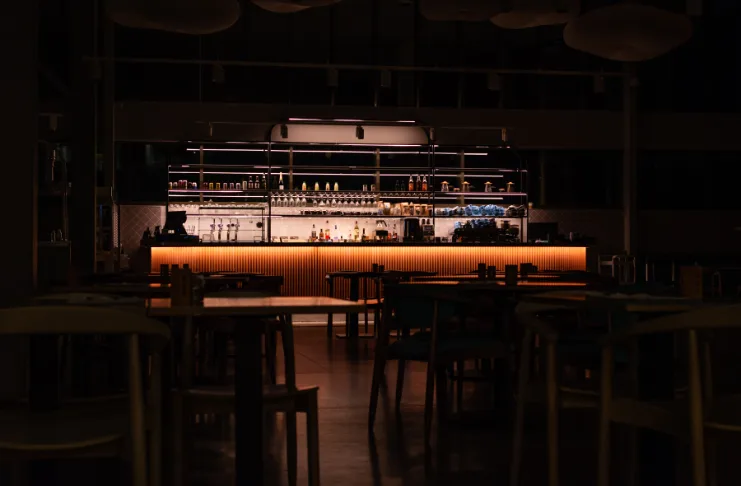
Assessing your available space and planning seating capacity in commercial bars are foundational steps in creating a functional and customer-friendly bar floor plan design that complies with regulations and maximizes comfort.
Measuring and Assessing Available Space
Before diving into bar floor plan design, accurate measurements of your available space are essential. Document ceiling heights, structural elements, utility locations, and any architectural features that might influence your layout. These measurements become the foundation for all subsequent design decisions.
Consider the shape and orientation of your space when developing your bar setup floor plan. Rectangular spaces offer different opportunities than square or irregularly shaped venues.
Determining Capacity and Seating Arrangements
Capacity planning requires balancing maximum occupancy with comfortable spacing. Local fire codes dictate minimum square footage per person, but successful bars exceed these minimums to ensure customer comfort. Your bar interior layout guide should account for both seated and standing customers during peak hours.
Different seating types serve various customer preferences and operational needs, and these ideas can significantly enhance the bar experience. Bar stools at the counter encourage interaction and quick service, while tables accommodate groups and longer visits.
How to Design Your Bar Counter?

Strategic bar counter positioning, precise dimensions, and a well-organized back bar are key elements of any bar floor plan design, directly influencing service flow, ambiance, and customer satisfaction.
Optimal Bar Counter Positioning
The bar counter’s position within your bar floor plan design significantly impacts operations and customer experience. Central placement creates a focal point and maximizes seating capacity, while perimeter placement preserves floor space for additional seating or entertainment areas.
Consider the relationship between your bar counter and kitchen or preparation areas. Proximity reduces service time and improves communication between bartenders and support staff.
Bar Counter Dimensions and Specifications
Standard bar counter height measures 42 inches, with a working depth of 24-30 inches for bartenders. Customer-facing depth should provide adequate space for drinks, menus, and personal items without feeling cramped. These dimensions ensure comfortable use for both staff and patrons.
Allow 24 inches of linear space per bar stool, with additional space for service stations and equipment. This spacing prevents overcrowding while maintaining an intimate atmosphere that encourages conversation.
Back Bar Configuration
The back bar serves both functional and aesthetic purposes in your bar setup floor plan. Storage requirements dictate minimum depth and height, while display considerations influence shelf placement and lighting design. The back bar should showcase premium spirits while keeping frequently used items within easy reach.
Organization systems within the back bar directly impact service speed and accuracy. Group similar products together and position high-turnover items at optimal heights for bartender efficiency.
How to Create a Space with Smooth Service Flow For Maximum Staff Efficiency?

Efficient staff flow, strategic equipment placement, and smart storage solutions are critical to a bar floor plan design that maximizes speed, safety, and service quality.
Creating Efficient Staff Pathways
Staff movement patterns significantly impact service quality and operational efficiency. Your bar interior layout guide should minimize unnecessary steps while ensuring bartenders can access all necessary equipment and supplies quickly. Clear pathways prevent collisions and reduce workplace injuries.
The work triangle concept applies to bar design just as it does in food kitchen planning. Position the bar counter, preparation area, and storage in a triangular configuration that minimizes movement between essential tasks.
Equipment Placement Strategy
Strategic equipment placement within your bar floor plan design improves workflow and reduces service time. Ice machines, glass washers, and point-of-sale systems should be positioned for easy access without interfering with drink preparation. This thoughtful placement creates a natural rhythm for bartenders.
Consider the electrical, plumbing, and bar equipment requirements when planning equipment locations. Group equipment with similar utility needs to reduce installation costs and simplify maintenance.
Storage Solutions Integration
Adequate storage is crucial for smooth restaurant bar operations, yet it’s often overlooked in how to design bar layout discussions. Incorporate storage for glassware, spirits, mixers, garnishes, and cleaning supplies within easy reach of work areas.
Vertical storage solutions maximize space efficiency in compact bar layouts. Wall-mounted shelving and multi-level organization systems increase capacity without expanding floor space requirements.
How to Design for a Good Customer Experience?

Seating comfort and accessibility are vital elements of a successful bar setup floor plan, influencing guest satisfaction, dwell time, and inclusivity across your entire venue.
Seating Layout and Comfort Considerations
Customer seating arrangements directly impact satisfaction and spending patterns. Comfortable seating encourages longer visits and higher per-customer spending, while cramped conditions lead to quick turnover and reduced revenue. Your bar setup floor plan should prioritize comfort without sacrificing capacity.
Consider sight lines from seating areas to entertainment, televisions, or other focal points. Customers want to feel connected to the venue’s energy while maintaining privacy for conversation.
Accessibility and Universal Design
Modern bar floor plan design must accommodate customers with disabilities and mobility challenges. The Americans with Disabilities Act mandates specific requirements for accessible seating, pathways, and restroom access.
Universal design principles benefit all customers, not just those with disabilities. Wide pathways, appropriate lighting, and clear signage create a welcoming environment for everyone.
What Technology Integration in Modern Bar Design Helps with Success?

Technology placement, including POS systems and security integration, plays a vital role in an efficient and compliant bar floor plan design that supports both staff operations and guest safety.
Point of Sale System Placement
Modern bar operations rely heavily on technology integration within the bar floor plan design. Point-of-sale terminals must be positioned for bartender efficiency while remaining secure from customer access. Multiple terminal locations can reduce wait times during peak periods.
Consider the relationship between POS systems and other technology components like inventory management and security systems. Integrated systems improve operational efficiency and provide valuable data for business optimization.
Security System Integration
Security considerations extend beyond basic surveillance to include access control and emergency systems. Camera placement should provide comprehensive coverage without creating an uncomfortable environment for customers.
Emergency exit placement and accessibility are critical safety considerations that impact your bar floor plan design. Multiple exit routes, clear signage, and unobstructed pathways are legal requirements.
What are Some Regulatory Compliance and Safety Requirements?

Compliance with building codes, zoning laws, and fire safety regulations is a foundational step in any bar floor plan design, ensuring legal operation, customer safety, and long-term sustainability.
Building Codes and Zoning Compliance
Understanding local building codes and zoning requirements is essential before beginning any bar floor plan design project. These regulations affect everything from occupancy limits to exit requirements and equipment specifications. Non-compliance can result in costly modifications or operational restrictions.
Permit requirements vary by jurisdiction and bar type, affecting your timeline and budget. Early consultation with local authorities can identify potential issues before they become expensive problems.
Fire Safety and Emergency Procedures
Fire safety requirements significantly impact bar layout decisions, particularly regarding exit placement, capacity limits, and equipment specifications. Emergency evacuation procedures depend heavily on layout design and staff training. Clear pathways, visible exit signs, and staff positions that facilitate crowd control are essential elements of responsible bar design.
What are the Important Budget and Cost Management Considerations?
Construction, renovation, and equipment choices directly influence the cost and efficiency of your bar floor plan design, making careful budgeting essential from the very start.
Construction and Renovation Costs
Bar floor plan design decisions significantly impact construction and renovation costs. Simple layouts with minimal structural changes cost less than complex designs requiring extensive modifications. Your budget should reflect the relationship between design ambition and financial reality. The cost per linear foot for under-bar equipment reached nearly $900, up from $328. Factors include refrigeration, cabinetry, and specialty systems
Phased construction approaches can spread costs over time while allowing earlier revenue generation. Consider which elements are essential for opening versus nice-to-have features that can be added later.
Bar Equipment Budgeting
Equipment costs vary dramatically based on quality, capacity, and features. Your bar interior layout guide should balance operational needs with budget constraints while avoiding false economy on essential items. Quality equipment reduces long-term operating costs through improved efficiency and reliability.
Used equipment can provide significant cost savings if purchased strategically. However, warranty coverage, energy efficiency, and compatibility with modern systems must be considered.
Conclusion
Designing the perfect bar floor plan requires more than placing furniture and fixtures—it demands a strategic approach that blends operational efficiency, customer satisfaction, compliance, and cost-effectiveness. A successful bar floor plan design aligns all of these elements while staying true to your brand’s core mission and the expectations of your target market.
Your bar setup floor plan isn’t just a blueprint—it’s the foundation of your business environment. From optimizing staff workflows to enhancing the overall guest experience, a well-thought-out layout can increase the speed of service, reduce errors, and encourage repeat visits. It’s where atmosphere and efficiency meet.
This bar interior layout guide helps you understand how to design a bar layout that functions as smoothly as it looks. While this guide offers practical insights, remember: no two bars are the same. Working with professional designers or architects ensures that your vision is executed effectively, saving you from expensive mistakes and setting your venue up for long-term success.
Frequently Asked Questions
How to plan a bar layout?
Bar layout planning involves optimizing space for workflow, customer flow, storage, and compliance with safety regulations.
What are some bar layout guidelines?
Bar layout guidelines include maintaining clear traffic flow, separating service and customer zones, and using the 60-40 space allocation rule.
What are the different types of bar layout?
Common bar layout types include straight, L-shaped, U-shaped, island, and circular bars.
How much space is needed behind a bar?
A minimum of 3 to 4 feet of space is recommended behind the bar for staff to move comfortably.
What are the 5 parts of a bar?
The five key parts are the back bar, front bar, underbar, storage area, and service station.
How do you arrange your bar?
Arrange the bar by organizing tools and ingredients in zones—prep, service, and storage—based on frequency of use.
How to interior design a bar?
Bar interior design should reflect the brand theme, ensure good lighting, use durable materials, and optimize seating and circulation.
How to properly set up a bar?
Establish workstations, stock essentials, ensure ergonomic design, and comply with health and safety codes to set up a bar.
What are the measurements for a bar setup?
Standard bar counters are 42 inches high with a depth of 24–30 inches and a 12-inch overhang for seating.
What is the minimum space for a bar?
The minimum space for a functional bar area is typically 6 to 8 feet in length and 3 feet in depth.