

Starting your own restaurant from scratch sounds exciting until you realize the brutal reality. Most new restaurants fail within their first year. But what if you could skip the trial-and-error phase and jump straight into a proven system?
That’s exactly what restaurant franchises offer. You get a tested business model, established brand recognition, and ongoing support from day one.
And the scale? It’s massive. In 2024, the U.S. franchising industry surpassed 800,000 active establishments, contributing over $850 billion annually, according to the International Franchise Association. Within that, quick service restaurants (QSRs) lead the charge, generating over $250 billion in revenue across 300,000+ locations.
From McDonald’s to Pizza Hut, these brands have optimized profitable operations, and now, so can you.
This guide covers everything you need to know about how to buy a restaurant franchise. Let’s get right in!
Why Choose a Restaurant Franchise Over Starting Your Own Business?
Picture this: You want to open a restaurant. You could spend months developing recipes, designing a brand, and figuring out operations. Or you could partner with a franchise business that’s already done all the heavy lifting.
When you buy a restaurant franchise, you get a blueprint for success. The parent company has tested the menu, perfected the operations, and built customer loyalty. You get to skip the expensive learning curve that kills most independent restaurants.
The trade-off is simple. You give up some creative control in exchange for a proven track record. Instead of wondering if your concept will work, you can focus on executing a system that is already making money for other franchise owners.
Think of it like buying a house versus building one from scratch. Both can work, but one path has fewer surprises along the way.
How Do Franchise Restaurants Work?
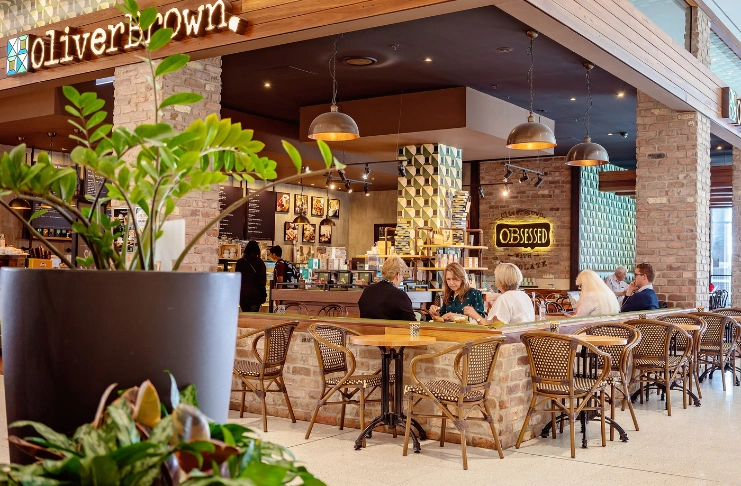
Franchise restaurants operate on a business model where an independent operator (the franchisee) pays to use an established brand’s name, systems, and intellectual property, while following strict operational guidelines set by the brand owner (the franchisor). This relationship is formalized in a franchise agreement governing the restaurant’s operations.
At its core, a franchise restaurant combines national branding with local ownership.
Here’s what the franchisee gets:
- Brand Power: Access to a recognized name, logo, and marketing assets.
- Proven Systems: Predefined recipes, sourcing channels, staffing procedures, and POS systems.
- Training & Support: Ongoing operational training, staff onboarding, and sometimes supply chain help.
- Territorial Rights: Often, exclusivity within a geographic area.
The franchisor, on the other hand, protects the brand and ensures consistency across all locations. They monitor compliance, innovate product lines, manage national advertising, and provide the infrastructure that lets franchisees plug in and scale faster.
The typical franchise agreement lasts 5-20 years, giving you ample time to build a profitable business under an existing brand. After that, you can usually renew if you’re meeting their standards.
What Steps Do You Need to Take to Buy a Restaurant Franchise?
Buying a franchise business isn’t like ordering off a menu. It’s a multi-step process that requires careful planning and due diligence. Let’s break down exactly what you need to do.
Step 1: Start with Honest Self-Assessment
Before you buy any franchise, take a hard look in the mirror. What’s your experience with the food business? How much can you realistically invest? What are your long-term goals?
Some franchise restaurants need hands-on owners who work in the business daily. Others work better for investors who hire management teams. Figure out which type of business owner you want to be before investing.
Your liquid assets will determine which franchise opportunities are realistic options. Don’t waste time dreaming about concepts you can’t afford. Focus on franchises that match your financial capacity and experience level.
Step 2: Research Available Franchise Opportunities
Not every franchise company operates everywhere. Some brands are expanding into new markets, while others have saturated their target areas. Start by researching which franchise restaurants are seeking new locations in your area.
The food franchise landscape includes everything from fast food chains to upscale casual dining. Quick-service restaurants like Taco Bell operate very differently from full-service concepts. Consider which type of operation matches your skills and interests.
Use franchise listing websites like Franchise Direct, All USA Franchises, etc., to compare different opportunities. Look at initial investment requirements, ongoing fees, and support offerings. This research phase helps you narrow down your options before you start making serious inquiries.
Step 3: Evaluate Each Franchise Company’s Support System
Strong franchisors don’t just sell you a license and disappear. They provide comprehensive training, marketing support, and ongoing operational assistance. This support can make the difference between success and failure in your first year.
Look for franchise companies that offer extensive initial training programs. The best franchisors bring you to their corporate headquarters for weeks of intensive education. They should cover everything from food preparation to financial management.
Marketing strategy support is crucial for attracting customers in a competitive market. Find out what advertising assistance the franchisor provides and how they help you compete with other restaurants in your area.
Step 4: Understand the Complete Financial Picture
Every franchise opportunity comes with different financial requirements. Initial investment amounts can range from a few hundred thousand to several million dollars. Make sure you understand all the costs before you commit.
Beyond start-up costs, you’ll need money for equipment, buildout, initial inventory, and working capital. Many new franchise owners underestimate these additional expenses and face cash flow problems.
Don’t forget about ongoing costs either. Royalty fees typically run 4-12% of gross sales, plus 1-4% marketing fees. These ongoing obligations reduce your profit margins but fund the support and advertising that help drive customers to your location.
Step 5: Get and Review the Franchise Disclosure Document
The franchise disclosure document allows you to understand any franchise business from A to Z. Federal Trade Commission regulations require franchisors to provide this detailed document to all prospective franchisees.
This document contains everything you need about the franchise system, including audited financial statements, litigation history, and current franchisee information. Don’t skip this step or rush through the review process.
Pay special attention to the financial performance representations. This section shows you how other franchise owners are actually performing. If a franchisor won’t provide this information, that’s a major red flag.
Step 6: Talk to Current Franchise Owners
The best way to understand any franchise opportunity is to talk with people who are already doing it. Current franchise owners can tell you about the real challenges and rewards of the business.
Ask specific questions about profitability, franchisor support, and operational challenges. Don’t just talk to one or two franchisees. Get perspectives from multiple locations, especially ones in markets similar to yours.
Find out how long it took them to reach profitability and what unexpected challenges they faced. This information will help you set realistic expectations and prepare for potential obstacles.
Step 7: Secure Financing for Your Investment
Most franchise owners need financing to cover their initial investment. Banks generally prefer lending to established franchise brands because they have lower failure rates than independent restaurants.
SBA loans often offer favorable terms for qualified franchise buyers. Many lenders have experience with specific franchise brands and understand their financial requirements. Start this process early because loan approval can take several weeks.
Some franchisors offer financing assistance or have relationships with preferred lenders. These programs might provide faster approval or better terms than traditional bank loans.
INDUSTRY INSIGHT
| Franchising is booming in 2025. It’s set to grow 2.4%, adding over 20,000 new locations and 210,000 jobs, reaching 851,000 units and over 9 million workers. The total economic output will hit $936.4 billion, up from $896.9 billion last year. Interestingly, franchises are growing faster than the U.S. economy (1.9%) because consumers trust well-known brands. Food, personal services, and retail are leading the charge. States like Georgia, Florida, and Arizona are seeing the fastest growth. With interest rates easing and inflation cooling, 2025 is a strong year to enter franchising. |
What Does It Cost to Buy a Restaurant Franchise?

Let’s talk real numbers. The initial investment for most restaurant franchises ranges from $200,000 to $2 million. That’s a big spread; the actual amount depends on the brand, location, size, and concept type.
Breaking Down Your Initial Investment
Your upfront costs include several major categories. The franchise fee, which typically runs $25,000 to $85,000, depending on the brand, gives you the right to use their name and system.
Equipment and buildout costs usually represent the most significant chunk of your initial investment. A full kitchen setup can cost $150,000 to $500,000. Add in dining room furniture, point-of-sale systems, and signage, and the numbers add up quickly.
Next comes the working capital. You need enough cash to cover operating expenses for at least the first few months. Most successful franchise owners budget for six months of expenses as a safety cushion.
Understanding Ongoing Financial Obligations
Beyond your initial investment, you’ll have ongoing financial obligations to the parent company. Royalty fees are typically calculated as a percentage of gross sales, ranging from 4% to 12%.
Marketing fees fund national advertising campaigns that benefit all franchise locations. These fees usually run 1% to 4% of gross sales. While they reduce your bottom line, they help drive customer traffic to your location.
Some franchise companies also charge monthly fees for technology support, training programs, or other services. Make sure you understand all ongoing costs before you sign any agreements.
Note: There may also be other hidden costs, including legal assistance for agreement reviews, equipment maintenance, replacement costs, etc. Research well before committing.
What Kind of Support Should You Expect from the Franchisor?
The whole point of buying a franchise business is getting support you can’t access as an independent restaurant owner. However, not all franchisors provide the same level of assistance.
Initial Training and Education
Quality franchisors invest heavily in franchisee education. Expect to spend 2-8 weeks in comprehensive training programs covering every aspect of restaurant operations. This training usually happens at corporate headquarters with hands-on practice in working locations.
The management team from your new restaurant should also complete training programs. Some franchisors require key employees to pass certification tests before they can open, ensuring everyone understands the business system from day one.
Training should cover food preparation, customer service, financial management, marketing strategies, and operational procedures. The more comprehensive the training, the better prepared you’ll be for opening day challenges.
Ongoing Operational Assistance
Good franchisors don’t disappear after you open. They provide ongoing support through field consultants, operational manuals, and regular communication. This support helps you maintain brand standards and improve profitability over time.
Expect periodic visits from corporate representatives who can guide operations, marketing, and financial performance. These visits should be collaborative, not punitive. The goal is helping you succeed, not catching you making mistakes.
Many franchisors also offer online resources, webinars, and annual conferences for continued education. Take advantage of these opportunities to learn from other franchise owners and stay current with industry trends.
Marketing and Brand Support
National advertising campaigns help drive customer awareness and traffic to all franchise locations. Your marketing fees fund these campaigns, so make sure the franchisor invests wisely in brand building.
Local marketing support varies by franchisor. Some provide extensive co-op advertising programs and local marketing materials, while others leave most local advertising to individual franchise owners.
Find out what marketing strategy support you’ll receive for your grand opening. Adequate marketing support is essential during this period to set the tone for your long-term success.
How Long Does the Entire Process Take?

Plan on 3-6 months from initial inquiry to opening day. This timeline includes evaluation, financing, location selection, buildout, and training. Some steps can overlap, but rushing the process often leads to poor decisions.
The franchise disclosure document review alone should take several weeks. You need time to analyze the information, talk with current franchise owners, and consult with professionals. Don’t let anyone pressure you to move faster than you’re comfortable.
Financing approval can take 30-60 days, depending on your lender and financial situation. Start this process early because delays here can push back your entire timeline. Have all your financial documents organized before you apply.
Once construction begins, the location buildout usually takes 60-90 days. This includes permits, construction, equipment installation, and final inspections. Weather delays, permit issues, or construction problems can extend this timeline.
What Happens After You Buy Your Franchise?
Signing the franchise agreement is just the beginning. The real work starts with location preparation, staff hiring, and final training before your grand opening.
Pre-Opening Preparation
Your franchisor will provide detailed timelines and checklists for the pre-opening phase. This typically includes location buildout, equipment installation, permit approvals, and staff hiring. Stay organized and communicate regularly with your franchisor’s support team.
Use this time to build relationships in your local community. Introduce yourself to neighboring businesses, join local business organizations, and start generating buzz about your upcoming opening.
Staff hiring and training are critical to your success. The franchisor will provide training materials and procedures, but you must find and hire the right people. Start this process early because good employees are hard to find.
Grand Opening and Beyond
Most franchise companies provide grand opening marketing support and operational assistance during your first weeks. This support helps you launch successfully and build initial customer awareness in your market.
Your first few months are crucial for establishing operational routines and building a customer base. Don’t expect perfection immediately. Focus on consistent execution of the business system and continuous improvement.
Use the franchisor’s support system during this period. Ask questions, request help, and learn from other franchise owners. The investment in ongoing education and support pays dividends in long-term success.
What Mistakes Should You Avoid?

Learning from other people’s mistakes is cheaper than making your own. Here are the most common pitfalls that trip up new franchise owners.
Inadequate Market Research
Don’t assume that a successful franchise business will automatically work in your market. Local demographics, competition, and economic conditions all impact restaurant performance. Conduct thorough market research before committing to any concept.
Study traffic patterns around potential locations. A great franchise concept in a terrible location will struggle to generate sufficient sales. Location often matters more than concept in the restaurant business.
Analyze your competition carefully. If your market is already saturated with similar concepts, you’ll have a much harder time building a customer base. Look for markets with unmet demand for your chosen concept.
Underestimating Capital Requirements
Many new franchise owners focus on the initial investment but forget working capital needs. You need sufficient cash reserves to cover operating expenses until the business becomes profitable.
Plan for unexpected expenses during the startup phase. Equipment problems, higher-than-expected marketing costs, or slower-than-projected sales can all strain your cash flow. A solid contingency fund prevents these challenges from becoming business-threatening problems.
Don’t forget about personal living expenses during the startup phase. You might not be able to take a full salary from the business for several months, so ensure you have adequate personal reserves to cover this period.
Ignoring Franchisor Red Flags
Pay attention to warning signs during the evaluation process. High franchisee turnover, frequent litigation, or reluctance to provide detailed financial information all suggest potential problems with the franchise system.
If current franchise owners seem unhappy or reluctant to recommend the opportunity, take that feedback seriously. Happy franchisees are usually eager to share their positive experiences with prospective buyers.
Be wary of high-pressure sales tactics or promises that seem too good to be true. Legitimate franchise opportunities don’t require rushed decisions or unrealistic profit projections.
Conclusion
Buying a restaurant franchise gives you access to a trusted brand, tested systems, and long-term support. With the right research and preparation, it can be a smart way to build a stable and profitable business.
Frequently Asked Questions
1. How much money do you need to buy a restaurant franchise?
Most restaurant franchises require a total investment of $200,000 to $2 million. To qualify for financing, you’ll also need liquid assets of $100,000 to $500,000 and strong credit. The exact amount depends on the franchise brand, location size, and market conditions.
2. Why is it only $10,000 to open a Chick-fil-A?
Chick-fil-A uses a unique operator model where they provide most of the initial investment and retain ownership of the restaurant. The $10,000 fee is unusually low, but their selection process is extremely competitive, with very few new locations approved yearly.
3. Is owning a restaurant franchise profitable?
Restaurant franchise profitability varies significantly by brand, location, and management quality. Well-operated franchises in good locations typically achieve profit margins of 3-9% of gross sales after paying franchise fees and operating expenses.
4. How much is Chick-fil-A franchise fee?
Chick-fil-A’s initial franchise fee is $10,000, but their model is different from that of typical franchises. They retain ownership of the restaurant and location, while operators earn a percentage of profits rather than owning the business outright.
5. What is the most profitable restaurant franchise?
Quick-service restaurants with strong brand recognition typically offer the best profit potential. McDonald’s, Subway, and other established fast food chains consistently rank among the most profitable franchise opportunities due to their efficient operations and proven systems.
6. How much do Chick-fil-A owners make?
Chick-fil-A operators typically earn $200,000 to $240,000 annually, which varies significantly by location performance. Top-performing locations can generate much higher operator income, while struggling locations may earn considerably less.
7. What are the 4 P’s of franchising?
The 4 P’s are Product (consistent menu offerings), Place (strategic location selection), Price (competitive pricing strategy), and Promotion (marketing and advertising support). These elements work together to create successful franchise systems.
8. What is the 7 day rule for franchise?
The Federal Trade Commission actually requires a 14-day waiting period, not 7 days. Franchisors must provide the franchise disclosure document at least 14 days before signing any agreement or accepting payment, giving prospective franchisees time to review all terms.
9. Which of the following should be considered before buying a franchise?
Key considerations include local market demand, total investment requirements, franchisor support quality, competitive landscape, your management experience, and long-term business goals. Thoroughly evaluating all these factors significantly improves your chances of success.
10. How profitable is a restaurant franchise?
Restaurant franchise profit margins typically range from 3-9% of gross sales. Success depends heavily on location quality, management effectiveness, local market conditions, and consistent execution of the franchisor’s proven business model.
11. How does a restaurant franchise model work?
You pay initial franchise fees and ongoing royalties to license an established brand and business system. The franchisor provides training, marketing support, and operational guidance while you handle daily operations at your own location under their brand standards.
12. What is the business model of a franchise store?
The franchise business model involves licensing a proven concept from an established company. You operate under their brand name, follow their operational systems, and pay ongoing fees in exchange for training, support, brand recognition, and access to their proven success formula.