


Data confirms that happy hour drives 60.5% of weekly revenue in bars and restaurants. It pulls in after-work crowds. It fills slow hours. And it opens the door to bigger tabs, more customers, and stronger weekday sales.
But you need a strategy. Just putting drinks on discount won’t get the job done. You need the right timing, a smart happy hour menu, targeted promotions, and a plan that turns short visits into repeat business.
This guide lists happy hour strategies for bars that actually work. It covers what to offer, when to offer it, how to price it, and how to keep people coming back.
What Makes Happy Hour a Go-To for Your Business?
Happy hour can be your bar’s biggest revenue driver during slower hours.
In fact, bars with happy hour programs see 26% higher revenue during those hours compared to their normal operations. They also get 24% more transactions than bars without happy hour offerings. That’s real money hitting your register when it usually wouldn’t.
The numbers get even better. Customers spend an average of $68.99 during happy hour visits, which is, basically, $8 more than their visits during other time slots.
What does it indicate? Your happy hour guests aren’t just buying discounted drinks. They’re ordering food, staying longer, and spending more overall.
Here’s what happy hour does for your bar:
- Fills seats during traditionally slow late afternoon hours
- Creates predictable cash flow on weekdays
- Brings in new customers who might not visit otherwise
- Builds regular customer habits and repeat visits
- Generates word-of-mouth marketing through social experiences
INDUSTRY INSIGHT
| Happy hour may start with discounts, but it thrives on psychology. While 63% of guests come for affordable food and 60% for drink deals, 45% see it as a way to unwind after work, and 39% use it to catch up socially. That shift makes happy hours more than a pricing strategy. It becomes a moment of connection. Bars that curate the right ambiance, staff energy, and service pace can turn these time slots into peak engagement windows and loyalty-building machines. |
When Should You Run Happy Hour?
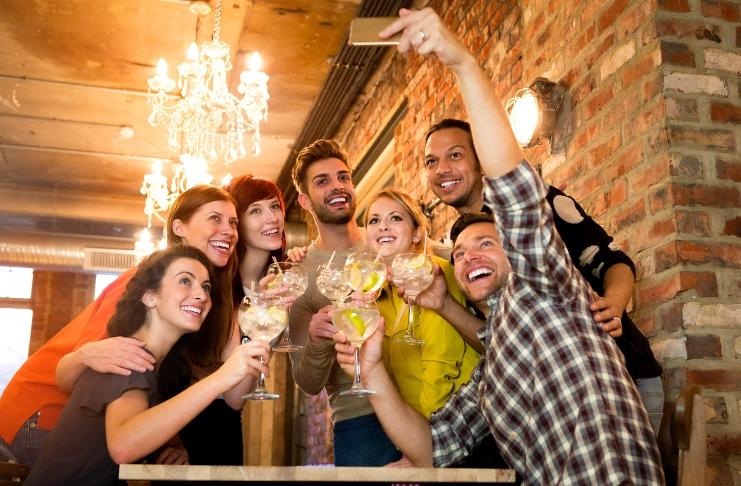
Timing determines everything in happy hour success.
On any given day, most customers prefer to start between 4 p.m. and 5 p.m. That’s when the after-work crowd gets out and looks for a place to decompress. Start too early, and you will miss the office workers. Start too late, and you compete with dinner plans.
The ideal happy hour window runs from 4 p.m. to 7 p.m. This catches the early evening crowd before they head home or make dinner plans.
Tuesday is the sweet spot for happy hour attendance. It’s far enough from Monday’s work stress but not close enough to weekend plans. Friday comes in second, with 69% of respondents saying it’s their favorite happy hour night.
Consider these timing strategies:
- Monday to Thursday: 4 p.m. to 7 p.m. for consistent weekday traffic
- Friday: Extend to 8 p.m. to capture weekend-starter crowds
- Saturday: Skip traditional happy hour. Focus on brunch or late-night specials.
- Sunday: Try a late afternoon happy hour from 3 p.m. to 6 p.m.
Weather affects attendance, too. Two out of three Americans are more likely to hit happy hour during warm weather. Plan seasonal adjustments to your happy hour strategy accordingly.
How to Build Your Happy Hour Menu?
Start with appetizers that pair well with drinks and have high-profit margins. The most appealing happy hour food special is a free or low-cost buffet, according to 73% of customers. But that doesn’t mean you need to give food away.
Focus on shareable menu items that encourage group ordering:
- Soft pretzels with beer cheese or mustard
- Sweet potato hummus with pita chips and vegetables
- Spicy chicken wings in multiple sauce varieties
- Loaded nachos or potato skins
- Flatbreads or personal pizzas
Price these food items at 25-50% off regular menu prices. The 76% of customers who prefer “50% off all appetizers” aren’t necessarily expecting rock-bottom prices. They want value that feels significant.
Your happy hour menu should include 6-8 food options maximum. Too many choices slow down ordering and kitchen prep. Too few options limit appeal to different tastes and dietary needs.
Don’t forget non-alcoholic options. Include mocktails, specialty sodas, and fresh juices. Some customers are designated drivers, and others are reducing alcohol consumption for health reasons. Non-alcoholic drinks with creative presentations keep these customers engaged and spending.
What Happy Hour Drinks Actually Work?
Beer dominates happy hour drink orders, but your strategy needs more depth.
42% of customers order beer during happy hour, with 59% preferring domestic options over imported varieties. Stock popular domestic brands at attractive price points, but don’t stop there.
Your happy hour drinks menu should include:
- Domestic beer specials: $3-4 per bottle or draft
- Well drinks: Basic mixed drinks with house spirits
- Wine by the glass: Focus on popular varietals, not premium bottles
- Signature cocktails: 2-3 unique cocktails at discounted prices
- Half-priced margaritas or other popular mixed drinks
Classic cocktails work well during happy hour because customers know what to expect. Offer Old Fashioned, Manhattan, or Margarita specials alongside your beer promotions.
Don’t discount everything. Keep some premium options at regular prices for customers who want to upgrade. This protects your profit margins while giving budget-conscious customers great value.
Consider half-price bottles of wine for tables. This encourages groups to stay longer and order food to pair with their wine selection.
Which Happy Hour Strategies Bring More People Into Bars?
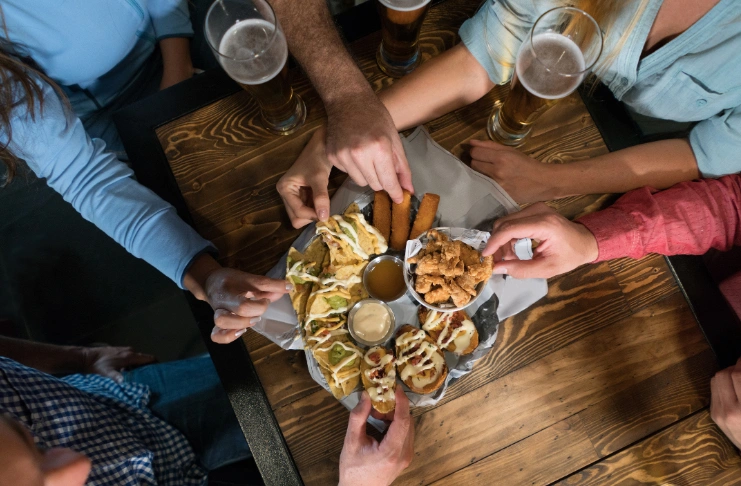
Your marketing determines whether happy hour customers know you exist.
Social media marketing works best for happy hour promotions because it reaches people during their workday when they’re planning after-work activities. Post your specials between 2 p.m. and 4 p.m. when office workers start thinking about their evening plans.
Use these social media strategies:
- Post daily specials on Instagram Stories with appetizing food photos
- Share happy hour menus on Facebook with easy-to-read pricing
- Create short videos showing drinks being made or food being served
- Use location tags so nearby workers can find you easily
Local business partnerships expand your reach without advertising costs. Connect with nearby offices, gyms, and retail stores. Offer exclusive deals to their employees or members. This builds relationships with businesses that send you regular customers.
Email marketing keeps your happy hour at the top of mind for repeat customers. Send weekly happy hour reminders on Tuesday afternoons. Include upcoming happy hour events, new menu items, or special themed nights.
Print materials still work in high-traffic areas. Place flyers in office building lobbies, coffee shops, and community bulletin boards. Keep the message simple: your hours, your best deals, and your location.
How to Create Happy Hour Events That Drive Foot Traffic?
Regular happy hour gets customers in the door. Happy hour events keep them coming back.
Trivia night during happy hour combines entertainment with drink specials. It encourages groups to stay longer, order more rounds, and return weekly. Tuesday trivia works well because it’s already the most popular happy hour day.
Theme nights create anticipation and social media buzz:
- Wine Wednesday with discounted bottles and cheese plates
- Throwback Thursday with music from specific decades
- Local brewery spotlight featuring rotating guest taps
- Taco Tuesday with food and drink pairings
Live music transforms your happy hour atmosphere without major costs. Book local acoustic acts or solo performers who don’t overpower conversation. Pay them in food, drinks, and tips rather than guaranteed fees when you’re starting out.
How to Price Happy Hour for Maximum Profit?
Pricing strategy determines whether your happy hour makes money or just moves inventory.
Start with your cost analysis. Know exactly what each drink and food item costs to produce, including labor, ingredients, and overhead. Your happy hour prices should still generate positive margins, even at reduced rates.
Use percentage-based discounts rather than fixed pricing. “25% off all appetizers” gives you flexibility as ingredient costs change. Fixed prices like “$5 appetizers” lock you into potentially unprofitable deals when costs rise.
Create price tiers to encourage upselling:
- Basic tier: House spirits, domestic beer, simple cocktails
- Premium tier: Call brands, craft beer, specialty cocktails at smaller discounts
- Top tier: Premium spirits and wines at regular prices for customers who want upgrades
Bundle pricing increases the average check value. Offer drink and appetizer combinations at attractive total prices. “Draft beer and wings for $12” works better than separate $4 beer and $8 wings because it feels like a complete deal.
Track your actual happy hour profitability weekly. Monitor food costs, labor costs, and average check values. Adjust prices if margins drop below profitable levels.
What Food Items Work Best During Happy Hour?
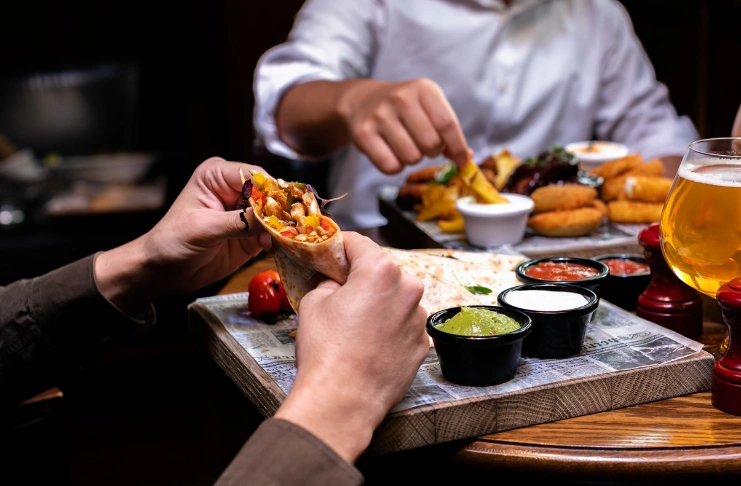
Focus on items that pair naturally with alcohol and don’t require extensive kitchen prep during busy periods. Both food and beverage sales should increase during happy hour, not compete with each other.
High-margin shareables perform best:
- Wings: Low food cost, high perceived value, perfect with beer
- Flatbreads: Quick to prepare, easily customized, good for groups
- Loaded fries or nachos: Inexpensive ingredients, high profit margins
- Sliders: Portion control, quick service, appealing to most customers
Avoid complex dishes that slow down kitchen operations. Your dinner rush starts right after happy hour ends. Kitchen staff need to transition smoothly between happy hour volume and dinner service without quality drops.
Consider prep timing. Items like sweet potato hummus or spinach artichoke dip can be prepared in advance and served quickly during peak happy hour periods.
Offer both hot and cold options to appeal to different preferences and speed up service during busy periods.
How to Turn Happy Hour Customers Into Regular Customers?
Customer retention transforms one-time happy hour visitors into profitable long-term relationships. But how can you achieve it?
Collect customer information during happy hour visits. Offer email signup incentives like “Free appetizer on your next visit” or exclusive happy hour event invitations. This builds your marketing database for future promotions.
Train staff to create personal connections with happy hour guests. Remember drink preferences, ask about work or interests, and make customers feel recognized when they return.
Follow up after happy hour events. Send thank-you emails to trivia night participants or themed event attendees. Include photos from the event and invitations to upcoming happy hour activities.
Create progression opportunities for loyal customers:
- Invite regular happy hour customers to special wine tastings or cocktail classes
- Offer early access to new menu items or seasonal cocktails
- Provide premium seating or reserved areas during busy periods
- Give loyal customers input on new happy hour menu additions
What are the Common Happy Hour Mistakes That Kill Profits?
Avoid these profit-draining mistakes that many bars make with their happy hour programs.
Discounting everything destroys your profit margins and devalues your regular pricing. Keep some premium options at full price to maintain perceived value and accommodate customers who want upgrades.
Inadequate staffing during happy hour creates slow service and frustrated customers. The money you save on labor costs disappears when customers leave due to poor service or don’t return for future visits.
Ignoring food safety during busy periods damages your reputation permanently. Don’t sacrifice food quality or safety procedures to serve happy hour crowds faster. One food poisoning incident costs more than months of successful happy hour profits.
Poor inventory management leads to running out of popular items during peak happy hour times. Track which drinks and food items sell fastest and adjust ordering accordingly.
How to Measure Happy Hour Success?
Track the right metrics to understand whether your happy hour strategy works.
Revenue per hour shows your true happy hour profitability. Calculate total sales divided by operating hours for happy hour periods versus non-happy hour periods. Happy hour should generate higher revenue per hour than slow periods, even with discounted pricing.
Customer acquisition cost measures how much you spend to attract each new happy hour customer through marketing and promotions. Compare this to the lifetime value of customers who become regulars after discovering you during happy hour.
Average check values during happy hour should remain profitable even with discounts. If average checks drop too low, adjust your pricing strategy or menu offerings.
Track these key performance indicators weekly:
- Total happy hour revenue compared to the same period last year
- Number of new customers acquired during happy hour
- Percentage of happy hour customers who return within 30 days
- Food-to-beverage sales ratio during happy hour
- Staff efficiency and service speed metrics
How Can Technology Tools Strengthen Happy Hour Performance?
Integrating some basic technology solutions can streamline your happy hour operations and marketing like never before. For example:
Point-of-sale systems with happy hour programming automatically apply discounts and track happy hour-specific sales data. This eliminates pricing errors and provides accurate profit analysis.
Social media scheduling tools let you post happy hour promotions consistently without daily manual updates. You can easily schedule your happy hour reminders, menu photos, and event announcements in advance.
Email marketing platforms help you segment happy hour customers from your general customer base. Send targeted happy hour promotions to customers who have attended before while avoiding over-promotion to customers who prefer dinner service.
Simple survey tools gather customer feedback about happy hour preferences, pricing, and menu items. Use this data to refine your offerings and pricing strategy.
Conclusion
Done right, happy hour can be your bar’s strategic window to boost traffic, increase average checks, and turn first-timers into regulars. Use smart pricing, targeted promotions, and tight execution to make it profitable every week.
Frequently Asked Questions
1. How to have a successful happy hour at a bar?
Focus on timing (4-7 p.m.), offer 25-50% discounts on select items, create a welcoming atmosphere, and train staff to provide fast, friendly service. A successful happy hour combines good value with consistent quality and a social atmosphere.
2. How does happy hour work at bars?
Bars offer reduced prices on drinks and food during slower business hours, typically late afternoon to early evening. The goal is to attract customers during normally slow periods while maintaining profitable operations through higher volume sales.
3. How can I make happy hour more fun?
Add entertainment like trivia nights, live acoustic music, or group games. Create themed events, offer unique cocktails, and encourage social interaction through seating arrangements and staff engagement with customers.
4. How to promote a happy hour?
Use social media posts between 2-4 p.m., partner with local businesses, send email reminders to existing customers, and place flyers in high-traffic areas near offices. Focus marketing on the value and social experience.
5. How to boost sales in a bar?
Implement strategic happy hour programs, create loyalty rewards, offer exclusive deals, train staff in upselling techniques, and focus on customer service that encourages repeat visits and positive word-of-mouth referrals.
6. How do I attract more customers to my bar?
Develop consistent happy hour offerings, create a social media presence, partner with local businesses, host events that generate buzz, and ensure excellent customer service that generates positive reviews and referrals.
7. How to advertise happy hour?
Post daily on social media with appealing food and drink photos, send targeted email campaigns, create partnerships with nearby businesses, use local print advertising, and encourage customers to share their experiences online.
8. What would be a great bar promotion?
Combine food and drink specials, create themed nights with entertainment, offer loyalty programs with rewards, host community events, and provide exclusive deals for groups or regular customers.
9. Is happy hour profitable?
Yes, when properly managed. Bars with happy hours see 26% higher revenue during those hours and 24% more transactions than bars without programs. The key is maintaining profit margins while offering attractive value.
10. What makes a great happy hour?
Great timing, attractive pricing that maintains profitability, quality food and drinks, fast service, welcoming atmosphere, and staff who create positive customer experiences that encourage repeat visits and social sharing.


