
According to the National Restaurant Association, 15.9 million jobs are expected to be filled in the restaurant sector by the end of 2025. That sounds promising until you realize that demand is rising faster than the supply of qualified workers.
Finding the right staff for your restaurant feels impossible these days. You’re competing with everyone else for a shrinking pool of workers, and the ones who do apply often lack the commitment you need.
But here’s the thing: successful restaurant owners have cracked the code on hiring restaurant employees who actually stick around and deliver results.
This guide breaks down exactly what works. You’ll learn how to write detailed job descriptions that attract quality candidates, where to post job openings to find the best restaurant workers, and how to build a hiring process that weeds out hiring candidates who won’t fit before they waste your time.
These restaurant staff hiring tips will help you navigate the current tight labor market and reduce employee turnover.
Why Is Restaurant Staff Hiring So Challenging Right Now?
The restaurant industry added 210,300 jobs in 2024, but that growth masks a deeper problem. Sixty-five percent of operators describe the current labor market as “tight” or “very tight.”
Restaurant recruiting tops the list of concerns for 30% of restaurant owners, with employee retention close behind at 27%. The biggest obstacle? A lack of qualified candidates and committed applicants willing to work in the hospitality industry.
Your competition for restaurant employees extends beyond other restaurants. Fast-food chains, retail stores, and delivery services all target the same worker pool.
Many potential employees view restaurant work as temporary, making restaurant hiring even more challenging for owners seeking long-term staff for their restaurants.
What Makes a Strong Restaurant Team?

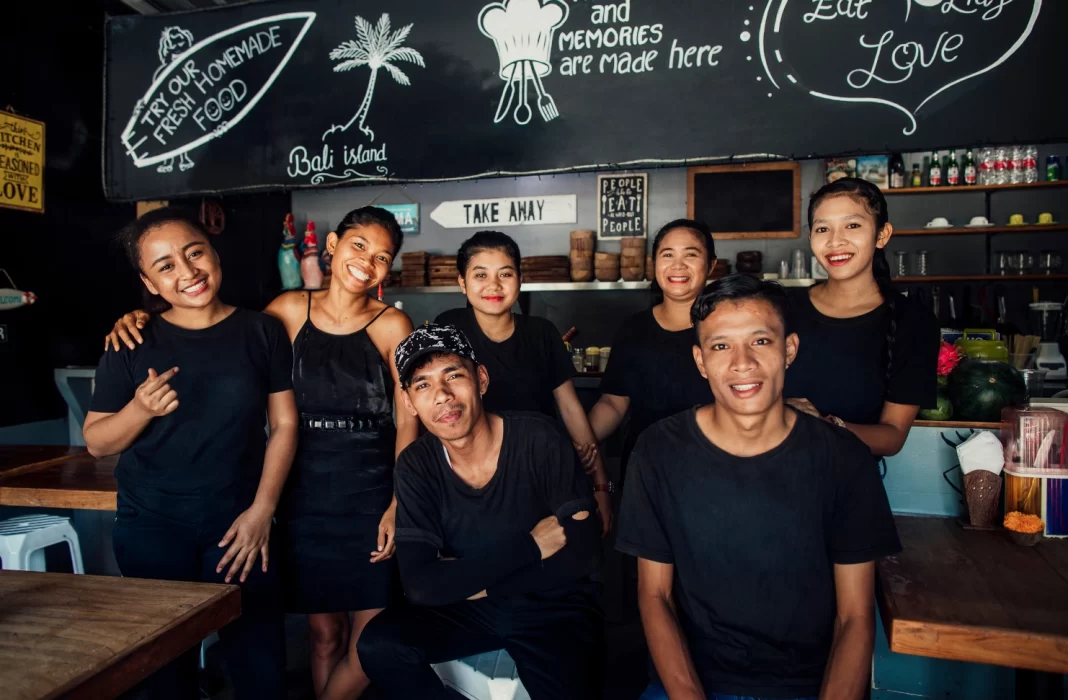
Strong restaurant teams share some common traits. They communicate clearly under pressure, support each other during rush periods, and maintain high standards even when management isn’t watching.
Great restaurant staff members understand that every role connects to the customer experience. Line cooks who plate dishes carefully, servers who remember regulars’ preferences, and hosts who manage wait times professionally all contribute to a restaurant’s success.
The most valuable team members adapt quickly to changing situations. They can switch between tasks, help colleagues who fall behind, and maintain a positive attitude when things get hectic.
These restaurant employees create the foundation for restaurants that succeed in competitive markets.
How Do You Identify Your Staffing Needs?
Start by mapping out your restaurant’s workflow during different times and busy seasons. Track how many staff members you need for each shift, including prep work, service periods, and closing duties. Consider your busiest seasons and plan your hiring strategy accordingly.
Different open positions require different skill sets and commitment levels. Front-of-house roles demand strong communication skills and the ability to handle difficult customers. Back-of-house positions need technical cooking skills and the stamina to work in hot, fast-paced environments.
Create a staffing matrix that shows minimum and optimal staffing levels for each shift. This helps you identify when you’re understaffed and guides your restaurant recruitment efforts throughout the year.
Many restaurant owners find that this approach reduces poor hiring decisions and improves job security for existing employees.
What Should Your Job Descriptions Include?

Your job description serves as the first filter for potential employees. Make it specific enough to attract qualified candidates while discouraging those who won’t fit your restaurant’s culture. Writing job descriptions requires attention to detail and an understanding of your restaurant’s core values.
Start with a clear job title that matches what job seekers actually search for. “Line Cook” works better than “Culinary Artist.” Include your restaurant’s name and location prominently in every job posting.
Outline the specific job duties and responsibilities:
- Daily tasks and expectations
- Physical requirements (standing, lifting, etc.)
- Schedule flexibility needs
- Required experience level
Be honest about working conditions. Mention the fast-paced environment, weekend and holiday requirements, and any unique aspects of your restaurant. This transparency helps filter out hiring candidates who can’t handle the reality of restaurant work.
Include information about your company culture and what makes your restaurant stand out. Do you promote from within? Offer professional development opportunities? Have a strong team atmosphere? These details attract job seekers looking for more than just a paycheck and help with employee retention from day one.
Where Should You Post Job Openings?
Traditional job boards like Indeed, ZipRecruiter, and Monster remain effective in reaching a broad audience of job seekers. These platforms let you target local candidates and filter applications based on experience and availability when you post job openings.
Industry-specific job boards often yield better results for restaurant recruitment. Oysterlink and HospitalityOnline focus specifically on restaurant and hospitality industry workers, increasing your chances of finding experienced restaurant employees through targeted job listings.
Your careers page deserves more attention than most restaurant owners give it. Job seekers research companies before applying, and a professional careers page builds credibility.
Include information about your restaurant’s mission, employee benefits, and growth opportunities to attract quality candidates.
Social media platforms, particularly Facebook and Instagram, help you reach passive candidates who might not be actively job hunting but would consider the right opportunity.
Post about open positions on your restaurant’s social accounts and encourage current staff members to share with their networks.
How Can You Tap Into Local Talent Pools?
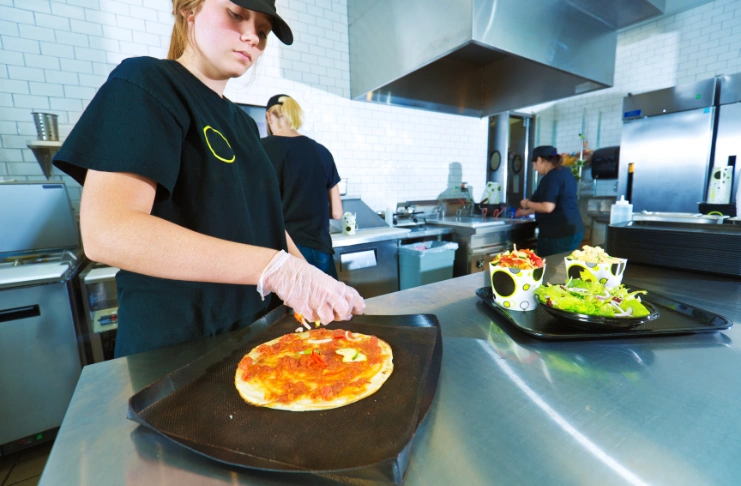
Local culinary schools offer a pipeline of trained, motivated candidates eager to start their careers. Build relationships with instructors and career services departments. Offer internships or entry-level positions to recent graduates looking for their first restaurant jobs.
Job fairs in your area connect you directly with job seekers actively looking for restaurant hiring opportunities. Community colleges, workforce development centers, and local employment agencies regularly host these events. Bring applications, business cards, and someone who can conduct preliminary interviews on the spot.
Partner with local businesses that might have overlapping staff needs. Seasonal businesses often have hourly employees looking for work during their off-seasons. Catering companies, event venues, and hotels can be good sources for experienced hospitality industry workers.
Consider posting job ads in your restaurant window where local residents can see open positions. This traditional approach still works, especially for attracting local school students and hourly workers from the neighborhood.
What Interview Questions Actually Matter?
Skip the generic questions and focus on scenarios your restaurant staff will actually face. Ask candidates how they’d handle a difficult customer, what they’d do if they fell behind during a rush, or how they’d respond to a coworker calling in sick.
Behavioral questions reveal more about a candidate’s character than hypothetical situations. “Tell me about a time you had to work as part of a team under pressure” gives you insight into their actual experience and problem-solving approach.
Test their knowledge of food safety, customer service, or cooking techniques, depending on the position. You don’t need complex questions, just enough to gauge their baseline understanding of restaurant operations.
Watch for red flags during the interview process:
- Arriving late without calling
- Speaking negatively about previous employers
- Seeming uninterested in the role details
- Unable to explain gaps in employment
How Do You Evaluate Candidates Beyond the Interview?

Reference checks provide valuable insights into a candidate’s work history and reliability. Focus on recent restaurant experience and ask specific questions about punctuality, teamwork, and handling stressful situations.
Consider working interviews or trial shifts for key positions. This gives you a chance to see how candidates perform in your actual work environment and how they interact with your existing team.
Background checks make sense for positions involving cash handling or working with vulnerable populations. Keep your screening consistent and compliant with local employment laws.
Pay attention to how candidates communicate throughout the hiring process. Do they respond promptly to emails? Show up prepared for interviews? Follow instructions properly? These details predict their future performance.
What Onboarding Process Sets New Hires Up for Success?
Your onboarding process shapes new employees’ first impressions of your restaurant. Start before their first day with a welcome packet containing schedule information, dress code requirements, and basic restaurant policies.
Assign a buddy or mentor to each new hire. This person should be an experienced team member who can answer questions, provide guidance, and help the new employee integrate into your restaurant’s culture.
Create a structured training schedule that covers:
- Food safety and sanitation procedures
- Menu knowledge and ingredients
- Point-of-sale system operation
- Emergency procedures
- Customer service standards
Don’t rush the onboarding process. New hires who receive thorough training feel more confident and perform better than those thrown into shifts without proper preparation.
How Do You Build a Positive Employee Culture?

Employee culture starts with how you treat your staff members during their first week. Make new employees feel welcomed and valued. Introduce them to the team, explain their role in the restaurant’s success, and set clear expectations.
Recognition programs don’t have to be expensive to be effective. Employee of the Month awards, public acknowledgment during staff meetings, or small bonuses for exceptional performance all contribute to a positive employee culture.
Communication plays a huge role in building strong teams. Hold regular staff meetings to discuss goals, address concerns, and share updates about the restaurant. Create channels for employees to provide feedback without fear of retaliation.
What Compensation Strategies Attract Quality Candidates?
Median base wages in the restaurant industry are around $14.48 per hour. Your compensation needs to compete with these market rates to attract quality candidates.
However, competitive wages alone won’t solve your hiring challenges. Consider offering benefits that matter to restaurant workers:
- Flexible scheduling
- Meal discounts or free shift meals
- Health insurance options
- Paid time off
- Professional development opportunities
INDUSTRY INSIGHT
| As of May 2024, the median base wage for U.S. restaurant workers is $14.10/hour, according to the Bureau of Labor Statistics. That’s up nearly 20% from pre-pandemic levels. For back-of-house roles, the gains are even sharper: Line cooks now earn a median of $16.80/hourFast food counter workers average $13.50/hourIn cities without tip credit (like Los Angeles and San Francisco), base pay for tipped workers has crossed $17–$18/hour, though tipping remains common. ADP’s data confirms the trend: base wages are up 66% since 2020, while tips have risen 23%. In Chicago, base pay has jumped 49% in four years; in D.C., tipped workers now earn $4.18/hour plus $17.58 in tips. The takeaway: wages are rising, but tipping still plays a major role in how restaurant workers get paid. |
How Can Technology Improve Your Hiring Process?

Sixty-five percent of restaurants adopted new technology in 2024 to address labor challenges. Applicant tracking systems help you manage applications, schedule interviews, and maintain candidate records more efficiently.
Online scheduling tools make it easier for candidates to book interview times that work for their schedules. This reduces the back-and-forth communication and helps you fill interview slots faster.
Digital applications and screening tools can filter candidates based on availability, experience, and other key criteria before you spend time reviewing applications manually.
What Are the Best Practices for Staff Retention?
Hiring costs money, but losing good employees costs even more. Focus on reducing employee turnover by addressing the common reasons restaurant workers leave.
Create clear advancement paths within your organization. Show employees how they can grow from prep cook to line cook, from server to shift supervisor, or from host to restaurant manager. People stay longer when they see a future.
Conduct exit interviews when employees leave to understand why they’re going and what you could have done differently. This feedback helps you improve your workplace and retain future hires.
How Do You Handle Seasonal Staffing Needs?

Many restaurants experience busy seasons that require additional staff members. Plan for these periods by building relationships with temporary workers who can return year after year.
Cross-train your core team to handle multiple positions during peak times. A server who can also work as a host or a line cook who can prep gives you more scheduling flexibility.
Consider offering bonuses or incentives for employees who stay through your busy seasons. This reduces turnover during your most critical periods and shows appreciation for their commitment.
What Legal Considerations Should You Keep in Mind?
Fair hiring practices protect both your restaurant and job candidates. Ensure your hiring process complies with equal opportunity employment laws and doesn’t discriminate based on protected characteristics.
Proper documentation of your hiring decisions helps protect your restaurant if questions arise later. Keep records of applications, interview notes, and the reasons for your hiring decisions.
Verify that all new hires can legally work in the United States. Complete I-9 forms properly and maintain these records according to federal requirements.
How Do You Scale Your Hiring as Your Restaurant Grows?

Develop systems and processes that work when you’re hiring one person or ten people. Standardized job descriptions, interview questions, and evaluation criteria make it easier to maintain quality standards as you expand.
Train your existing managers to participate in the hiring process. This distributes the workload and ensures you don’t become a bottleneck as your staffing needs grow.
Conclusion
Building a strong restaurant team starts with smart restaurant staff hiring tips that actually work. The tight labor market makes recruiting restaurant employees challenging, but restaurant owners who focus on creating detailed job descriptions, using multiple job boards for job posting, and building a strong employee culture will find quality candidates.
Remember that poor hiring decisions cost more than taking time to find the right people. Use job listings strategically, partner with local culinary schools, attend job fairs, and leverage your existing employees to find candidates. Your restaurant’s success depends on the team you build, so make every hire count.
Frequently Asked Questions
1. How to hire staff for a restaurant?
To hire restaurant staff, post detailed job descriptions on relevant job boards, conduct thorough interviews focusing on restaurant scenarios, and implement a structured onboarding process. Focus on finding candidates who fit your restaurant’s culture and can handle the fast-paced environment.
2. Why is it hard to hire restaurant workers?
The industry faces a tight labor market, with 65% of operators reporting difficulty finding qualified candidates. Competition from other industries, perceptions of restaurant work as temporary, and a lack of committed applicants create ongoing challenges.
3. What are the 5 steps in the hiring process?
Define your staffing needs, write clear job descriptions, post on appropriate job boards, conduct interviews with scenario-based questions, and implement comprehensive onboarding. Each step filters candidates to find the best fit.
4. What month do restaurants hire the most?
Most restaurants increase hiring in March-April and September-October. Plan your recruiting efforts 4-6 weeks before these peak times to ensure adequate staffing.
5. How do I find a restaurant employee?
Use traditional job boards, industry-specific sites, local culinary schools, job fairs, and social media. Employee referrals from current staff often yield the highest-quality candidates.
6. What are the staffing requirements for a restaurant?
Requirements vary by restaurant size and type, but generally include front-of-house (servers, hosts, bartenders) and back-of-house (cooks, prep staff, dishwashers) positions. Full-service restaurants typically need more staff than quick-service establishments.
7. How to promote teamwork in a restaurant?
Create clear communication channels, hold regular staff meetings, recognize team achievements, and cross-train employees. Establish a buddy system for new hires and encourage collaboration between front and back-of-house teams.
8. How do you structure a restaurant partnership?
Define roles and responsibilities clearly, establish decision-making processes, create profit-sharing agreements, and maintain open communication. Consider involving an attorney to formalize the partnership structure and protect all parties.
9. What is the chain of command in a restaurant?
Typically, it flows from the owner/general manager to assistant managers, then to shift supervisors, and finally to line staff. Clear hierarchies help with decision-making and accountability during busy service periods.
10. How to manage a team in a restaurant?
Set clear expectations, provide regular feedback, maintain consistent scheduling, recognize good performance, and address issues promptly. Lead by example and create an environment where team members feel valued and supported.
11. How to hire restaurant employees?
Focus on creating detailed job descriptions, using multiple recruiting channels, conducting practical interviews, checking references, and implementing thorough onboarding. Prioritize candidates who demonstrate reliability and positive attitudes.
12. What are fair hiring practices?
Ensure equal opportunity for all candidates regardless of protected characteristics, use consistent evaluation criteria, provide clear job descriptions, conduct unbiased interviews, and maintain proper documentation throughout the process.
13. What are the 7 steps of the recruitment process?
Identify staffing needs, write job descriptions, post job openings, screen applications, conduct interviews, check references, make hiring decisions, and complete onboarding. Each step should have clear criteria and documentation.