

A restaurant often begins as a dream, a vibrant vision of mouth-watering dishes, a buzzing ambiance, and guests returning not just for the food but for the experience. But between that spark of inspiration and opening night lies a critical bridge: your restaurant business proposal.
This isn’t just a formality. It’s your pitch to the world: a persuasive, strategic, and data-backed plan that convinces investors, landlords, and partners that your restaurant isn’t just another idea, but a concept with promise, personality, and profit potential.
Whether you’re imagining a high-end fine dining establishment, a fast-casual hotspot for busy urbanites, or a quirky themed café that thrives on Instagram buzz, a well-crafted proposal is what transforms enthusiasm into execution. It communicates your concept, captures your brand voice, outlines your market opportunity, and showcases why your venture is set to succeed.
So, before the first plate is served or the first table booked, this document becomes the heart of your business strategy, the first impression that can open doors or close them.
Let’s dive into what makes a restaurant business proposal not just good, but irresistible.
What Is Restaurant Business Proposal Writing?

Restaurant business proposal writing involves articulating your concept, strategy, and financial outlook in a format that investors, partners, and stakeholders can evaluate. It outlines how your restaurant will operate, generate revenue, and achieve success. According to IBISWorld, the global fast‑food restaurant industry is estimated at $1.1 trillion in 2024 and is projected to grow at a CAGR of 2.7 % through 2029, indicating strong investor interest in this space. A strong proposal helps you tap into that opportunity.
The Power of an Elevator Pitch and Executive Summary

Start with a short, impactful elevator pitch that presents a brief overview of your restaurant concept in just a few sentences. This hook should capture attention quickly. Follow with an executive summary, a snapshot of your entire business proposal. It should cover the mission statement, business model, restaurant concept, and financial highlights.
A DocSend study reports that seed-stage investors spend an average of 3 minutes and 44 seconds reviewing each pitch deck. A strong executive summary can make or break that decision.
Company Description and Defining Your Restaurant Concept

This section is where you introduce the business owner, your restaurant’s brand identity, and your values. Clarify the restaurant concept: Is it a farm-to-table bistro, a Korean BBQ house, or a vintage-themed dessert bar? According to industry standards, fast-casual and experiential dining are two of the fastest-growing segments in the industry. Your concept should reflect current dining habits and market demand.
Add your service style, unique design elements, and the inspiration behind the venture. This builds emotional investment and trust from potential investors.
Understanding Your Target Market and Customer Base
Accurately identifying your target market is critical. Segment your audience by age, income, location, lifestyle, and preferences.
INDUSTRY INSIGHTS
| According to the National Restaurant Association, 52% of consumers—including 67% of millennials and 63% of Gen Z adults—say that ordering takeout is an essential part of their lifestyle. Additionally, another survey reported by Modern Restaurant Management found that 66% of consumers believe a desirable dining experience is more important than price and convenience. Use this insight to show how your restaurant aligns with your target customers’ values. |
Include data from local demographics and customer surveys. Show your understanding of dining behaviors, such as preferences for takeout, dine-in, or digital ordering.
Market Research, Industry Analysis, and Location Analysis

Include comprehensive market research that addresses the current market conditions and how your restaurant concept fits into them. Include competitor analysis, gaps in the market, and opportunities.
According to Deloitte, 40% of consumers prefer placing delivery or takeout orders through a restaurant’s own app or website, while only 13% use third-party platforms. Additionally, 57% of takeout/delivery customers and 64% of dine-in guests prefer digital ordering methods, highlighting the growing demand for seamless and tech-driven dining experiences. Your market analysis section should use such trends to justify concept and design decisions.
In the location analysis, provide insight into why you’ve chosen a specific site. Cover aspects such as pedestrian traffic, parking availability, local competition, and nearby businesses. Use visual heatmaps or demographic data from real estate reports to support your claims.
Management Team: Experience that Builds Confidence

Introduce your management team with bios that include education, experience in the restaurant industry, and previous ventures. A solid, experienced team can mitigate that risk.
Highlight how each member contributes to the restaurant’s success. Include chefs, general managers, and financial advisors where applicable.
The Comprehensive Restaurant Business Plan

A detailed restaurant business plan includes operations, staffing, food sourcing, pricing strategy, and supplier relationships. Detail daily operations, from procurement to customer service. Outline how you’ll manage inventory, reduce waste, and maintain quality.
Address your staffing model, with projected roles and salaries. Mention training protocols and staff retention strategies. According to a study, the average cost of replacing a front‑line employee in a restaurant is approximately $5,864, which encompasses recruitment, training, onboarding, and productivity loss.
Marketing Strategy: Spreading the Word

Your marketing plan should go beyond the basics. Include branding strategy, digital presence, email campaigns, local influencer partnerships, PR strategy, and grand opening events. Restaurants that invest in digital marketing see 30% higher customer engagement.
Add plans for loyalty programs, promotions, and community involvement. Highlight how you’ll build brand recognition and attract investors.
Sample Menu, Menu Design, and Service Style
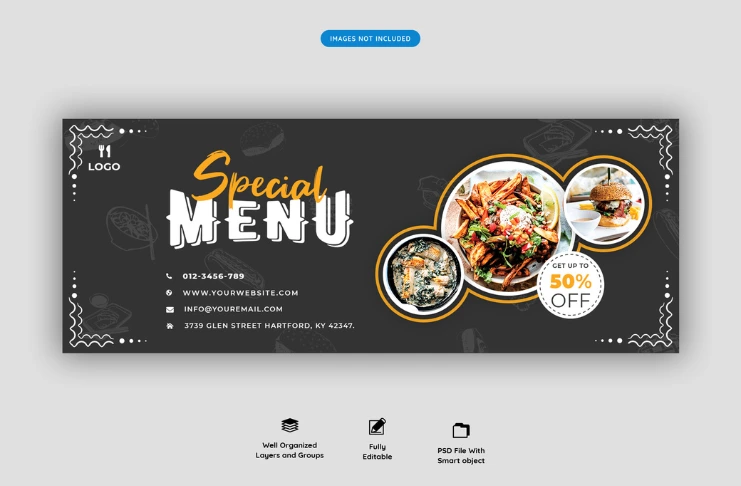
Provide a thoughtfully curated sample menu that reflects your concept and pricing tiers. Include information on your menu design, font choices, dish descriptions, pricing logic, and dietary options.
According to Gitnux’s 2025 Customer Experience report, 65% of diners appreciate the ability to customize their meals, which significantly enhances satisfaction and brand loyalty. Highlight if your menu reflects such flexibility. Explain your service style (table service, buffet, counter service) and how it enhances customer experience.
Restaurant Design, Operations Plan, and Technology
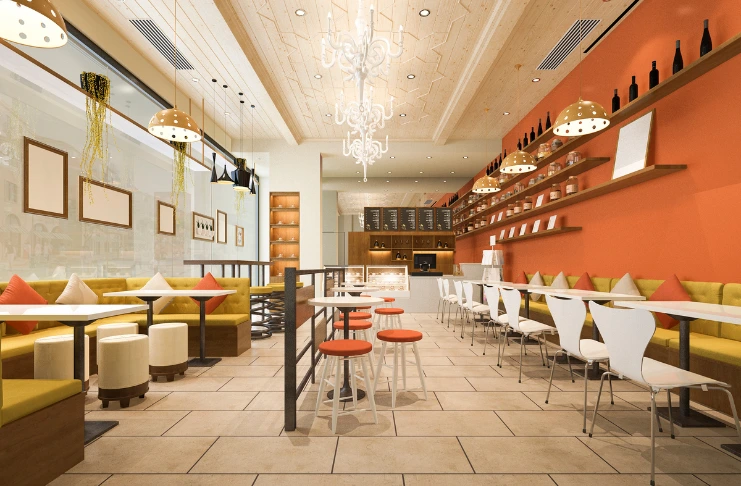
Include architectural sketches or inspiration boards for the layout. A good design improves customer experience and maximizes seating capacity.
Your operations plan should outline standard procedures, from opening to closing. Include technology integration such as POS systems, online ordering, reservations, and customer feedback tools. Several industry reports have shown that restaurants using integrated tech solutions experience 20% faster order processing.
Financial Strategy, Financial Projections, and Break-Even Analysis

Your financials section should include:
- Revenue forecast (3-5 years)
- Expense projections
- Cash flow
- Break-even analysis
Restaurants typically need 12 to 18 months to break even. Highlight when your restaurant will become profitable and explain your assumptions.
Use visuals like bar charts or tables to display average revenue, costs, and profits. Demonstrating a path to profitability helps secure funding.
Startup Costs, Loss Statement, and Risk Mitigation

List all startup costs in detail: lease, kitchen equipment, licenses, insurance, initial staffing, and marketing. Restaurant Owner estimates state that the average cost to open a restaurant in the U.S. ranges from $175,500 to $750,500, with a median around $375,500, depending on concept, size, and location.
Include a projected loss statement for Year 1 and identify key financial risks, from supplier disruption to regulatory changes, along with your mitigation strategies.
Funding Requirements and Financial Documents

Be specific about how much funding you need and how you’ll allocate it. Use pie charts to show distribution across categories: renovations, staff, marketing, and contingency.
Attach appendices with income statements, balance sheets, and ownership terms. If offering equity, explain the valuation and investor returns.
Competitive Advantage and Retention Strategies

Clearly highlight what makes your restaurant stand out. It could be a unique cuisine, prime location, operational model, or sustainable sourcing. Most of the diners are more likely to support brands with a purpose.
Discuss retention strategies: loyalty cards, memberships, exclusive events, and subscription models.
Sustainability, Social Impact, and Legal Structure

If your restaurant prioritizes eco-friendly operations or social initiatives, highlight these aspects. About 62% of U.S. consumers surveyed in 2022 said they would reward restaurants that demonstrate a commitment to sustainability. Moreover, the share of operators valuing sustainability as necessary for competitiveness grew from 58% in 2019 to 65% in 2022.
Also, outline your legal framework and permit requirements. Clarify business registration, FSSAI licenses, alcohol permits, fire safety, and food handling compliance.
Timeline, Staffing Needs, and Launch Plan
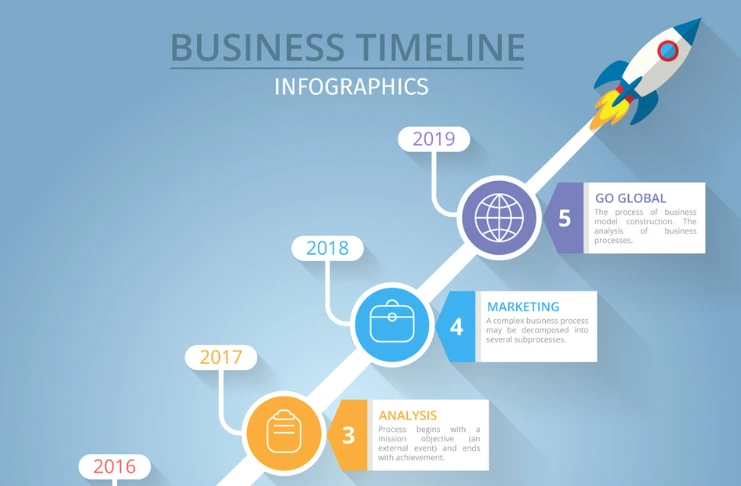
Provide a detailed Gantt chart or list outlining milestones, from funding secured and construction to staff onboarding and launch date.
Mention projected hiring numbers, training programs, uniforms, and health protocols. Having a clear staffing and launch plan ensures smooth operations from day one.
Using a Restaurant Business Plan Template

Leveraging a professionally designed restaurant business plan template can significantly accelerate your proposal writing process while ensuring you don’t miss any essential sections. These templates provide a structured framework that typically includes all key elements such as the executive summary, market analysis, menu design, operations plan, financial projections, and marketing strategy.
Templates also help ensure consistency in formatting and tone, two crucial factors when you’re targeting professional investors or partners. You can easily customize them to reflect your restaurant’s concept, mission, and branding, and most templates come with editable financial tables that automatically calculate projections, saving you hours of manual work.
Some platforms offering free or premium restaurant business plan templates include:
- Bplans by Palo Alto Software
- SBA.gov Business Plan Tool
- Canva, which offers aesthetically appealing templates for presentations or proposals.
Choose a template that aligns with your concept (fast casual, fine dining, food truck, etc.) and update it to reflect local market realities, target demographics, and competitive positioning.
Common Mistakes and Final Tips on How to Write a Restaurant Proposal That Sells

Many entrepreneurs fail to secure funding or support due to critical oversights in their proposals. Here are some common pitfalls:
- Lack of Concept Clarity: A vague restaurant concept, e.g., “a fusion bistro for everyone,” won’t inspire investor confidence. Be clear, focused, and unique.
- Overestimating Revenue: It’s tempting to paint a rosy financial picture, but unrealistic projections will raise red flags. Ground your forecasts in data, such as average revenue per seat, realistic footfall estimates, and average order value.
- Incomplete Financials: Skipping crucial numbers like break-even analysis, capital expenditure, and cash flow statements can make your plan seem amateurish.
- No Competitive Analysis: Failing to analyze your local competitors or market trends shows a lack of preparation. Include SWOT analysis, pricing comparisons, and differentiators.
Final Tips for a Winning Proposal:
- Customize for Your Audience: Tailor the tone and focus to your audience. Banks want repayment potential, investors seek scalability, and landlords look for steady tenancy.
- Be Realistic and Data-Driven: Use third-party data from sources like IBISWorld, Statista, or the National Restaurant Association to support your claims.
- Avoid Industry Jargon or Buzzwords: Keep it simple and professional. Phrases like “game-changer” or “next-gen dining” without substance can feel hollow.
- Use Storytelling to Connect: Share your origin story, passion, or culinary philosophy. Emotional resonance can turn a dry document into a memorable pitch.
- Incorporate Visuals: Charts, images of your food, proposed floor plans, and market data visualizations make your proposal easier to digest and more engaging.
Bonus Tip: Always proofread your document and, if possible, get a second set of eyes, preferably someone with industry or investment experience, to review it before submission
Conclusion
A compelling restaurant business proposal isn’t just a document—it’s your roadmap and ticket to securing investors. With deep market research, transparent financials, and a clear voice, your restaurant venture can move from concept to reality. Backed by data and strategy, your dream has every chance to become a successful restaurant.
Frequently Asked Questions
1. How do you write a business proposal for a restaurant?
Begin with an executive summary, followed by a definition of your concept, target market, location, menu, operations, financials, and marketing strategy. Support it with market research and realistic projections.
2. How do I write a business proposal for a small business?
Outline your business idea, goals, products or services, market research, operational plan, marketing approach, and financial projections. Keep it clear and data-backed.
3. What are the 5 steps of writing a business proposal?
1. Understand your audience and purpose.
2. Write an engaging executive summary.
3. Explain the problem and your solution.
4. Detail your operations, marketing, and financials.
5. Conclude with a call to action or investment ask.
4. How to write a business proposal on food stuff?
Describe the food products, sourcing, target market, pricing strategy, distribution plan, and revenue projections. Emphasize quality, safety, and market demand.
5. How to write a restaurant business proposal?
Include concept, market analysis, menu, service style, location, operations, management team, marketing plan, and detailed financials to attract investors.
6. How do you write a proposal for selling a product?
Introduce the product, identify the market need, explain features and benefits, outline pricing and distribution, and close with a clear sales or partnership proposal.
7. How to write a proposal as a food vendor?
Present your menu, pricing, service setup, hygiene practices, past experience, and how you meet the event or client’s needs. Include permits and logistical details.
8. How to do a proposal at a restaurant?
If referring to a business proposal, bring a well-prepared pitch and materials. If referring to a romantic proposal, plan with the restaurant in advance for ambiance and timing.
9. How to write a business proposal for a restaurant?
Begin with an executive summary, followed by a definition of your brand and target audience. Then, describe your menu and service offerings. Next, provide a comprehensive marketing and financial plan, and conclude by highlighting your competitive edge.
10. What are the 7 contents of a business plan?
1. Executive summary
2. Company description
3. Market analysis
4. Organization and management
5. Service or product line
6. Marketing and sales
7. Financial projections
11. What are the three C’s of a business proposal?
Clear, Concise, and Compelling are the 3Cs of a business proposal.
12. What to include in a restaurant business plan?
Concept, target market, location analysis, menu, service style, operations, management team, marketing strategy, financial projections, and startup costs.
13. How to write a proposal for an investor?
Highlight the problem, your solution, business model, team, market potential, competitive advantage, financials, and funding request with ROI expectations.
14. How to write a proposal for a restaurant?
Explain your concept, market fit, menu, team, operations, and financials. Emphasize what sets your restaurant apart and why it’s a viable investment.
15. How do I propose a business to an investor?
Craft a pitch that addresses a market need, outlines your solution and business model, presents financial projections, and clearly explains what you’re offering in return for investment.
16. What information does a restaurant investor need?
They need the concept, market analysis, financials (including projections and break-even analysis), team background, operational plan, and expected return on investment.