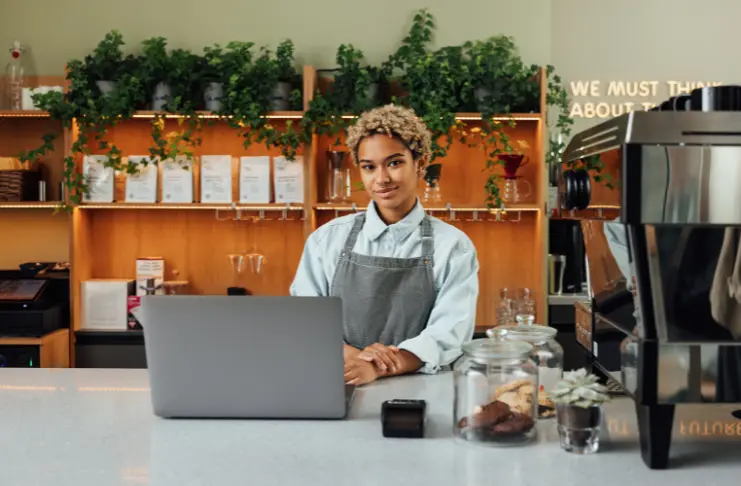

When Susan launched her boutique BBQ joint in Austin, her culinary vision was clear—but her digital presence wasn’t. Her old website had a broken menu link, lacked mobile optimization, and had no booking functionality. Despite rave reviews offline, online searchers bounced within seconds.
Six months later, she rebranded her site using a smart restaurant website builder, added an online ordering system optimized for mobile devices, and included high-quality photography showcasing her smoky masterpieces. The result? A 34% jump in online orders and over 500 new reservations in two months.
Susan’s story isn’t unique. Across America, restaurant owners are discovering that their website serves as the digital front door to their establishment. In an era where 83% of diners research restaurants online before making a decision, and 75% of millennials check a restaurant’s website before visiting, your digital presence can make or break your business success.
For U.S. restaurateurs, the website is no longer optional; it’s a high-converting storefront, marketing engine, and customer experience builder rolled into one. The pandemic accelerated this shift, with online food ordering growing by 300% since 2020. Let’s break down the restaurant website must-have features that turn traffic into revenue.
Restaurant Website Must-Have Features

To stand out in today’s ultra-competitive F&B landscape, your website must do more than look good; it must function as a growth engine. The most successful restaurant websites combine aesthetic appeal with functional excellence, creating digital experiences that mirror the quality of the dining experience itself. Below are the most essential elements every great restaurant site needs:
- An online ordering system integrated directly on the website
- Mobile-friendly design that adapts seamlessly across all screen sizes
- High-quality photos of food, interiors, and the team for visual credibility
- A live, searchable restaurant menu
- Prominent contact info and Google Maps location
- Reservation tools or embedded third-party widgets (like OpenTable)
- Trust-building features like positive reviews and social proof
- A content management system to keep everything fresh and up to date
- Marketing tools: email capture, loyalty offers, social integration
- Full SEO setup: both on-page and off-page
- Display of key restaurant offers, seasonal updates, and promotions
Each of these features works synergistically to create a comprehensive digital ecosystem that supports every aspect of your restaurant’s customer journey, from discovery to repeat visits.
Let’s explore these features in depth.
Good restaurant website vs great restaurant website
Many restaurants in the U.S. have websites, but not all are built to convert. The difference between a functional website and a phenomenal one often lies in the details—those small enhancements that collectively create a superior user experience. Here’s how to move from functional to phenomenal:
| Feature | Good restaurant website | Great restaurant website |
| Menu | Static PDF or text | Interactive, searchable, well-designed |
| Ordering | 3rd-party delivery link | Native online ordering system |
| Mobile Experience | Mobile compatible | Fully responsive, optimized load speeds |
| Images | A few stock photos | Custom high-quality photography |
| SEO | Basic setup | Full on-page SEO, schema, blog updates |
| Marketing | None | Email list, promos, loyalty programs |
| Analytics | None | Integrated website traffic and user tracking |
Great restaurant websites anticipate customer needs at every touchpoint. They provide instant gratification for hungry visitors while building long-term relationships through strategic engagement tools. They don’t just display information, they create experiences that reflect the restaurant’s brand personality and values.
Online Ordering System: Your 24/7 cashier
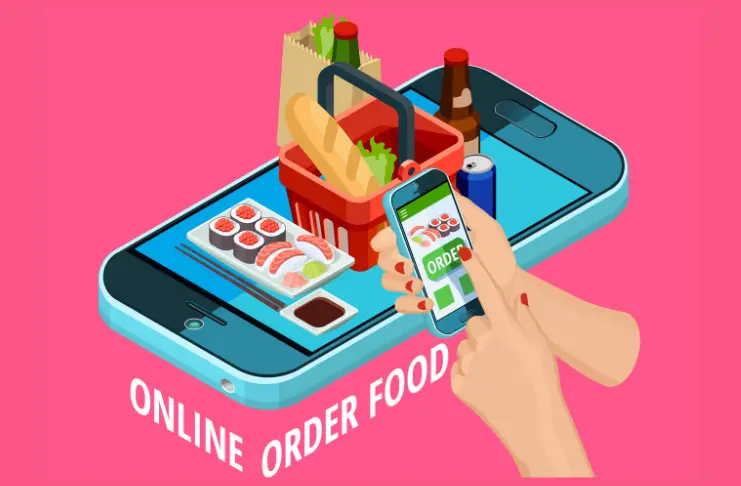
Restaurants with an online ordering system increase average order value by up to 30%. This isn’t just about convenience, it’s about creating a frictionless path to purchase that works around the clock. Direct ordering also means fewer third-party commissions and full control over the customer experience.
The psychology behind online ordering reveals why it’s so effective. When customers order online, they tend to spend more time browsing the menu, leading to higher order values. They’re also more likely to add extras, upgrades, or desserts without the perceived pressure of keeping a server waiting.
Top benefits:
- Higher profit margins on takeout/delivery (typically 15-20% more than third-party platforms)
- Real-time updates to availability and wait times
- Customer data collection for future targeting
- Seamless checkout improves retention
- Upselling opportunities through strategic menu placement
INDUSTRY INSIGHT
| According to the NCR Voyix 2025 Customer Experience Report, 58% of U.S. consumers prefer placing delivery orders directly through a restaurant’s app or website, highlighting the growing advantage of native, first-party ordering channels. |
Whether it’s built-in or integrated via platforms like Restroworks, Toast, ChowNow, or Square, online ordering is essential for modern U.S. restaurants.
Mobile-Friendly Design: Where over 60% of traffic comes from

A Report by Synup reports that mobile searches for queries like “___ near me today/tonight” grew by over 900% over two years, confirming explosive growth in location-based food searches. A responsive website ensures hungry users find, browse, and order with ease, regardless of the device they’re using.
Mobile users often make spontaneous decisions, such as searching for nearby restaurants while walking down the street or deciding on lunch during a brief work break. This requires rethinking the entire user experience for touch-based navigation and immediate gratification needs.
What to focus on:
- Optimized navigation on mobile with thumb-friendly touch targets
- Click-to-call buttons are prominently displayed
- Sticky headers for quick access to the menu or order
- Compressed assets to improve mobile loading speed
- No PDFs—mobile users won’t download them
- Large, readable fonts that don’t require zooming
- Strategic use of white space to prevent accidental taps
Poor mobile experience equals lost customers. According to Google, 53% of mobile users abandon a website that takes more than 3 seconds to load. Furthermore, 61% of users are unlikely to return to a mobile site they had trouble accessing, and 40% will visit a competitor’s site instead.
High-quality Photography: Sell the experience visually

Photos influence cravings. Period. According to an infographic by MDG Solutions / MDG Advertising, 67% of consumers consider the quality of a product image “very important” when selecting and purchasing a product online, more important than product-specific information (63%), long descriptions (54%), or ratings and reviews (53%). But great restaurant photography goes beyond just making food look appetizing—it tells a story, conveys atmosphere, and builds emotional connections with potential diners.
Professional food photography is an investment that pays dividends across all marketing channels. The same high-quality images can be repurposed for social media, print marketing, delivery platforms, and email campaigns.
Use professional photography for:
- Hero images on the homepage that immediately convey your restaurant’s personality
- Featured dishes in the menu showcase signature items
- Chef/owner portraits for authenticity
- Decor and ambiance shots to convey atmosphere
- Behind-the-scenes kitchen photos that build trust
- Staff interactions that humanize your brand
Image optimization tip: Use WebP or compressed JPEGs to balance visual quality and load time. Always include alt-text to boost on-page SEO and improve accessibility.
Studies show that high-quality food images trigger the same neural pathways associated with actual eating, creating genuine cravings that drive purchasing decisions. Beyond individual dish photography, lifestyle and ambiance shots help potential customers envision themselves in your space.
Restaurant Menu: The most viewed page
An accessible, legible, and visually appealing restaurant menu is non-negotiable. Your menu page typically receives more traffic than any other section of your website, making it prime real estate for conversion optimization. Forget static PDFs. Customers want to scroll, filter, and find what suits them in seconds.
Make it easy with:
- Categories (starters, entrees, vegan, gluten-free) with clear navigation
- Icons for dietary preferences
- Prices, short descriptions, and allergens
- Photos of best-sellers
- Tags like “customer favorite” or “chef’s special”
- Search functionality for quick item discovery
- Integration with the ordering system for seamless purchase flow
A text-based menu helps search engines read and rank your offerings, boosting visibility on search engine results pages (SERPs). This means potential customers searching for specific dishes are more likely to find your restaurant if your menu is properly optimized.
Menu psychology plays a crucial role in profitability. Strategic placement of high-margin items, descriptive language that enhances perceived value, and visual hierarchy that guides attention to profitable dishes can significantly impact average order value.
Google Business Profile & Reviews: Your SEO sidekick

Claim and optimize your Google Business Profile to appear on Google Maps, local packs, and voice search. This free tool serves as a digital storefront that appears directly in search results, providing essential information and influencing customer decisions before they even visit your website.
Include:
- Restaurant name, address, phone (NAP) consistency
- Business hours (including holidays)
- Links to your website, menu, and reservations
- High-res photos and regular review responses
- Posts about specials and events
- Q&A section addressing common inquiries
According to BrightLocal’s Local Consumer Review Survey, 76% of U.S. consumers “regularly” read online reviews when researching local businesses, underscoring why displaying positive reviews on a restaurant’s website is a powerful trust signal—most diners check reviews before choosing where to dine. Google’s algorithm considers review quantity, recency, and ratings when determining local search rankings.
Review management requires active engagement, professional responses to feedback, and systematic approaches to encouraging satisfied customers to share their experiences.
Contact Info: Remove all friction

Include easily accessible contact information in the header, footer, and a dedicated Contact page. Every barrier between a customer and your restaurant represents lost business potential. Embed Google Maps with “Get Directions,” and use click-to-call buttons on mobile.
Don’t forget:
- Email address or inquiry form
- Phone number with active response hours
- Reservation options or OpenTable widget
- FAQs for common guest questions
- Social media links
- Operating hours with holiday updates
Accessibility and accuracy here directly affect conversions, especially for first-time guests and travelers. Consider providing comprehensive location information, including parking details and public transportation options, to reduce no-shows and improve customer satisfaction.
Content Management System: Stay fresh, stay relevant

An outdated website with expired offers or a winter menu in August kills trust. Using a reliable content management system (CMS) ensures your team can make fast updates without technical expertise or developer dependencies.
Choose platforms like:
- WordPress with restaurant themes
- Wix or Squarespace with drag-and-drop editors
- Restaurant-specific platforms like BentoBox or GloriaFood
With the right CMS, updating menus, hours, and restaurant offers becomes a 5-minute task, not a dev ticket. This agility is particularly important for restaurants that frequently change menus or run seasonal promotions.
The content management workflow should accommodate multiple users with different permission levels while maintaining quality control and brand consistency.
Marketing Tools: Turn visitors into regulars

Good marketing makes a good restaurant visible. Your site should include all the marketing tools you use elsewhere, so it becomes your conversion headquarters. The integration of marketing tools directly into your website creates a seamless experience that maximizes every visitor interaction.
Must-haves:
- Email subscription forms with compelling lead magnets
- Pop-ups for offers and new dish alerts
- Loyalty program sign-up buttons
- Promo banners for happy hours, events
- Embedded social media posts or UGC
- Referral program integration
Capture customer data with opt-ins to keep diners engaged. Data from Mailmodo’s 2025 marketing analysis shows that email campaigns yield an average return of $42 for every $1 invested, making it one of the highest ROI channels available. For restaurants, email marketing is particularly effective because it allows for targeted promotions and personalized offers based on dining history.
The key lies in segmentation and personalization. Different customer groups respond to different messages; families might appreciate kid-friendly promotions, while business professionals value quick lunch options.
On-page and Off-page SEO: Help hungry customers find you
Even the best restaurant sites won’t help if no one can find them. Local SEO is particularly crucial for restaurants, as most diners search for nearby options. Master both on-page SEO and off-page SEO to rank for search queries like “best sushi in Seattle” or “vegan brunch near me.”
SEO best practices:
- Meta titles and descriptions on every page
- Structured data (schema) for menu, hours, and reviews
- Alt-text for all images
- Backlinks from food blogs, local publications
- Guest features or PR mentions to boost off-page SEO
- Local directory listings with consistent information
- Content marketing through blog posts about food trends and local events
Make sure your website is indexed properly and loads in under 3 seconds. Site speed affects SEO rankings directly. Content marketing represents a significant opportunity for restaurants to improve SEO while building brand authority through seasonal ingredient stories, cooking techniques, and behind-the-scenes content.
User-generated Content: Let happy customers do the talking
Social proof is stronger than any copywriting. Use plugins or embed tools to showcase:
- Instagram posts with your food
- Tagged photos from happy diners
- Review snippets on the homepage
- UGC galleries in the menu section
- Video testimonials from satisfied customers
Always credit creators and encourage tagging for a chance to be featured. You’re not just a restaurant, you’re a community. User-generated content also provides valuable insights into how customers actually experience your restaurant and what moments they find worth sharing.
Restaurant Offers and Promos: Showcase your value
Every restaurant runs promotions, but only some display them where they matter. Make sure to present your best-value deals on the homepage and relevant pages.
Examples:
- Weekly or seasonal discounts
- New menu launch announcements
- Loyalty or referral bonuses
- Early bird or happy hour banners
- Group dining packages for celebrations
Keep this section updated via your CMS to avoid outdated info. Active promotions drive impulse ordering and help attract new customers. The key is balancing promotional frequency with perceived value; too many discounts can devalue your brand.
Conclusion
Your website isn’t just a formality; it’s your most valuable marketing and sales tool. From restaurant menu design to high-quality photography, from mobile optimization to loyalty integration, each feature plays a part in attracting and converting online visitors.
The restaurant industry has undergone permanent changes in consumer behavior, with digital engagement becoming a prerequisite rather than an option. The investment in a comprehensive restaurant website pays dividends across multiple areas: increased order values, improved operational efficiency, enhanced brand recognition, and stronger customer relationships.
Success in today’s restaurant landscape requires thinking beyond traditional hospitality to embrace digital hospitality, creating online experiences that are as memorable and satisfying as the dining experiences you provide in person.
If you’re a restaurant operator in the U.S. aiming to grow in 2025 and beyond, prioritize these restaurant website must-have features. Your next loyal customer is probably just one click away from finding your page on Google Maps to hitting that “Order Online” button.
Frequently Asked Questions
1. What should a restaurant website have?
A restaurant website should have a mobile-friendly design, seamless online ordering, and integrated reservation tools to meet customer expectations. It should also feature high-quality images of food and ambiance, updated contact details, and clear business hours to build trust and drive conversions.
2. What is one feature that many restaurant websites offer?
One commonly offered feature on restaurant websites is online ordering or booking integration. This allows customers to conveniently place orders or reserve tables without making a phone call, improving user experience and operational efficiency.
3. What are the three most important features the website should have?
The three most important features are a responsive mobile design, an efficient online ordering system, and an interactive, easy-to-navigate menu. These elements ensure that visitors have a smooth experience across devices while encouraging direct engagement and transactions.
4. What is a key feature of specialty restaurants?
A key feature of specialty restaurants is a compelling brand story that reflects their unique culinary identity. They also often offer a tailored menu experience that aligns with their niche cuisine or dining concept.
5. What should a professional website include?
A professional website should include a clean and modern design, SEO optimization for visibility, and authentic customer reviews. It should also have high-quality photos, fast load speeds, and user-friendly navigation for a smooth experience.
6. What are the elements of a good website design?
Good website design includes a responsive layout that works on all devices, intuitive navigation that guides users easily, and search engine optimization to attract traffic. Additionally, fast loading times enhance user satisfaction and reduce bounce rates.
7. What should be on a restaurant website?
A restaurant website should feature menus, online ordering or reservation links, location and directions, customer reviews, food and venue photos, up-to-date contact information, and social media links. These help build credibility and make it easier for customers to connect.
8. What content should be included in a website?
A good website should include an About page that tells your story, an updated menu, reservation options, ongoing offers, a blog or news section for updates, and customer testimonials. This content engages users and supports SEO efforts.
9. What does a good website include?
A good website includes useful and up-to-date information, attractive visuals that match the brand, simple and intuitive UX, and accurate contact and location details. It should be functional while reflecting the brand’s identity.
10. What should a website menu include?
A restaurant website menu should clearly list dish names, prices, and appealing descriptions. Including food photos and dietary labels (like vegan, gluten-free, or spicy) helps customers make quick and informed decisions.
11. How to make a good restaurant website?
To create a successful restaurant website, consider using a reliable website builder or hiring a professional developer. Ensure you include essential features like mobile responsiveness, SEO, online ordering, and high-quality visuals that showcase your brand.
12. What website platform is best for restaurants?
Popular platforms for restaurant websites include WordPress with food plugins, BentoBox for industry-specific solutions, Squarespace for easy drag-and-drop design, and GloriaFood for free online ordering features. Each has strengths depending on your needs and budget.
13. What should be on the home page of a restaurant website?
The home page should have a captivating hero image, clear call-to-action buttons for ordering or booking, your restaurant’s location, and menu highlights. Adding social proof like customer reviews or media mentions builds trust instantly.
14. How much should I charge to build a website for a restaurant?
Building a restaurant website typically costs between $2,000 and $10,000 or more. The price depends on design complexity, integrations (like POS or booking systems), content development, and whether custom development or a website builder is used.