



In early 2025, a promising fine dining restaurant in Orchard Road hit a snag just weeks before opening. Its interior dazzled with contemporary Asian fusion design; the menu was bold, featuring innovative dishes that promised to redefine Singapore’s culinary landscape. Yet on opening day, the doors stayed closed—literally. A missing food shop licence from the Singapore Food Agency (SFA) blocked entry, turning what should have been a triumphant launch into a costly lesson in regulatory compliance. The owners realized too late that strong culinary ideas alone are not enough to launch a successful food business in Singapore’s highly regulated environment.
This incident highlights a critical reality facing Singapore’s F&B industry: exceptional food and service are meaningless without proper licensing and regulatory compliance. The city-state’s reputation as a safe, world-class dining destination is built on rigorous oversight and systematic enforcement of food safety standards. Every year, hundreds of new restaurants attempt to enter Singapore’s competitive F&B market, but those who underestimate the regulatory requirements often face costly delays, hefty fines, or even permanent closure.
This blog walks you through every permit and regulatory step needed to secure restaurant licences in Singapore. It explains how to navigate food safety requirements, compliance with multiple authorities, and operational prerequisites that govern successful food service operations. It is designed for restaurant owners, F&B entrepreneurs, and operators of food outlets—from food courts to mobile food wagons—who must meet all local regulations and serve customers safely while building sustainable, profitable businesses.
1. Overview of Food Business Permits in Singapore

Operating any form of food retail outlet, food stall, snack counter, or restaurant in Singapore requires comprehensive approval from multiple government agencies, with the Singapore Food Agency (SFA) serving as the primary regulatory body. The regulatory framework is designed to ensure food safety, environmental sustainability, and public health protection across all food service operations, from small-scale hawker stalls to large commercial kitchens serving thousands of meals daily.
The complexity of Singapore’s food business licensing reflects the country’s commitment to maintaining its status as a food safety leader in Asia. Over 90% of Singapore’s food supply is imported, making the country highly dependent on global sources. Singapore imports food from over 170 countries and regions to feed its population, and the government takes food safety regulations seriously. The multi-agency approach ensures comprehensive oversight while preventing gaps that could compromise public health or environmental standards.
Depending on your specific food business concept and operational model, you may need several different types of permits and licenses:
Food shop licence: Required for all permanent food shop operations, including restaurants, cafes, food courts, bakeries, catering businesses, and even cloud kitchens. This is the foundation permit that covers basic food safety, hygiene standards, and operational compliance. The application process is thorough, requiring detailed documentation about your premises, staff qualifications, and food safety management systems.
Food stall licence: Designed for temporary or event-based food service setups, including festival booths, pop-up restaurants, mobile food units, and seasonal operations. These licenses are typically issued for shorter durations and may have different renewal requirements compared to permanent establishments.
Liquor licence: Essential if you plan to serve any alcoholic beverages, including beer, wine, spirits, or even cooking wines used in food preparation. The licensing authority considers factors like location, target clientele, operating hours, and proximity to sensitive areas like schools or religious buildings.
Public entertainment licence: Required if you host live music performances, DJ sets, karaoke, dancing, or any form of public entertainment that goes beyond background music. This license involves additional safety requirements and may affect your operating hours and capacity limits.
You must also register all food handlers working in your establishment and ensure they meet food safety practices requirements, including implementation of a comprehensive food safety management system (FSMS) and basic food hygiene certification, as certified by SFA or recognized training providers. The training requirements vary based on the size and type of your operation, with larger establishments requiring more comprehensive staff certification.
Additionally, modern food businesses must consider digital compliance requirements, including online ordering platforms, delivery partnerships, and digital payment systems, all of which may have additional regulatory implications depending on your business model and target market.
2. Who Regulates and Issues Licenses

Singapore’s food business regulatory landscape involves multiple government agencies, each with specific responsibilities and oversight areas.
Singapore Food Agency (SFA) is the primary statutory board overseeing food business operations, food safety standards, licensing procedures, inspections, and enforcement. Established in 2019, SFA consolidated food-related functions to create a streamlined approach to food safety regulation.
National Environment Agency (NEA) handles sanitation-related licensing, including approvals for outside seating, hygiene compliance, waste management systems, and Resource Sustainability Act compliance affecting waste segregation requirements.
Singapore Police Force issues liquor licences for establishments serving alcoholic beverages, considering location appropriateness, community impact, security measures, and background checks.
Urban Redevelopment Authority (URA) oversees land-use permissions, zoning compliance, and tenancy approvals. URA ensures food establishments operate in designated commercial areas and building modifications comply with planning regulations.
Singapore Civil Defence Force (SCDF) ensures fire safety compliance and issues fire certificates required for all food establishments, evaluating equipment placement, emergency exits, and fire suppression systems.
Ministry of Manpower (MOM) regulates employment aspects, including work pass requirements for foreign workers and workplace safety standards.
Inland Revenue Authority of Singapore (IRAS) handles business registration, GST compliance for establishments exceeding revenue thresholds, and tax obligations.
3. Food Shop Licencse: Your Core Permit

The food shop licence represents the cornerstone of legal food service operations in Singapore. Any establishment selling food, restaurants, food retail outlets, fast food chains, fine dining establishments, or virtual kitchens must obtain this fundamental permit before operations begin.
The application process for a Food Shop Licence typically takes 4 to 8 weeks, provided that all required documents are submitted correctly and the premises pass regulatory inspections. SFA generally issues an In-Principle Approval (IPA) within 7 working days of receipt of a complete application, followed by renovation setup, a pre-licensing inspection, and final licence fee payment.
Key application steps:
Initial Documentation: Submit the food shop declaration form with supporting documents, including a valid tenancy agreement, fire certificate from SCDF, detailed FSMS plan, floor plans showing kitchen layout, equipment specifications, and proof of URA zoning compliance.
Staff Registration: Register all food handlers involved in food preparation, service, or handling. Each staff member must obtain a basic food hygiene certificate through SFA-approved training providers covering personal hygiene, food storage, contamination prevention, and cleaning procedures.
Premises Inspection: Undergo mandatory pre-licensing inspection (virtual for smaller establishments, in-person for larger operations). Inspectors evaluate hygiene standards, kitchen layout efficiency, equipment functionality, food storage systems, waste disposal arrangements, and ventilation adequacy.
Final Approval: Successful applicants receive a Food Service Establishment Certificate, which must be prominently displayed. This includes specific operating conditions, capacity limits, approved food types, and any special requirements.
The food shop licence includes ongoing obligations: annual renewals, periodic inspections, immediate reporting of food safety incidents, staff training updates, and compliance with regulatory changes. Non-compliance can result in warnings, fines, operational restrictions, or license revocation.
4. Food Safety Compliance

Obtaining a food shop licence is just the beginning of your food safety compliance journey. The license comes with ongoing expectations for maintaining high food safety and sanitation standards throughout your operation’s lifetime.
Food Safety Management System (FSMS) Implementation: Every licensed food establishment must implement a robust FSMS based on HACCP (Hazard Analysis and Critical Control Points) principles. Your FSMS must identify potential food safety hazards at every operational stage, from ingredient receiving through food preparation, cooking, holding, and service.
FSMS documentation must include standard operating procedures for each critical control point, monitoring schedules and record-keeping systems, corrective action protocols, verification procedures, and regular review mechanisms.
Daily Operational Compliance: Consistent daily implementation includes regular in-house checks covering proper food handling techniques, equipment hygiene and maintenance, food preparation surface sanitization, temperature monitoring for refrigeration and cooking, personal hygiene compliance, and proper storage procedures for raw materials and prepared foods.
Environmental Sanitation Programme: All food establishments must enroll in NEA’s environmental sanitation programme, addressing waste disposal procedures, pest control measures, facility maintenance standards, water quality monitoring, and air quality management.
Recent data shows non-compliance among retail food establishments averaged only 3% between 2019 and 2021, indicating high adherence to food safety standards across Singapore’s F&B landscape.
Technology Integration: Modern establishments increasingly use digital temperature monitoring systems, automated inventory management, staff training apps, and compliance tracking software to streamline safety processes while providing detailed documentation for inspections.
5. Training: Food Handlers & Hygiene Certification
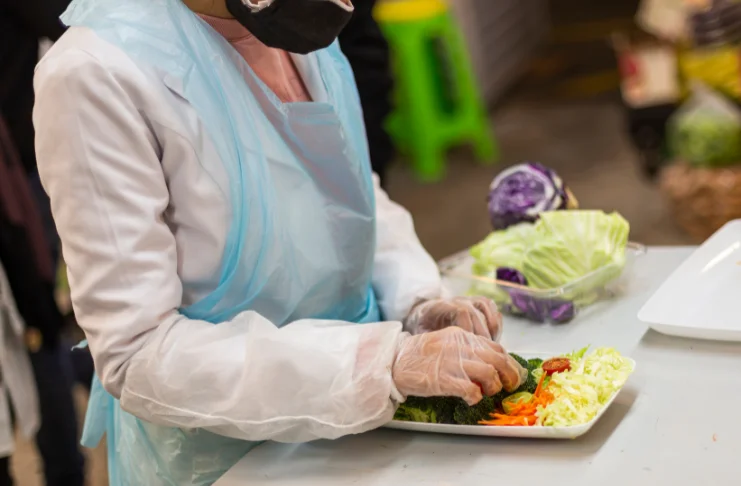
Human capital represents the most critical element in maintaining food safety standards, making comprehensive staff training and certification requirements a cornerstone of Singapore’s food safety regulatory framework. All personnel involved in any aspect of food service—from preparation and cooking to serving and cleaning—must possess appropriate hygiene certification and receive ongoing training updates.
Basic Food Hygiene Certificate Requirements: Every food handler working in Singapore must obtain a basic food hygiene certificate through SFA-approved training providers. The certification process covers fundamental principles including personal hygiene practices, proper handwashing techniques, safe food handling procedures, contamination prevention strategies, cleaning and sanitization protocols, proper use of protective equipment, and basic foodborne illness prevention knowledge.
The training intensity and duration vary based on establishment size, food type complexity, and operational risk levels. Small-scale operations may require basic 4-hour certification courses, while larger establishments or those handling high-risk foods may need more comprehensive training programs.
Ongoing Training and Professional Development: Food safety knowledge evolves continuously, with new research, technologies, and best practices emerging regularly. Successful food establishments invest in ongoing staff development through regular refresher courses, advanced specialized training, and updates with regulatory changes and industry trends.
Specialized Training Areas: Modern food service operations often require specialized knowledge beyond basic food hygiene. Areas requiring additional training include allergen management and cross-contamination prevention, Halal food preparation procedures for establishments seeking certification, advanced HACCP implementation for larger operations, and sustainable food practices and waste reduction techniques.
6. Environmental Sanitation & Waste Management
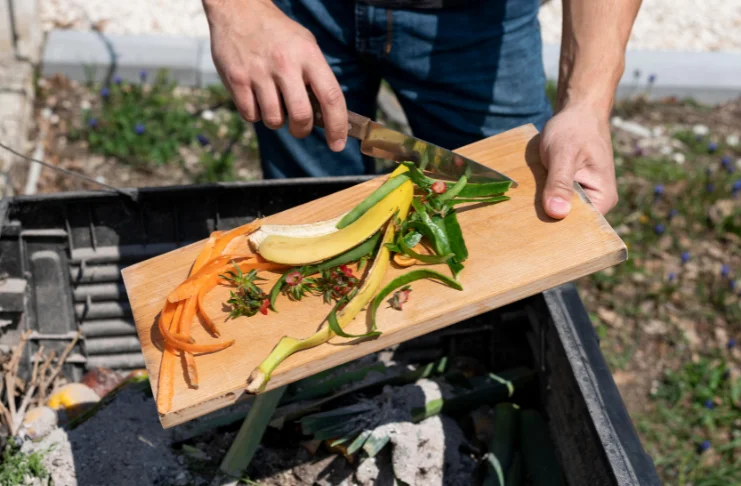
Environmental sustainability and responsible waste management have become increasingly important aspects of food business operations in Singapore. The government’s commitment to becoming a zero-waste nation by 2030 has resulted in comprehensive regulations affecting all commercial food operations.
Resource Sustainability Act Compliance: Under NEA’s Resource Sustainability Act, commercial food operations exceeding specific thresholds must implement comprehensive food waste segregation and detailed reporting systems. Food and beverage areas larger than 3,000 square meters fall under mandatory reporting requirements.
Requirements involve separating food waste from other streams, implementing composting or recycling programs where feasible, maintaining detailed waste generation records, partnering with licensed waste management companies, and submitting regular NEA reports documenting waste reduction efforts.
INDUSTRY INSIGHT
| In 2024, food waste constituted approximately 12% of Singapore’s total waste output, underscoring the ongoing sustainability challenge for the nation’s F&B industry. According to the latest data from the National Environment Agency (NEA), 784,000 tonnes of food waste were generated, marking an increase from the 2023 figure of 755,000 tonnes. Despite heightened awareness and various waste-reduction initiatives, the food waste recycling rate remained stagnant at 18%, revealing a persistent gap between generation and effective resource recovery. For restaurant operators, central kitchens, and food manufacturers, these statistics signal the urgent need to invest in smarter inventory systems, sustainable sourcing, and circular kitchen practices. |
Waste Generation Statistics: The statistics highlight the importance of comprehensive waste management in the F&B sector, extending beyond disposal to include energy consumption, water usage, packaging waste, and transportation emissions. As Singapore pushes toward its Zero Waste Masterplan and Green Plan 2030, food businesses must proactively rethink their operational strategies to align with national goals and future-proof their sustainability credentials in an increasingly eco-conscious marketplace.
Operational Waste Management Systems: Effective management requires source reduction strategies, efficient collection and storage systems, staff training on proper segregation procedures, partnerships with certified waste management companies, and monitoring systems tracking progress and improvement opportunities.
Economic and Technology Considerations: While comprehensive waste management requires initial investment, it often results in long-term savings through reduced disposal fees, potential revenue from recyclables, improved operational efficiency, enhanced brand reputation, and compliance with future regulatory requirements. Technology solutions include digital tracking systems, automated sorting systems, on-site composting machines, inventory management systems, reducing food waste, and reporting software streamlining compliance documentation.
7. Other Relevant Approvals

Beyond the core food shop licence, successful food business operations in Singapore often require additional approvals and certifications depending on specific operational models, target markets, and service offerings.
Liquor Licence Requirements: Establishments serving alcoholic beverages must obtain liquor licences through the Singapore Police Force. The application process considers location appropriateness (restrictions near schools, religious buildings, residential areas), community impact assessments for sensitive locations, applicant background checks, security measures adequate for establishment size and clientele, and operating hour restrictions based on location and license type.
The process can take several months and may require community consultation periods, especially for new establishments in residential areas. Different license categories exist for different operations, from simple beer and wine service to full bars.
Halal Certification Process: For establishments targeting Muslim diners, Halal certification through Majlis Ugama Islam Singapura (MUIS) provides significant market advantages. The process involves a comprehensive evaluation of ingredients and suppliers, food preparation procedures and equipment, staff training on Halal requirements, kitchen layout and contamination prevention, and ongoing monitoring and compliance verification.
Pre-licensing Inspection Procedures: SFA’s pre-licensing inspection may be virtual for smaller establishments or in-person for larger operations. Inspectors evaluate kitchen equipment placement and functionality, layout efficiency for safe food flow, sanitation systems, food storage and temperature control, ventilation adequacy, waste disposal systems, and staff facilities.
URA Approval and Zoning Compliance: Urban Redevelopment Authority approval ensures food establishments operate in appropriately zoned areas. URA evaluates floor plan compliance with designated use classes, parking and accessibility requirements, building modification approvals, signage and facade requirements, and area-specific development guidelines compliance. SFA will not process applications without confirmed URA approval.
8. Hiring Foreign Workers

Singapore’s food service industry relies heavily on foreign workers, making compliance with employment regulations a critical aspect of successful restaurant operations. Understanding work pass requirements, training obligations, and ongoing compliance responsibilities is essential for establishments planning to employ non-Singaporean staff.
Work Pass Categories and Requirements: Different categories of foreign workers require specific work pass types. Work Permit holders typically fill basic food service roles and have specific quota limitations. S Pass holders usually occupy skilled positions like chefs or supervisory roles with different salary requirements. Employment Pass holders generally fill management roles with the most flexible working conditions.
Medical and Health Requirements: All foreign food handlers must complete comprehensive medical examinations, including general health assessments, tuberculosis screening, and other communicable disease testing as specified by MOM and SFA regulations. Medical examinations must be conducted by approved healthcare providers and renewed periodically.
Training and Certification Obligations: Foreign workers in food service roles must complete the same basic food hygiene certification required for local staff. Training providers often offer courses in multiple languages to accommodate diverse workforce needs.
Compliance Monitoring and Record Keeping: Employers must maintain comprehensive records of all foreign workers, including work pass validity and renewal dates, medical examination records, training certifications, salary payments, and housing arrangements where applicable.
9. Checklist Summary
Here is a comprehensive consolidated restaurant licence checklist covering all essential permits, approvals, and compliance requirements for food business operations in Singapore:
| Permit / Requirement | Authority | Applies To |
| Food Shop Licence | SFA | All restaurants, cafes, and food shops |
| Food Stall Licence | SFA | Temporary or event food stalls |
| Liquor Licence | Singapore Police Force | Establishments serving alcohol |
| Basic Food Hygiene Certificate | SFA‑approved providers | All food handlers |
| FSMS & HACCP‑style plan | SFA | Food service establishments |
| Pre‑licensing inspection | SFA | All new food outlets |
| Fire Certificate | SCDF | Kitchen and premises compliance |
| URA zoning approval/tenancy | URA | All physical outlets |
| Waste segregation reporting | NEA | Large F&B premises under the RSA |
| Halal certification (optional) | MUIS | Halal food outlets |
| GST registration (if above threshold) | Inland Revenue Authority of Singapore | Private limited companies |
Additional Considerations and Hidden Costs:
- Professional consultation fees for complex applications: S$2,000-S$5,000
- Equipment modifications to meet compliance standards: S$5,000-S$20,000
- Staff training and certification programs: S$200-S$500 per employee
- Ongoing compliance monitoring and renewal fees: S$1,000-S$3,000 annually
- Insurance requirements and liability coverage: S$2,000-S$5,000 annually
10. Why Compliance Matters: Safety, Trust, and Business Stability

Singapore’s comprehensive food business regulatory framework serves multiple critical functions that extend far beyond simple bureaucratic requirements. Understanding why compliance matters helps food business operators appreciate the value of thorough preparation and ongoing adherence to regulatory standards.
Public Health Protection and Food Safety Leadership: Singapore licensed approximately 23,589 food shops and 2,529 non-retail establishments at the end of 2024, serving a population that is over 90% dependent on imported food. This massive scale illustrates the critical importance of consistent food safety practices across the entire F&B ecosystem. A single food safety incident can have cascading effects across multiple establishments, supply chains, and consumer confidence levels.
The effectiveness of Singapore’s food safety oversight system is demonstrated through impressive public health outcomes. In 2024, foodborne illness rates in Singapore stood at approximately 22.8 per 100,000 population, a marginal rise from 21.9 in 2023, yet still exceptionally low by global standards.
Despite this, SFA only issued 26 food recalls that year, up slightly from 23 in 2023, demonstrating a vigilant, risk-based surveillance system in a market with high import volumes
Across 2019–2021, the agency consistently handled over 17,000 public feedback cases annually, ensuring that stakeholder concerns remained central to its enforcement and response strategy.
Consumer Trust and Business Reputation: Compliance with food safety regulations builds consumer trust, which translates directly into business success. Singaporean consumers are sophisticated and safety-conscious, with high expectations for food establishment standards. Visible compliance indicators like prominently displayed licenses, clean facilities, and well-trained staff create positive impressions that drive customer loyalty and word-of-mouth recommendations.
Economic Stability and Risk Management: Non-compliance carries significant financial risks, including immediate fines and penalties, temporary or permanent closure orders, legal liability for foodborne illness cases, insurance claim complications, and long-term reputation damage affecting customer acquisition and retention. The cost of prevention through proper licensing and ongoing compliance is minimal compared to the potential costs of non-compliance incidents.
Competitive Advantage and Market Positioning: Full compliance provides competitive advantages in Singapore’s crowded F&B market. Establishments with comprehensive licensing and visible safety standards attract quality-conscious consumers, secure better insurance rates and terms, qualify for partnerships with premium suppliers and delivery platforms, and build stronger relationships with landlords and business partners.
Future-Proofing and Regulatory Evolution: Singapore’s regulatory environment continues to evolve, with increasing focus on sustainability, technology integration, and food security. Establishments that maintain proactive compliance positions are better prepared to adapt to new requirements and take advantage of emerging opportunities in the rapidly changing food service landscape.
Interactive Tips & Questions
How many of your current and planned staff members have valid basic food hygiene certificates, and do you have a system for tracking renewal dates?
Have you fully mapped out your FSMS process, including critical control points, monitoring procedures, and record-keeping systems?
Does your planned kitchen layout meet SFA’s pre-licensing inspection requirements, including proper equipment placement, adequate ventilation, and sufficient space for safe food preparation?
Is your waste segregation plan fully compliant with NEA rules if you exceed size thresholds, and have you established relationships with certified waste management companies?
Have you confirmed URA zoning compliance for your intended location and obtained necessary building modification approvals?
If you plan to serve alcoholic beverages, have you researched liquor licensing requirements specific to your location and operational model?
If any of these areas remain unclear, consider engaging professional consultants who specialize in F&B licensing in Singapore. SFA’s licensing portal provides comprehensive information, but complex operations often benefit from professional guidance.
Conclusion
On opening day in Orchard Road, the restaurant that lacked a food shop licence turned away eager diners, lost significant revenue, and faced months of additional delays while scrambling to complete their licensing requirements retroactively. Their culinary vision—no matter how creative or well-executed—could not bypass essential compliance with SFA, NEA, and other regulatory authorities.
This experience represents a broader truth about Singapore’s food service industry: exceptional culinary skills, innovative concepts, and substantial financial investment are necessary but not sufficient for success. The regulatory framework exists to ensure that all food establishments contribute positively to Singapore’s reputation for food safety excellence while protecting public health and environmental sustainability.
Successful food business operations require more than outstanding food and exceptional service. They demand a comprehensive understanding and implementation of regulatory requirements, embedding robust food safety practices into every aspect of daily operations, earning and maintaining customer trust through visible compliance, and building sustainable business models that account for ongoing compliance costs.
This comprehensive guide provides a structured pathway, covering all essential items you need to address before launching your food business in Singapore. The regulatory landscape may seem complex, but it provides a clear framework for establishing and maintaining successful operations.
Action Steps for Success: Begin your compliance journey early, ideally 6-12 months before your planned opening date. Engage professional consultants for complex applications. Invest in comprehensive staff training that goes beyond minimum requirements. Implement robust documentation systems from day one.
Deliver exceptional culinary experiences with confidence by handling your licences early, training your team comprehensively, implementing robust FSMS procedures, and ensuring your premises exceed regulatory expectations. In Singapore’s sophisticated food service landscape, strong food preparation and operations backed by full regulatory compliance are the essential ingredients for lasting success, without unexpected surprises that can derail even the most promising culinary ventures.
Frequently Asked Questions
1. What license do I need to sell food in Singapore?
You need a Food Shop Licence from the Singapore Food Agency (SFA) to legally sell food in Singapore.
2. Can a foreigner open a restaurant in Singapore?
Yes, a foreigner can open a restaurant in Singapore, provided they register a business with ACRA and appoint at least one local resident director.
3. How many types of licenses are there in Singapore?
Singapore has over 200 types of business and operational licenses, depending on the industry and nature of activity.
4. What kind of license do I need to start up a business in Singapore?
To start a business, you need to register your company with ACRA and may require additional licenses based on your business type.
5. Do I need a license for home-based food business in Singapore?
Yes, if your home-based food business involves high-risk items or exceeds small-scale limits, you need a licence from the SFA.
6. Can foreigners open food stalls in Singapore?
Yes, foreigners can open food stalls in Singapore, but they must register a business and meet SFA, HDB, or NEA requirements.
7. How much does it cost to open a restaurant in Singapore?
Opening a restaurant typically costs between SGD 100,000 to SGD 300,000, depending on location, size, and concept.
8. Do you need a license to sell food in Singapore?
Yes, all food sellers in Singapore must obtain the relevant food licences from the SFA before starting operations.
9. How much does it cost to get a business license in Singapore?
The cost of a business license varies, but common licenses like the Food Shop Licence cost around SGD 195 annually.


