
The food industry has undergone a dramatic transformation over the past few years. Traditional restaurants with their bustling dining rooms and expensive real estate are no longer the only path to success in the restaurant business.
Enter the cloud kitchen business model – a revolutionary approach that’s reshaping how we think about food delivery and restaurant operations.
The global Cloud Kitchen market is estimated to account for USD 79.1 billion in 2025, with projections showing it will reach USD 254.7 billion by 2035.
These numbers tell a compelling story about an industry that’s not just surviving but thriving in our increasingly digital world.
What Exactly Is a Cloud Kitchen?
Think of a cloud kitchen as a restaurant without the restaurant part.
Also known as ghost kitchens, virtual kitchens, or dark kitchens, these operations focus exclusively on preparing food for delivery. There’s no dining room, no servers, and no customers walking through the door. Instead, every meal is delivered through online food delivery apps.
The concept strips away everything that makes traditional restaurants expensive to operate while keeping the most important part – great food.
This delivery-only restaurant model has become particularly attractive to food entrepreneurs who want to enter the F&B industry without the massive overhead costs of a brick-and-mortar restaurant.
Unlike a traditional restaurant, where you need prime real estate for foot traffic, a cloud kitchen can operate from virtually anywhere with proper commercial kitchen space. This flexibility has opened doors for countless restaurant owners who previously couldn’t afford to launch their food business dreams.
How Do Different Cloud Kitchen Business Models Actually Work?
The beauty of the cloud kitchen business lies in its flexibility. There isn’t just one way to operate – entrepreneurs can choose from several business models depending on their goals, budget, and experience level.
The independent cloud kitchen model gives operators complete control over their entire business operation.
Restaurant owners lease their own commercial kitchen space, develop their virtual brand, and manage everything from menu items to customer service. This approach requires more investment upfront but offers the highest potential returns and complete creative control.
Then there’s the multi-brand cloud kitchen approach, where operators run several brands from the same kitchen space.
Imagine preparing Italian pasta under one brand name while simultaneously fulfilling orders for Mexican tacos under a completely different virtual brand. This strategy maximizes kitchen utilization and allows businesses to target different customer segments with various brands.
For those who prefer less hands-on involvement, the fully outsourced cloud kitchen model provides a turnkey solution.
A cloud kitchen provider handles operations, technology, and logistics while the restaurant owner focuses on menu development and brand building. This approach works particularly well for established restaurant brands looking to expand their delivery presence without managing additional locations.
INDUSTRY INSIGHT
| Independent cloud kitchens control 64.2% of the market share due to their cost-effectiveness and operational flexibility. By eliminating overhead costs like rent for customer-facing spaces and front-of-house staff, they can offer competitive pricing while maintaining healthy profit margins. |
Where Does the Money Actually Come From?
Revenue generation in the cloud kitchen business model differs significantly from traditional restaurants. Instead of relying on dine-in customers, virtual restaurants generate income through multiple digital channels.
The primary revenue stream flows through delivery platforms like DoorDash, Uber Eats, and other online food aggregators. These delivery apps provide immediate access to millions of customers actively searching for meal delivery orders.
While these platforms charge commission fees (typically 15-30%), they eliminate the need for expensive marketing campaigns and provide instant market presence.
Brand-owned cloud kitchen operators don’t rely solely on third-party delivery services. Many develop their own online ordering systems to reduce dependency on delivery aggregators and improve profit margins.
Direct ordering allows virtual brands to build customer relationships and avoid commission fees that can significantly impact profitability.
Some innovative operators use pop-up locations as additional revenue streams. These temporary physical presence strategies help test new markets, build brand awareness, and create buzz around virtual brands.
Why Are Operational Costs So Much Lower?
The economics of cloud kitchen operations reveal why this business model has attracted so much attention from food entrepreneurs and established restaurant owners alike.
Real estate costs represent the most dramatic difference. Traditional restaurants require expensive locations with high foot traffic, attractive interiors, and customer parking.
Cloud kitchens can operate from industrial areas, shared commercial kitchen spaces, or converted warehouses where rent costs are significantly lower.
Staffing requirements are substantially reduced without dine-in facilities. There’s no need for servers, hosts, bartenders, or managers to oversee customer-facing operations.
The entire team can focus on food preparation, quality control, and order fulfillment. This streamlined approach reduces labor costs by 40-60% compared to traditional restaurant operations.
The technology infrastructure, while requiring initial investment, ultimately reduces operational costs.
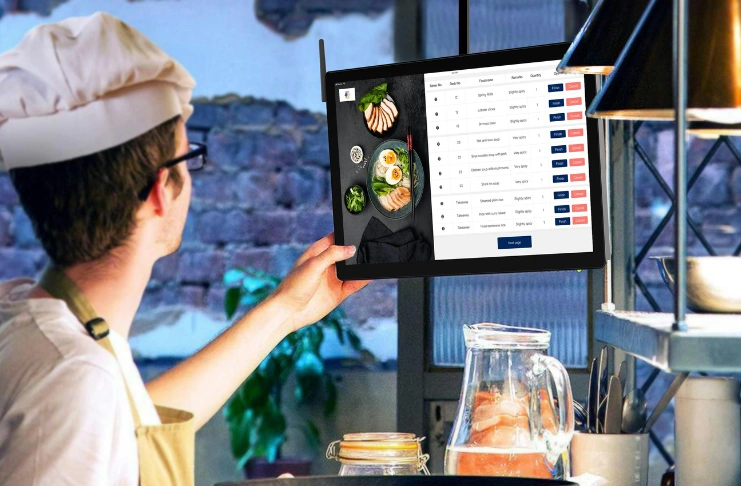
An integrated kitchen display system coordinates orders from multiple delivery platforms, while comprehensive technology platforms automate inventory management, customer communications, and sales reporting. These systems eliminate many manual processes that require additional staff in traditional restaurants.
How Do You Build a Brand Without a Physical Location?
Brand building for virtual restaurants presents unique challenges and opportunities. Without a physical storefront to attract customers, cloud kitchen businesses must rely entirely on digital marketing channels and visibility on delivery platforms.
Successful virtual brands focus intensively on food quality and packaging presentation. Since customers can’t experience the ambiance of a restaurant, the delivered meal becomes the entire brand experience.
This means investing in packaging that maintains food temperature, prevents spillage, and creates an unboxing experience that reinforces brand identity.
Social media marketing becomes crucial for virtual restaurants. Instagram-worthy food photography, customer testimonials, and behind-the-scenes content help build brand recognition and customer loyalty.
Many successful delivery-only business models invest heavily in content creation and influencer partnerships to establish their virtual brand presence.
Customer reviews on delivery platforms carry exceptional weight in the virtual restaurant world. A single negative review can significantly impact orders, while positive reviews drive substantial growth. This reality forces cloud kitchen operators to maintain consistently high food quality and accurate order fulfillment.
Did you know? In the U.S., 88.43% of consumers prefer digital food ordering, with 70% reporting they ordered delivery in the past month.
What Are the Biggest Challenges to Overcome?

Despite its advantages, the cloud kitchen model presents several significant challenges that operators must address to succeed.
Dependency on delivery platforms creates inherent business risks. Commission fee increases, policy changes, or algorithm modifications can dramatically impact profitability overnight.
Successful cloud kitchen businesses diversify across multiple platforms and develop direct ordering capabilities to reduce this dependency.
Quality control becomes more complex when customers can’t provide immediate feedback about their meals.
Food must maintain temperature, texture, and presentation throughout the delivery process. This requires careful menu engineering, specialized packaging, and preparation techniques optimized for delivery rather than immediate consumption.
Customer acquisition costs can be high in the crowded virtual restaurant marketplace. Without physical presence or word-of-mouth from dine-in customers, cloud kitchens must rely on paid advertising, promotional deals, and visibility on delivery platforms to attract new customers. These marketing expenses can quickly erode profit margins if not managed carefully.
Is the Market Really Big Enough to Support Growth?
The numbers surrounding the cloud kitchen market growth support its long-term viability and opportunity.
Urban markets across the United States present enormous opportunities for cloud kitchen businesses. Dense population centers with established delivery infrastructure create ideal conditions for virtual restaurant success.
Cities like New York, Los Angeles, and Chicago have seen explosive growth in cloud kitchen operations as consumers increasingly prefer delivery over dining out.
Suburban markets represent emerging opportunities where traditional restaurant density might be lower, but demand for food delivery continues growing.
These areas often have lower commercial kitchen space costs while maintaining strong delivery demand, creating favorable conditions for cloud kitchen profitability.
What Does Success Look Like Financially?
Understanding the financial dynamics of cloud kitchen operations helps clarify the profit potential and investment requirements for this business model.
Initial investment requirements are substantially lower than those of traditional restaurants.
While a full-service restaurant might require $175,000 to $750,000 in startup costs, a cloud kitchen can launch with $30,000 to $150,000, depending on the chosen model and location. This lower barrier to entry makes the food business accessible to more entrepreneurs.
Revenue potential varies significantly based on location, cuisine type, and operational efficiency.
Successful cloud kitchen businesses typically generate $15,000 to $50,000 in monthly revenue per brand, with profit margins ranging from 8% to 15% after accounting for food costs, delivery fees, and operational expenses.
The scalability factor sets cloud kitchens apart from traditional restaurants.
Once operators perfect their systems and recipes, they can replicate the model across multiple locations or add additional virtual brands to existing kitchen space. This scalability potential allows for rapid growth without the complexity of traditional restaurant expansion.
How Is Technology Changing the Game?
Technological advancement continues to drive innovation and efficiency improvements across the cloud kitchen industry.
Automation integration is becoming standard in sophisticated cloud kitchen operations. Automated food preparation equipment, robotic cooking systems, and intelligent packaging solutions reduce labor costs while improving consistency. These technologies are particularly valuable for high-volume operations serving multiple brands.
Artificial intelligence applications help optimize every aspect of cloud kitchen operations. AI-powered demand forecasting reduces food waste, while machine learning algorithms optimize menu pricing and promotional strategies.
Some advanced systems even predict optimal prep times and ingredient ordering schedules.
Data analytics provides unprecedented insights into customer behavior, operational efficiency, and market trends.
Cloud kitchen operators can track which menu items perform best on specific platforms, identify peak ordering times, and optimize staff scheduling based on actual demand patterns.
What Regulatory Hurdles Must You Navigate?
Operating a cloud kitchen business requires navigating the same regulatory landscape as traditional restaurants, plus some additional considerations specific to delivery-only operations.
Food safety requirements remain paramount regardless of the business model. Cloud kitchens must obtain proper health department permits, maintain food safety certifications, and submit to regular inspections. The absence of customer-facing dining areas doesn’t reduce food safety obligations.
Business licensing varies by location but typically includes general business licenses, food service permits, and commercial kitchen certifications.
Some jurisdictions have specific regulations for ghost kitchen operations or delivery-only restaurants that operators must understand and follow.
Delivery platform compliance adds another layer of regulatory consideration. Each platform has specific requirements for food preparation, packaging, labeling, and order accuracy that cloud kitchens must meet to maintain their partnerships.
Where Is This Industry Headed Next?
The future of cloud kitchen business models looks increasingly sophisticated and technology-driven.
Sustainability initiatives are becoming competitive advantages as consumers increasingly value environmentally responsible businesses.
Cloud kitchens are experimenting with eco-friendly packaging, waste reduction programs, and sustainable sourcing practices that traditional restaurants often find difficult to implement.
Virtual brand portfolios are becoming more specialized and data-driven. Instead of general cuisine offerings, successful cloud kitchen operators are developing hyper-targeted virtual brands that serve specific dietary preferences, cultural cuisines, or meal occasions based on detailed customer data analysis.
Geographic expansion strategies are evolving beyond simple replication. Smart operators use market analysis, demographic data, and delivery platform insights to identify optimal locations for new kitchen space investments.
What Makes Some Cloud Kitchens Wildly Successful?
Success in the cloud kitchen business comes down to several critical factors that separate profitable operations from struggling ones.
Menu engineering specifically for delivery represents a fundamental success factor. Items must travel well, maintain quality during transport, and photograph beautifully for online ordering platforms.
Successful operators often redesign traditional recipes to optimize for delivery rather than immediate consumption.
Operational efficiency determines profitability in the high-volume, low-margin world of food delivery. Streamlined kitchen workflows, accurate inventory management, and efficient order processing systems directly impact customer satisfaction and profit margins.
Customer experience management requires different skills than traditional restaurant operations.
Without face-to-face interaction, cloud kitchen operators must create positive experiences through accurate orders, timely delivery, professional packaging, and responsive customer service when issues arise.
Conclusion
The cloud kitchen business model represents a fundamental shift in how the restaurant industry operates. With diners increasingly leaning toward convenience and online ordering, virtual restaurants are set to expand their share of the market while giving entrepreneurs an easier entry point into the food industry.
Frequently Asked Questions
1. How much can a cloud kitchen make?
A cloud kitchen can generate between $15,000 and $50,000 monthly in revenue, depending on location, brand positioning, and operational efficiency. Profit margins typically range from 8-15% after accounting for food costs, delivery fees, and operational expenses.
2. Is cloud kitchen B2B or B2C?
Cloud kitchens primarily operate as B2C businesses, serving individual consumers through delivery platforms. However, some cloud kitchen businesses also serve B2B clients, such as office catering and corporate meal programs.
3. How successful are cloud kitchens?
Cloud kitchens show strong success rates, with the market growing at a 12.4% CAGR. Success depends on location, operational efficiency, brand positioning, and market demand. Well-managed cloud kitchen operations typically achieve profitability faster than traditional restaurants.
4. What does CloudKitchens do?
CloudKitchens is a company that provides shared commercial kitchen space and technology infrastructure for virtual restaurant brands. They offer turnkey solutions including kitchen facilities, delivery coordination, and operational support.
5. What is cloud kitchen example?
Popular cloud kitchen examples include Rebel Foods (operating multiple virtual brands), Ghost Kitchens, and various independent operators running delivery-only brands like “The Melt” or “Green Seed Vegan” exclusively through apps.
6. What is cloud kitchen concept in USA?
In the USA, cloud kitchens operate as delivery-only food preparation facilities serving customers through apps like DoorDash, Uber Eats, and Grubhub. They focus on efficient food preparation without traditional dine-in facilities.
7. Why use cloud kitchen?
Cloud kitchens offer lower startup costs, reduced operational expenses, scalability advantages, and access to delivery markets without expensive real estate investments. They’re ideal for testing new food concepts and brands.
8. Are cloud kitchens worth it?
Cloud kitchens can be highly profitable with proper execution, offering faster ROI than traditional restaurants. Success depends on market selection, operational efficiency, brand development, and understanding customer delivery preferences.
9. What is a cloud kitchen concept?
A cloud kitchen is a delivery-only food preparation facility that operates without customer dining areas. Orders come exclusively through online platforms and delivery apps, focusing entirely on food preparation and fulfillment.
10. Can you do a cloud kitchen at home?
Home-based cloud kitchens are possible in some jurisdictions with proper licensing and health department approval. Many areas require commercial-grade equipment and separate kitchen facilities from residential cooking areas.
11. What is the cloud kitchen concept?
The cloud kitchen concept centers on delivery-only food operations that eliminate traditional restaurant overhead while maximizing efficiency in food preparation and order fulfillment through digital platforms and delivery services.
12. What happened to CloudKitchens?
CloudKitchens continues operating as a major player in providing shared kitchen space and infrastructure. The company has expanded globally while adapting to market changes and regulatory requirements in different regions.