
Shanghai has thousands of restaurants. Most open, serve food, and fade into the background. Meet The Bund did something completely different.
It took a regional cuisine most people had never heard of and turned it into one of Asia’s most celebrated dining experiences.
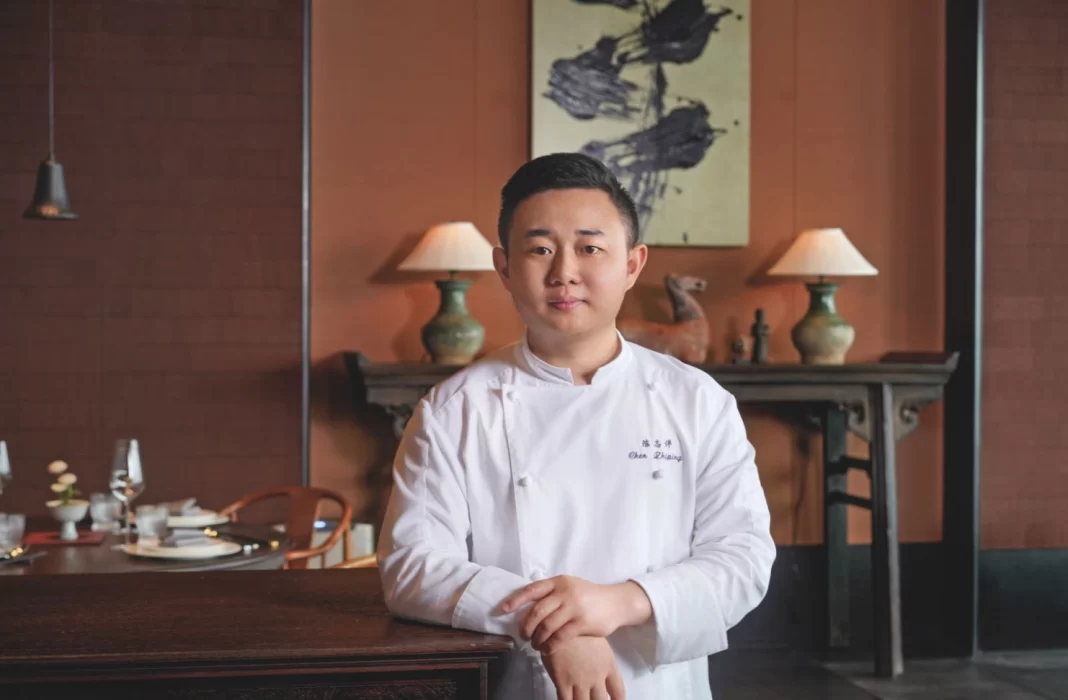
The story starts with Chef Chen Zhiping, a guy from Fujian Province who spent 16 years learning his craft. He worked under master chef Wu Rong, then joined the Yanyu kitchen team in Xiamen.
In 2019, he made a bold move: opening Shanghai’s first fine dining Fujian restaurant.
Nobody expected what happened next.
Why Fujian Cuisine Matters
Fujian food has always been the quiet cousin in Chinese cuisine. While everyone knows Cantonese dim sum and Sichuan spice, Fujian stayed regional.
But here’s what makes it special: it’s all about the ingredients themselves, not covering them up with heavy sauces or extreme flavors.
The province sits on China’s coast, so seafood is everything. Fujian cooks have mastered the art of bringing out natural flavors, especially that deep, satisfying taste the Japanese call umami.
They use techniques like steaming whole ducks for hours just to extract pure essence, without adding water.
Chen knew this cuisine could compete with anything in Shanghai. He just had to prove it.
The Buddha’s Leap
Buddha Jumps Over The Wall became Meet The Bund’s calling card.
The name comes from an old story about monks who smelled the soup cooking and abandoned their temple to try it. Chen’s version was different, though.
Instead of using shark fin like the traditional recipe, he created a sustainable version with fish maw and Australian sea cucumber that tasted just as luxurious.
One food critic described the flavors as “complex and refined.” That single dish proved Fujian cuisine belonged at the top of Shanghai’s food scene.
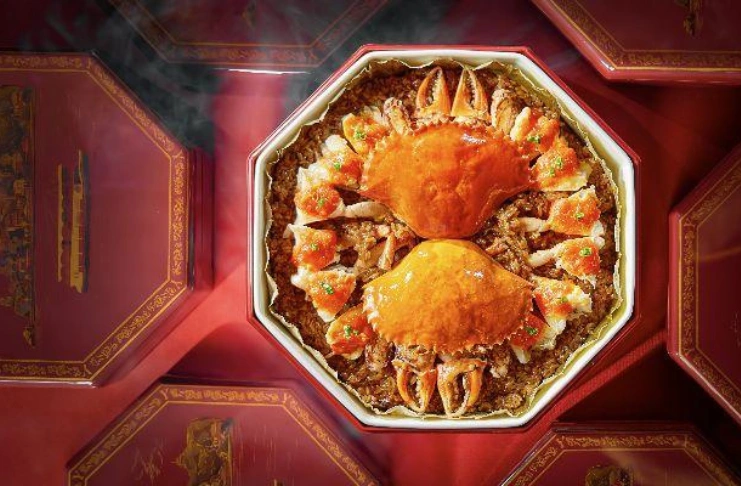
Still, it was just the opening salvo. The restaurant’s arsenal included steamed glutinous rice with red mud crab from Xiamen, and baked taro in scallion oil. These dishes have nonetheless redefined comfort food for an entire generation.
The Critics Changed Their Minds
Early reviews of the restaurant were mixed. Some critics complained about service issues. Others questioned whether regional Chinese food could really work in Shanghai’s competitive scene.
Then something interesting happened. The same critics who complained started coming back.
One reviewer admitted: “Despite this, due to the quality of the dishes, I revisited the restaurant three times within a month. Objectively, the dishes at Meet The Bund do not fall short when compared to those of Xin Rong Ji, and some even surpass the latter in quality.”
That’s when the food world started paying attention.
Building an Empire
Success breeds expansion, and Meet The Bund’s empire began spreading across Shanghai like wildfire.
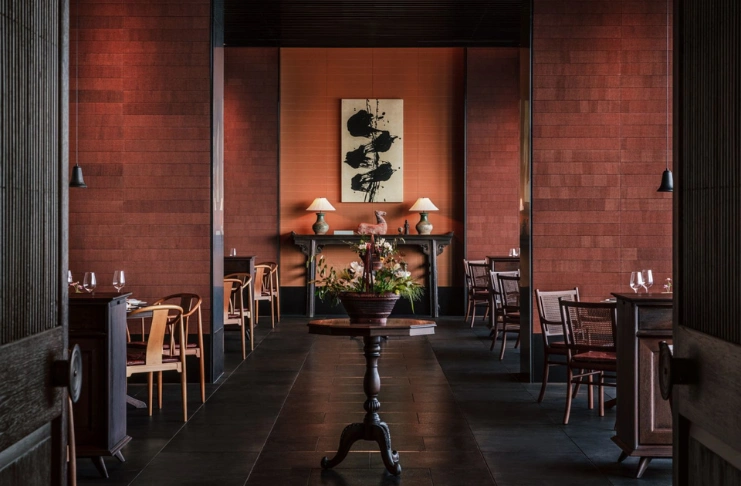
The flagship location in Bund Finance Center earned a Michelin star. Then came the crown jewel: a 56th-floor restaurant in Raffles City West Tower with views of Shanghai’s North Bund. Another location opened in Xin Tian Di, occupying a historic building.
Each restaurant kept the same commitment to authentic Fujian cuisine while adapting to its location. The kitchen teams all came from Fujian Province, ensuring the food stayed true to its roots.
The awards followed: Michelin star, Asia’s 50 Best ranking, and Tatler Best Asia 100 recognition. But more importantly, Meet The Bund proved that authentic regional cuisine could compete globally without losing what made it special.
What Makes It Actually Work
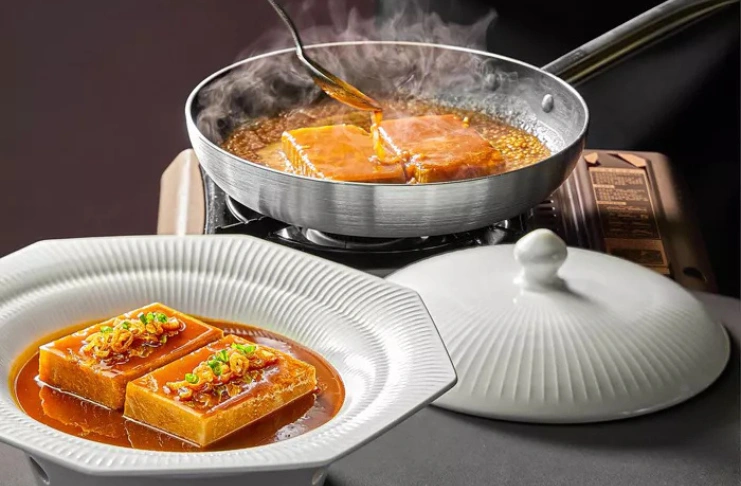
Walk into any Meet The Bund location and you’ll taste the difference immediately. Take their duck essence: they steam whole ducks for hours, collecting the juices without adding water. It creates a broth so rich it’s almost medicinal.
The Dongshan neritic squid comes from a specific island known for the best squid in China. The way they prepare it, perfectly tender and springy, with natural flavors enhanced by peppercorns and cauliflower pickles, shows the kitchen’s technical skill.
Even something as simple as sandworm jelly, a local Fujian snack, becomes elegant in their hands. The sandworms are boiled into a jelly that tastes slightly sweet and crunchy, a texture most diners have never experienced.
The Shanghai Connection
Meet The Bund’s success happened during Shanghai’s evolution into a global food capital. The city attracts culinary talent from everywhere. At W Shanghai The Bund, French chef Maxime Renaud brings European techniques to complement the local scene.
“I started at the age of 16 while attending culinary school. After graduation, I worked in different countries, including France, Monaco, Canada, Saudi Arabia, and now China,” Renaud explains about his journey to Shanghai.
His presence shows how the city draws international talent while local concepts like Meet The Bund prove Chinese cuisine can hold its own.
This mix of global expertise and local authenticity created the perfect environment for Meet The Bund to thrive.
What It Really Means
Meet The Bund did more than earn awards. It changed how people think about regional Chinese cuisine. Chen Zhiping proved that staying authentic to your roots while executing at the highest level wins every time.
Other chefs took notice. Investors started looking at regional cuisines differently. Food lovers began seeking out authentic experiences instead of just chasing trends.
In fact, the restaurant’s impact goes beyond Shanghai. Food critics from around the world now make trips specifically to try Chen’s interpretation of Fujian cuisine.
The Future
Today, Meet The Bund continues growing. New diners discover Buddha Jumps Over The Wall for the first time every night. They taste properly prepared sandworm jelly, experience the perfect texture of Dongshan squid, and understand why Fujian cuisine deserves respect.
Chen Zhiping took a regional cuisine and proved it could compete with anything in the world. He did it by refusing to compromise on authenticity while meeting the highest standards of execution.
That’s the real story of Meet The Bund: stay true to what you know, do it better than anyone else, and the world will pay attention.