
The U.S. restaurant industry is split between two dominant formats: quick-service restaurants (QSRs) and casual dining.
Both thrive on very different models of speed, pricing, and customer experience; yet, many people confuse the two or struggle to understand when to choose one over the other.
This guide breaks down everything you need to know about QSR vs casual dining. Here, you’ll discover the key differences, advantages, and trade-offs of each format. Let’s get in!
What Are Quick Service Restaurants?
Quick-service restaurants focus on speed and convenience above all else. These fast food establishments prioritize delivering customers’ meals quickly, typically within minutes of the order being placed.
QSRs operate with streamlined operations designed for high-volume service. Most quick-service restaurants feature limited menu options, counter service, and minimal table service. You order at the counter, pay immediately, and either take your food to go or eat at basic seating.
The quick service format dominates the restaurant industry. Fast food restaurants account for over 50% of the restaurant market, with major chains like McDonald’s, Burger King, and Taco Bell leading the charge.
What Is Casual Dining?
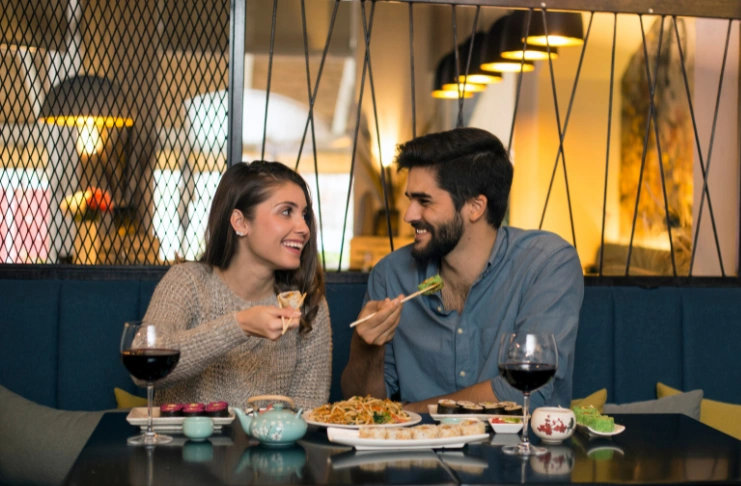
Casual dining restaurants provide a more relaxed dining experience with full table service. These establishments offer a pleasant dining experience where customers sit at tables, receive menus, and have servers take their orders.
Casual dining spots typically feature larger menus with more variety than quick service restaurants. The food quality is generally higher, with fresh ingredients and more complex preparation methods.
Here, you find an inviting atmosphere with comfortable seating and decor designed for longer visits.
The service model revolves around the traditional “almost” fine dining restaurant experience. Servers greet you, take drink orders, explain menu items, and check on your table throughout the meal. This full-service approach creates a more social dining experience.
How Do Fast Casual Restaurants Fit In?
Fast casual restaurants bridge the gap between quick service and casual dining.
These fast-casual establishments offer higher-quality food than traditional fast food while maintaining faster service than full-service dining.
Fast casual dining combines elements from both restaurant segments. You typically order at a counter, like in quick-service restaurants, but the food quality and ingredients rival those of casual dining spots.
Many fast casual restaurants use fresh ingredients and prepare meals to order.
The fast-casual format has experienced explosive growth in popularity over recent years. Chains like Chipotle Mexican Grill, Panera Bread, and Shake Shack represent this growing segment. These fast-casual chains attract customers seeking better food quality without the time commitment of traditional casual dining.
What is the Service Difference Between QSR vs. Casual Dining?

The service model creates the biggest distinction between restaurant types. Quick-service restaurants emphasize speed and efficiency in every operational process.
In QSRs, you approach the counter, place your order, pay immediately, and receive your food within minutes. Many locations offer drive-thru service for even faster convenience. The entire customer experience focuses on getting you fed quickly.
Casual dining restaurants operate with full table service. You’re seated by a host, given menus, and assigned a server. The dining experience includes multiple interactions with staff throughout your visit.
Fast casual restaurants blend both approaches. You order at the counter, but often receive higher-quality service than you would at a traditional fast food restaurant. Some fast-casual dining spots even bring food to your table after you place your order at the counter.
INDUSTRY INSIGHT:
| The QSR-led restaurant sector is expected to employ 15.9 million people in 2025, highlighting the massive scale and operational complexity of quick-service restaurants compared to other dining formats. |
How Do Menu Options Compare?
Menu variety differs significantly across restaurant segments. Quick service restaurants typically offer a limited menu focused on signature items and popular combinations.
Fast food restaurants keep menus streamlined for speed. McDonald’s built its empire on burgers, fries, and drinks. This limited menu approach allows for faster preparation and consistent quality across locations.
Casual dining restaurants feature extensive menus with diverse options. You’ll find appetizers, multiple entree categories, desserts, and often ethnic cuisines. This variety caters to different tastes within dining groups.
Fast casual establishments often focus on customization within specific food categories. Chipotle Mexican Grill lets you build custom burritos and bowls. Five Guys offers numerous burger and topping combinations.
What About Food Quality and Ingredients?

Food quality varies dramatically between restaurant types. Quick-service restaurants traditionally focus on consistency and speed over premium ingredients.
Many fast food restaurants use processed ingredients and pre-prepared components to maintain speed and lower prices. However, the industry is evolving toward healthier options and higher-quality ingredients as consumer preferences shift.
Fast casual restaurants emphasize higher-quality food as their main differentiator. These establishments typically use fresh ingredients, avoid artificial additives, and prepare meals to order. Panera Bread markets its clean ingredients, while Shake Shack uses premium beef.
Casual dining restaurants generally offer the highest food quality among these segments. Full-service restaurants have more time for complex preparation methods and can accommodate special requests.
How Do Pricing Structures Differ?
Pricing reflects the service level and food quality each restaurant type provides. Quick-service restaurants offer the lowest prices, making fast food accessible to budget-conscious consumers.
Fast food restaurants achieve lower prices through operational efficiency and volume purchasing. A McDonald’s burger costs significantly less than comparable options at casual dining restaurants.
Prices for fast casual establishments fall between quick service and casual dining. You pay more than traditional fast food but less than full-service restaurants. This pricing reflects the use of higher-quality ingredients and more advanced preparation methods.
Casual dining restaurants command the highest prices due to full table service, larger portions, and more complex menu items. The dining experience and atmosphere justify premium pricing for many consumers.
What Are the Convenience Factors?

Convenience drives much of the success of quick-service restaurants. These establishments excel at fitting busy lifestyles and time constraints.
QSRs offer multiple convenience options, including drive-thru service, mobile ordering, and partnerships for delivery. Approximately 75% of restaurant traffic now involves takeout or delivery, with quick-service restaurants leading this trend.
Fast food restaurants also provide consistent experiences across locations. You know exactly what to expect from a McDonald’s or Burger King anywhere in the country.
Casual dining requires more time commitment but offers different conveniences. You can relax, socialize, and enjoy a complete dining experience without rushing.
Fast casual restaurants offer a middle ground, providing better food quality while maintaining reasonable speed and convenience for busy customers.
How Do Atmosphere and Ambiance Compare?
The dining atmosphere creates distinctly different experiences across restaurant segments. Quick-service restaurants prioritize function over form, offering basic seating and minimal decor.
Most fast food restaurants feature hard surfaces, bright lighting, and utilitarian design. The environment encourages quick turnover rather than lingering. Some newer QSR locations have upgraded their interiors, but speed remains the priority.
Casual dining restaurants invest heavily in creating an inviting atmosphere. You’ll find comfortable seating, ambient lighting, decorative elements, and often background music. The environment encourages longer visits and social interaction.
Fast-casual establishments typically offer modern, clean environments that strike a balance between convenience and style. These restaurants provide more comfortable settings than traditional fast food while maintaining the efficiency of counter service.
What Are the Employment and Staffing Differences?

Staffing models reflect the service approach and operational needs of each restaurant type. Quick-service restaurants operate with minimal staff, focusing on specific tasks and processes.
QSR employees typically handle specialized roles, such as order-taking, food preparation, or drive-thru service. The business model emphasizes efficiency and standardized processes that require less extensive training.
Casual dining restaurants require more skilled staff, particularly servers who are responsible for managing the customer experience. These employees need product knowledge, customer service skills, and the ability to handle complex orders and special requests.
Fast casual restaurants often operate with lean staffing, similar to QSRs. Still, they may require slightly more skilled employees due to the complexity of food preparation and the needs of customer interaction.
The staffing differences impact service quality, operational costs, and customer experience across all restaurant segments.
Which Format Offers Better Value?
Value depends on what you prioritize in your dining experience. Quick-service restaurants excel at providing filling meals at low prices when speed matters most.
For pure cost efficiency, fast food restaurants typically offer the best value per calorie. You can feed a family affordably at McDonald’s or Taco Bell compared to other restaurant options.
Fast-casual restaurants offer better value when considering food quality and ingredient freshness. Paying slightly more for Chipotle Mexican Grill or Panera Bread often delivers superior nutrition and taste.
Casual dining offers value through the complete experience. When you want to celebrate, socialize, or enjoy a leisurely meal, the higher prices are justified by the full table service and atmosphere.
How Has Digital Technology Changed These Segments?

Technology has transformed how all restaurant segments operate and serve customers. Digital ordering, mobile apps, and delivery integration now define modern restaurant success.
Quick-service restaurants led the digital transformation with innovations in mobile ordering and drive-thru services. McDonald’s app allows ordering ahead and payment integration, while many QSRs partner with delivery services like DoorDash and Uber Eats.
Online orders have become essential for all types of restaurants. Fast-casual restaurants particularly benefit from digital ordering, as customers can easily customize meals through apps more than at traditional counters.
Casual dining restaurants have adapted by adding digital elements while preserving the full-service experience. Many chains now offer online ordering for pickup and catering, as well as digital loyalty programs.
Conclusion
Whether you choose QSR or casual dining depends on your specific needs, time constraints, and priorities.
Quick service restaurants excel when you need fast, affordable meals that fit busy schedules. Casual dining is ideal for social occasions, special celebrations, or when you crave a complete restaurant experience.
Fast casual restaurants have emerged as a compelling middle option, offering better food quality than traditional QSRs while maintaining speed and convenience. This growing segment addresses consumer demand for healthier options without sacrificing efficiency.
Consider your budget, available time, dining companions, and occasion when choosing between these restaurant formats.
Frequently Asked Questions
1. What is the difference between QSR and casual dining?
QSR focuses on speed and convenience with counter service and limited menus, while casual dining offers full table service, extensive menus, and a more relaxed dining experience.
2. What is the difference between quick service and casual dining?
Quick service emphasizes fast food preparation and takeout, while casual dining provides sit-down meals with servers and a social atmosphere designed for longer visits.
3. Is Starbucks fast casual or QSR?
Starbucks operates as a quick-service restaurant with counter ordering, rapid service, and a focus on convenience, though it offers higher-quality ingredients than traditional fast food.
4. Is Chick-fil-A considered casual dining?
No, Chick-fil-A is a quick-service restaurant that focuses on fast service, counter ordering, and drive-thru convenience, despite offering higher-quality food than many QSRs.