

Success in the restaurant industry is dependent upon a good understanding of every dollar spent, as profit margins in the industry average between three and nine percent. In order to grow your restaurant business and maintain profitability over the long term, you will need to have a clear picture of your restaurant’s operating expense breakdowns.
Restaurant Owners will be faced with a number of financial challenges every day, such as changing food prices and increasing minimum wage, and must develop strategies to manage these challenges while effectively monitoring and managing their costs (Restaurant Operating Expenses – Complete Guide). This complete guide covers everything you need to know about Restaurant Operating Costs, along with practical tips to increase your restaurant’s financial performance. The principles and strategies outlined in this guide provide the roadmap for achieving that optimization while building a thriving restaurant business.
What are Restaurant Operating Costs?

All of the essential costs related to operating your restaurant are included in ‘restaurant operating costs’, including ingredient purchases and utility bills. Since your restaurant’s operating costs will be an ever-changing & complex financial situation spanning across all of your restaurant’s day-to-day operations, it is vital to be aware of and keep track of your entire restaurant’s operating costs on a regular basis to ensure proper financial management.
Restaurant operating costs can be categorized by the following three categories: Fixed Expenses, Variable Expenses, and Semi-Fixed Expenses. Each category plays a crucial role in determining your restaurant’s financial health and operational efficiency.
INDUSTRY INSIGHTS
| According to the National Restaurant Association, food and labor costs combined typically account for 33 cents of every dollar of a restaurant’s total revenue, highlighting the importance of understanding these major expense categories. |
Most restaurants operate on thin profit margins, making cost management essential for survival.
What are Fixed Costs?

Fixed costs remain constant regardless of your restaurant’s sales volume or customer traffic. These expenses form the baseline of your operating budget and must be paid, regardless of whether you serve 10 customers or 100 customers daily.
Rent and Lease Payments
Real estate costs typically represent the largest fixed expense for most restaurants. Depending on the type of property and target market, location costs will vary from 6%-12% of total revenues. Higher rents are charged for prime locations, and therefore, prime locations typically yield more foot traffic and increased sales opportunities than less prime locations.
In order for restaurants to have a healthy profit margin, they must negotiate the best lease term possible. Knowing what the current markets are will allow owners to better understand escalation clauses and how they can control long-term real estate costs.
Insurance Premiums and Coverage
Restaurant insurance premiums protect your business from various risks, including property damage, liability claims, and worker compensation issues. Comprehensive coverage typically costs 2-4% of gross revenue annually.
Essential insurance types include general liability, property insurance, workers’ compensation, and liquor liability coverage. Regular policy reviews ensure adequate protection while controlling premium costs.
Licensing Costs and Permits
The fee to set up an establishment and maintain permits and licenses can vary significantly based on a business’s location and type. All restaurants must renew the food service, liquor, and health department’s permits regularly therefore while interacting with local governmental authorities to keep them up to date and to ensure they meet all local, state and federal standards.
Loan Payments and Financing
Starting up restaurants often requires the operator to get financing, meaning that operators will always be responsible for making payments on those loans until they are paid off completely. In most cases, the payment phase for restaurant equipment financing, working capital loan, and Small Business Administration (SBA) loan is monthly payment-based. These regular payments can impact the operator’s cash flow.
Utilising the debt service ratio will help any operator achieve and maintain financial viability and sustainability. The ability to refinance existing loan(s) may allow operators to lower the amount of each monthly payment, thereby managing their cash flow better.
What is Meant by Variable Costs?

Variable costs change directly in proportion to sales volume and customer demand. Understanding these variable restaurant costs enables better forecasting and inventory planning while maintaining consistent quality standards.
Food Costs and Ingredient Expenses
Food costs represent the largest variable expense category for most restaurants. The average food cost percentage typically ranges between 28% and 35% of total revenue, although this varies significantly by restaurant type and menu positioning.
An effective system for food inventory control reduces costs while minimizing food waste. Regular negotiation with suppliers, seasonal menus and portion control maintain an optimal percentage of food costs.
Menu engineering identifies the most profitable menu items and is used in determining the cost of a plate of food. Knowing the cost of each ingredient will enable sound pricing decisions that will ultimately meet the expectations of both the restaurant’s Owners and the expectations of the Customer regarding value vs. profit.
Beverage Costs and Profit Margins
The cost of beverages is generally lower than that of food. Beverage costs normally only account for 18% to 24% of what your business generates from beverage sales, whereas most alcoholic beverages generate a higher profit margin than their non-alcoholic counterparts.
Properly keeping track of inventory will limit the amount of lost product (shrinkage) and provide better control over beverage-related costs. Proper storage, portioning control, and staff training will reduce waste and improve the profitability of beverage products.
Labor Costs and Staffing Expenses
Sales volume, operating needs, and scheduling decisions factor into fluctuations in labor cost. Labor cost can account for 25% – 35% of a restaurant’s total revenue; thus, it often represents the largest expense category in a restaurant’s budget.
By being able to plan for peak service periods, management can optimise staffing levels for both service level and overall labour costs. Therefore, effective scheduling of staffing will provide adequate customer service levels while controlling staffing expenses.
Hourly Wages and Payroll Management
Hourly employees represent the largest portion of restaurant labor costs. Minimum wage hikes directly impact operational expenses, necessitating menu price adjustments or improvements in operational efficiency.
In addition to hourly wages, payroll taxes add approximately 15–20% to the overall laborcost and increase the overall labor cost when analyzing total compensation costs. Understanding total compensation costs helps in developing accurate labor budgets and pricing decisions.
Kitchen Equipment Costs and Maintenance
The cost of kitchen equipment maintenance and repairs is dependent on the intensity of use (how often and for how long) and the age of the equipment. Preventive maintenance programs help to limit unexpected repairs and increase the useful life of equipment.
Energy-efficient kitchen equipment reduces energy consumption, thereby lowering utility bills and increasing operational efficiency over the long term. The decision to lease or purchase kitchen equipment will affect both fixed and variable costs, depending on the terms of the agreement.
What are Semi-Variable Costs?

Semi-variable costs fall between fixed and variable costs. These costs have a base cost associated with them, which will increase as sales volume and/or operational activity levels increase.
Utility Costs and Energy Management
Utility bills include base connection fees plus usage-based charges. Electricity cost, gas expenses, water bills, and waste management create ongoing operational requirements.
Energy conservation will lower the cost of the variable component of utility prices while keeping Utility Pricing and Operational Standards unchanged. An LED bulb, a programmable thermostat, and the purchase of energy-efficient appliances will help you reduce utility costs over time.
Marketing Costs and Promotional Expenses
Marketing costs include fixed amounts for advertising plus variable amounts for promotional activities. Most Digital Marketing Platforms are paid on a Performance-Based Price Model.
Successful marketing plans look at the cost of acquiring new customers versus the lifetime value of customers. By tracking your marketing Return on Investment (ROI) for promotional programs, you can ensure that your promotional programs generate profitable revenue growth.
Credit Card Processing Fees
When you accept credit cards, your payment processing fees include a flat monthly fee and a percentage of each transaction processed. These semi-variable costs increase as your sales volume increases, while the flat fee continues to remain the same.
By negotiating your processing fees and understanding fee structures, you can lower your transaction fees. Encourage cash payments or require minimum purchase amounts for credit card transactions so you can control your processing fees.
What are Prime Costs?

The combination of food and total labour costs is referred to as ‘prime cost’, which is considered the most significant measurement of financial success in the restaurant business. According to restaurant industry research, the prime costs of a restaurant should not exceed 60 percent (on average) of the restaurant’s total revenue for a restaurant to achieve optimal levels of profitability. Furthermore, by monitoring their prime costs on a daily basis, a restaurant can make quick adjustments to ensure it remains on track for achieving its desired level of profitability. When prime costs exceed target percentages, immediate action becomes necessary to prevent financial deterioration.
What are Some Effective Labor Cost Management Strategies?

Labor cost percentage control requires strategic workforce planning and efficient scheduling practices. Understanding labor patterns helps optimize staffing levels during periods of varying demand.
Cross-training existing employees creates operational flexibility while reducing total staffing requirements. Multi-skilled team members handle a variety of responsibilities, enhancing efficiency and reducing labor costs.
Employee retention strategies reduce recruitment and training expenses. Competitive compensation, benefits packages, and positive work environments decrease turnover rates and associated replacement costs.
Scheduling Optimization
Using data-driven analysis and predictive modelling, Effective Scheduling effectively allocates labour resources to match customer demand patterns based on anticipated labour levels.
To gain insights into traffic flow and labour needs at peak periods, restaurants can use historical sales data to establish trends in typical traffic flow, busy service periods and peak seasons, and key weather events. For example, when it rains, customer volumes typically fall off, whereas in nice weather, a sunny weekend often results in a spike in outdoor dining demand.
Additionally, the use of advanced scheduling systems provides forecasted staffing levels that are accurate based on a variety of data, including local events and promotions, previous year’s data, holiday bookings, like-situations for staffing, etc., as opposed to staffing levels being based solely on your POS system (point-of-sale) for previous days/months.
Advanced Scheduling Systems (ASS) allow restaurants to capture live real-time sales data directly from their POS through integration and develop increasingly accurate staffing level forecasts as they progress. By establishing a historical relationship between a restaurant’s sales volume and the corresponding number of labour hours required, restaurants are able to staff at an ideal level, thus allowing for the best balance of service level with operational cost control.
In a time of fluctuating customer demand, restaurants are able to establish split shifts and on-call schedules, thus providing the restaurant with more operational flexibility for managing labour costs associated with fluctuating volume while also maintaining proper staff coverage.
With split shifts, restaurants can ensure a reasonable amount of staffing coverage is maintained at both the lunch and dinner rushes without having to incur labour costs during the slower periods in between. In turn, they can help reduce overall labour costs while also ensuring adequate staff coverage during times of revenue generation.
Performance Management
The Productivity Tracking Systems can help you recognize which employees have been successful and which have not by systematically measuring HR Performance Indicators (KPIs) across your business. This allows you to evaluate all employees fairly based upon their performance and provide similar pay opportunities, as well as identify areas of potential growth and development for your employees. Through the effective performance management system, it also creates a culture of accountability to ensure the success of your employees while providing avenues for the growth and retention of your employees.
Restaurant-specific KPIs such as: Sales per Labor Hour, Average Customer Satisfaction Scores, Order Accuracy Rates, and High success rates of Aim-of-Attention for Upselling (or Upselling Goals) are all measurable indicators of an employee’s contribution to the restaurant. These specific metrics allow for the identification of High-Performing Employees (HPE), and therefore help to support targeted coaching and the development of performance recognition programs tailored to both the Employee and his/her peers.
Within the Kitchen Team of an establishment, the indicators of Kitchen Staff’s performance rely heavily on: Speed of Food Preparation, Waste Minimization, and Conformance to Food Safety Standards – Processes. For the Service Team, the metrics surrounding the Service Staff are as follows: Customer Satisfaction, Average Check Size, and Average Table Turnover.
What are Some Food Cost Control Techniques?

To achieve food cost reduction, systematic strategies for purchasing and inventory management, as well as managing waste, are critical. Menu analysis will identify high-cost menu items that may require reformulating or changing menu prices.
Creating partnerships with dependable suppliers is an essential part of establishing stable prices and quality control for ingredients. Negotiating better prices through these partnerships will help establish stable pricing terms for both food costs and vendor pricing.
Implementing proper portion control guidelines provides your establishment the means to maintain consistent quality of your food items while helping to maintain plate cost. Developing and utilizing standardized recipes and cooking techniques allows for greater predictability in food costs over time.
Inventory Management Systems
Technology solutions track inventory levels and identify usage patterns through real-time monitoring and data analysis. Today, inventory management systems that are integrated with the Point of Sale (POS) data will provide stock levels that can be appropriately adjusted based on the actual sales made. This integration provides restaurants with reliable forecasts of product use and ordering recommendations. Automated ordering systems can reduce the likelihood of stockouts while reducing the carrying cost of excess inventory through maintaining an optimal level of stock (the right amount) based on a restaurant’s historical consumption patterns and lead times.
Multi-location cloud-based inventory management systems allow for centralised purchasing and tracking of inventory within restaurant groups, respectively. Multi-location inventories provide an array of reporting that includes detail about inventory turnover rates, variance in costs and vendor performance. Barcode scanning systems and mobile applications allow for streamlined receiving processes that minimise manual entry errors that could otherwise result in inaccurate inventory counts.
Rotating stock is accomplished through the use of FIFO procedures, which reduce the amount of time that ingredients are stored in order to preserve freshness. For FIFO, the products with the earliest date codes should be put on the shelves first and served to customers. Systematic rotation training for staff on FIFO procedures will reduce the likelihood of spoilage from the consumption of out-of-date products or products that are past their shelf life, as well as maintain the standards for food quality.
Audit inventories regularly to identify the source of shrinkage to reduce food waste through systematic counting and variance analysis. Physical inventories should be counted on a weekly basis for high-value items and conducted on a monthly basis for full inventory audits for physical inventory and food cost analysis, respectively, to isolate the discrepancies between theoretical usage and actual usage. Audit inventories can identify theft, over-portioning or preparation waste that has an effect on food cost percentages..
Waste Reduction Programs
Tracking food waste negatively affects profitability and must be measured daily using a consistent means of collection and documentation. Waste tracking sheets will help identify the way food is disposed of, giving the user a better understanding of the ways in which adjustments to portions, food preparation methods, or menu changes can help reduce food waste. Once the sources of waste are understood, targeted interventions can be developed to reduce costs without compromising on quality.
Composting programs and food donation programs can provide tax incentives for restaurants. In addition to the potential for tax deductions, participation in food donation programs can foster a strong sense of community by providing restaurants an avenue to positively affect their communities by donating excess prepared food. Likewise, composting programs can help provide restaurants with ways to minimize waste disposal costs while supporting their environmental goals.
By encouraging the cross-use of ingredients, dish & ingredient re-usability, and reducing the chance of loss due to spoilage, Menu Engineering decreases the amount of waste created by the foodservice establishment. Using cross-utilization strategies creates a higher usage rate for an ingredient by ensuring that ingredient(s) are used in multiple menu items, thereby reducing the effect of fluctuating popularity of menu items. Seasonal Menu Development utilizes readily available ingredients that are easier to find and less costly to procure than hard-to-source or expensive ingredients.
In addition to reducing the amount of waste created, Creative Promotions can also promote Menu Engineering principles by helping to move older inventory. Creative Promos can be designed to replace or convert potentially wasted products into sales. Daily special features can highlight food items that are approaching expiration dates, converting a waste item into a sale. Staff Training of how to effectively promote and market your Daily Special items will enable your staff to properly promote the item and contribute to your Waste Reduction Goals.
How to Manage Technology and Cost?

Modern restaurant technology provides powerful tools for controlling operating costs. Point of Sale systems track sales patterns while enabling food cost percentages to be monitored, as well as tracking the performance of menu items (food) that provide a profit opportunity.
Display Systems for Kitchen improve order accuracy, reduce food waste and monitor inventory. Integrated Inventory management continuously monitors item usage/Usage of Inventory and automatically computes food cost.
Employee Scheduling Software creates labour deployment efficiency and provides adequate coverage/staffing, optimally scheduling employees into a predetermined work schedule. Automated Time Tracking eliminates potential payroll errors and monitors Labour Cost Percentage.
What are Some Effective Menu Pricing Strategies?
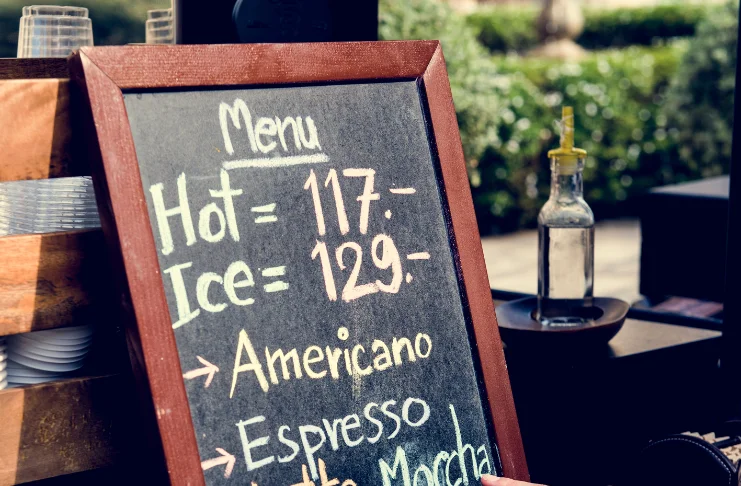
Menu prices must accurately reflect ingredient costs, labor requirements, and the desired profit margin. Profitability, combined with customer satisfaction, is the goal of continual price analysis. Using pricing psychology—how consumers perceive prices—must be considered when evaluating how pricing is affecting their buying decisions. Strategic price positioning of the menu maximizes sales/profit by increasing revenue through controlled food & labour costs.
Pricing adjustments must be made to reflect changes in market supply and demand for products based on weather/seasonal factors. Dynamic pricing strategies will allow businesses to adjust their pricing relative to changes in the marketplace and fluctuating costs.
How to Monitor Financial Performance?

Daily cost tracking enables rapid response to financial variations. Analyzing weekly profit and loss trends provides managers with important information about their business. In addition, comparing results to established industry benchmarks will help identify any performance gaps. Performing regular reviews of financial activity will ensure that current operating costs stay within acceptable ranges and that sustainable profitability.
Additionally, effective cash flow management will provide the company with a good balance between total accounts payable and cash coming into the company from sales. Knowing the terms of payment and timing of sales collections will enable management to avoid cash shortages and maintain effective relationships with vendors.
What are Some Cost Reduction Strategies to Implement Without Sacrificing Quality?

Cost Management Strategies: Cost control measures allow you to keep service levels consistent while minimizing expenses. Energy conservation measures have been shown to save utility costs while having little effect on the customer experience. Supplier consolidation allows for larger volume discounts to be offered, as well as simplifying the purchasing process for restaurants. Group purchasing organizations allow smaller restaurants access to wholesale price levels. Cross-training allows for increased flexibility in the operation and reduced staff needs overall. Employees who are multi-skilled can perform different functions at different times of service.
What is Seasonal Cost Management?

Seasonal variations impact both revenue and costs throughout the year. The increased amount of holiday labor costs, including overtime and seasonal staffing, may lead to higher utility expenses. Utility expenses are influenced by the climate, as summertime temperatures lead to higher cooling costs and wintertime cold leads to higher heating expenses, which necessitate budgetary planning and energy management strategies for utility expenses.
A seasonal menu can be created based on local and seasonal produce as a means to control costs and minimize food wastage. Purchasing locally during peak times minimizes the need for long-distance trucking, which in turn reduces overall delivery costs to food service operations and generally strengthens affiliations with local growers/producers.
How to Manage Cost for an Emergency?

For businesses to remain successful during periods of economic decline, they must quickly assess and adjust their expenses. Many businesses have established cost management plans for emergencies to facilitate quick and easy implementation when needed.
Emergency cost management plans may include temporarily reducing employee working hours, simplifying menu offerings, or renegotiating supplier contracts. By maintaining strong relationships with suppliers during times of financial need, businesses can often get continued service and support from their suppliers.
Conclusion
The discriminatory raising of food and service prices has created a very competitive environment for restaurants. Therefore, in order for restaurant operators to maintain profitability and long-term viability, they must have an understanding of the costs associated with running their operations and how much every dollar spent affects the overall performance of the restaurant.
When managing costs, restaurant operators need to be as diligent when managing their food costs as they are dwhen eveloping their menu items and delivering good customer service. The restaurant operating costs breakdown provided in this guide is an important part of being able to effectively manage costs and ultimately drive the restaurant’s profitability.
The primary reason to use the restaurant operating costs breakdown is to create a more detailed understanding of the relationship of fixed, variable, and semi-variable costs to sales. By understanding these relationships, restaurant operators will be able to effectively manage costs prior to any problems arising.
Control costs without sacrificing quality by implementing systematic approaches to inventory management, labor scheduling, and financial monitoring. Technology solutions offer powerful tools for tracking expenses and identifying opportunities for optimization. Regular financial analysis ensures operating costs remain within acceptable ranges while supporting growth initiatives.
Whether you’re opening your first restaurant or optimizing an existing operation, remember that cost management isn’t about cutting expenses; it’s about optimizing every dollar to maximize value for both your business and your customers.
Frequently Asked Questions
1. What is the 30/30/30/10 rule for restaurants?
The 30/30/30/10 rule suggests that restaurants should allocate 30% of their revenue to food costs, 30% to labor costs, 30% to other operating expenses, and maintain a 10% margin for profit. This guideline provides a starting framework, though actual percentages vary by restaurant type and market conditions.
2. What are the two largest operating costs of a restaurant?
Food costs and labor costs represent the two largest operating expenses for most restaurants. Combined, these prime costs typically account for 55-65% of total revenue. Managing these major expense categories effectively determines restaurant profitability and long-term success.
3. What are direct operating expenses for a restaurant?
Direct operating expenses encompass costs directly related to food service operations, including food and beverage costs, kitchen supplies, cleaning supplies, and direct labor costs. These expenses fluctuate with sales volume and operational activity levels.
4. What is the most expensive part of running a restaurant?
Labor costs typically represent the most expensive single category, often ranging 25-35% of revenue. However, when combined, food and labor costs create the largest expense burden, making cost management critical for restaurant success.