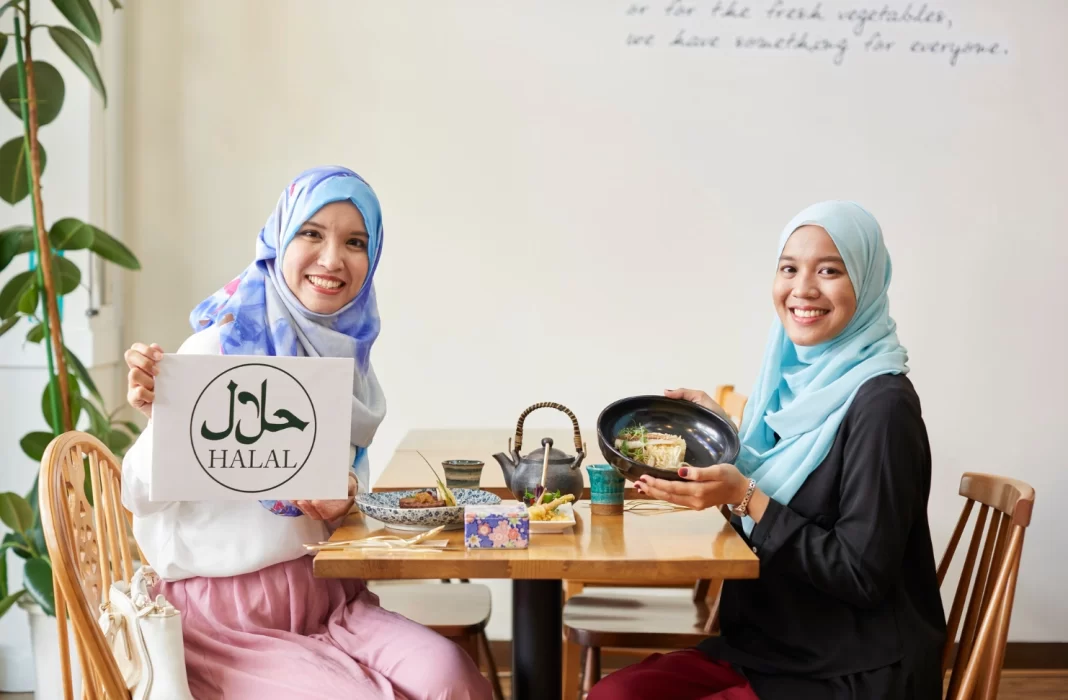

Singapore’s dining scene has become one of the most diverse in Asia. Halal food is at its center.
With a Muslim population of 15.6 percent and millions of Muslim travelers arriving each year, the demand for Halal-certified establishments is both cultural and economic.
Today, more than 5,000 food businesses in the country operate with a Halal certificate issued by the Islamic Religious Council of Singapore. For restaurants, this recognition is, basically, a matter of trust, legal compliance, and global credibility.
This comprehensive guide explains what Halal certification means, who governs it, and how the application process works. It breaks down MUIS Halal certification conditions, costs, and documentation requirements so businesses can navigate each step with greater assurance.
Why does Halal Certification Matter in Singapore’s Food Industry?
Halal certification is considered important in Singapore’s food industry because it directly affects trust. Muslim consumers need assurance that every dish, drink, and ingredient they consume meets Islamic dietary laws. Without that assurance, they avoid the establishment entirely.
This certification indicates to diners that the restaurant has met the strict MUIS Halal certification standards, and creates confidence among the local Muslim community and travelers alike.
Its economic impact is also significant. Singapore’s domestic Halal dining market has been valued at S$1 billion, combining local consumption and spending by tourists. Restaurants that secure certification gain access to this growing demand while also strengthening their brand reputation.
In a competitive food industry, where thousands of businesses vie for visibility, certification gives them a tangible edge. It helps them cater to a wider audience, including families and groups with diverse dietary needs.
Who Issues Halal Certification in Singapore?
In Singapore, Halal certification is issued solely by the Islamic Religious Council, known locally as Majlis Ugama Islam Singapura (MUIS). This body was established to oversee Islamic matters in the country, and its authority in Halal regulation is well recognized.
MUIS Halal certification is the only certification that carries weight in Singapore. Restaurants, caterers, and food manufacturers cannot rely on overseas bodies for approval. To operate legally and market themselves as Halal certified, they must undergo certification by MUIS.
The council has built global recognition for its work. MUIS certification is recognized and accepted across Malaysia, Indonesia, Brunei, and the GCC countries. This provides businesses with greater assurance when they want to expand or supply food beyond Singapore’s borders.
INDUSTRY INSIGHT
| The Islamic Religious Council of Singapore, or Majlis Ugama Islam Singapura (MUIS), was established in 1968 to oversee Muslim affairs and advise the President on matters of Islam. It began halal certification in 1972, issuing its first certificate in 1978. With Singapore positioned as a gateway to 350 million Muslims in Southeast Asia, demand for halal food has steadily grown. Certification has proven commercially valuable, with brands like McDonald’s, KFC, and Pizza Hut reporting profit gains of 15–40 percent after becoming halal certified. |
What are the MUIS Halal Certification Conditions for Restaurants?
Restaurants seeking MUIS Halal certification must follow strict rules that govern every part of their operations. These MUIS Halal certification conditions are designed to ensure compliance with Islamic dietary laws and to give consumers complete confidence in the food they eat.
One of the first requirements relates to sourcing. All raw materials used must be Halal, including meat, seafood, and processed ingredients. Pork and alcohol are strictly prohibited, and any raw ingredients that do not meet Halal requirements cannot enter the premises.
Food preparation is another critical factor. Kitchens must be set up so that lawful and Halal animals are handled properly, cooked according to guidelines, and kept separate from anything that would compromise Halal status. From storage to serving, every stage is checked.
Restaurants also need to employ Muslim staff in key positions. This ensures that food handling and monitoring align with both Islamic law and MUIS halal standards.
Staff are trained to oversee compliance and to report if anything in the process violates certification rules.
MUIS also looks closely at supporting documents during the halal certification application. Restaurants must submit detailed records of suppliers, menu items, and food preparation methods.
These documents allow the council to verify that the applicant meets every requirement before granting approval.
The halal application process is not one-off. Even after a restaurant receives a certificate, MUIS conducts audits to make sure halal applications remain valid over time. This ongoing monitoring ensures that both businesses and consumers are aligned with the halal industry’s regulations.
How does the Halal Application Process Work?
Singapore offers a highly structured and detailed Halal application process to ensure that only businesses that meet strict standards are approved.
Applicants begin by registering their interest with MUIS and selecting the type of halal applications they need, such as for restaurants, caterers, or manufacturers.
Once registered, applicants must prepare supporting documents. These include supplier lists, details of raw materials, food preparation methods, and menu items. Every document helps MUIS confirm that the business is ready to comply with halal requirements.
Applicants then submit their halal certification application through the online system. The system allows businesses to track their application status and respond to any clarifications from MUIS. At this stage, applicants must pay the fees before proceeding.
After submission, MUIS reviews the documents and may conduct inspections of the premises. This is to ensure that food handling, storage, and preparation meet the halal standards. If any adjustments are required, applicants are notified and asked to complete them before proceeding.
The process ends with approval and the issuance of a halal certificate. However, approval does not mean the process is over. Businesses are subject to ongoing checks to ensure compliance, and renewal requires completing another halal application process with updated information and supporting documents.
What Supporting Documents are Required During the Application?
Supporting documents form the backbone of every halal certification application. MUIS uses them to verify that applicants meet halal requirements before a certificate is issued.
Applicants generally need to submit:
- Supplier and raw materials records: Invoices, product lists, and halal certificates from vendors to verify that all raw ingredients meet halal standards.
- Food preparation and menu details: Thorough records of all food processes, like preparation, cooking, and storage, within the premises to show compliance with Islamic dietary laws.
- Muslim staff and training records: Documents showing staff roles, training, and monitoring procedures to ensure ongoing compliance with halal requirements.
- Operational information: Floor plans, service flow, and delivery service processes, which allow MUIS to assess whether the premises are structured to protect halal status.
Completing and submitting all supporting documents accurately is essential. Missing information can delay the halal application process, increase fees, or even result in rejection delay the halal application process, increase fees, or even result in rejection.
What Fees Should Applicants Expect for Halal Certification?

Halal certification in Singapore comes with structured fees that every applicant must take into account. The total cost depends on the type of business, the scale of operations, and the category of certificate being applied for.
Applicants have to pay an initial application fee that covers application processing and documentation review. In addition, they must pay audit fees, which cover on-site inspections by MUIS to verify compliance with halal requirements.
Once approved, businesses must also cover annual certification fees. These payments are tied to the issuance and renewal of the halal certificate, and they vary depending on the size of the establishment.
If businesses later decide to make changes, such as updating suppliers or adding new menu items, additional service fees apply to cover amendments to halal applications.
Please note that all fees are non-refundable, regardless of whether the application is rejected. MUIS structures its fee system this way to cover the administrative and inspection work involved in the halal application process.
How Long Does It Take to Complete Halal Applications?
The timeline for halal applications in Singapore varies depending on the applicant’s readiness and the complexity of the business.
On average, the halal application process can take between one and three months from submission to approval.
The speed often depends on how well supporting documents are prepared. Applicants who complete their submissions accurately and provide clear details on raw materials, food preparation, and menu items typically see their application status progress faster.
However, delays are common when documents are incomplete or when compliance issues arise during inspections.
As a part of the process, MUIS also schedules an audit of the premises. These inspections can take time, especially if the applicant is required to make adjustments before proceeding. It is recommended to implement the changes quickly to expedite approval.
Once the process is complete, the halal certificate will be issued, confirming the restaurant’s compliance with halal standards.
What Challenges do Applicants Face When Preparing and Submitting Applications?

For those planning to start a food business in Singapore and seeking halal certification, the process may feel overwhelming. The most common challenge is preparing and submitting complete sets of documents.
MUIS requires detailed records of suppliers, raw materials, menus, and food preparation methods. Missing even one document can slow down the entire application status review.
Another difficulty lies in completing adjustments to operations. Some premises may require adjustments to their layout, storage, or preparation process to ensure compliance with halal requirements. For small restaurants and eateries, making these adjustments quickly can be costly and disruptive.
Applicants also struggle with the technical side of the online system. Submitting halal applications digitally requires accuracy in entering information and uploading files. Mistakes at this stage can cause delays or even rejection.
Costs add to the challenge. Paying fees for audits, renewals, or amendments is often a concern for smaller businesses that operate on tight budgets. Yet these fees are necessary for MUIS to review applications and issue a halal certificate.
Finally, there is the matter of ongoing compliance. Even after approval, applicants must maintain high standards across their premises.
Audits are unannounced, and any lapse can risk suspension. For many businesses, the pressure of staying fully compliant is just as demanding as the initial submission.
Conclusion
When it comes to halal dining, trust is everything. MUIS halal certification ensures Muslim diners can consume food with confidence, knowing that every step meets Islamic principles.
For restaurants, certification determines how Muslim communities decide where to eat, thus directly impacting brand credibility. When operators build strong systems around Halal compliance and consistency, they can easily meet growing customer demand and strengthen long-term relationships.
Frequently Asked Questions
1. How to check if a restaurant is Halal in Singapore?
You can verify a restaurant’s halal status through the official MUIS Halal website or the MuslimSG app, which lists all halal-certified establishments in Singapore.
2. Is TWG Halal-certified in Singapore?
As of 2025, TWG Tea is not halal-certified in Singapore.
3. How much does halal certification cost in Singapore?
Halal certification fees vary by type of application, size of premises, and scope of operations. For most restaurants, fees range from several hundred to a few thousand Singapore dollars.
4. Is Jollibee Singapore Halal-certified?
Yes. Jollibee outlets in Singapore are MUIS halal-certified and serve a fully halal menu.