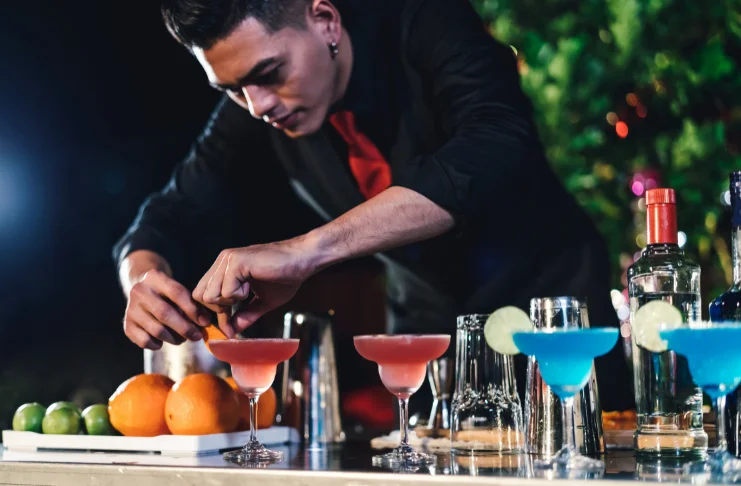

A well-designed commercial bar sets the stage for memorable guest experiences while ensuring operational efficiency for staff. Whether located inside a restaurant, hotel, or standalone venue, the bar area is a focal point that combines atmosphere with functionality. From modern layouts to classic aesthetics, the right design choices have a direct impact on customer satisfaction and revenue. According to recent statistics, the global bar and nightclub industry is expected to increase in size by $34.5 billion at a 5.1% CAGR between 2024 and 2029, underscoring the ongoing demand for innovative and attractive bar environments.
This guide explores commercial bar design ideas that strike a balance between style and practicality, covering bar layout, equipment, lighting, and key design considerations.
Why Commercial Bar Design Matters

Commercial bar design is not just about aesthetics; it plays a defining role in shaping how customers interact with the space and how efficiently staff can perform their tasks. A well-designed bar encourages guests to stay longer, order more, and return for future visits, while also making life easier for bartenders by reducing unnecessary movement and improving workflow.
INDUSTRY INSIGHT
| Research on restaurant atmospherics reveals that the environment has a direct impact on customer emotions. Venues with thoughtfully designed, pleasant atmospheres were shown to make guests feel more relaxed and uplifted. Importantly, the study also revealed that customers were significantly more inclined to return when they experienced a positive emotional connection with the space, reinforcing how design choices go beyond aesthetics to drive loyalty and repeat business. This highlights the direct connection between design and customer satisfaction and revenue. |
For operators, every design decision, from the placement of bar counters to the type of seating and lighting used, has a financial impact. A bar with poor layout or inadequate equipment placement slows down service, leading to longer wait times and frustrated customers.
On the other hand, a space that integrates ambiance with functionality enables bartenders to deliver faster service while guests enjoy a seamless and engaging experience.
Ultimately, the importance of commercial bar design lies in its ability to bring together three critical factors: customer attraction, operational efficiency, and long-term profitability. By striking the right balance between atmosphere and functionality, bar owners can create an environment where both staff and guests thrive.
Commercial Bar Layout: Creating Flow and Efficiency
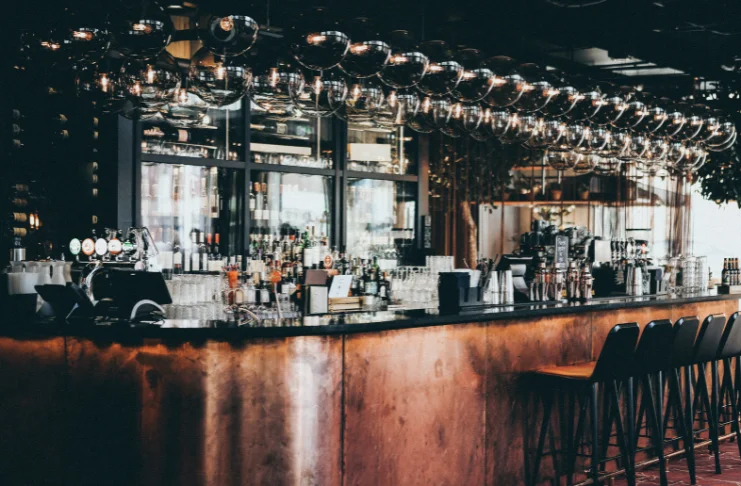
The foundation of any successful commercial bar design begins with its layout. A well-planned bar layout not only determines how efficiently bartenders can serve but also shapes the overall customer experience of the space. When the flow is smooth, staff can work faster, service is seamless, and guests feel comfortable rather than crowded. Conversely, a poorly designed layout can lead to traffic jams, slow service, and frustrated customers. Key layout options:
- Straight Bar Layout – This is the simplest option, often seen in compact venues where space is limited. It provides a linear workspace, making it cost-effective and efficient for small teams. While seating is limited, the straightforward design ensures bartenders have everything within easy reach.
- L-Shaped Layout – By adding an additional side, this layout enhances interaction between staff and guests. It creates a natural corner for service and allows for better traffic distribution, particularly in restaurants or lounges where the bar is not the sole focal point.
- U-Shaped Layout – Ideal for maximizing seating, the U-shaped bar creates a sense of enclosure and intimacy while giving bartenders centralized control. It works well in high-capacity venues where customer engagement is a priority.
- Island Bar Layout – Positioned at the center of the room, this design makes the bar the main attraction. It encourages social interaction from all sides and creates an open, engaging environment. Island layouts are popular in nightclubs, hotel lounges, and modern restaurants, aiming for a lively centerpiece.
Once the structure of the bar is decided, the next step is to consider design details that influence both the ambiance and functionality of the space.
Commercial Bar Design Considerations
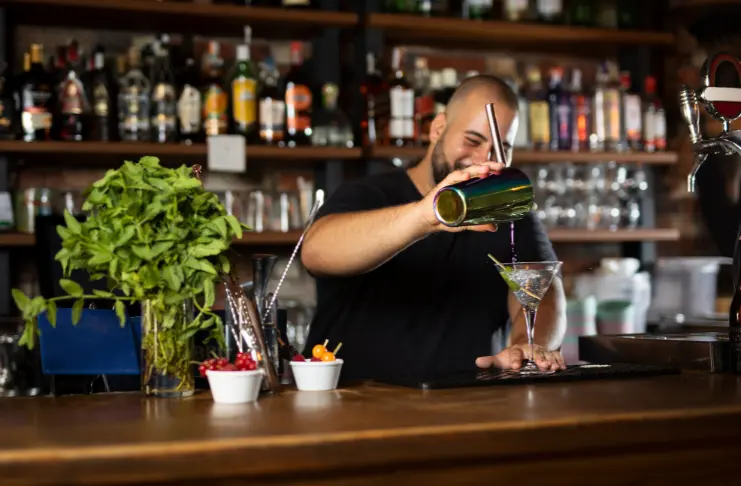
Beyond the shape and placement of the bar, design considerations determine how the space feels and functions on a daily basis. Architects and hospitality experts emphasize that even minor adjustments—such as bar counter height or lighting—can have a substantial impact on both guest comfort and staff efficiency. Essential factors:
- Ideal Height – A bar counter height of around 42 inches is widely recommended. This ensures comfort for seated guests while allowing bartenders to maintain good posture during service. A height mismatch can cause discomfort or make the bar appear uninviting.
- Storage Area – Shelving, under-counter refrigeration, and dedicated wine bottle storage are not just conveniences; they are operational necessities. Proper storage keeps the bar organized, speeds up service, and helps staff maintain a clean, cohesive design.
- Lighting – Lighting serves both aesthetic and functional purposes. LED lighting is particularly effective as it reduces energy costs while allowing designers to highlight specific features, such as the bar top or bottle display areas.
- Safety and Systems – Safety cannot be overlooked. Non-slip flooring ensures staff can move quickly without risk, while fire suppression systems and proper ventilation are required to meet industry standards and provide peace of mind.
With these practical elements addressed, bar owners can explore design ideas that bring creativity, branding, and personality to life.
Design Ideas for a Modern Commercial Bar

Modern commercial bar design ideas emphasize simplicity, functionality, and contemporary appeal. Clean lines, advanced technology, and innovative lighting define this approach, catering to a demographic that values efficiency and stylish interiors. Core elements of modern design:
- Minimalist Aesthetics – Spaces with polished concrete floors, sleek metal accents, and clutter-free counters convey sophistication. Minimalism reduces distractions, allowing lighting and décor to stand out.
- Technology Integration – Touchscreen ordering systems, digital menus, and automated lighting controls streamline operations while improving customer experience. They also allow bartenders to focus more on service rather than logistics.
- LED Lighting – Strategic use of color-changing LEDs under the bar counter, along shelving, or even integrated into ceilings creates a dynamic and adaptable atmosphere.
According to the “Connected Dining” report, 56% of Millennials expressed interest in digital menus, underscoring that design and technology integration are more than nice-to-haves; they are becoming standard in venues looking to attract younger, trend-aware crowds.
While modern bars draw in younger customers seeking cutting-edge experiences, many venues find equal success with designs that embrace timeless, classic styles.
Classic Restaurant Bar Design
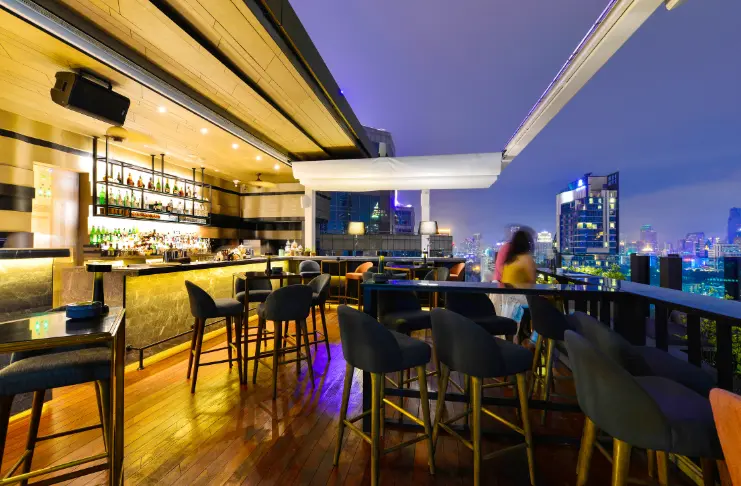
Classic bar designs focus on warmth, tradition, and comfort. They create an inviting atmosphere that appeals to a wide demographic, from business professionals to casual diners. Unlike modern bars that prioritize sleekness, classic restaurant bar design emphasizes materials and elements that have stood the test of time. Timeless features of classic bars:
- Wood Bar Tops – Oak, walnut, or mahogany tops provide a rich, natural look. They bring warmth to the space and pair beautifully with both upscale and casual dining environments.
- Glass Racks and Displays – Hanging glass racks above the bar not only saves space but also showcases craftsmanship and efficiency. They double as functional tools and aesthetic features.
- Fireplace Features – A fireplace, whether traditional or modern, adds a cozy element. When paired with rustic stone walls or wooden accents, it encourages guests to linger longer, particularly in colder climates or evening settings.
Classic designs remain popular because they provide a balance of comfort, elegance, and familiarity. They resonate with a broad customer base, ensuring the bar remains relevant and inviting for years to come.
Bar Counter Design: The Focal Point
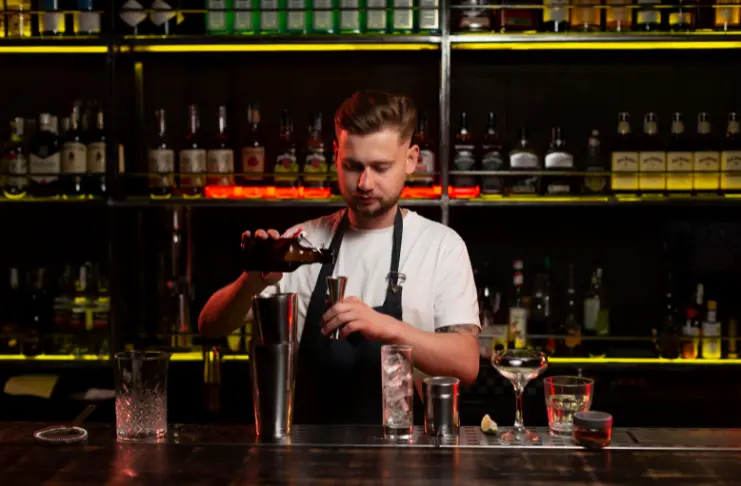
The bar counter is the centerpiece of any commercial bar, serving as the first point of interaction between guests and bartenders. Its design must strike the right balance between aesthetics and utility, since it supports heavy daily use while also shaping the guest’s first impression. A well-constructed counter not only withstands spills, scratches, and wear but also enhances the overall atmosphere of the space. Popular counter materials:
- Granite or Quartz – Known for their durability, these materials are resistant to scratches and stains, making them ideal for high-traffic areas such as bars. Their polished finish gives a sleek, modern look while also being easy to clean.
- Wood – A timeless choice that adds warmth and character. Hardwoods such as oak, walnut, or teak can create a cozy, classic ambiance, although they require regular maintenance, like sealing to prevent moisture damage.
- Metal Finishes – Stainless steel or brushed aluminum counters lend an industrial edge. They are hygienic, easy to wipe down, and pair well with contemporary or minimalist interiors.
While the counter forms the core structure, the surface where guests sit and interact—the bar top—plays an equally vital role in defining comfort and design.
Bar Top Design: Enhancing Guest Experience
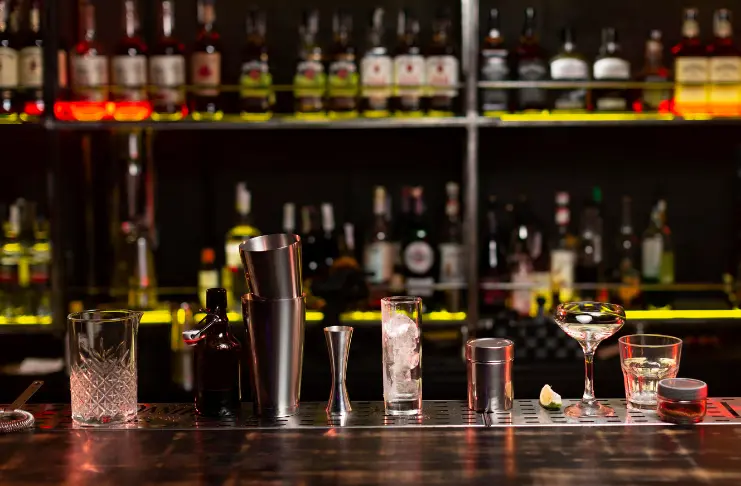
The bar top is not just a surface; it is the touchpoint where drinks are placed, meals are served, and conversations unfold. Its material and finish impact the guest’s comfort and the bar’s maintenance needs. Key features of a bar top:
- Durability – The bar top must withstand constant use, from cocktail shakers to heavy pint glasses. Stone or laminate tops are particularly resilient to scratches and spills.
- Design Variety – Wood tops offer a traditional, warm aesthetic, while stone or laminate adds modern sophistication. Custom finishes, such as etched glass or mixed materials, enable venues to align their bar tops with their brand identity.
- Comfort – Smooth edges, proper thickness, and an ergonomic height are essential. The typical bar top depth is 16 to 20 inches, providing guests with sufficient space to place their drinks comfortably without overcrowding.
A carefully chosen bar top enhances guest satisfaction, reduces long-term maintenance costs, and contributes to the bar’s visual appeal.
Bar Equipment Essentials for Functionality
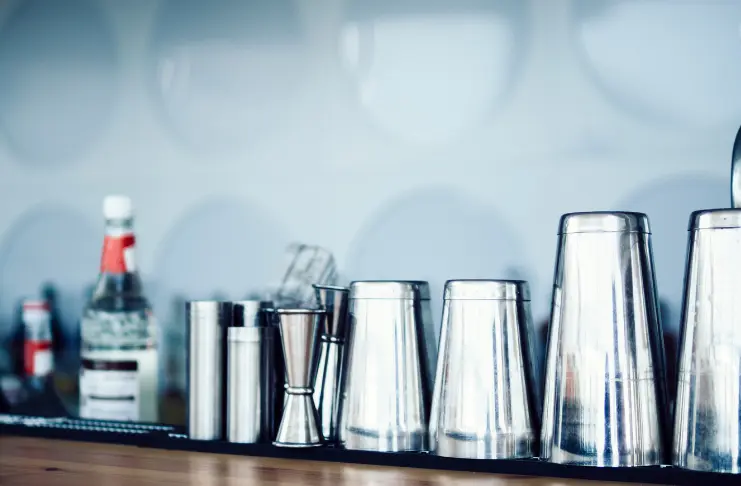
Behind every successful commercial bar lies efficient bar equipment. Bartenders rely on well-placed and functional tools to deliver quick, consistent service, particularly during peak hours. Investing in quality equipment ensures smooth operations and minimizes downtime. Must-have equipment:
- Under-Counter Refrigerators – Essential for storing mixers, garnishes, and chilled beverages within reach. They reduce the need for staff to move away from the counter.
- Ice Machines – A reliable ice supply is critical for cocktails, sodas, and beer. Machines should be sized according to the average daily service volume.
- Sinks – Sanitation is key. Triple-compartment sinks and glass-washing stations streamline cleaning and help meet hygiene regulations.
- Draft Beer Systems – High-quality taps and kegs ensure consistent pours and reduce waste.
- Wine Racks and Storage – Properly storing wine at the right temperature enhances quality and provides an attractive visual display.
Equipping the bar correctly reduces bottlenecks in service, freeing bartenders to focus on hospitality, which in turn strengthens customer satisfaction.
Storage Area Solutions in Bar Design
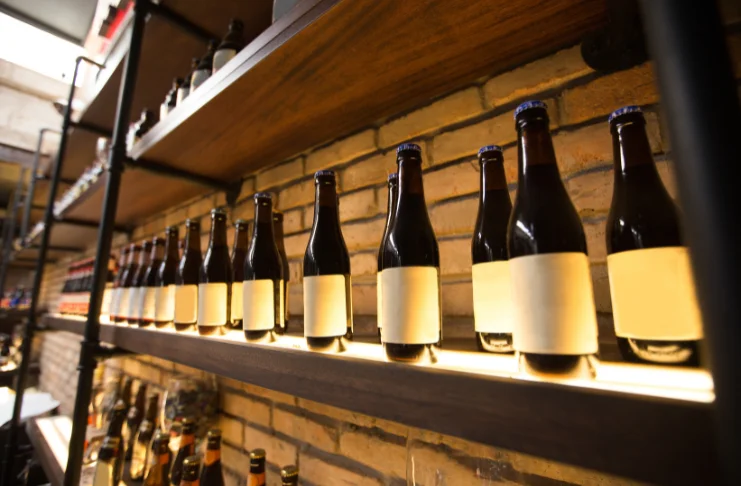
A clutter-free bar area improves efficiency and enhances aesthetics. Without proper storage, even the most stylish bar can quickly appear disorganized. Smart storage ensures staff can locate tools, bottles, and glassware instantly. Storage solutions:
- Shelving Units – Wall-mounted shelves provide both storage and display for spirits. Custom shelving with integrated LED lighting can serve as both décor and storage.
- Hidden Storage – Under-bar cabinets and drawers keep tools, napkins, and cleaning supplies out of sight, preserving clean lines.
- Glass Racks – Overhead glass racks not only provide easy access but also create visual symmetry, becoming part of the design itself.
Well-planned storage contributes to faster service, safer workflows, and a polished look that impresses customers.
Lighting Design for Atmosphere
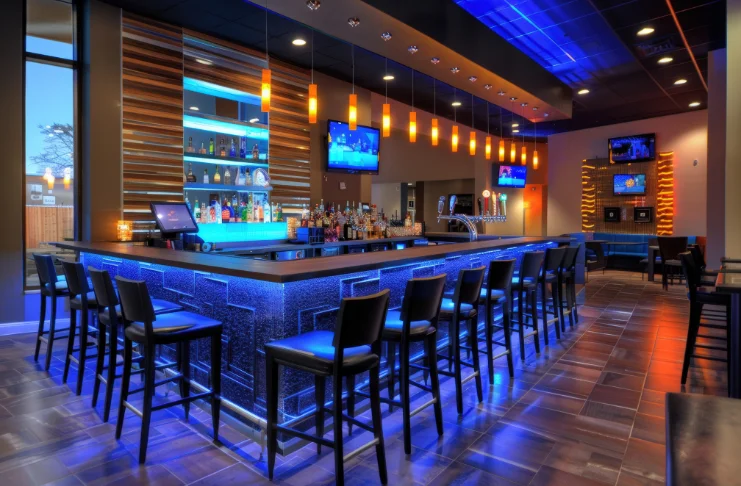
Lighting sets the mood in a commercial bar. It guides guests’ perception of space, influences how drinks and food are presented, and enhances the overall atmosphere. Beyond aesthetics, good lighting also supports staff by ensuring clear visibility in work areas. Types of lighting:
- LED Lighting – Versatile, energy-efficient, and customizable. LED strips can be placed under counters, shelves, or ceilings to create dynamic effects.
- Accent Lighting – Spotlights or directional lights emphasize specific design features such as artwork, liquor displays, or the bar counter itself.
- Ambient Lighting – Soft, diffused lighting fosters a warm and inviting environment, encouraging guests to stay longer.
According to the U.S. Department of Energy, LED lighting uses at least 75% less energy than incandescent lighting and lasts up to 25 times longer, making it an effective and sustainable choice for commercial spaces.
Seating and Space Planning
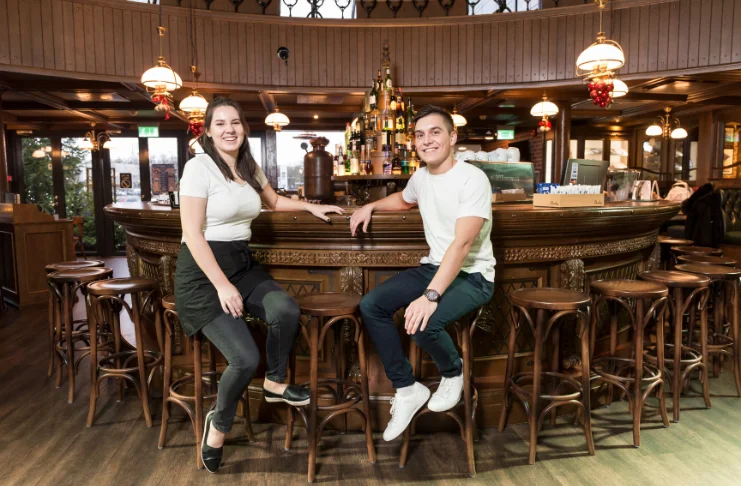
The way seating is arranged impacts customer comfort and the bar’s capacity. Guests expect personal space, while operators aim to maximize revenue per square foot. Balancing these factors requires thoughtful planning.
Seating Options
- Bar Stools – These are standard for bar counters, ideally with footrests for comfort. Adjustable or cushioned stools enhance guest experience.
- Lounge Areas – Sofas and armchairs can be included for groups or guests who prefer a relaxed atmosphere.
- Spacing – A gap of at least 18 inches between stools ensures comfort and prevents crowding.
Proper space planning accommodates diverse customer preferences while maintaining an efficient workflow for staff.
Material Selection in Commercial Bar Design
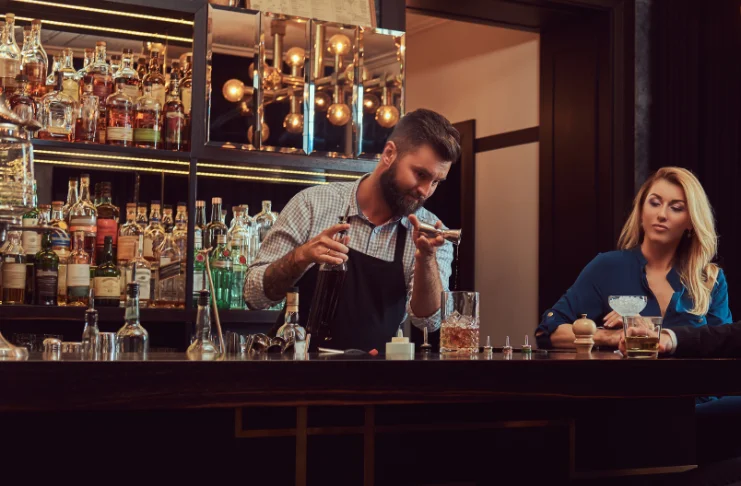
The choice of materials influences not only the style but also the durability and maintenance requirements of the bar. Each material brings its own benefits, making combinations a popular choice. Common materials:
- Wood – Creates warmth and a timeless appeal. Often used for bar tops and cabinetry.
- Metal – Brings a modern or industrial vibe. Stainless steel is particularly valued for its hygiene and durability.
- Glass – Ideal for shelving, racks, or decorative panels, offering transparency and elegance.
A layered approach—combining wood for warmth, metal for function, and glass for sophistication—ensures the space feels both stylish and durable.
Industrial Style Inspiration
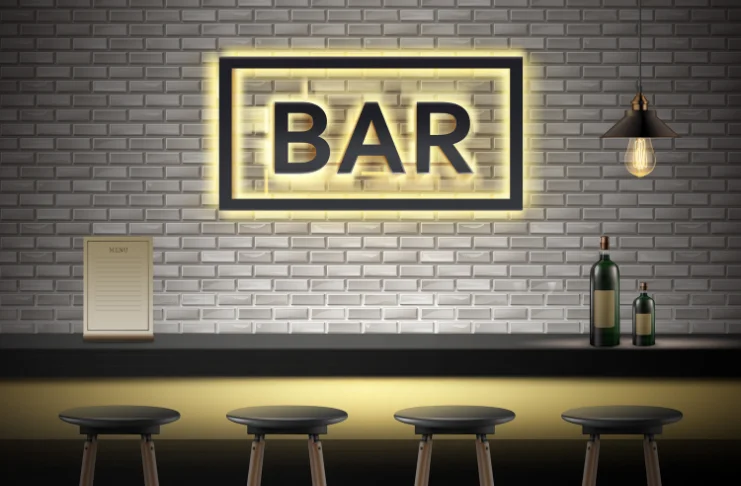
Industrial design remains one of the most sought-after styles for modern bars, particularly in cities where authenticity and raw finishes resonate with younger customers. Key features:
- Exposed Brick Walls – Add texture and a rustic touch.
- Metal Bar Counters – Reinforce durability while maintaining a sleek look.
- Concrete Floors – Easy to maintain and in line with industrial aesthetics.
- Minimalist Lighting Fixtures – Pendant lights or Edison bulbs complement the raw, functional feel.
Industrial-inspired spaces are adaptable, cost-effective, and convey authenticity that resonates with today’s urban clientele.
Remodeling an Existing Bar
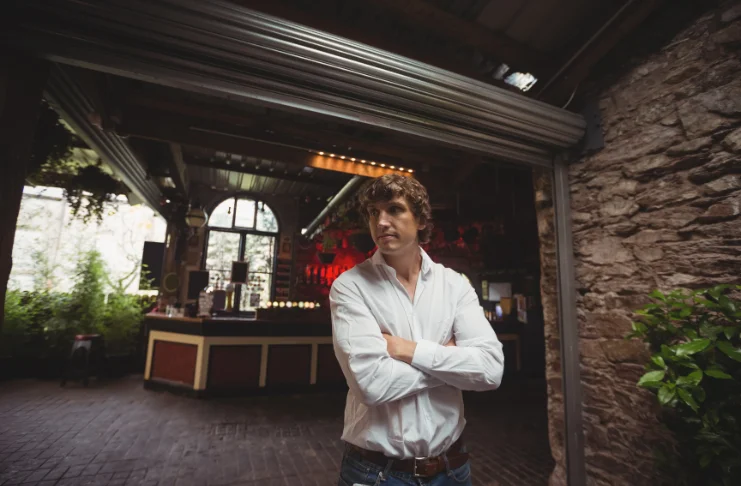
Not every project begins with a blank canvas. Remodeling enables owners to refresh an existing space without having to start from scratch. A strategic remodel focuses on both aesthetic updates and functional improvements. Cost-effective updates:
- Bar Tops – Replacing outdated materials with quartz, wood, or metal finishes instantly gives the space a facelift.
- Lighting – Switching to LED lighting enhances ambiance and reduces utility bills.
- Storage – Expanding shelving and concealed cabinets improve efficiency.
- Equipment Replacement – Upgrading ice machines, sinks, or draft systems ensures consistent service quality.
Remodeling should align with budget, but always with an eye toward long-term returns. Even small updates, when planned strategically, can transform the bar’s atmosphere and boost revenue.
Conclusion
Designing a commercial bar requires striking a balance between creativity and practicality. From bar layout to lighting, equipment, and materials, each decision shapes guest experiences and bartender efficiency. Modern styles with clean lines appeal to younger crowds, while classic restaurant bar designs attract those who value tradition.
With thoughtful planning, the right storage area solutions, and attention to detail, bar owners can create spaces that not only serve drinks but also enhance atmosphere, attract customers, and boost profitability.