

The restaurant industry is facing an unprecedented crisis that threatens operations across the nation. From small family-owned diners to full service restaurants, the struggle to find and keep qualified restaurant employees has become a daily challenge. This restaurant staff shortage isn’t just a temporary setback but a fundamental shift in how the food service industry operates and competes for talent.
Restaurant owners are scrambling to fill job openings while maintaining service quality and keeping operations running smoothly. Staffing challenges have forced many restaurants to reduce hours, limit seating capacity, or even close temporarily. Understanding the root causes and implementing solutions like flexible scheduling, career advancement opportunities, and employee referral programs has become critical for the restaurant business to retain employees, manage labor costs, and meet customer demand in today’s competitive hospitality industry.
Understanding the Restaurant Labor Shortage
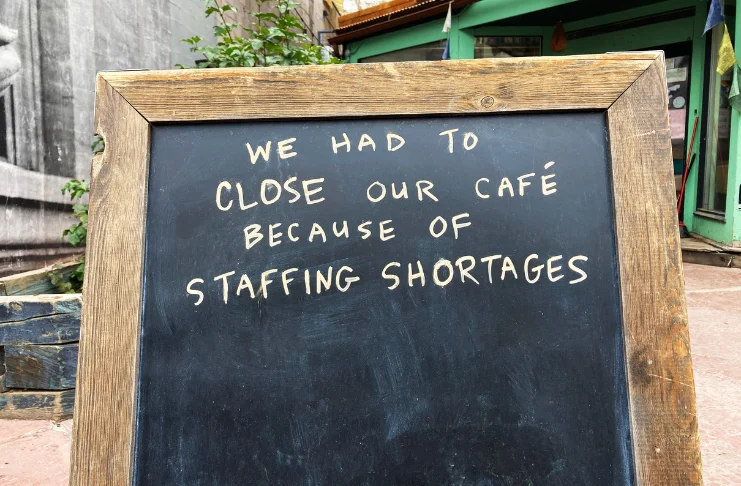
The restaurant labor shortage is one of the biggest challenges in the hospitality industry, driven by changing employee expectations, workforce dynamics, and deeper issues beyond simple hiring difficulties.
INDUSTRY INSIGHT
| As of mid-2025, about 70% of U.S. restaurant operators report difficulty filling open positions, and 45% indicate they do not have enough staff to meet customer demand. Full-service restaurants are particularly affected, operating 222,000 jobs, 4% below pre-pandemic employment levels. |
The Scale of the Problem
Staffing shortages are hitting the restaurant industry harder than ever. The National Restaurant Association highlights critical workforce gaps across the food and beverage industry. Key issues include:
- Restaurant staffing levels were essentially flat during the first 8 months of 2025, with fewer than 13,000 jobs added year-to-date.
- Worker availability remains below pre-pandemic levels, despite rising customer demand.
- The shrinking labor pool strains both kitchen efficiency and customer experience.
This growing imbalance leaves restaurant owners fighting to uphold quality while managing limited staff resources.
Historical Context and Current Reality
The restaurant industry’s staffing woes aren’t new but have worsened in recent years. Major factors behind the ongoing labor shortage include:
- The gig economy has changed how workers view traditional restaurant jobs.
- Many now prefer flexible scheduling and remote options unavailable in food service.
- Faster recovery in other sectors continues to draw workers away.
This shift in employment trends makes it harder for restaurants to compete for and keep quality staff.
Primary Causes Behind Restaurant Staff Shortage

Multiple factors have created the current restaurant staff shortage, and understanding these causes helps restaurant owners develop effective strategies to attract and retain employees nationwide.
Compensation and Financial Concerns
Low wages remain a major reason behind the ongoing restaurant staff shortage. Several factors make it harder for restaurants to attract and retain workers, including:
- Higher-paying opportunities in retail and other service sectors drawing away cooks and servers.
- Rising living costs making minimum wage positions unsustainable for many restaurant employees.
- Widening pay gaps between restaurant workers and employees in other industries.
To stay competitive, restaurant owners must now view offering competitive wages as a necessity, not a choice.
Impact of the Gig Economy
Alternative work arrangements are reshaping how potential employees view restaurant jobs. Key impacts on the restaurant labor shortage include:
- Delivery drivers and gig workers often earn more and enjoy greater schedule flexibility than traditional restaurant staff.
- Many workers prefer gig roles that let them control their hours, reducing the labor pool for entry-level restaurant positions.
- Immediate income and minimal training in the gig economy outweigh benefits like health insurance or paid time off for many workers.
This shift is forcing restaurants to rethink staffing strategies to attract and retain employees in a competitive job market.
Operational Challenges Created by Staffing Shortages

When restaurants cannot maintain enough employees, every aspect of operations suffers. These challenges create cascading effects that impact revenue, reputation, and long-term viability.
Service Quality Deterioration
Without enough front of house staff, restaurants cannot maintain top service standards. Key effects of these shortages are:
- Customers face longer waits, less attentive service, and more order mistakes.
- Overworked line cooks and prep cooks cause inconsistent food quality and slower ticket times.
- Limited capacity forces restaurants to reduce reservations or close dining sections, lowering revenue.
Staff shortages disrupt smooth operations, affecting both service quality and overall restaurant success.
Employee Stress and Turnover Cycles
Operating short-staffed places heavy strain on existing restaurant employees. The main consequences are:
- Increased workload causes physical exhaustion and mental stress, pushing even loyal staff to leave.
- High turnover creates chaotic environments where new hires receive inadequate training and often quit quickly.
- Constant staff churn prevents restaurants from building cohesive teams with strong communication and support.
Without stable teams, long-term restaurant success and smooth operations become extremely difficult to achieve.
Financial Implications
Labor costs rise even as restaurants struggle to fill positions, creating a financial squeeze. According to Expert Market’s report, 27% of staff and managers worry about rising operational costs. Key challenges contributing to this strain are:
- Overtime pay, premium wages, and recruitment expenses increase operating costs.
- Reduced seating capacity and shortened hours result in lost revenue during peak times.
- Constant recruitment and training divert funds from investments in facilities, equipment, or menu improvements.
These pressures make balancing staff needs and financial sustainability one of the restaurant industry’s toughest challenges.
Strategic Solutions for Attracting Talent

Overcoming the restaurant staff shortage requires creative approaches to recruitment that address the underlying concerns of potential employees while differentiating your restaurant from competitors.
Competitive Compensation Packages
Offering competitive wages forms the foundation of a successful restaurant recruitment strategy. Effective ways to attract and retain employees are:
- Ensuring pay scales for front of house staff, prep cooks, and line cooks meet or exceed local restaurant industry standards.
- Providing health insurance and other health benefits that make positions more appealing in the food and beverage industry.
- Offering paid time off to support work life balance and employee wellbeing.
Restaurants that combine competitive wages with benefits are better positioned to retain employees and reduce staffing shortages.
Flexible Scheduling Options
Flexible scheduling has become essential for attracting and retaining restaurant staff. Key ways it helps address the restaurant labor shortage are:
- Allowing employees to have input on schedules or swap shifts to support work life balance.
- Offering different shift types to accommodate varying lifestyle needs and attract a wider labor pool.
- Using technology solutions to streamline scheduling and give staff more control and visibility.
Restaurants that embrace flexible scheduling can improve employee retention and keep operations running smoothly.
Retention Strategies to Keep Current Staff

Attracting new hires solves only half the staffing equation. Employee retention determines whether your restaurant builds a stable, skilled team or constantly cycles through inexperienced workers.
Creating Career Advancement Opportunities
Career advancement opportunities turn restaurant jobs into long-term career paths rather than temporary positions. Strategies to support employee growth include:
- Creating clear pathways for progression, such as server to supervisor or prep cook to sous chef.
- Investing in training and cross-training programs to build skills and operational flexibility.
- Promoting from within to show commitment to staff development and encourage loyalty.
Providing visible career growth helps restaurants retain employees and strengthen team engagement.
Improving Workplace Culture
A positive workplace culture plays a key role in retaining restaurant employees. Steps to build a supportive environment include:
- Encouraging respect and recognition through programs that celebrate staff achievements.
- Addressing toxic behaviors promptly and setting clear expectations for professional conduct.
- Creating open communication channels for concerns and suggestions without fear of retaliation.
Restaurants that prioritize a healthy culture foster loyalty and reduce employee turnover in the food and beverage industry.
Recognition and Appreciation Programs
Regular recognition of employee performance strengthens engagement and morale in restaurants. Effective recognition practices include:
- Acknowledging achievements through programs like employee of the month or public praise in team meetings.
- Offering performance bonuses tied to metrics such as customer satisfaction or sales targets.
- Celebrating milestones like work anniversaries and personal accomplishments to build loyalty.
Consistently valuing staff contributions helps restaurants retain employees and foster a motivated workforce.
Adapting Operations to Current Labor Realities

Successful restaurant owners adapt operations to maintain service quality despite the restaurant labor shortage, using smart strategies to function effectively with limited staff and navigate current labor market constraints.
Technology Integration
Online ordering and technology solutions help restaurants manage labor shortages while maintaining service quality. Key benefits include:
- Digital ordering platforms let restaurants serve more customers without adding front of house staff.
- Kitchen display systems and advanced point-of-sale tools streamline operations and reduce errors.
- Self-service options like QR code menus and tableside payments lower server workload and increase efficiency.
Strategic use of technology allows restaurants to optimize staff resources and maintain smooth operations.
Menu Optimization
Simplifying restaurant menus helps smaller teams maintain both quality and operational efficiency. Key approaches to achieving this are:
- Removing underperforming items that demand excessive prep time or specialized skills from line cooks and prep cooks.
- Focusing on dishes that can be partially prepared in advance or quickly assembled during peak service periods.
- Implementing seasonal menu rotations that align with ingredient availability to streamline inventory and keep offerings fresh.
By reducing kitchen complexity, restaurants can lower staff stress, improve consistency, and free team members to focus more on delivering an exceptional dining experience.
Operational Efficiency Improvements
Optimizing restaurant operations helps teams work efficiently despite labor shortages. Key strategies in the restaurant business include:
- Analyzing workflow patterns and kitchen layouts to remove bottlenecks, reduce physical strain, and allow staff to work effectively with fewer employees.
- Standardizing recipes and procedures to maintain consistent quality and reduce training time for new restaurant employees.
- Adjusting operating hours to focus on peak periods, maximizing revenue while maintaining service quality.
Streamlined operations enable restaurants to maintain high service standards and keep the dining room running smoothly even with limited staff.
Building for Long-Term Sustainability

Addressing the restaurant staff shortage requires thinking beyond immediate hiring needs to create sustainable business models that can thrive in permanently changed labor markets.
Investment in Employee Development
Comprehensive training and continuous improvement help restaurants develop skilled staff and adapt to a changing labor market. Key strategies include:
- Developing technical and soft skills to improve performance, reduce stress, and enhance restaurant operations.
- Partnering with culinary schools or community colleges and using mentorship programs to access motivated potential employees and strengthen teams.
- Surveying staff, monitoring industry trends, and building financial reserves to invest in higher wages, better benefits, or facility improvements.
By combining employee development with ongoing adaptation, restaurants can retain employees, maintain smooth operations, and stay competitive despite staffing challenges in the food and beverage industry.
Community Engagement and Employer Branding
Building a strong reputation as an employer helps restaurants attract and retain employees. Effective strategies include:
- Encouraging positive word of mouth from current and former staff to ease recruitment challenges.
- Participating in community events and supporting local causes to demonstrate values beyond profit.
- Maintaining an active social media presence that showcases team culture and a positive work environment.
Restaurants known for supportive workplaces and community engagement are better positioned to attract talent in the competitive food and beverage industry.
Conclusion
The restaurant staff shortage has reshaped the food and beverage industry, creating significant challenges for restaurant owners and restaurant employees alike. Those who invest in competitive wages, flexible scheduling, comprehensive training programs, and career advancement opportunities are better able to retain employees and maintain service quality. Addressing restaurant labor shortages and employee burnout directly, rather than relying on temporary fixes, ensures long-term success and smooth restaurant operations.
The path forward requires creativity, flexibility, and a willingness to rethink traditional restaurant business models. Smart, data-driven solutions that optimize staffing, leverage technology like online ordering, and foster cohesive teams allow full service and service restaurants to meet customer demand, retain employees, and thrive in a competitive hospitality industry while building resilient, successful operations.
Frequently Asked Questions
1. Why is there a shortage of restaurant workers?
The shortage of restaurant workers comes from high turnover, low wages, long hours, and competition from other industries.
2. What is causing the staffing shortage?
Staffing shortages are driven by low pay, demanding schedules, employee burnout, and the shift toward flexible gig economy roles.
3. Why is it so hard to find restaurant workers?
Finding restaurant workers is difficult due to a shrinking labor pool, high turnover, and rising customer demand in the food service industry.
4. Why are restaurant workers quitting?
Restaurant workers quit because of low wages, long hours, limited benefits, lack of career growth, and high job stress.
5. What is the 30/30/30/10 rule for restaurants?
The 30/30/30/10 rule helps restaurants allocate 30% for labor, 30% for food costs, 30% for operating expenses, and 10% for profit.
6. What are the three C’s in a restaurant?
The three C’s—communication, consistency, and customer focus—ensure smooth operations and enhanced service quality.
7. How to manage staff shortage?
Managing staff shortages requires flexible scheduling, cross-training, technology like online ordering, and incentives to retain employees.
8. How many staff should a restaurant have?
A restaurant should have enough employees to cover front of house, back of house, and peak hours without compromising service quality.
9. Why are restaurants having trouble staffing?
Restaurants struggle to staff because of competitive wages elsewhere, employee burnout, and a limited pool of skilled restaurant workers.
10. What is the top challenge for restaurant operators?
The top challenge for restaurant operators is balancing labor costs while retaining employees and maintaining service quality.
11. What are the staffing requirements for a restaurant?
Staffing requirements vary by restaurant size and type, including front of house staff, line cooks, prep cooks, and management roles.
12. How to handle short staffing in a restaurant?
Handling short staffing involves prioritizing tasks, flexible schedules, cross-training staff, and using technology to maintain operations.
13. What happens when a restaurant is understaffed?
When a restaurant is understaffed, service slows, customer satisfaction drops, kitchen errors increase, and existing staff experience burnout.