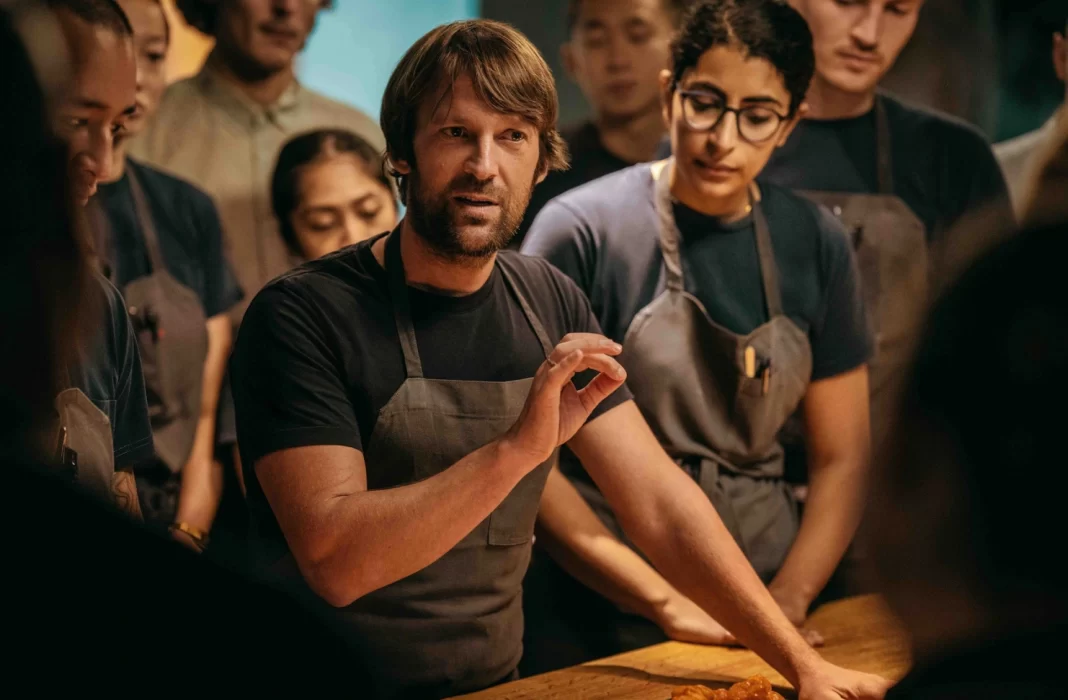

René Redzepi spent two decades convincing the world that fermented grasshoppers and live ants could actually make up a dish worth paying serious money for. He proved it at Noma, the restaurant he co-founded in 2003. Those dishes didn’t just bring him three Michelin stars and the title of World’s Best five times, but changed the entire way we think about nature, food, and the plate.
But now he kind of seems done with even that version of fine dining.
Maybe that’s why, in early 2023, Redzepi told AnOther that the fine-dining business model was unsustainable, and announced Noma would close for regular service at the end of 2024.
Just imagine: If the king of fine dining couldn’t make it work, what chance does anyone else stand?
Except Noma didn’t close. The restaurant staged a second pop-up in Kyoto for Ocean Season 2025 and is now accepting reservations for Copenhagen Season 2025-2026. The uncertainty around what comes next has only deepened the intrigue, but what’s becoming clear is that Redzepi is tired of doing the same thing over and over.
Daring to Fail Again
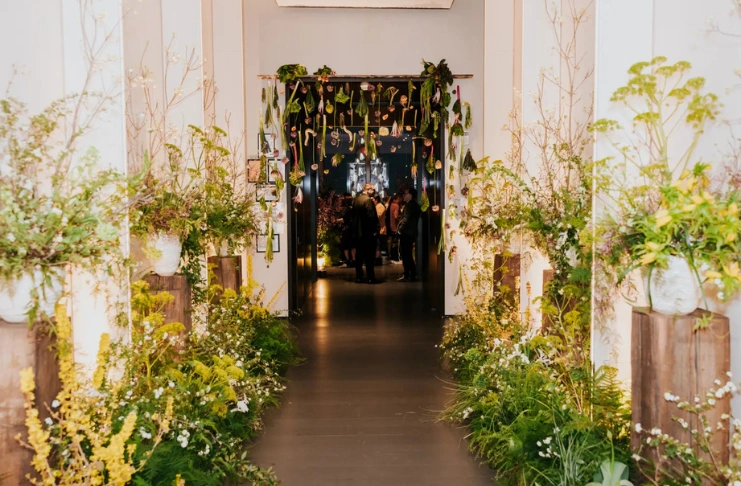
“One of the most dangerous things for creativity is routine,” René Redzepi once told the World’s 50 Best. “Being so confident and knowing exactly what to do does kill your creativity. So in an effort to keep pushing and keep moving, we decided, let’s just close [the restaurant]. The point is that we dare again to fail.”
That willingness to fail has been the core of Noma from the start. When Redzepi and his business partner Claus Meyer announced plans to open a high-end restaurant in Copenhagen based entirely on Nordic ingredients, friends called it the “blubber restaurant.” After all, the gastronomic world at that time revolved around French technique and Mediterranean ingredients. Nordic cuisine didn’t exist as a category, let alone as something worth building a restaurant around.
Redzepi made it work anyway. He and Meyer drafted the entire Nordic Kitchen Manifesto in 2004, rooted in seasonality, locality, and sustainability.
Noma became the laboratory where those ideas took shape, following Denmark’s three distinct seasons: Ocean Season, when nothing grows on land, Vegetable Season, when ingredients are abundant, and Forest Season, when mushrooms appear.
Even with the space itself, Redzepi stripped away all the pretense fine dining had always leaned on, be it white tablecloths or bow ties. He put chefs in the dining room to serve their own dishes because if a cook looked a guest in the eye, they’d understand the true purpose of what they’d created. The food was complex, but the experience felt deeply human.
By 2010, Noma claimed the top spot on the World’s 50 Best Restaurants list. It won again in 2011, 2012, and 2014. The accolades changed everything overnight, but Redzepi has always insisted the point was the work itself, the constant questioning, the refusal to settle.
The Nomadic Years
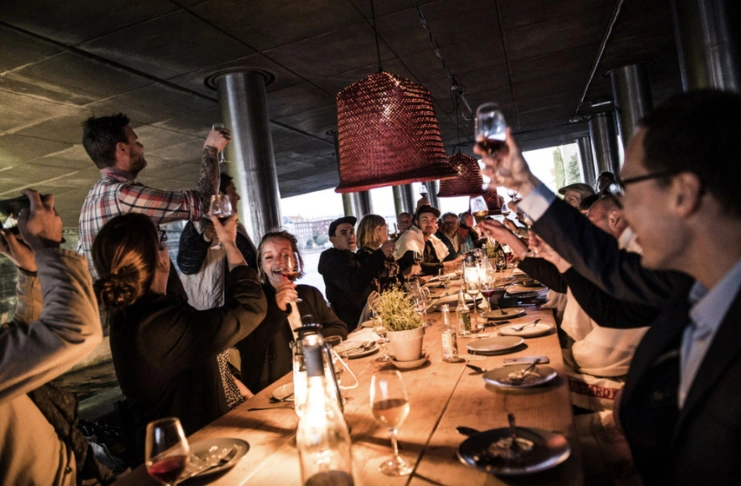
That “refusal to settle” might be one of the biggest drivers for Noma to become nomadic.
For the record, they started from a residency at Claridge’s in London in 2012, then began traveling the world – Tokyo in 2015, Sydney in 2016, Tulum, Mexico in 2017, and more. Each pop-up was a chance to learn, to fail, and to build something new from scratch.
The most recent Kyoto residency, which American Express members had exclusive access to through a partnership with Resy, let the team explore Japan’s fall ingredients in ways that felt almost dream-like.
“It feels like we’re going back home, except that this time, we get to explore the astonishing array of ingredients that fall in the region: wonders that grow in the forest, beautiful seafood, a variety of game,” Redzepi shared. “Japan is a country deeply rooted in connections and relationships, and what we’ve built in Kyoto over the last three years will greatly benefit us this time around.”
But, while Noma kept innovating, Redzepi started seeing the cracks.
The fine-dining industry demands grueling hours, emotional intensity, and physical endurance. Chefs are often underpaid. The financial margins are razor-thin. The model doesn’t allow for sustainable careers or healthy lives.
“Chefs of all levels work hard and are not paid very much,” he told AnOther. “Right now, somewhere in central London, somebody is sweating their ass off to make you brunch.”
It’s been true for decades, but Redzepi can’t reconcile it with the kind of organization he wants to build anymore. The norovirus outbreak in 2011, when 63 people got sick after eating at Noma, was a turning point. It forced him to step back and reassess what it meant to run a restaurant and feed people. That moment planted the seeds for Noma 3.0, a version that prioritizes people and innovation over the relentless grind of nightly service.
So, What is Noma 3.0?
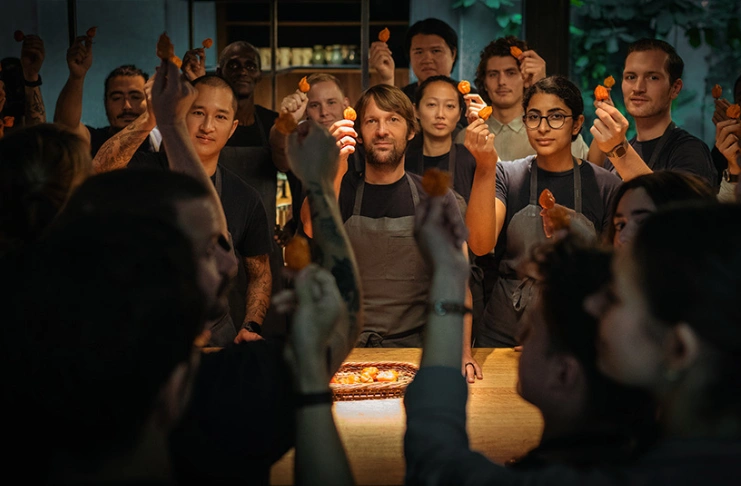
Going forward, Noma will no longer operate year-round. Instead, it will function sporadically, opening only when the team needs to test new ideas. Most of its work will shift toward food innovation, research, and collaboration.
“Our mission is to build Noma 3.0 to shift from being a restaurant organization to a place in which we use our team, our network, our 21 years of expertise on participating in food beyond serving guests every night,” Redzepi told Forbes. “Creating projects, products, and collaborations that push food forward for the better.”
One of those projects is called Future Staples of Food. Inspired by research Redzepi conducted for his Apple TV+ series Omnivore, the initiative explores alternative ingredients (seaweed, mushrooms, legumes, insects, etc.) that could replace crops under pressure from climate change.
“It’s definitely a superfood,” Redzepi told the LA Times, speaking about insects. “It’s unbelievable the amount of calories and nutrition you get. It’s mind-blowing. But to change habits and add more of these to our diet, we need to make them utterly delicious so people choose them. Deliciousness is the change factor.”
The fermentation lab, the test kitchens, the gardens, the research teams—all of it will continue.
Noma Projects, the small-batch product line that sells items like mushroom garum and yuzu corn hot sauce, will further expand. The organization may even open creative labs, artist residencies, workshops, etc., where food, craft, design, and culture can evolve together. The idea is to merge hospitality with learning and creation.
“I truly believe that it will give us so much more innovation and have us pushing more to create an organization where people can thrive,” Redzepi told Forbes. “And that’s the ultimate goal, to create a world-leading food institution where people are thriving and we are creating flavors and positive change within the food realm and food culture.”
This vision is definitely ambitious, but it’s untested. No one has ever successfully transitioned a restaurant of Noma’s stature into a research-driven innovation hub. But maybe that’s exactly why Redzepi wants to do it all the more.
The Team That Makes It Possible
Lena Hennessy joined Noma as its COO during an inflection point when the organization had already expanded into a product line, a series of publications, and a global non-profit called MAD. With Noma 3.0 vision, Hennessy had an excellent opportunity to help the restaurant realize its future ambitions.
“It’s an honour and privilege to be a part of Noma’s journey,” Hennessy shares. She credits her Irish upbringing for instilling a sense of openheartedness that has helped her build relationships across cultures and disciplines.
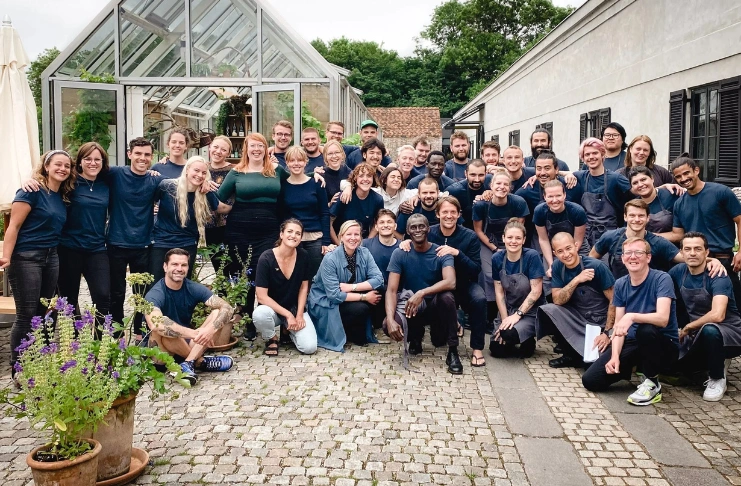
Under Hennessy’s leadership, Noma has expanded its team to over 100 people, a far cry from the 12 who started in 2003.
“Fine dining isn’t going away by any means,” Redzepi shared. “Right now we’re in a crisis, don’t get me wrong, people have less work, but it’s not going away. [I see the future] Where fine dining will have to figure out how to reinvent itself is how we work together, how we inspire each other, and how we plan for a better work life for everyone that’s involved in cooking.”
For Pablo Soto, Noma’s head chef since 2023, the future feels full of possibilities. Soto, who first joined Noma during its Tulum pop-up in 2017, has been responsible for executing the seasonal menus and managing a kitchen of 40 chefs from around the world.
“As we go into our next stage, or stages, I will still be able to lead the team in whatever setup we have going on,” Soto told Observer. “Whatever future we’re moving into, I know there will be space to be focused on leadership and helping each individual in the team grow into a future that can be long-lasting.”
Soto’s comment hints at what Noma 3.0 might actually look like in practice: a place where leadership development, creativity, and sustainability coexist. A place where the pressure to serve 67 diners every night gives way to deeper, more intentional work. A place where the team can breathe.
Never Settled
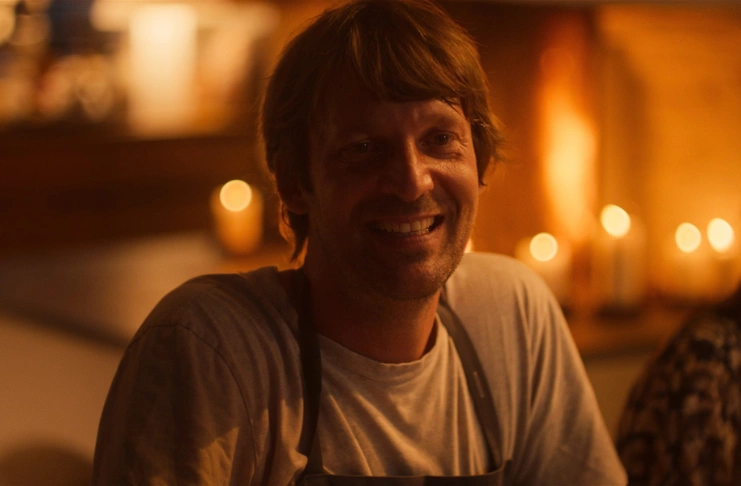
Twenty years is a long time. Long enough to build something extraordinary. Long enough to realize that even extraordinary things need to change. Redzepi isn’t walking away from Noma. He’s giving it permission to become something bigger than a restaurant. Something that can last beyond the grind of nightly service. Something that can make a real difference in how we grow, cook, and think about food.
“Noma always has cool things on the horizon, and there’s always another new challenge,” Soto shares. “We’re never settled. We’re constantly changing things to make us feel like there’s something cool to do tomorrow.”
That might be the best summary of what Noma has always been and what it will continue to be: a place that refuses to settle, dares to fail, and believes the work is never finished.