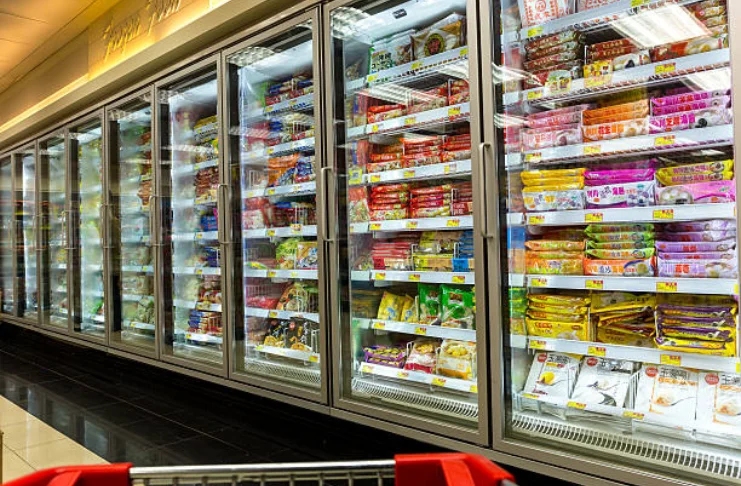

A disruption in cooking fuel supply is quietly reshaping how people eat, and not just in one market. Across regions impacted by energy constraints, consumers are rapidly turning toward convenience-led food solutions, triggering a sharp rise in demand for instant meals and frozen snacks.
In India, where the current LPG shortage has tightened access to everyday cooking fuel, sales of ready-to-cook and frozen food options have jumped by nearly 20% month-on-month, reflecting a swift behavioral shift inside households.
But this isn’t just a local story. It’s a glimpse into how fragile energy supply chains can ripple through global food systems, and how quickly consumer habits adapt when cooking itself becomes uncertain.
For many households, the issue isn’t food availability, it’s the ability to prepare it. LPG shortages, driven in part by geopolitical tensions and disrupted fuel routes, have made traditional cooking less reliable in several regions.
As a result, consumers are leaning into foods that demand less time, less energy, and in some cases, no cooking at all. Products like ready-made gravies, instant noodles, frozen snacks, and meal kits are becoming everyday staples rather than occasional conveniences.
This shift is especially visible in urban households, where time constraints already favored convenience, and the fuel crisis has simply accelerated an existing trend.
What’s striking is not just the growth, but the speed of it. A 20% surge in a category within weeks signals more than a temporary spike, it points to a behavioral reset.
Retailers and food companies are already responding by ramping up inventory, increasing visibility of convenience products, and pushing targeted promotions. The aim is simple: meet demand where it’s moving, not where it used to be.
Industry voices suggest this shift could have lasting effects. Much like the pandemic accelerated online food delivery and quick commerce, the current fuel crunch may permanently expand the consumer base for ready-to-cook and ready-to-eat formats.
The impact isn’t limited to households. Restaurants, cloud kitchens, and small food businesses are also adapting to fuel constraints by incorporating semi-prepared ingredients and frozen components into their operations.
For operators, this isn’t just about survival, it’s about efficiency. Pre-prepared ingredients reduce cooking time, lower energy usage, and allow kitchens to maintain output even when fuel availability is inconsistent.
In some cases, these operational adjustments may outlast the crisis itself, as businesses discover more cost-effective ways to run their kitchens.
Ironically, while demand for instant and frozen foods is rising, parts of the food production ecosystem are facing challenges of their own. Some manufacturing units reliant on LPG have been forced to scale down or pause operations due to the same fuel shortage.
This creates a complex dynamic: rising consumer demand on one end, and constrained production capacity on the other.
At the same time, the surge in alternative cooking methods—such as induction stoves and electric appliances—highlights how energy disruptions are pushing both households and businesses to diversify their dependence on fuel sources.