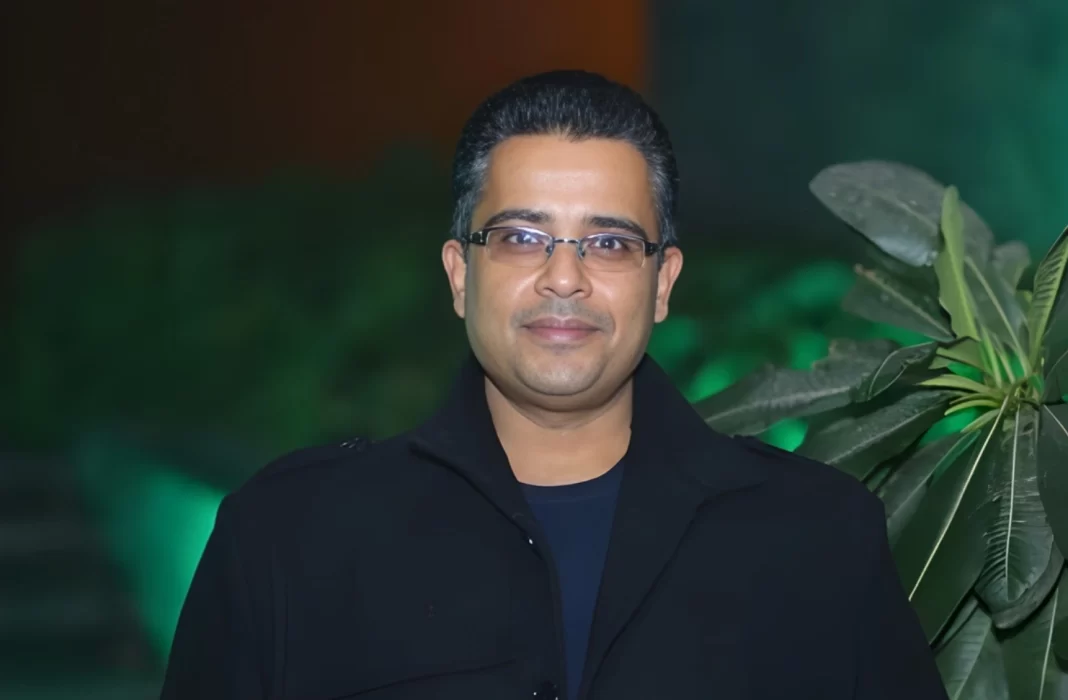

A lot of people know how to build a restaurant, but only a few understand the ecosystem behind one. Ankur Arora, of course, belongs to the latter.
An alumnus of IHM Chandigarh with over 24 years of experience in the F&B sector, Arora has worked with some of the most well-known brands like The Grand Hyatt, The Lalit Group, The Park Hotels, and Olive and Clay Food Concepts. He even co-ran Impromptu for 5+ years before moving further up the supply chain.
Today, as the founder of All and More Hospitality, a Gurgaon-based bespoke handcrafted frozen food (RTE/RTC) company, Arora is building a system that offers consistency, speed, and quality at scale. In doing so, he effectively plugs operational gaps for HORECA businesses by standardizing output, reducing kitchen complexity, and allowing brands to actually grow.
We, at The Restaurant Times, caught up with Ankur at a pivotal moment (when Impromptu had just opened its doors) and tried to layer in his thoughts on licensing, customer experience, and the shifting tastes of Indian diners.
Given how much the industry has transformed since, we felt it was worth revisiting. And so here you are!
The Birth of Impromptu & The Weight of His Words Today
If you ask about the inspiration behind naming the restaurant as such, Arora would say, “Since the idea of opening the restaurant was spontaneous, we kept the name ‘Impromptu’.” Yes, just that.
And now we wonder what must be his philosophy behind naming “All and More” and whether he faced the same issues he talked about back then – finding the right location, justifying the rentals, and the licensing?
In his words: “Restaurateurs need to procure more than 15 different licenses and NOCs to open an outlet. Half of them are actually irrelevant and not required, but there is no one to look into this matter.”
The root of the problem, in his view, was that “The government still has not declared the restaurant segment as an independent industry. Until that happens, obtaining a license will always be a challenge.”
As he said, years later, that grievance is as live as it was then. If anything, the conversation around it has only grown louder.
On What a Great Dining Experience Actually Means
One of the most striking things about Arora’s perspective [on almost anything] is how resolutely he resists overcomplication.
In an industry drunk on concepts, experiences, and “narratives,” his answer to what makes a dining experience work was to “Give your customers a great ambiance to sit and feel special, a smart attendant who can understand their needs, top quality food — and that’s it.“
It sounds obvious. And yet, most operators struggle with one or all three.
He Saw the Shift Coming
When we spoke, Arora was already sensing a readiness, finally, for experimentation in the Indian palate.
“We’ve come to a stage where our palate is ready for some kind of experimentation with both our existing cuisines and new world cuisines,” he said. The credit, he felt, went to changing lifestyles and the growing exposure Indians were getting to foreign food through travel.
On the format of dining itself, he was equally prescient. He saw the heavy-spender demographic getting younger (shifting from 35-year-olds to 25-year-olds) and, with that shift, a decisive move toward casual.
“People in their 20s want things very casual,” he said. “The new generation of young entrepreneurs is heavy spenders and frequent diners, and their preference for casual dining over fine dining seems to be shaping the trend.”
Fine dining is, indeed, still here and growing, but casual has unquestionably won the argument about where Indian restaurant culture is heading.
And then there was this, almost in passing: pop-up restaurants. “With plenty of options at customers’ disposal, it’s very tough to get the same customers visiting your eatery over and over again. But pop-up spaces keep customers attracted and guessing what you’re going to do next.”
This space was still nascent then. Today, it’s a full-grown industry. In fact, according to research, the global pop-up restaurant market size reached USD 4.8 billion in 2024. With an anticipated CAGR of 10.7% from 2025 to 2033, the market will hit a valuation of USD 12.2 billion by 2033.
On Restaurant Technology
Arora emphasized that “Social media, an online feedback tracker, and online restaurant database software are a must.”
The growth of a restaurant, he argued, depended heavily on the efficacy of its management system. “A restaurant needs to be more automated, process-driven, and rely less on manual procedures.”
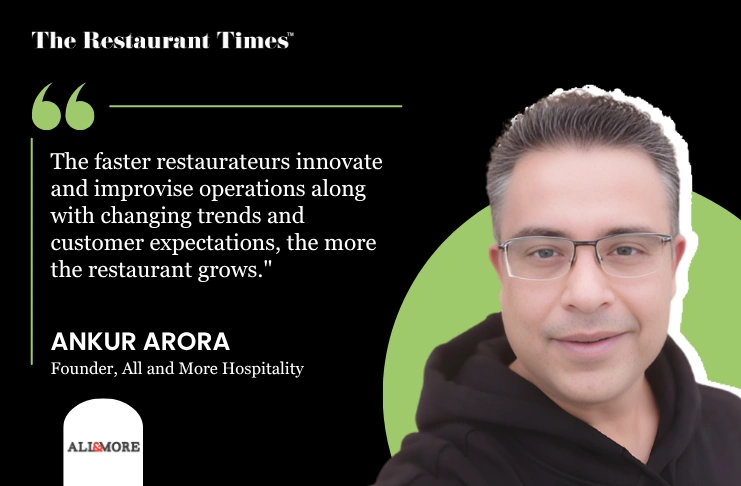
In the years since, that has gone from being good advice to being table stakes.
Be it through cloud kitchens, aggregator platforms, AI-assisted inventory, or real-time feedback loops, the infrastructure has caught up to exactly what he was describing.
Where He Is Now and Why It Makes Sense
The most interesting thing about revisiting this conversation is seeing the throughline. The man who spent years inside restaurants (navigating their licensing process, working on customer experience, & watching operational gaps up close) has now built a company specifically designed to address those issues from the outside.
All and More Hospitality is a response to everything Arora absorbed over 24 years of watching the HORECA industry operate at close range.
His goal is to offer “end-to-end solutions,” as he puts it – to sharing and shaping clients’ visions, and celebrating their success as partners.
It’s a quieter kind of ambition than opening a restaurant. Less visible, more systemic. But then, that’s perhaps what two-plus decades in an industry does to you. You stop wanting to fix one table at a time and start thinking about the whole room.