
Picture this: It’s 8 PM in Dubai, and a working professional just finished a 12-hour workday. Exhausted and hungry, the last thing on their mind is cooking. Like millions of other UAE residents, they reach for their phone and open their favorite food delivery app. With just a few taps, dinner is on its way.
This scenario plays out thousands of times daily across the Emirates. But here’s the catch: while customers have dozens of restaurants to choose from, only a handful will capture their attention and earn their orders.
How can you make sure it’s yours? Here is everything you need to know to improve food delivery sales in UAE.
How Is the UAE’s Digital Food Delivery Market Evolving?
The UAE has become a goldmine for food delivery businesses. With 99% internet penetration and blazing-fast mobile speeds of 546.14 Mbps, the infrastructure is perfect for seamless food ordering experiences. But infrastructure alone doesn’t guarantee success.
What makes the difference between restaurants that struggle and those that thrive in this competitive market? The answer lies in understanding that food delivery has evolved beyond simply delivering food. Modern customers expect experiences, convenience, and value that keep them coming back.
INDUSTRY INSIGHT
| The UAE online food delivery market reached USD 720.7 million in 2024 and is projected to hit approximately USD 1.8 billion by 2033, growing at a CAGR of 10.2%. This growth is fueled by the broader e-services market, which is forecasted to reach USD 274 million by 2025, nearly quadrupling since 2020. With 10.73 million active social media users driving discovery and engagement, the opportunity for food businesses is unprecedented. |
Who Exactly is Your Customer?
Before diving into strategies, let’s understand who you’re serving. Today’s UAE food delivery customer values time, quality, and digital convenience above all else. They expect more than food; they want an experience that fits seamlessly into their busy lives.
These customers are already on social media platforms, sharing their food experiences and influencing their friends’ choices. They’re comparing options on price, speed, quality, and overall convenience. Understanding this mindset is crucial for any restaurant looking to improve food delivery sales in UAE.
Keep in mind that your potential customers are making decisions based on reviews, photos, delivery time estimates, and past experiences. They’re loyal to brands that consistently deliver on their promises, but they’re also willing to try something new if it offers better value or convenience.
What Are the Basics of Food Delivery Success?
Success in food delivery starts with getting the basics right. Your food delivery business needs solid fundamentals before anything. This means having reliable delivery logistics, consistent food quality, and efficient order processing systems.
Begin by conducting thorough market research to understand your local competition and the preferences of your target customers.
What works in Dubai Marina might not work in Sharjah or Al Ain. Each geographical location has its own dining preferences, peak ordering times, and price sensitivity.
Plus, your menu needs to travel well. Not all restaurant dishes translate successfully to delivery. Some items lose their appeal during transport, while others actually improve.
Create a food delivery menu that’s specifically designed for the journey from kitchen to customer, rather than simply adapting your dine-in offerings.
How Do Restaurants Win on Delivery Platforms?
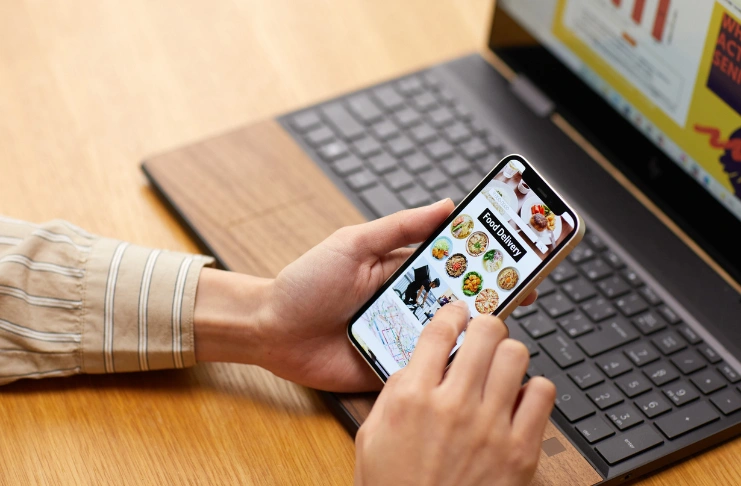
Most restaurants focus on just one or two delivery apps, but successful food businesses recognize the value of an omnichannel presence. Each delivery platform has its own customer base, algorithms, and promotional opportunities. Diversifying across multiple delivery platforms reduces risk and maximizes exposure.
However, being on every platform requires strategic thinking. Each food delivery platform has its own customer base, algorithms, and promotional opportunities.
Talabat customers, for example, might prioritize speed, while Deliveroo users might be willing to pay more for premium options. Understanding these nuances and tailoring your approach accordingly can significantly boost your delivery sales.
Don’t forget about your own channels. While third-party delivery apps provide reach, they also take commissions. Building your own food app or optimizing online orders through your website can create direct customer relationships and lead to better profit margins.
How Does Technology Improve Delivery Performance?
Modern customers expect user-friendly interfaces, real-time tracking, and seamless payment experiences. If your ordering process involves friction, customers will abandon their carts and choose competitors.
That’s why your tech stack needs to be reliable. Core features, such as accurate delivery tracking, multiple payment options including digital wallets, and push notifications, keep customers informed and engaged throughout their ordering journey.
Consider implementing AI features like suggesting meals based on previous orders or dietary preferences. These advanced features create personalized experiences that increase order values and customer loyalty.
The development process might seem daunting, but the long-term benefits justify the investment.
What Marketing Strategies Drive Food Delivery Sales in the UAE?
Effective marketing strategies in the UAE food delivery market involve a mix of digital and traditional advertising.
Your social media marketing strategies must be authentic and engaging. Share behind-the-scenes content, showcase your ingredients, and tell the story behind your dishes.
Leverage the UAE’s diverse population by creating content that resonates with different communities. Arabic, English, Hindi, and Filipino content can help you reach various customer segments.
Remember, 112% social media penetration means many people have multiple accounts, giving you numerous touchpoints to connect with the same customers.
Loyalty programs are exceptionally effective in competitive markets. Customers who feel valued are more likely to choose your restaurant repeatedly. Design programs that reward frequency. A customer who orders twice a week is more valuable than one who places one large order monthly.
How Should Restaurants Price for Delivery Growth?
Delivery fees can make or break a customer’s decision. While you need to cover costs, excessive fees drive customers to competitors. Consider absorbing some delivery costs into menu pricing rather than adding them as separate charges.
Customers often prefer higher menu prices with free delivery over lower prices with added fees.
Implement dynamic pricing strategies during peak and off-peak hours. Encourage customers to place orders during slower periods by offering exclusive deals and discounts. This smooths demand curves and improves operational efficiency while maintaining revenue.
Bundle offers work particularly well for family orders and office deliveries. Create meal deals that provide genuine value while increasing your average order size. The key is making customers feel like they’re getting more than they’re paying for.
What Does Strong Delivery Execution Look Like?

Quick delivery wins customers, but consistent delivery builds loyalty. Set realistic delivery time expectations and strive to exceed them whenever possible. Better to promise 45 minutes and deliver in 35 than promise 30 and deliver in 40.
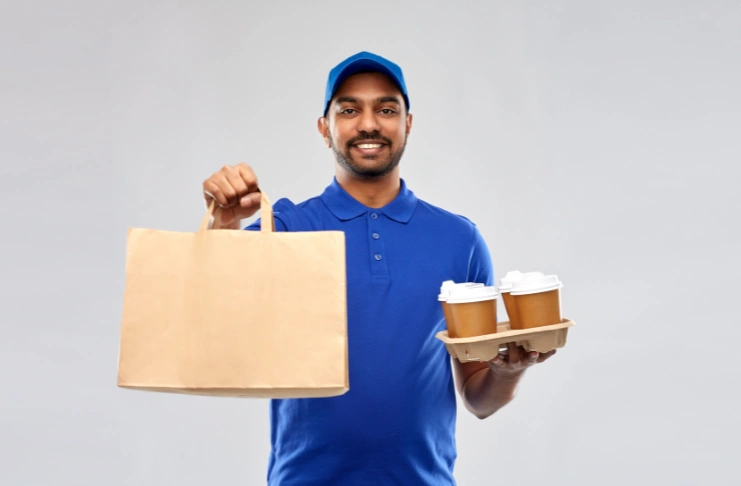
Train your delivery personnel to represent your brand professionally and consistently. They’re often the only human touchpoint customers have with your business. A friendly, professional delivery experience can turn one-time customers into loyal advocates.
Implement quality control systems that prevent human errors before orders leave your kitchen. Wrong orders, missing items, and cold food destroy customer relationships faster than any marketing can rebuild them. Invest in systems and training that ensure consistent execution.
How Can Data Improve Food Delivery Decisions?
Every order generates valuable insights about customer behavior, popular items, and operational patterns. Use this data to optimize your menu, adjust pricing, and predict demand patterns. Restaurants that adopt data-driven decision-making consistently outperform those relying solely on intuition.
Track key metrics like customer acquisition cost, lifetime value, order frequency, and average order size. These metrics help you understand which marketing strategies deliver the best return on investment and where to focus your efforts.
Customer feedback through reviews and direct communication provides qualitative insights that complement your quantitative data. Respond to reviews professionally and use criticism constructively to improve your offerings.
Why Is Mobile-First Delivery Non-Negotiable?
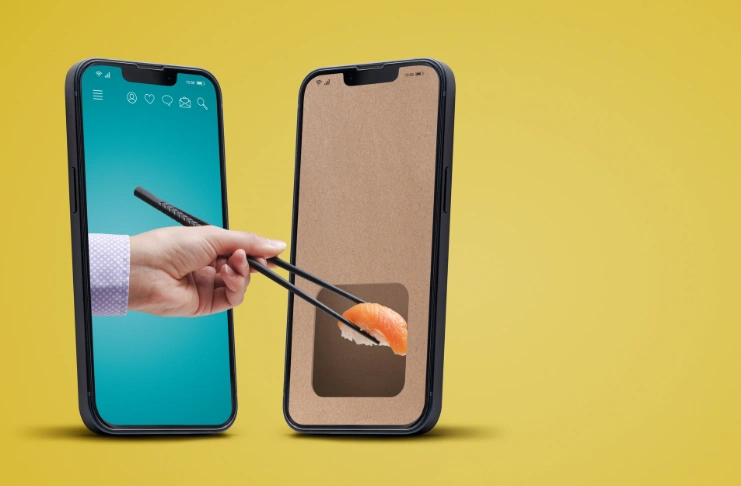
With mobile apps driving the majority of food delivery orders, your mobile experience needs to be flawless. Customers won’t tolerate slow-loading pages, confusing navigation, or payment failures. Invest in mobile optimization or consider developing your own delivery app if volume justifies the investment.
Push notifications can drive repeat orders when used strategically. Send timely reminders about abandoned carts, special offers during slow periods, and updates about new menu items. However, avoid overwhelming customers with too many notifications.
Ensure your ordering process works seamlessly across different devices and operating systems. Test regularly on various phones and tablets to identify and fix potential issues before they impact sales.
How Do Partnerships Boost Delivery Sales?
Partner restaurants can expand your reach without increasing competition. Collaborate with complementary businesses like dessert shops or beverage specialists to create combo offerings. Cross-promote each other’s businesses to expand both customer bases.
Collaborate with local influencers and food bloggers who share your brand values. Authentic endorsements from trusted local voices carry more weight than traditional advertising. Focus on micro-influencers with engaged local followings rather than celebrities with massive but disconnected audiences.
Consider partnerships with corporate offices, universities, and residential complexes for regular bulk orders. These partnerships provide predictable revenue streams and reduce customer acquisition costs.
How Can Restaurants Stand Out in a Crowded Market?

Standing out in the UAE’s food delivery market requires a clear, unique selling proposition. Whether it’s authenticity, health consciousness, speed, or value, you need something that differentiates your brand from the countless competitors.
Monitor competitor pricing, promotions, and customer feedback to identify opportunities and threats. However, don’t simply copy successful competitors; instead, understand why their strategies are effective and adapt them to your unique circumstances.
Stay ahead of trends by watching international food delivery markets and early adopters in your local market. What’s working in London or New York today might be perfect for UAE customers in six months.
How Should Delivery Costs and Profits Be Managed?
Development costs for food delivery capabilities can be high, but they’re investments in long-term growth. Whether you’re building a food delivery app or optimizing existing platforms, focus on features that directly impact customer experience and operational efficiency.
Ongoing maintenance and post-launch support are ongoing expenses that many restaurants underestimate. Budget for continuous improvements, bug fixes, and feature updates. Technology isn’t a one-time investment; it requires continuous attention.
Balance growth investments with profitability. While acquiring new customers is important, retaining existing ones is more cost-effective. Allocate resources appropriately between customer acquisition and retention strategies.
Why Is Quality Control Critical for Delivery?

Consistent quality builds customer trust and encourages repeat orders. Implement systems that ensure every order meets your standards before leaving your kitchen. This includes food temperature, presentation, completeness, and packaging integrity.
Train your kitchen staff to think about the delivery experience, not just the cooking process. Food that looks perfect in your kitchen might arrive soggy or cold if not packaged properly. Invest in packaging that maintains food quality during transport.
Create feedback loops between delivery experiences and kitchen operations. When customers complain about quality issues, trace the problem back to its source and implement preventive measures.
How Does Customer Service Drive Repeat Orders?
Exceptional customer service turns problems into opportunities. When orders go wrong, how you handle the situation determines whether customers give you another chance or switch to competitors permanently.
Ensure swift communication with customers across all touchpoints. Whether customers contact you through the delivery platform, social media, or directly, fast response times demonstrate professionalism and care.
Encourage your customer service team to resolve issues without extensive approvals. Customers want immediate solutions, not bureaucratic delays. Train staff to make decisions that prioritize customer satisfaction within reasonable limits.
How Can Restaurants Future-Proof Delivery Operations?
The food delivery industry continues evolving rapidly. Cloud storage, AI recommendations, and advanced analytics are becoming standard expectations rather than competitive advantages. Plan for these technological shifts rather than reacting to them.
Consider how changing customer expectations might affect your business model. As sustainability becomes more important, how will eco-friendly packaging impact your costs and appeal? As health consciousness grows, how will this affect menu preferences?
Build flexibility into your operations and technology infrastructure. Restaurants that remain agile to evolving customer expectations and market trends will be the ones positioned for long-term growth.
What Does Sustainable Delivery Growth Require?
Focus on building sustainable competitive advantages rather than relying on temporary promotions or price wars. Sustainable advantages include brand reputation, operational efficiency, customer relationships, and unique product offerings.
Invest in employee training and retention. Experienced staff provide better customer experiences and reduce recruitment and training costs. High turnover disrupts operations and impacts food quality consistency.
Consider environmental sustainability as both a cost factor and a marketing opportunity. Customers increasingly prefer businesses that demonstrate environmental responsibility. Sustainable practices can differentiate your brand while reducing long-term costs.
How Should Delivery Success Be Measured?

Define clear success metrics beyond just revenue growth. Customer satisfaction scores, order frequency, average order values, and customer lifetime value provide deeper insights into business health.
Regularly review and adjust your strategies in response to performance data and market changes. What worked last quarter might not work next quarter as competition intensifies and customer preferences evolve.
Stay connected with your customers through surveys, social media engagement, and direct feedback. Your customers are your best source of information about what’s working and what needs improvement.
Conclusion
Success in the UAE’s food delivery market requires consistently executing multiple strategies effectively while remaining flexible enough to adapt to changing conditions.
Start with the fundamentals: reliable food quality, efficient operations, and excellent customer service. Build on this foundation with strategic technology investments, effective marketing, and data-driven decision making.
Remember that building a successful food delivery business requires patience and persistence. Focus on creating value for customers, and financial success will follow. The UAE market offers tremendous opportunities for local restaurants willing to invest in the right strategies and execute them consistently.
Frequently Asked Questions
1. How to increase sales on Talabat?
Optimize your menu photos, maintain high ratings through quality service, and use Talabat’s promotional tools. Respond quickly to orders and offer exclusive deals during off-peak hours to boost visibility.
2. How can I promote my food delivery service?
Utilize social media platforms to share authentic content, implement loyalty programs, and collaborate with local influencers. Focus on customer reviews and word-of-mouth marketing through exceptional service quality.
3. How big is the food delivery market in UAE?
The UAE food delivery market stood at USD 720.7 million in 2024 and is on track to hit USD 1.8 billion by 2033, implying a 10.2% compound annual growth rate.
4. How to maximize food delivery?
Optimize across multiple delivery platforms, implement data-driven pricing strategies, and prioritize customer retention through exceptional quality and service. Use technology for real-time tracking and personalized recommendations.