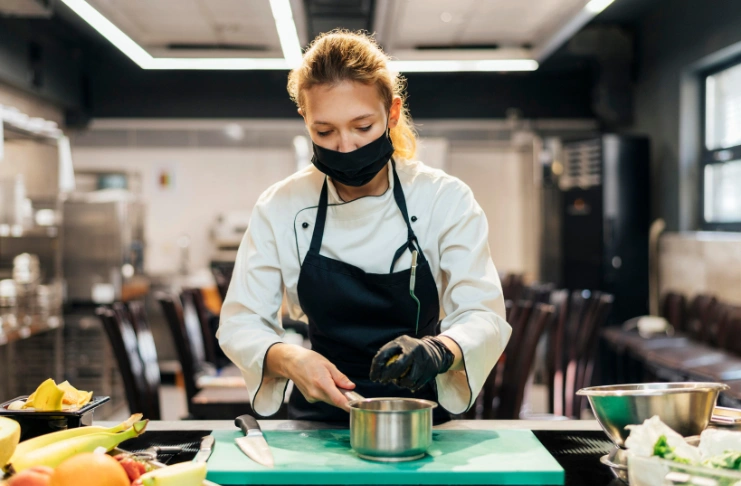

In the restaurant industry, reducing order preparation time is a crucial factor for achieving long-term success. Guests expect more than just quality food; they anticipate quick service, fresh ingredients, and a smooth dining experience from the moment they are seated. Efficient preparation ensures that customers receive their meals promptly, thereby enhancing satisfaction and encouraging repeat visits.
Optimizing restaurant order preparation time is essential for both operational efficiency and customer satisfaction. By implementing strategies such as advanced prep, structured staff training, workflow optimization, and proper equipment management, restaurants can minimize wait times while maintaining food quality. Reduced preparation time leads to happier guests, increased table turnover, higher sales, and stronger brand loyalty. As the restaurant industry continues to evolve, providing efficient service becomes a competitive advantage. Investing in the right processes, training, and management practices ensures that every meal is served promptly, guests leave satisfied, and the business thrives in the long term.
This guide explores best practices, tools, and workflow optimizations that help streamline service, reduce wait times, and consistently deliver outstanding meals. Restaurant owners, managers, and chefs will find actionable insights to improve kitchen efficiency and enhance the overall dining experience.
Understanding Restaurant Order Preparation Time
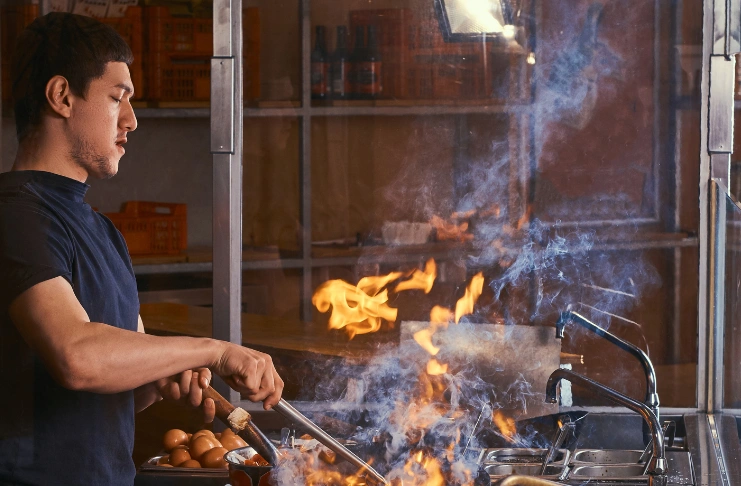
Restaurant order preparation time refers to the period between when a customer places an order and when the food is ready to be served. It affects every dining experience and can make or break a business day, especially during peak hours.
INDUSTRY INSIGHTS
| Approximately 95% of consumers say that speed is a critical factor in their dining experience. Additionally, each extra 5 minutes of unexpected wait can lead to an 8–15% drop in customer satisfaction. Businesses that optimize wait times could see up to a 24% higher customer loyalty rate. |
Managing preparation time requires a combination of strong kitchen organization, skilled staff, and an efficient service model. Restaurants that excel in this area often create detailed preparation schedules, streamline their kitchen layouts, and invest in staff training to handle high-volume orders efficiently and accurately. Fine dining restaurants naturally take longer to prepare dishes, as every plate involves intricate plating, high-quality ingredients, and personalized touches. On the other hand, casual or fast-dining establishments are designed for speed, relying on simplified menus, pre-prepared ingredients, and quick assembly stations to meet customer expectations. Regardless of format, both benefit from strategic improvements, such as optimizing workflow, implementing batch preparation, and leveraging technology to shorten wait times without compromising food quality or guest satisfaction.
The Impact of Wait Time on Customer Satisfaction

Wait time is one of the first factors customers notice when evaluating a restaurant experience. A Retail-Insider report (2025) noted that 75% of consumers find long waiting times a major frustration in customer service, but this was in a broader retail/customer-service context, not limited to restaurants. This finding underlines how even minor delays can damage repeat business and overall sales. In busy restaurants, reducing wait time is critical for building loyalty and maintaining a competitive edge.
Managers must focus on both operational efficiency and customer service, ensuring diners feel valued even if they have to wait. Strategies such as offering complimentary drinks, maintaining consistent communication, and keeping guests informed about expected wait times can help ease frustration. However, the ultimate goal remains delivering meals promptly, as quick, seamless service is one of the strongest drivers of positive reviews and word-of-mouth recommendations.
Efficient Service Starts With Menu Design

Menu design plays a crucial role in determining how quickly dishes can be prepared. A carefully curated menu not only highlights a restaurant’s best offerings but also improves kitchen efficiency. Simplifying menus, grouping similar ingredients, and designing dishes that share prep steps can save time and reduce stress during peak hours.
Many successful restaurants analyze weekly sales data to identify underperforming items and eliminate bottlenecks. Offering pre-prepared sauces, marinated meats, and partially cooked elements—while still maintaining freshness—can shave valuable minutes off service times. A leaner, well-structured menu also helps servers guide guests toward quicker-to-prepare items, boosting table turnover without sacrificing creativity or flavor.
Fine Dining Restaurants and Service Expectations

Fine dining restaurants operate under a unique set of expectations where guests anticipate a slower, more curated experience. However, this doesn’t mean delays are acceptable. Even in a leisurely dining environment, efficiency and precision are critical. Servers must anticipate guest needs, synchronize with the kitchen, and ensure dishes arrive fresh and beautifully presented. Upscale restaurants often use advanced reservation systems, pre-service tastings, and highly trained staff to ensure seamless service.
Every detail—from bread service timing to wine pairings—affects a guest’s perception of value. When preparation feels seamless and every interaction is polished, guests are more likely to view the longer dining experience as intentional rather than inefficient.
Managing Peak Hours for Success
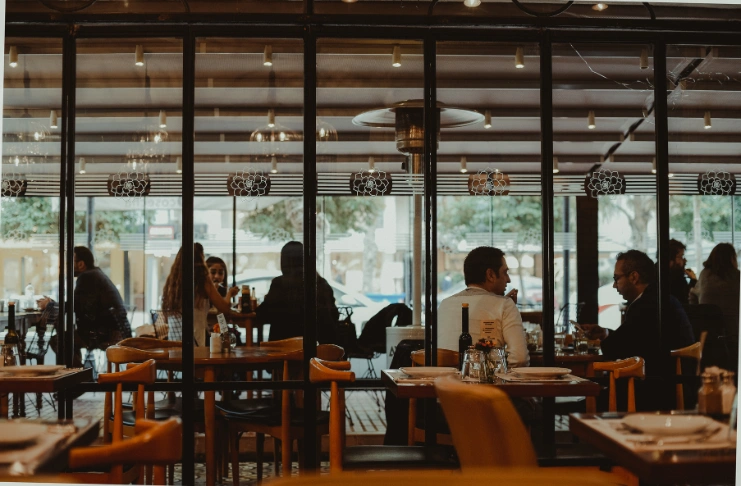
Peak dining hours are often the ultimate test of a restaurant’s efficiency and teamwork. During lunch rushes, weekend evenings, or holiday crowds, every second counts. Pre-shift meetings, also known as “lineups,” prepare staff by clarifying roles, reviewing menu specials, and anticipating high-demand dishes. Assigning an expediter (expo) to manage ticket flow and communication between the kitchen and servers is key to maintaining order.
Some restaurants take it a step further by staggering reservations, preparing mise en place in advance, and implementing clear communication channels to ensure smooth operations even during intense service periods.
Role of Servers in Reducing Preparation Time

Servers are the front line of restaurant efficiency and play a crucial role in managing preparation time. A well-trained server greets guests promptly, suggests dishes based on prep times, and quickly relays orders to the kitchen. Guests generally expect to be acknowledged within five minutes of being seated, and this initial interaction sets the tone for the entire meal. Servers also act as a communication bridge, relaying special dietary needs or modifications to chefs clearly to avoid delays.
Regular training on menu knowledge, upselling techniques, and guest engagement ensures servers remain proactive, anticipating needs and reducing friction throughout the dining process. A positive and attentive server can make wait times feel shorter, thereby improving overall guest satisfaction and loyalty.
Using Technology for Faster Service

Technology is transforming restaurant service models, making it easier to deliver fast, accurate, and consistent dining experiences. Point-of-sale (POS) systems, kitchen display systems (KDS), and handheld ordering devices help streamline ticket flow and reduce errors, thereby decreasing overall preparation and wait times. Automation tools, such as inventory management software, ensure ingredients are always available and prep stations are well-stocked. According to a 2023–2030 forecast from Grand View Research, the global restaurant point-of-sale (POS) terminal market—which encompasses hardware such as fixed and mobile POS terminals—is projected to reach approximately USD 38.16 billion by 2030, starting from an estimated USD 22.26 billion in 2023. Restaurants that adopt these technologies often experience improved staff communication, faster table turnover, and enhanced customer experiences, enabling them to stay competitive in a fast-paced market.
Training and Staff Management
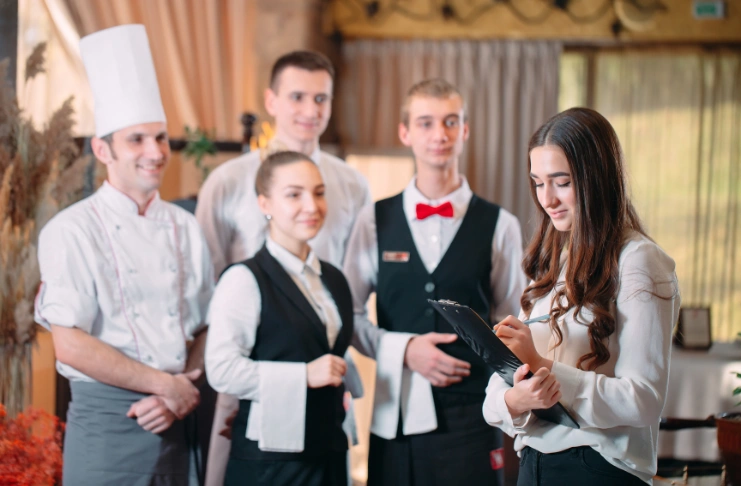
Training and staff management form the foundation of any well-run restaurant. Investing in staff training ensures that servers, chefs, and kitchen staff can manage a busy night with confidence, speed, and accuracy. A well-trained team is equipped to handle unexpected surges in customer orders while maintaining service quality. Managers should develop structured training programs that emphasize time management, communication skills, and teamwork to create a collaborative work environment. Cross-training staff to perform multiple roles helps ensure seamless operations during peak hours, providing restaurants with the flexibility to meet demand.
Regular performance reviews and workflow assessments help identify areas for improvement, ensuring each staff member is prepared for every shift. Training should go beyond operational tasks, focusing on proper etiquette, guest engagement, and active listening to elevate customer experiences. Managers can also implement mentorship programs to help new employees learn quickly from experienced staff. Encouraging a positive workplace culture, recognizing employee achievements, and offering opportunities for growth all contribute to better service quality and faster preparation times.
Providing refresher sessions, implementing checklists, and introducing role-specific certifications can keep skills sharp and boost efficiency. A strong team trained to manage preparation time effectively will not only meet guest expectations but also improve table turnover and revenue. Restaurant owners who invest in their staff’s success set themselves apart in a competitive market.
Prepping in Advance to Reduce Wait Time
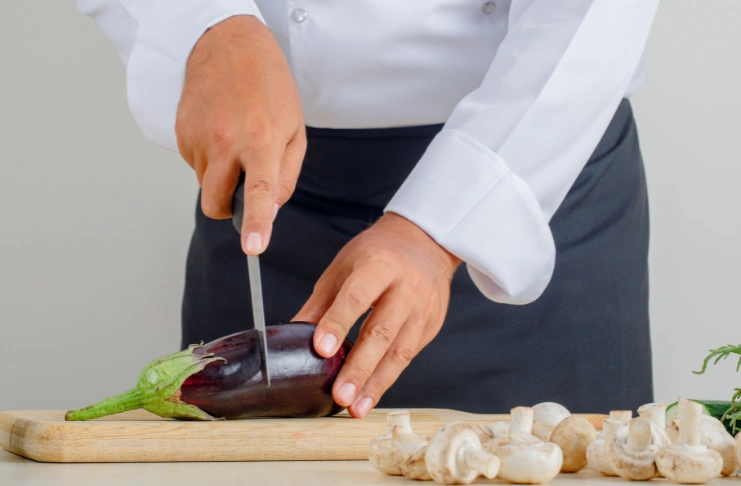
Advance preparation is a game-changer for reducing wait times, allowing kitchens to operate with precision during busy service hours. Restaurants that adopt a strong prep strategy often see smoother service and improved consistency. Ingredients can be portioned, sauces prepared, and vegetables chopped before doors open, ensuring cooks focus on plating and cooking rather than prep tasks during service.
The mise en place approach, widely used by top chefs, organizes every workstation with all tools and ingredients in place before a shift begins. This method reduces chaos and minimizes delays, especially when serving large groups or handling peak dining rushes. Investing in prep staff during off-hours, using batch preparation techniques, and maintaining accurate inventory records ensures there are no surprises mid-shift. Pre-preparation also helps manage costs, reduce food waste, and maintain quality standards for every meal.
Customer Experience and Business Growth

Ultimately, reducing preparation time enhances every aspect of the dining experience. Guests expect attentive service, freshly prepared meals, and a seamless flow from ordering to payment. Restaurants that deliver consistently fast and pleasant service encourage guests to stay longer, order more, and return frequently.
Positive dining experiences lead to word-of-mouth recommendations and strong online reviews, both of which drive long-term growth. Families, friends, and groups often choose venues where service is efficient, creating a ripple effect of customer loyalty. For managers, focusing on preparation speed is not just an operational goal but a powerful sales strategy that can transform a busy night into a highly profitable one.
Conclusion
For restaurants of every size and style, managing preparation time is one of the most critical factors for long-term success. Whether you’re operating an upscale fine dining establishment, a bustling family restaurant, or a fast-casual outlet, the ability to streamline kitchen operations and deliver meals promptly directly impacts profitability, customer satisfaction, and brand reputation. Today’s guests value not only the quality of their food but also the overall dining experience, where efficiency, attentiveness, and seamless service play a pivotal role in shaping loyalty.
By continuously reviewing workflows, investing in modern technology, and building a well-trained, motivated team, restaurateurs can achieve the perfect balance between speed and quality. Data-driven decisions—such as refining menus, forecasting demand, and optimizing staffing schedules—ensure consistency even during peak hours. Additionally, embracing automation tools like POS systems, KDS platforms, and digital reservation management helps create a seamless guest journey from the moment they enter to the moment they leave.
Ultimately, reducing wait time is about more than serving meals quickly; it’s about delivering a polished, thoughtful, and memorable dining experience that makes guests feel valued and appreciated. Restaurants that prioritize operational efficiency are not only rewarded with faster table turnover and higher sales, but also with glowing reviews, repeat visits, and strong word-of-mouth recommendations. In a competitive foodservice industry where diners have endless choices, consistently fast, high-quality service becomes a defining advantage that keeps customers coming back.
Frequently Asked Questions
1. How long does food preparation take in restaurants?
Food preparation time in restaurants typically ranges from 10 to 30 minutes, depending on the complexity of menu items. Fine dining restaurants may take longer due to multiple courses and intricate presentation. Quick-service and fast-casual restaurants focus on faster turnaround to meet customer expectations.
2. What is the 30/30/30/10 rule for restaurants?
The 30/30/30/10 rule allocates 30% of a restaurant’s budget to food costs, 30% to labor, 30% to overhead, and 10% for profit. This guideline helps maintain a balanced financial structure. Many successful restaurants use this rule as a benchmark for profitability and efficiency.
3. What if a restaurant is taking too much time to prepare an order on DoorDash?
If a restaurant takes too long to prepare an order on DoorDash, customers can track updates and contact support for assistance. Restaurants risk lower ratings and visibility if delays are frequent. Streamlining kitchen workflows and setting realistic prep times improves performance and satisfaction.
4. How long should a restaurant order take?
A typical restaurant order should take 15 to 20 minutes for casual dining and less than 10 minutes for fast service. Fine dining may take longer due to multiple courses and presentation. The goal is to strike a balance between quality and efficiency, thereby enhancing the dining experience.