



When it comes to North Indian food, Bihari cuisine doesn’t seem to attract as much attention as glamorous Mughlai or Punjabi cuisine. Despite the stereotype, Puja Sahu and her team decided to bring Bihari cuisine to the forefront, and thanks to its delicious menu, cozy ambiance, and great service, The Potbelly has now become one of the most-loved spots in Delhi-NCR.
Started in 2011, The Potbelly has been serving up authentic Bihari fare for 15 years now, and today runs five outlets, of which three are in Delhi, one in Gurgaon, and one in Patna. The Potbelly holds the distinction of being the first-ever fine-dining Bihari restaurant anywhere in India.
In an exclusive conversation with The Restaurant Times, Puja Sahu, co-founder of The Potbelly, talks about the secret behind her restaurant’s success and what it takes to achieve a loyal customer and employee base.
The Story Behind The Potbelly
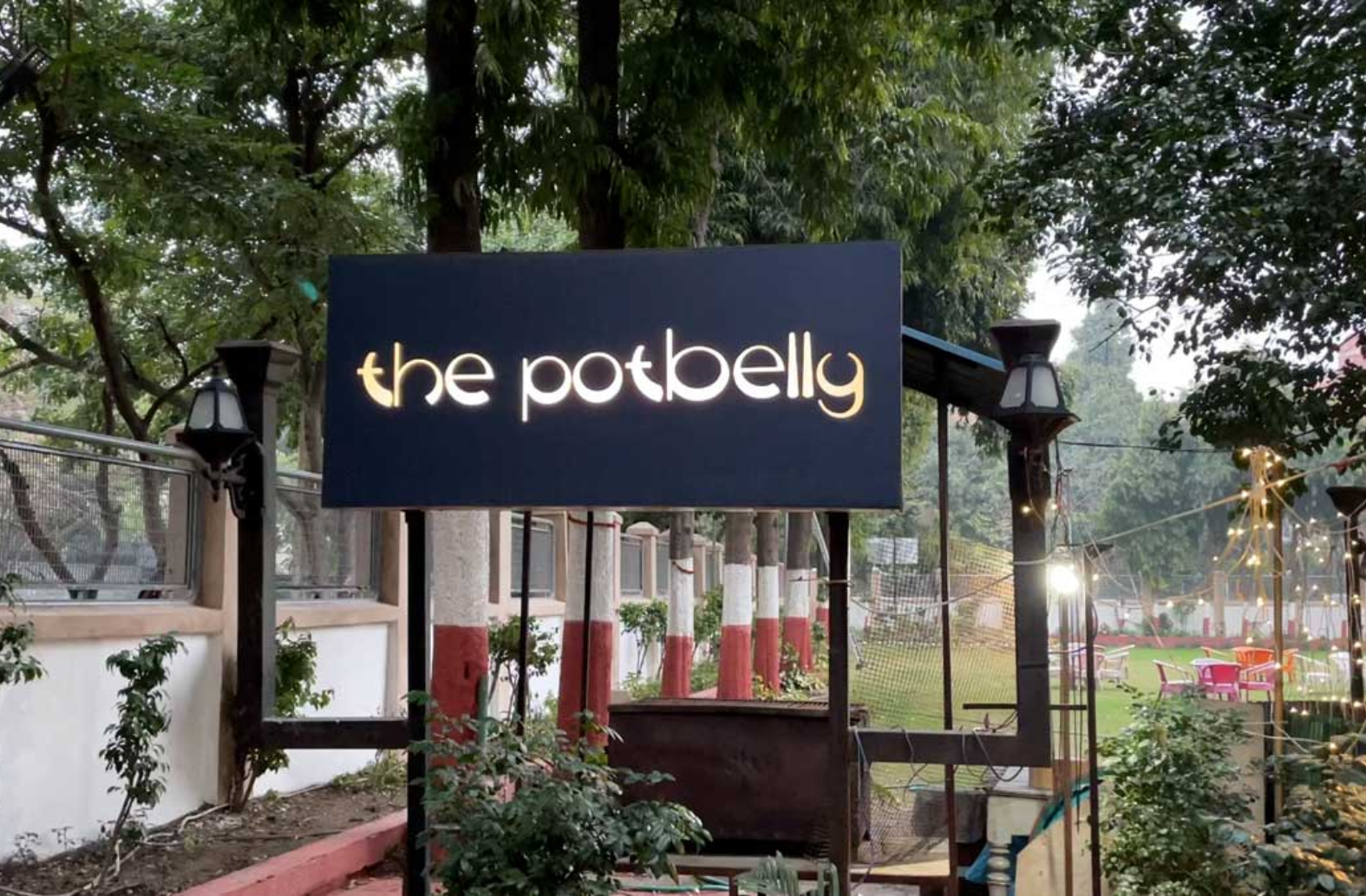
Before entering the restaurant industry, Puja had been pursuing a career in design. But despite being a designer for 12 years, she still felt there was a sea of untapped potential that wasn’t being utilized well. This was when she got the idea of starting her own restaurant venture. However, she was not initially keen on opening a restaurant that catered to Bihari cuisine.
It was Puja’s co-founder who suggested the idea. The stereotypical views associated with Bihari food created a state of confusion for Puja. Her initial concern about serving Bihari cuisine was that people would perceive it as ‘unglamorous’ or ‘not very special.’
Puja confesses that many of her team members thought that the idea of serving Bihari cuisine was outrageous. Apart from Bihar’s trademark dish, Litti Choka, there was no awareness about any of the other food items from the state. Still, after many brainstorming sessions, it was decided that they would serve Bihari cuisine. True to their promise, The Potbelly’s menu is not only diverse but extremely flavourful as well.
Initial Challenges Faced While Establishing The Restaurant
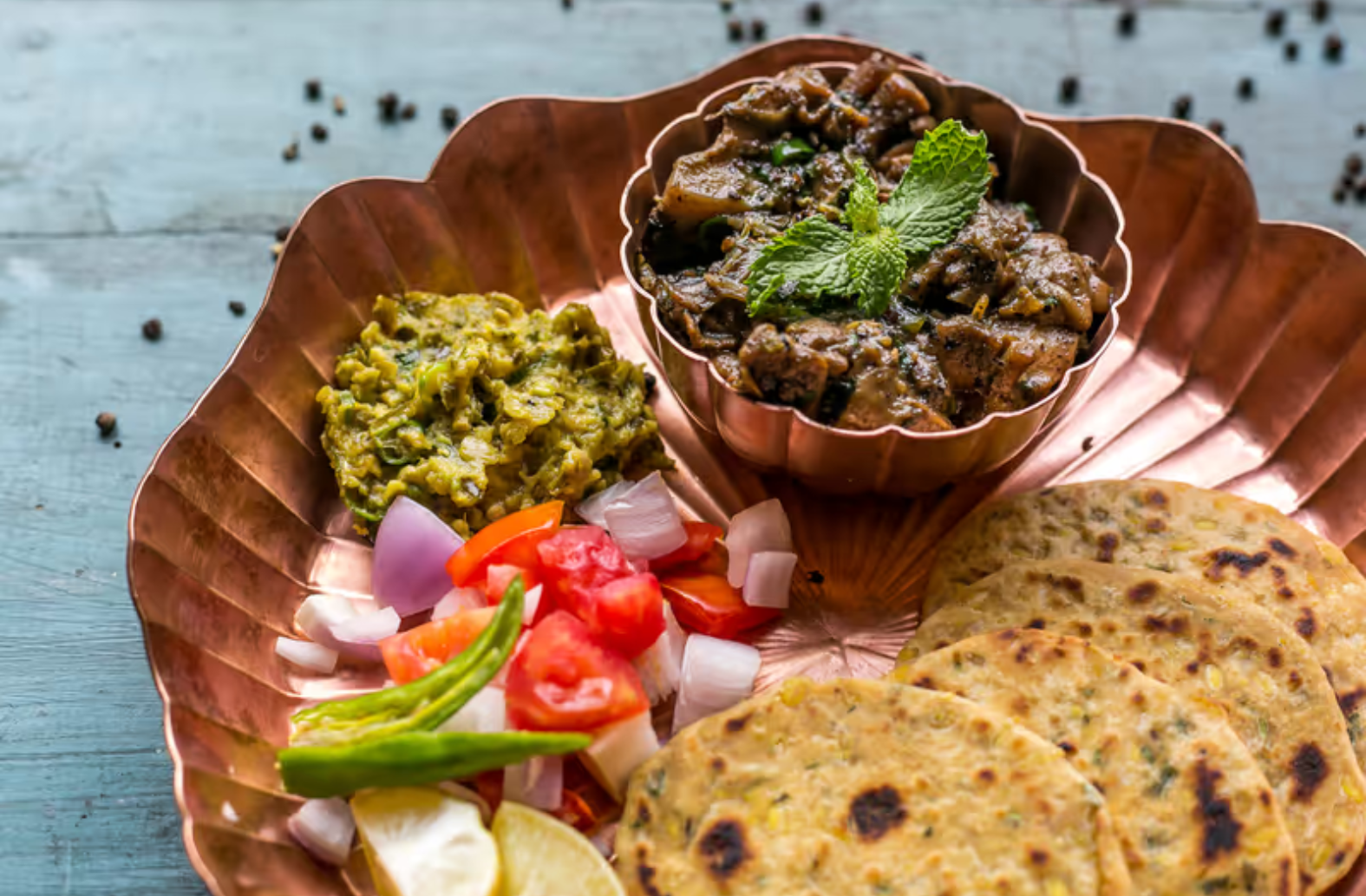
Puja had no prior knowledge of running a restaurant. She sought advice from experts and understood all the nitty-gritty of running a restaurant. Puja says that running a restaurant may appear fancy, but it is an industry where one cannot make many mistakes. If a customer has a bad experience, he/she will not likely return and spark negative word-of-mouth publicity.
Puja highlights that Potbelly started with limited funds. So, it had to be ensured that the restaurant looked attractive despite limited resources. Hiring staff was another challenge that Puja faced in the otherwise male-dominated restaurant industry that wasn’t very welcoming towards female restaurateurs.
How The Potbelly Manages To Keep Customers Coming Back?
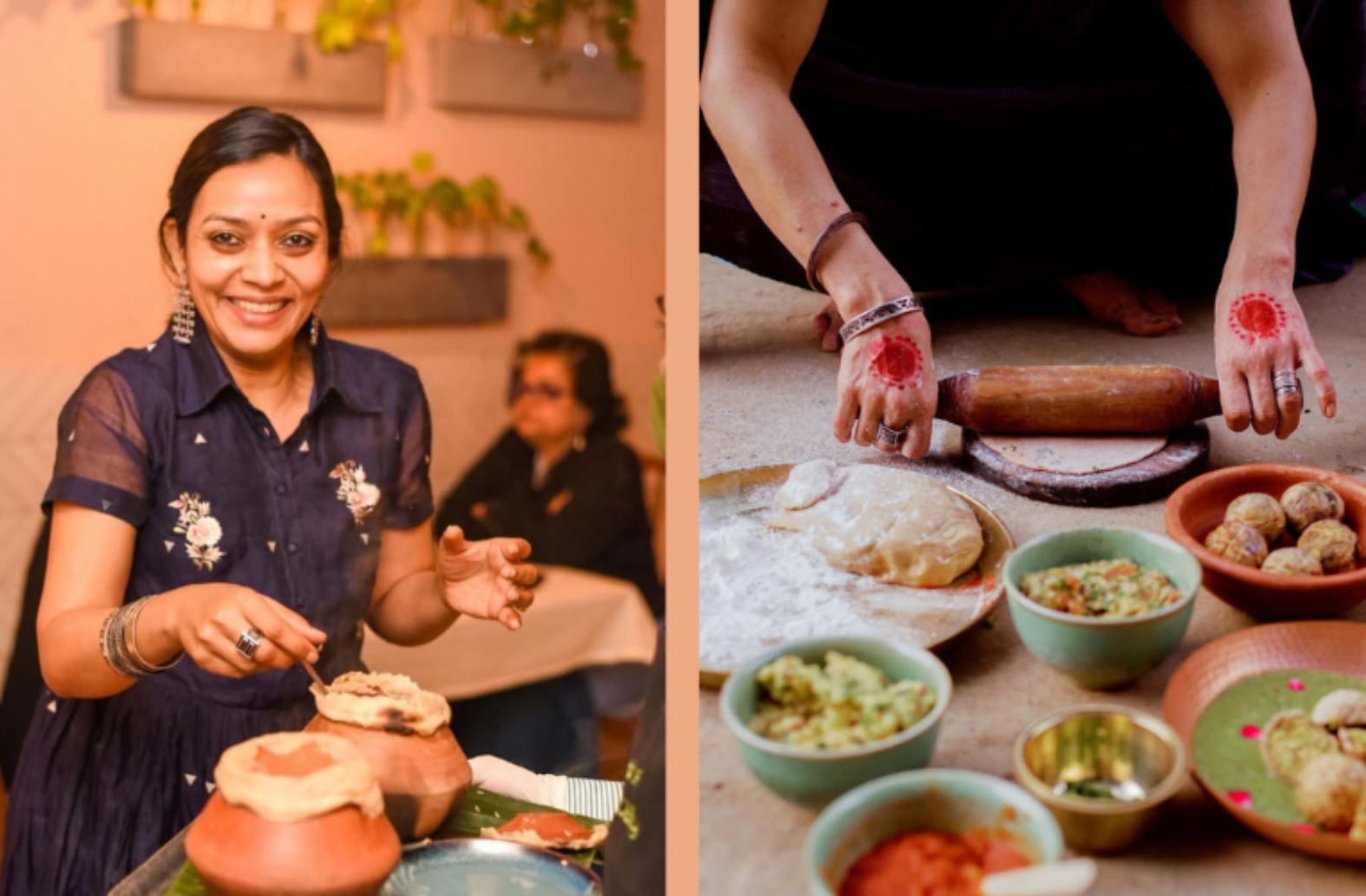
According to Puja, the first rule of winning customers’ trust is to offer high-quality dishes.
“One cannot merely offer a mediocre product and expect to have a base of loyal customers. Reinventing your menu, adding flavors, new dishes to the menu, exciting your customers time and again is essential”
She works effortlessly to refine the product, ensure the highest-quality inventory, redefine the flavors, and check the consistency of menu items. Even today, Puja continues to keep a check on the items that their cooks have been preparing for years.
Puja highlights that motivating employees is extremely important.
“Understanding their problems and working with them on a frequent basis not only motivates them but also displays a sense of empathy that is vital in deriving loyalty out of the employees as well.”
Being around the restaurant when customer footfall is high and receiving constant feedback has worked well in Puja’s favor. Getting to know your customers is very important for any restaurant business. The Potbelly continues to distribute physical feedback forms to the customers, as it goes well with the brand image they are trying to create. Puja says they have trained their employees to interact effortlessly with customers and to check that everything is fine even before their food arrives.
She interacts with customers and personally addresses their issues. The staff at The Potbelly also monitors Zomato reviews and ratings and tries to address customer issues promptly.
Word of mouth has proved to be one of the most effective marketing strategies for The Potbelly.
“When you lay a rock-solid foundation and ensure that every customer leaves your restaurant with a sense of satisfaction, your job is almost done.”
Within a month of restarting operations after lockdown, The Potbelly is experiencing high customer footfall and operating at high capacity.
Impact of COVID-19 and Learnings From The Experience
Like many restaurateurs, Puja too was anxious after having to shut down the cafe during the COVID-19 crisis. Just 20 days before the national lockdown, she had inaugurated a Potbelly outlet in Bengaluru, called The Potbelly Divine, in Indiranagar. The outlet has since permanently shut down, and Potbelly’s footprint today remains concentrated in Delhi, Gurgaon, and Patna. Funding and labor expenses were the major hurdles they faced during the lockdown. Even if they were paying 50% salary to the staff, there were other overheads. Rental costs also posed a problem as landlords weren’t very supportive at some locations.
However, Puja has built up good credibility with the vendors because of which they were willing to supply inventory on credit even during the crisis.
Potbelly has always been known for its dine-in experience. Puja says that they were never focused on taking delivery orders initially, but were left with no other choice than to devise a delivery strategy since the lockdown. The team focused on packaging measures and constantly communicated with customers via social media. The brand is currently delivering food via third-party aggregators but plans to build its own delivery system in the near future.
Puja emphasizes that the pandemic taught them many lessons. Earlier, they focused on expanding the business, but with the slowdown, they began streamlining operations, reinventing procedures, and using resources more effectively.
Her message to the restaurateurs entering the regional cuisine segment is;
- Look at every aspect of the business in great detail.
- Be hands-on. You cannot start a business and leave it up to your employees to take it forward.
- Start small and expand your business gradually. Always adopt the strategy of starting with fewer resources, but remember to gain complete knowledge of the products you’re serving.
- Gaining an in-depth understanding of your product, suppliers, ingredient source, and target market is critical. Your foundation needs to be strong.
And finally, business acumen can be acquired over a period of time, but it is vital to take the necessary steps and believe in your product.
The Potbelly Today: A Decade-Plus Later
Bihari cuisine’s mainstream moment has caught up with Puja’s early bet on it. Swiggy’s “How Indian Eats” report, released in partnership with Kearney in November 2023, found that Goan, Bihari, and Pahari dishes were growing two to eight times faster than mainstream options, a trend that The Potbelly had staked its identity on more than a decade earlier.
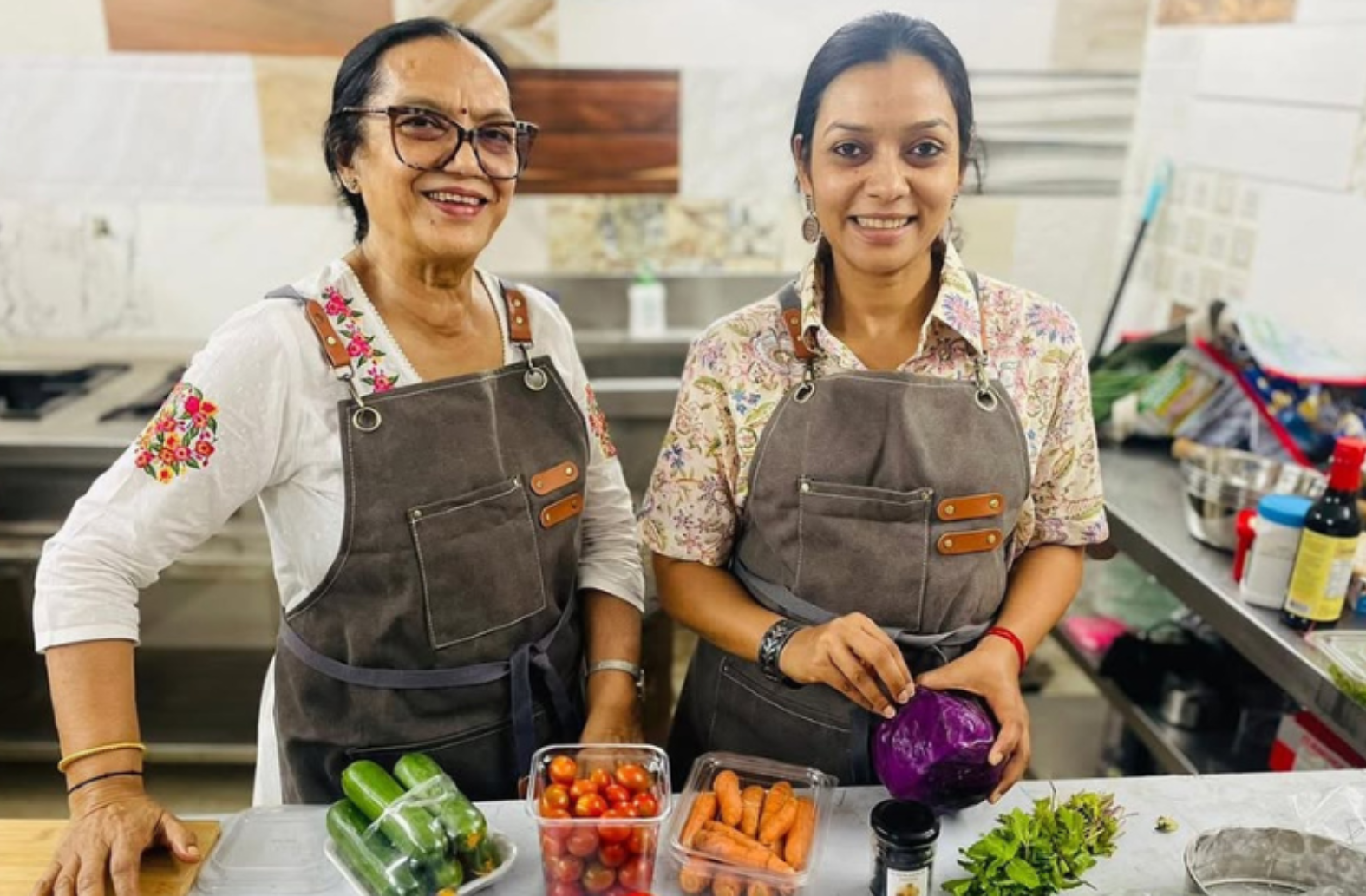
Puja has also spoken more about the role her mother, Mamta Sahu, played in the brand’s foundation. In a May 2026 interview with Mint, Puja said her mother “trained our cooks and ensured every recipe stayed true to its origins,” describing her as “the custodian of authenticity in ways I could not have managed alone.” That same conversation traced Puja’s food memories back to her childhood when she used to watch wheat ground for traditional sweets, pickles set out in the sun, and litti roasted over dried cow dung cakes.
In late 2025, Puja also launched Mission Bay at Delhi’s Eldeco Center, a venture inspired by her time in San Francisco, Napa, Sonoma, and Paso Robles, built around a farm-to-table approach to Californian dining. She described it as “my tribute to that experience,” rooted in the same philosophy she’s applied at The Potbelly. i.e., “food is only as good as the ingredients you use.”
On where regional Indian cuisine is headed, Puja shares, “What we’re seeing isn’t a trend; it’s a reflection of a maturing dining culture, where people seek experience and meaning at the table, not just a meal.” Her approach to The Potbelly’s growth has become more deliberate lately. She told Focus that expansion will happen “only into locations and formats where we know The Potbelly story will land with full force,” pointing to a loyal, steadily built customer base as the brand’s real asset going into its next phase.


