

A woman who commands respect – from her charming smile to her professional demeanor – Chef Rachel Goenka acknowledges that her experiences growing up have absolutely carved the path she is currently on.
Known for her inventive take on traditional Indian sweets and desserts, Rachel Goenka is the Founder and CEO of the hospitality firm, The Chocolate Spoon Company.
After graduating with a double degree in Journalism and English from Pennsylvania State University, she realized there was always an eddy that ran alongside her love for food. She then completed her chef’s training at the Ballymaloe Cookery School in Ireland in 2011, followed by a specialization in patisserie at Le Cordon Bleu in London in 2012. She launched her first restaurant, The Sassy Spoon, in December 2012.
In Conversation With Rachel Goenka of The Chocolate Spoon Company

In an exclusive conversation with The Restaurant Times, Rachel Goenka talks about her journey in the industry, her famous cookbook, operational challenges, and a lot more.
Rachel Goenka’s Cookbook ‘Adventures With Mithai’
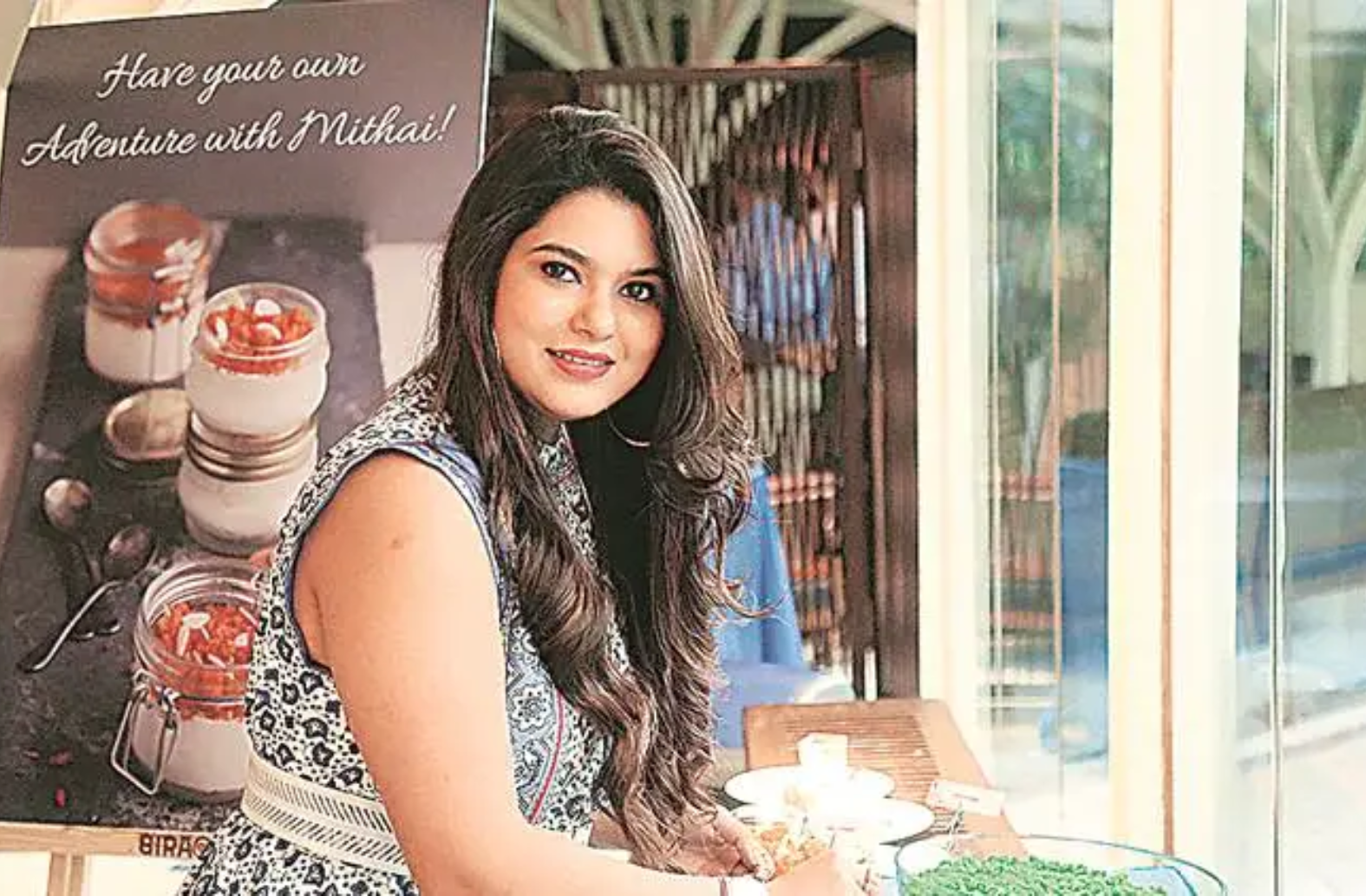
Rachel Goenka’s debut cookbook, Adventures with Mithai, explores the versatility of Indian mithai and its evolution. The cookbook has 50 unique recipes, carefully curated by Rachel over two months. Her dedication and love for desserts finally paid off, as she won the award at the Gourmand World Cookbook Awards 2020 in the Pastry & Desserts category.
Rachel shares that her favorite recipes from the book are the Shahi Tukda Cinnamon Rolls with rabri cream, the Lemongrass and Semiya panna cotta, and the Kaju katli Truffles. She loves how the cinnamon adds to the deep-fried bread and complements the rabri perfectly. The lemongrass and the kheer sound like an odd combination, but it’s delicious. The kaju katli and dark chocolate truffles are a match made in dessert heaven. She also really loves the Lavender and Darjeeling bundt cake and the Chai, Brown Butter, and Rose Teacake. Rachel confesses that she can easily consume the entire confection herself!
Rachel’s Style of Cooking and Changing Consumer Tastes in India

Rachel describes herself as an emotional cook, so it all depends on her mood. There are days when she likes to get very technical and try more complex cooking methods. On other days, she wants to keep it light and simple.
She says, “Customers in India are increasingly willing to experiment with cuisines and flavors. I love to experiment with different ingredients and techniques. I have done some quirky dishes in the past, such as basil and dark chocolate fondant, gin and cucumber truffles, and fenugreek risotto. Most recently, I did a very interesting menu with ruby chocolate that featured dishes such as a Swiss chard and mushroom tart with ruby chocolate curd, spinach and feta ravioli with ruby chocolate velouté, creamy mascarpone and ruby chocolate risotto, crabmeat stuffed chicken with a ruby chocolate and brandy cream sauce.”
Operational Challenges While Running The Business
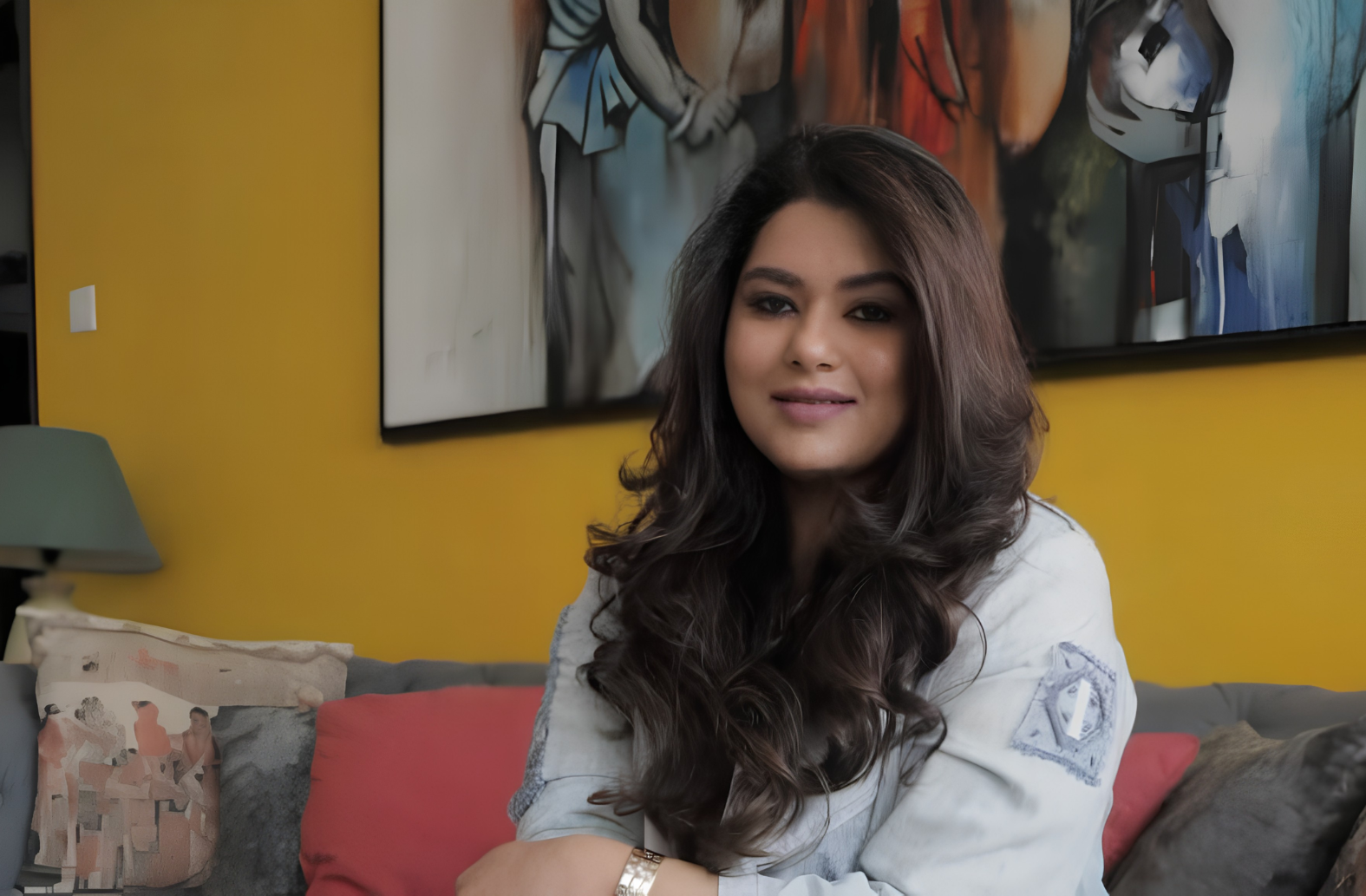
Opening a restaurant is tough. There is so much to do and so little time to do it. Rachel shares some operational challenges while running her restaurant business:
#1: Hiring the Right Staff:
In the modern workforce, there is a scarcity of reliable hospitality staff. Rachel mentions that the knowledge and finesse required to staff the kitchen are difficult to find. Another concern is the high attrition rate. High employee attrition creates uninvited diversions for owners and managers, ongoing recruitment, high costs of training and ramping up of teams, and a waste of institutional vision held by long-tenured employees.
#2: No Benefit from Input Tax Credit:
While the GST applicable to restaurants has come down to 5% from 18%, most restaurants can no longer claim Input Tax Credit. The revised rates were customer-pocket-friendly but did not make much of a difference for the restaurants. Rachel says that, without the Input Tax Credit, it has put a massive amount of financial pressure post-GST on the bottom lines of restaurants.
#3: High Rentals:
For a restaurant, rent is the largest fixed expense. Food costs are variable. Determining an acceptable rent is critical to the restaurant’s success. If one’s annual rent is greater than 10% of their sales, then the rent is too high.
It is a perennial challenge, so one should be prepared by fixing their budget in advance and doing some market research.
Strategic Learnings
The truth is that F&B entrepreneurs are some of the most relentless, determined, and business-savvy people out there. It’s an intensely competitive industry with long hours and many, many sacrifices.
Rachel shares some first-hand strategic learnings, which she learned through her experiences in the hospitality industry, namely, tracking the finances of your restaurant and taking enough risks. It is important that you know how to manage your finances, including how to deal with slow periods and low cash flow. A daily business review can assist one in analyzing sales trends, payroll costs, customer counts, predicting future sales, and keeping the finances in check.
Secondly, taking risks and focusing on brand sustainability are critical. For sustaining a brand in the long run, it is important to have an authentic purpose, value your employees and customers, and build a powerful brand. The most sustainable way to create value is to continually invest in your capabilities, both as individuals and as companies.
Rachel also shares that she likes experimenting with new things, and she draws inspiration from traveling and indulging in foods with different flavor profiles.
Rachel Goenka Today
The Sassy Spoon launched its first outpost at Nariman Point in 2012, followed by an outpost in Koregaon Park, Pune, in 2017, and the Powai outpost in 2019. In the years since this conversation, Rachel Goenka has continued expanding The Chocolate Spoon Company’s portfolio. Her current brands span The Sassy Spoon, House of Mandarin, Baraza, Sassy Teaspoon, and Asian Bistro by HOM, across Mumbai and Pune. In 2025, she entered the bar segment for the first time with the launch of 8ish, a cocktail bar in Mumbai’s Nariman Point, and repositioned Baraza in Pune as a beer garden-style restaurant that same year.
Her cookbook, Adventures with Mithai, continued to draw attention well after its 2019 release. Reviewing it for The Indian Express, Sourish Bhattacharyya called it a “cross-cultural treat.” The Hindu’s review noted that the book adapts traditional Indian ingredients for a Western palate, presenting festive sweets in contemporary forms with recipes accessible to home bakers.
Goenka has also taken on an industry leadership role, being appointed head of the National Restaurant Association of India’s Mumbai chapter for 2025–26, having first joined its managing committee in 2020. Her body of work has been recognized with several industry honors over the years, including Restaurateur of the Year (Female) at the Food Connoisseurs India Convention in April 2023 and Young Restaurateur of the Year (West) at the ET Hospitality World Restaurant and Nightlife Awards the same year.