
Getting your restaurant location wrong can kill your business before it even starts. With 13,000 F&B outlets already competing for attention, choosing restaurant location in Dubai requires a strategic approach that considers foot traffic, target audience, and local regulations.
The city’s restaurant business is booming. Sales at UAE restaurants and cafes are set to climb 50% to USD 23.5 billion by 2027. This growth means opportunities, but also fierce competition. Your location decision will determine whether you capture this wave or get swept away by it.
Why Does Location Matter More Than Ever for the Restaurant Business?
Location isn’t just about real estate anymore. It’s about positioning your restaurant concept within Dubai’s competitive restaurant industry. Nearly 1,200 new restaurant licenses were issued in 2024 alone, making location selection critical for survival.
Your restaurant’s success depends on three core factors:
- Visibility to your target audience
- Accessibility for both locals and tourists
- Alignment with your restaurant concept
Residents visit restaurants 2.5 times per week on average. This frequent dining habit means consistent foot traffic in the right areas can make or break your venture.
What Are the Top Restaurant Districts in Dubai?
Below are the four locations in Dubai that must be on your radar if you’re planning to launch your restaurant in the country:
Dubai Marina
Dubai Marina attracts millions of visitors each year with its stunning waterfront views and luxurious lifestyle appeal. The area hosts numerous fine dining establishments alongside casual dining options.
The marina’s residential towers house thousands of residents who regularly dine out. Tourist foot traffic remains high throughout the year, especially during the cooler months. Office buildings in the area generate steady lunch crowds.
Key advantages:
- High-income residents and tourists
- Excellent transportation links
- Premium dining scene acceptance
- Strong social media marketing potential
Rental costs here are significant, but the revenue potential justifies the investment for upscale restaurants.
Business Bay
Business Bay serves as the commercial hub of the city, with numerous office buildings generating substantial demand for lunch and dinner. The area’s business district nature means consistent weekday traffic.
Corporate clients prefer quick service during lunch and quality dining for business meetings. The diverse population working here creates demand for various international cuisines.
Restaurant operations here benefit from:
- Predictable weekday traffic patterns
- Corporate catering opportunities
- Evening entertainment district growth
- Easy access for food delivery apps
Downtown Dubai
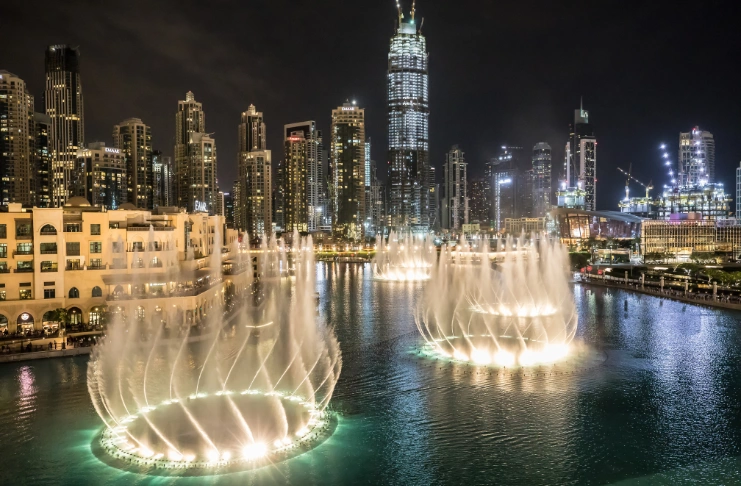
Downtown Dubai is home to the world’s tallest building and attracts millions of tourists annually. The area’s cultural attractions and luxury shopping create a premium dining environment.
Dubai Mall alone generates enormous foot traffic daily. The surrounding area supports both fine dining and casual dining establishments. Tourist spending patterns favor experiential dining over budget options.
Location benefits include:
- Massive tourist footfall
- Premium pricing acceptance
- High social media visibility
- Year-round demand stability
Jumeirah Beach Residence
Jumeirah Beach Residence combines residential living with beach tourism. The area’s outdoor seating, friendly climate, and beachfront location create unique dining opportunities.
Residents here have high disposable income and frequently entertain guests. Tourist traffic peaks during winter months but remains steady throughout the year.
Advantages you may expect:
- Premium residential market
- Beach tourism revenue
- Outdoor dining opportunities
- Instagram-worthy locations
How to Analyze Foot Traffic Patterns Effectively?
Understanding foot traffic requires more than casual observation. You need a systematic analysis of pedestrian patterns, peak hours, and seasonal variations.
Visit potential locations at different times and days. Count pedestrians during morning, lunch, and evening periods. Note the demographic mix and behavior patterns.
Also, consider these factors:
- Peak dining hours alignment
- Weekend vs weekday patterns
- Seasonal tourism impact
- Local event influences
Walk-in customers remain crucial for restaurant success. Areas with significant foot traffic offer natural opportunities for customer discovery.
INDUSTRY INSIGHT
| Google data revealed that unique online searches related to Dubai’s F&B offerings reached 741,500 in the first seven months of 2024, a 23.5% increase from 600,500 searches during the same period in 2023. This digital interest directly correlates with physical foot traffic patterns. |
Which Demographics Should You Target?
Dubai’s diverse population presents opportunities for a wide range of restaurant concepts. Understanding your target audience helps narrow location choices effectively.
The city’s demographics include:
- Local Emiratis with specific cultural preferences
- Long-term expatriates seeking familiar cuisines
- Business travelers requiring quick, quality meals
- Tourists wanting authentic experiences
Both locals and tourists frequent different areas at different times. Locals may prefer suburban locations for family dining, while tourists tend to concentrate in central districts.
Market research indicates that 49% of respondents consider cuisine type the most important factor when selecting a restaurant. This shift in preference, from 34% in previous studies, indicates a growing sophistication in dining choices.
What Are the Legal Requirements for Choosing Restaurant Location in Dubai?
Starting a restaurant in Dubai requires understanding local regulations and obtaining proper licensing. The Dubai Municipality oversees food safety standards and location approvals.
Essential requirements include:
- Trade license from the Department of Economic Development
- Food service permit from Dubai Municipality
- Local sponsor for business setup
- Compliance with zoning regulations
Trade license requirements vary by location and restaurant concept. Some areas have restrictions on certain types of establishments. Therefore, it is advisable to research zoning laws thoroughly before committing to any location.
How to Evaluate Competition in Different Areas?
Nearby restaurants can both pose a threat and present an opportunity for aspiring restaurant owners. Dense restaurant clusters often indicate strong dining demand but also create intense competition.
Study existing competitors’ concepts, pricing, and customer reviews to gain insight into their strategies. Look for gaps in cuisine offerings or service styles. Avoid oversaturated markets unless your concept offers clear differentiation.
Analyze competitor performance through:
- Online review analysis
- Peak hour observations
- Menu and pricing comparisons
- Customer demographic studies
New restaurants often succeed by filling specific market gaps rather than competing directly with established players.
What Role Does Accessibility Play in Location Selection?
If people can’t easily reach your restaurant, they won’t return. In Dubai, this means selecting locations with reliable Metro access, ample parking, or consistent foot traffic from nearby offices, malls, or hotels.
Restaurants near Metro stations, such as Burj Khalifa or Business Bay, see consistent walk-ins from both residents and tourists. In residential zones, solid delivery infrastructure can be just as important. Fast delivery often takes precedence over storefront visibility in many cases.
How to Calculate Your Budget for Prime Locations?

Rental costs vary dramatically across Dubai’s districts, and you must understand these differences before making any commitments.
Prime locations, such as the Dubai Mall or Business Bay, command premium rents, but they also offer access to higher-spending customers and increased foot traffic.
Start with your monthly rent calculation. Most landlords require a deposit of 6-12 months upfront, plus a security deposit. Your rental costs should never exceed 8-10% of your projected monthly revenue. If you’re planning to generate AED 100,000 monthly, your rent shouldn’t exceed AED 8,000-10,000.
You’ll also need to factor in utility costs. Newer developments in Business Bay might include utilities in rental packages, while older buildings in traditional areas charge separately. Consider the costs of electricity, water, internet, and waste management.
Kitchen equipment expenses depend heavily on your restaurant concept and location requirements. Fine dining establishments in Downtown Dubai need premium equipment that matches their upscale image. Casual dining concepts in City Walk can operate more cost-effectively.
Licensing and permit fees add another layer of complexity. Dubai Municipality charges vary based on the size and concept of the restaurant. Trade license fees depend on your business structure and local sponsor arrangements. Some locations require additional permits for outdoor seating or entertainment.
Calculate your break-even point realistically. If your total monthly costs are AED 50,000, you need to generate enough revenue to cover these expenses, plus a profit margin. In prime locations, you can achieve this with 80-100 customers daily, each spending an average of AED 80 per day.
Consider seasonal variations when planning your finances. Tourist-heavy areas, such as Downtown Dubai, experience revenue spikes during peak seasons but slower periods during the summer months. Business districts maintain steadier income throughout the year.
Compare cost-per-customer acquisition across different locations. Prime locations with high foot traffic tend to reduce marketing costs, whereas suburban areas often require a higher investment in advertising to attract customers. Factor these marketing expenses into your location budget analysis.
Don’t forget operational cost ratios. Prime locations often require larger staff to handle higher customer volumes. Labor costs in upscale areas also tend to be higher as you compete for skilled workers. Your staff costs should align with your revenue projections and location requirements.
Which Areas Work Best for Different Restaurant Concepts?
Fine dining establishments thrive in upscale areas like Downtown Dubai and Dubai Marina. These locations attract customers willing to pay premium prices for quality experiences.
Casual dining concepts are well-suited for residential areas and shopping centers. City Walk offers excellent opportunities for casual dining with its family-friendly environment.
Fast-casual and quick-service concepts succeed in business districts and food courts. Areas with high concentrations of office workers typically attract steady lunch crowds.
How to Leverage Digital Marketing for Your Location?

Your restaurant’s visibility depends heavily on digital marketing strategies that extend far beyond your physical location boundaries. Even the best locations need a strong online presence to compete effectively in today’s competitive market.
Social media platforms help build awareness, regardless of your location. Create a business page that showcases your location’s unique features and tells the story of your restaurant.
Your content should highlight what makes your specific location special, whether it’s beachfront views in Jumeirah Beach Residence or the downtown skyline from Dubai Marina.
Utilize video marketing to showcase your restaurant’s ambiance and accessibility. Show customers how to find you, what to expect when they arrive, and why your location enhances their dining experience.
Here, search engine optimization becomes crucial for local discovery as well. When people search for “restaurants near Dubai Mall” or “best dining in Business Bay,” you want your establishment to appear in results. Optimize your website and online listings with location-specific keywords and neighborhood references.
Content marketing should feature area highlights and cultural attractions near your restaurant. Write about local events, nearby shopping opportunities, and reasons to visit your neighborhood. This content will help attract broader audiences and position your restaurant as a local expert.
Google Maps optimization has a direct impact on customer discovery. Ensure your restaurant appears correctly on Google Maps with accurate hours, photos, and contact information. Many customers discover restaurants through map searches when they’re already in an area.
Social media marketing with location tags helps customers find and remember your restaurant. When customers share photos from your restaurant, their location tags expose your business to their social networks.
Encourage customers to share their experiences on social media platforms. User-generated content offers authentic marketing for your location, building social proof that attracts new customers.
Your digital marketing efforts should complement the strengths of your physical location. If you’re in a tourist area, create content that appeals to visitors exploring Dubai. If you’re in a business district, focus on convenience and quality for busy professionals.
Monitor online reviews and respond professionally to both positive and negative feedback. Your digital reputation directly impacts customer decisions, especially in competitive areas where customers have many dining options.
What Are the Seasonal Considerations for Restaurant Locations?
Dubai’s climate has a significant impact on dining patterns and customer behavior throughout the year. Understanding these seasonal shifts helps you choose locations that remain profitable during both peak and slow periods.
For example, outdoor seating becomes incredibly popular during cooler months from November to March.
But outdoor seating also creates challenges during the summer months. You’ll need indoor alternatives that maintain customer comfort when temperatures soar. Plan your space design to accommodate both seasonal preferences, or risk losing customers during less favorable weather.
Tourist seasons impact different areas in entirely different ways. Beach areas like Dubai Marina and Jumeirah Beach Residence experience their peak season during the winter months, when outdoor activities are most comfortable. Your customer base shifts from primarily residents to a mix of locals and international visitors.
Downtown Dubai experiences more consistent tourist traffic because indoor attractions, such as the Dubai Mall, and cultural sites operate year-round. However, even these areas see fluctuations as visitor patterns change with global travel seasons.
Business districts, such as Business Bay, experience distinct seasonal patterns. Corporate customers maintain steady dining habits throughout the year; however, holiday periods and Ramadan create significant disruptions to these normal patterns.
How to Build Customer Loyalty in Your Chosen Location?

Customer loyalty depends on consistent quality and community engagement. Understand your local customer base and tailor your offerings to their preferences.
Existing customers become your best marketing tool. Focus on enhancing the customer experience and encourage repeat visits through effective loyalty programs.
Loyalty-building strategies to consider:
- Consistent food quality and service
- Community event participation
- Local partnership development
- Personalized customer service
New customers often come through word-of-mouth recommendations. Building strong relationships with early customers creates organic growth opportunities.
What Are the Growth Opportunities in Emerging Areas?
Emerging neighborhoods, such as Dubai South or Al Khawaneej, offer lower rents with long-term potential. These areas are still in development, but population and infrastructure are growing rapidly.
Early movers can establish brand loyalty before their competitors arrive. Check for nearby planned roads, schools, or malls. If you’re thinking long-term, the rewards often outweigh the wait.
How to Handle Permit Applications and Approvals?
Dubai’s approval process is detailed and time-sensitive. You need certified kitchen plans, fire safety layouts, and hygiene procedures approved before you open.
Work with a consultant familiar with local regulations. Many delays happen because of missing technical details. Start applications early and follow up often. Permit approvals can make or break your launch timeline.
What Are the Key Success Factors Beyond Location?
A great address cannot cover for poor food or service. To succeed, you need consistent product quality, trained staff, and clear operational systems.
Track your costs closely, market your brand effectively, and respond promptly to customer feedback. A strong location works best when paired with reliable execution and a compelling value proposition.
Conclusion
Choosing the right restaurant location in Dubai requires balancing multiple factors, including foot traffic, target demographics, competition, and budget constraints. The city’s booming food and beverage (F&B) sector offers tremendous opportunities for well-positioned establishments.
Success depends on thorough market research, understanding local regulations, and aligning your restaurant concept with the right neighborhood characteristics. Prime locations like Dubai Marina, Business Bay, and Downtown Dubai offer excellent opportunities but require significant investment.
Consider emerging areas for cost-effective growth potential, while established districts provide immediate market access. Your location decision should support your long-term business goals while remaining financially sustainable.
Frequently Asked Questions
1. How to choose a restaurant location?
Research foot traffic patterns, analyze competition, understand local demographics, and ensure the area aligns with your restaurant concept and budget.
2. What is the area required for a restaurant in Dubai?
Area requirements vary by concept, but most successful restaurants need 1,000-3,000 square feet, depending on seating capacity and kitchen size.
3. Which area in Dubai has the most restaurants?
Downtown Dubai and Dubai Marina have the highest concentration of restaurants, followed by Business Bay and JBR.
4. What is the best location for a business setup in Dubai?
Business Bay and DIFC offer excellent business infrastructure, while Dubai Marina and Downtown Dubai provide strong consumer markets.
5. Is it profitable to open a restaurant in Dubai?
Yes, with proper location selection and execution. The market is expected to grow 50% to USD 23.5 billion by 2027.
6. What location is best suited for restaurant business?
Areas with high foot traffic, good accessibility, and demographics matching your target audience work best.
7. What is the strategic location of Dubai?
Dubai serves as a Middle East hub connecting Asia, Africa, and Europe, making it attractive for international restaurant concepts.
8. What type of location is best for a restaurant?
High-visibility locations with consistent foot traffic, easy access, and alignment with your target customer base and restaurant concept.