The floor plan is one of the most important decisions you’ll make when opening or redesigning a coffee shop. A smart layout creates a welcoming experience that attracts your target customers, improves flow, and maximizes both comfort and profitability.
Behind the scenes, the floor plan also shapes workflow for baristas, storage, cleaning, and supply runs. So, whether you’re opening a new coffee shop or revamping an existing space, an efficient seating strategy can make a remarkable difference.
This guide walks through practical ways to plan a coffee shop floor layout, organize seating, and create a space that supports comfort and efficiency.
Why Coffee Shop Floor Plan Design Matters?
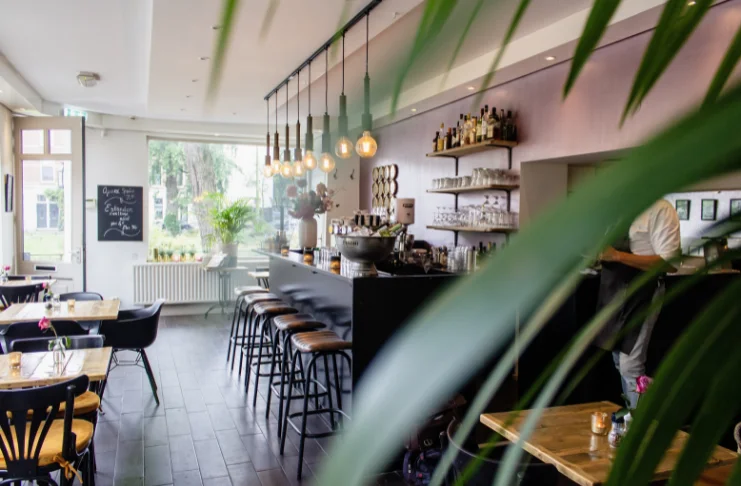
A well-thought-out coffee shop floor plan design affects everything from employee workflow to how your customers feel as they sip their morning coffee. It impacts your revenue, operations, and the overall brand experience. A good layout encourages more visits, longer stays, and ultimately, more purchases.
Also, the psychology of space has a significant impact on customer behavior. Large, airy places can be perceived as friendly but are less intimate, while cramped spaces might feel cozy but could discourage longer dwell times. So, your floor plan needs to strike the perfect balance, creating zones that feel both spacious and intimate.
INDUSTRY INSIGHT
| A comprehensive report on layout strategy found that well‑designed store layouts can increase sales by 15–30%. By improving customer flow, reducing congestion, and enhancing product visibility, retailers experienced measurable gains in revenue and customer satisfaction. |
Think about how your layout will influence the customer journey. From the initial view through your windows to the final decision of recommending your café to friends, every design choice contributes to the overall experience. A thoughtful layout can turn first-time visitors into regulars and brand ambassadors. turn first-time visitors into regulars and transform casual customers into brand ambassadors.
Why is it Important to Understand Your Target Customers?

The Spring 2025 National Coffee Data Trends (NCDT) report from Dig Insights for the NCA, about 66% of American adults now drink coffee every day — making it the country’s most-consumed beverage. That share is up nearly seven percentage points since 2020, which shows just how strong and steady the demand for coffee still is.
Before you even start sketching a floor plan, think about who you’re really serving. Are your guests students looking for a quiet place to study? Commuters rushing in for a takeaway espresso? Remote workers settling in for the day? Or locals meeting friends?
Your layout should support those habits — whether that means comfortable seating, plenty of outlets, a bit of privacy, or a setup that moves people through quickly.
Moreover, it is also worth noting how customer needs change throughout the day. The morning crowd often prioritizes speed and convenience, while afternoon visitors might want a relaxing escape. Weekend customers frequently arrive in groups, requiring different seating arrangements than weekday solo visitors.
That is why it is important to thoroughly research your local market. Visit nearby cafés at different times, watch how people use the space, and notice which seats stay empty and which are always taken. Those observations will tell you a lot — and they’ll help you design a layout that works in the real world and avoid costly mistakes.
How to Lay Out a Coffee Shop?

Your cafe design should include these essential zones:
- Entrance Area: Your restaurant entrance should make a strong first impression. To do this, use branding elements, natural light, and product displays to draw people in. This space should feel welcoming and uncluttered, offering a clear view of your menu and service area.
- Service Counter:Place the counter strategically so it’s easily visible without disrupting the service flow. At the same time, the staff should have access to water lines, baked goods displays, and coffee machines. The counter should feel approachable while maintaining an efficient workflow for your baristas.
- Customer Flow Path: Create a logical flow from entry to order to seating. Clear sight lines that guide customers naturally through your space will help avoid confusion or congestion.
- Seating Area: Offer a variety of seating options, such as bar stools, armchairs, and communal tables. This is because different seating types serve different purposes and customer preferences, from quick coffee breaks to extended work sessions.
- Retail Display: Showcase mugs, t-shirts, or beans in a space that doesn’t interfere with traffic. Strategic product placement can significantly boost your average transaction value.
- Waiting Area: For takeout orders, especially during peak times. This area should be clearly defined, but not obstruct the main flow of traffic.
- Restrooms & Storage: Must comply with local health codes and ADA requirements. While often overlooked in initial planning, these spaces are essential for customer satisfaction and legal compliance.
How to Optimize Your Coffee Shop Floor?

A smart coffee shop layout makes every square foot count. Instead of filling in the room with everything you can, prioritize flow and breathing room.
- Service Efficiency: A good layout ensures baristas can move quickly between stations without disrupting customers. Consider the triangle workflow principle, where coffee machines, grinders, and milk steamers form an efficient working triangle.
- Visual Lines: Open views across the cafe help make it look larger and more inviting. Avoid tall barriers that unnecessarily segment the space. Instead, use lower elements, such as planters or display cases, to define areas subtly.
- Acoustics: Use wall treatments or strategically place furniture to minimize noise. Hard surfaces can create echo, while soft furnishings and strategic placement can absorb sound, creating a more pleasant environment.
Here, the concept of “productive space” is crucial. Every area should serve a purpose, like enhancing customer experience to improving operational efficiency. Also, reimagine dead spaces or awkward corners for additional seating, retail displays, or decorative elements that enhance ambiance.
How Much Space Do You Need?
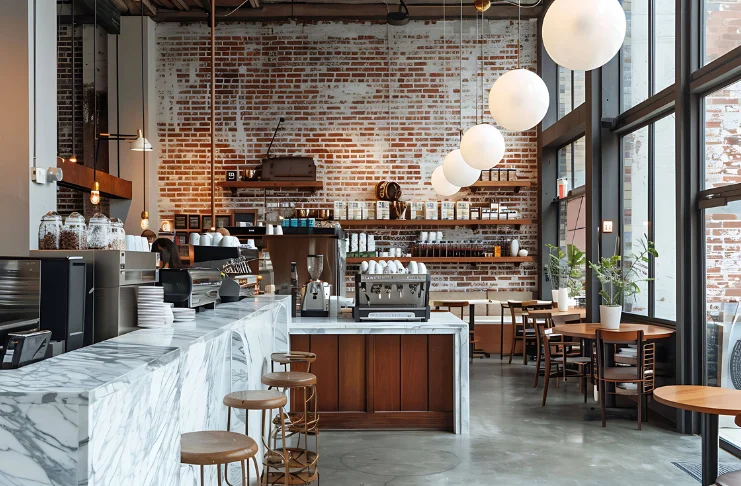
When determining how much space you need, a simple rule of thumb helps: roughly 70% for customers and 30% for back-of-house operations. As a starting point, you can think in these ranges:
- 500–1,000 sq. ft. – Best for small boutique coffee shops. These intimate spaces work well for grab-and-go operations or specialty coffee-focused locations.
- 1,000–2,000 sq. ft. – This is ideal for mixed-seating cafes. This size allows you to offer diverse seating options and moderate food service.
- 2,000+ sq. ft. – Suitable for full-service coffee and food operations. Larger spaces can accommodate events, private meetings, and expanded retail sections.
Most restaurants and coffee shops typically require an average space of around 15 sq ft per person. While smaller spaces might boost capacity, you might risk compromising comfort, accessibility, and the overall customer experience.
Remember that your space allocation should align with your business model. A quick-service café might dedicate more space to operations and less to seating, while a third-place community hub would prioritize customer areas.
What are Some Smart Coffee Shop Seating Arrangement Ideas?

Your coffee shop seating arrangement should encourage longer visits without feeling cluttered. Use these smart ideas:
- Window Bar Seating: Uses natural light and maximizes limited space. These spots are often the most coveted, offering people-watching opportunities and a connection to the outside world.
- Two-Tops & Four-Tops: Offer flexibility for couples or groups. These standard configurations serve the majority of coffee shop visits and can be easily reconfigured for different group sizes.
- Lounge Corners: Armchairs and sofas invite customers to stay. These comfortable spaces encourage longer stays and higher spending per visit.
- Communal Tables: Encourage a community feel and handle peak crowding. Large shared tables can accommodate more customers during busy periods while fostering social interaction.
- Outdoor Seating: Helps utilize the restaurant’s space more effectively, adds capacity, and attracts passersby. While the use of outdoor seating depends on the weather, it is still valuable for extending your space and creating street-level visibility.
Each section should have clear walkways (36 inches minimum) to ensure accessibility and comfort. Consider the flow between different seating areas and how customers move from ordering to sitting to leaving.
Mix seating heights and orientations to create visual interest and accommodate different preferences. Some customers prefer facing the room, others enjoy facing windows, and some want their backs to the walls for privacy.
How to Design for Different Customer Types?

Different customers have different expectations. Here’s how to cater to them:
- Remote Workers: Make sure there are enough outlets, small individual tables, and spots that stay fairly quiet. A few clearly marked “quiet work” areas with solid Wi-Fi and comfortable chairs can go a long way.
- Students: Many students spread out notebooks, laptops, and coffee cups — and then stay for hours. Larger, sturdy tables with good lighting make these guests feel at home.
- Grab-and-Go Customers: These customers want easy access to the counter and minimal seating as they prioritize speed and convenience over comfort.
- Families or Groups: Spacious layouts with different sizes of tables. Families need room for strollers and high chairs, while groups require flexible seating arrangements.
- Business Meetings: Semi-private areas with good acoustics. Professional customers appreciate spaces that feel separate from the main café bustle.
Understanding these different use cases helps you create a versatile space that serves multiple customer segments effectively throughout the day.
How to Find the Best Fit Furniture for Your Coffee Shop?
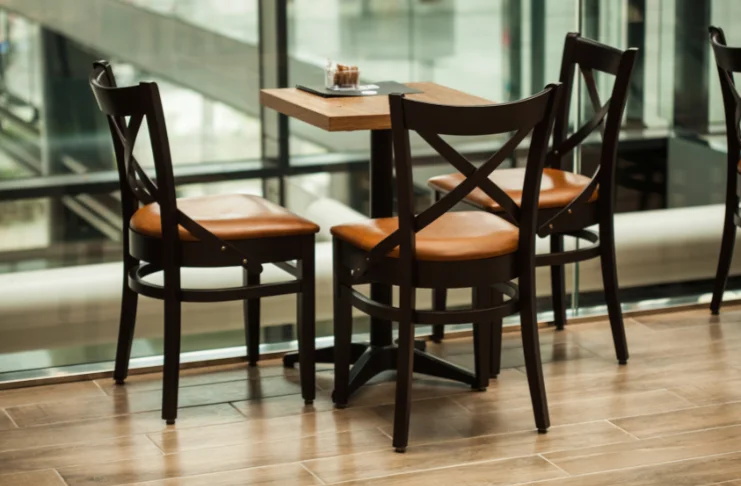
Invest in quality furniture that aligns with your brand and restaurant aesthetic. Here’s what to consider:
- Material: Pick surfaces that are durable and easy to keep clean — things like wood, laminate, or metal. The furniture should handle daily wear and frequent cleaning without looking worn out.
- Style: Modern, rustic, minimal – consistent with your interior theme. Your furniture should reinforce your brand identity and create a cohesive aesthetic.
- Functionality: Stackable chairs, movable tables. Flexibility allows you to reconfigure your space for events, deep cleaning, or changing needs.
- Comfort: Balance style with ergonomics. Customers should feel comfortable staying for extended periods without experiencing discomfort.
Use various types of seating for dynamic design and adaptability. Mix textures, heights, and styles while maintaining overall coherence.
What are Some Interior Design Tips for a Cozy Café Feel?

Your cafe interior contributes as much to the experience as the coffee.
- Lighting: Combine ambient, task, and accent lighting. Layer different light sources to create depth and accommodate various activities throughout the day.
- Walls: Use art, murals, or texture to define different zones. At the same time, wall treatments can create visual interest and help define different areas within your space.
- Color Scheme: Consider using warm neutrals or brand-consistent palettes. Colors influence mood and can make spaces feel larger or more intimate.
- Flooring: Wood or concrete with rugs to define cozy spaces. Consider durability, maintenance, and acoustics when choosing flooring materials.
- Plants: Keep plants to add life and freshness to the space. Greenery improves air quality and creates a more natural, welcoming environment.
A memorable interior design can turn your cafe into a local favorite. Consider seasonal elements that keep the space feeling fresh and encourage repeat visits.
What are Some Floor Plan Inspirations from Real Cafes?
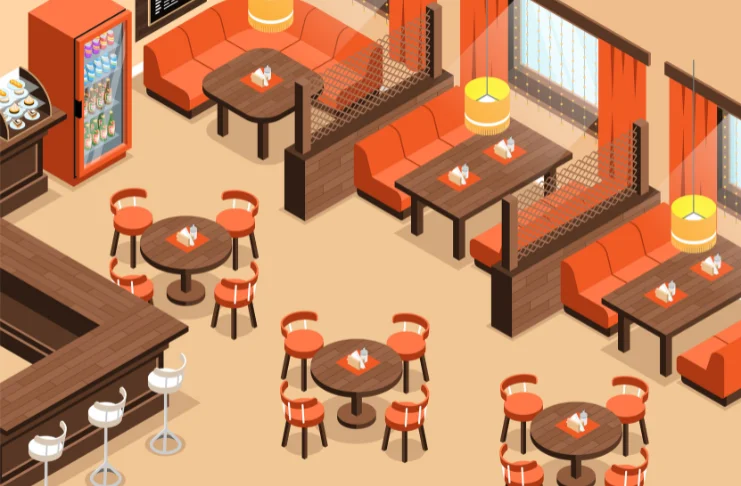
Consider these successful layouts:
- The Minimalist: Open floor with long community table and a small retail zone. This approach emphasizes simplicity and community interaction.
- The Nook-Filled Café: Cozy corners with couches, mixed seating are ideal for reading. They are perfect for creating intimate spaces within a larger area.
- The Work Cafe: Multiple outlets, counter seating, private booths. Designed specifically for laptop users and remote workers.
- The Social Hub: Lots of tables, open visibility, and flexible group setups. Optimized for social interaction and community building.
Draw inspiration from your competitors and local coffee shop floor layouts, but adapt ideas to fit your unique brand and customer base.
How to Streamline the Operations at the Service Counter?

Your service counter is the heart of your operation. It needs to be ergonomic for staff and intuitive for customers.
- POS System Placement: Ensure the register is visible and accessible. Customers should clearly understand where to order and pay.
- Coffee Machines & Water Lines: Keep all barista tools within reach. An efficient workflow reduces wait times and improves service quality.
- Display Case: Use it to upsell baked goods. Strategic product placement can significantly increase average transaction values.
- Behind-the-Counter Flow: Minimize cross-traffic and ensure efficiency. Design the back-of-house area to support smooth operations during peak periods.
How to Maximize Floor Plan Efficiency During Peak Times?

Peak morning and weekend hours demand smart layout decisions:
- Extra POS stations during rush hours. Consider mobile payment options to reduce bottlenecks.
- Clear path to the waiting area. Separate ordering customers from those waiting for drinks.
- Grab-and-go counters for online orders. Dedicated pickup areas streamline service for app users.
- Self-serve water/napkin stations to free up staff. Reduce staff workload by providing customer self-service options.
Make small adjustments, like moving chairs or signage, to create more space during rushes.
What are Some Local Health Codes & Compliance?

Don’t forget that your coffee shop floor plan must comply with:
- ADA accessibility rules (36″ walkways, accessible bathrooms). Ensure your space is welcoming to all customers.
- Local food safety laws (sink placement, food storage). Compliance protects both your business and your customers.
- Ventilation and fire exits. Safety requirements are non-negotiable and should be integrated into your design from the beginning.
Always consult with an architect or inspector during design to avoid costly modifications later. later.
How to Add Retail Elements to Your Coffee Shop Floor Plan?

You can expand your revenue stream by incorporating a retail zone within the coffee shop:
- Branded merchandise such as mugs, t-shirts, and coffee beans reinforces your brand while generating additional revenue.
- Paper products or branded items through local partnerships can create unique retail opportunities.
- Place near the entrance or register for impulse buys. Strategic placement maximizes visibility and purchasing opportunities.
- Use shelving that doesn’t block walkways or crowd the space. Retail should fit in naturally with the café, and not get in the way of customers moving around.
Conclusion
Your coffee shop floor plan should bring together design, efficient use of space, and the character of your brand. The way you arrange the counter, seating, and work areas has a real impact on how comfortable customers feel and how smoothly your team works.
Whether you’re planning a tiny espresso bar or a spacious cafe, keep flow, flexibility, and function at the heart of your shop floor plan. Remember that great design is an investment in your business’s long-term success.
Use this guide as your blueprint. Sketch your zones, walk the customer path, imagine peak hours, and build your dream coffee shop from the floor up.
Happy designing and even happier customers await.
Frequently Asked Questions
1. How to create a coffee shop floor plan?
Define your zones (entry, counter, seating, kitchen), ensure smooth customer flow, and comply with local building codes.
2. What is the best legal structure for a coffee shop?
An LLC is often the best legal structure, offering liability protection and tax flexibility.
3. What is the ideal size for a coffee shop?
An ideal coffee shop size ranges from 1,000 to 2,000 sq. ft., depending on your service model.
4. How much does it cost to build out a coffee shop?
The average build-out cost ranges from $80,000 to $300,000 based on size, location, and design.
5. What is the legal structure of a coffee shop?
The legal structure can be a sole proprietorship, partnership, LLC, or corporation, depending on your goals.
6. How profitable is owning a coffee shop?
Profit margins for coffee shops typically range from 12% to 20% after operating costs.
7. Do I need an LLC to sell coffee?
No, but forming an LLC is recommended for liability protection and business credibility.
8. What are the factors to consider in making a coffee shop layout?
Consider customer flow, service efficiency, seating comfort, equipment placement, and compliance.
9. How to design a cafe space?
Blend functionality with ambiance using strategic zoning, lighting, and comfortable furniture.
10. What is the minimum space required for a cafe?
A small café can function in as little as 500 sq. ft., though 800–1,200 sq. ft. is more common.
11. What are the spatial requirements for a cafe?
Allocate 12–15 sq. ft. per customer and ensure ADA-compliant paths and operational space.
12. How much space is needed for a cafe?
Most cafés require between 800 and 2,000 sq. ft., depending on menu and seating type.
13. How do I make my coffee shop stand out?
Offer a unique vibe, specialty drinks, excellent service, and community-focused branding.
14. What is comfortable café seating?
Comfortable café seating includes padded chairs, varied table heights, and spacing of at least 15 sq. ft. per guest.
15. How many seats should a coffee shop have?
A typical 1,000 sq. ft. coffee shop comfortably seats 20 to 40 guests, depending on layout.
16. What is the most profitable item in a coffee shop?
Brewed coffee is usually the most profitable item due to low cost and high markup.