

Running a successful restaurant isn’t just about serving good food; it’s about building a system that delivers a consistently positive dining experience. From inventory control to customer satisfaction, every aspect of your restaurant operations needs to be in sync. In this comprehensive guide, we explore how to improve restaurant operations management through effective restaurant workflow strategies, restaurant process optimization techniques, and tools that enhance operational efficiency in restaurants.
The restaurant industry operates on razor-thin margins, with the average profit margin hovering between 3%-5%. This reality makes operational excellence not just beneficial but essential for survival. When every dollar counts and customer expectations continue to rise, restaurant owners must master the art of efficient operations to stay competitive and profitable.
What is Restaurant Operations Management?

At its core, restaurant operations management encompasses all the moving parts required to run a restaurant efficiently. It spans from the front of house to back of house operations, food safety to staff scheduling, customer service to financial oversight. Effective management ensures that resources are used efficiently, labor costs are under control, food quality is consistent, and customer preferences are met.
Restaurant operations management is fundamentally about creating harmony between multiple complex systems. It’s the conductor’s role in an orchestra to ensure every section plays in perfect timing to create a beautiful dining experience. This involves coordinating kitchen workflows with front-of-house service, aligning inventory levels with demand forecasts, and maintaining quality standards while controlling costs.
Modern restaurant operations management has evolved beyond traditional approaches. Today’s successful operators leverage technology, data analytics, and systematic processes to optimize every aspect of their business. They understand that operational efficiency directly translates to customer satisfaction, employee retention, and ultimately, profitability.
Why It’s Crucial to Improve Restaurant Operations Management?

Improving restaurant operations directly impacts your restaurant’s success. It streamlines workflows, reduces food waste, improves customer satisfaction, and boosts profit margins. With rising competition and evolving customer expectations, restaurant owners must continuously adapt to stay relevant and profitable.
Research shows that restaurants with optimized operations experience measurable improvements in efficiency, cost control, and team performance.
INDUSTRY INSIGHT
| According to a peer‑reviewed 2025 study published in Waste Management, implementing modern restaurant waste management systems (like, AI‑powered waste-tracking devices) in restaurants and hotels across Germany, Switzerland, and Greece led to food waste reductions of 23–51%, and a drop of up to 39% in per‑meal food cost compared to the baseline. |
Over time, these incremental gains translate into a sustainable competitive advantage.
The digital transformation of the restaurant industry has also made operational efficiency more critical than ever. Online ordering, delivery services, and mobile payments have created new operational challenges while raising customer expectations for speed and accuracy. Restaurants that fail to optimize their operations for this multi-channel environment risk losing customers to more efficient competitors.
What are Some Restaurant Process Optimization Techniques That Drive Results?

Effective process optimization requires a systematic approach to identifying inefficiencies and implementing solutions. The most successful restaurants treat process optimization as an ongoing initiative rather than a one-time project.
1. Map and Audit Your Current Processes
Start by documenting every step in your service delivery, food preparation, inventory management, and ordering process. Identify bottlenecks, redundancies, or delays. This comprehensive audit forms the foundation for all optimization efforts.
The mapping process should involve your entire team, from kitchen staff to servers to management. Each person brings unique insights into daily operations and can identify pain points that might not be visible from a management perspective. Focus particularly on peak service periods when inefficiencies become most apparent.
2. Implement Lean Principles
Focus on minimizing waste and maximizing value. This includes reducing overproduction, excess inventory, and unnecessary motion. Lean methodology, borrowed from manufacturing, has proven highly effective in restaurant environments.
The eight types of waste in restaurant operations include: overproduction of food, excess inventory, unnecessary motion by staff, waiting time, transportation inefficiencies, over-processing, defects in food or service, and unused employee skills. By systematically eliminating these wastes, restaurants can significantly improve efficiency and profitability.
3. Utilize Technology for Automation
Use restaurant management software to automate routine tasks, track inventory, manage schedules, and analyze sales data. Technology should enhance human capabilities rather than replace them entirely.
Modern restaurant technology solutions integrate multiple operational functions into unified platforms. Point-of-sale systems now connect with inventory management, staff scheduling, customer relationship management, and financial reporting tools. This integration eliminates data silos and provides real-time visibility into all aspects of operations.
4. Set Standard Operating Procedures (SOPs)
Define clear, repeatable processes for tasks ranging from kitchen equipment cleaning to front-of-house greetings. SOPs ensure consistency and provide a foundation for training new employees.
Effective SOPs should be detailed enough to ensure consistency but flexible enough to accommodate different situations. They should include step-by-step instructions, quality standards, timing requirements, and troubleshooting guidance.
How to Effectively Manage Restaurant Workflow?

Effective workflow management ensures that tasks flow seamlessly between departments. Here’s how to streamline operations for maximum efficiency and minimum friction.
1. Create Station-Based Layouts
Design your kitchen and service areas based on logical task flows. For example, place prep stations near refrigeration units for quick access. The physical layout of your restaurant has a profound impact on operational efficiency.
Apply the principle of “motion economy” to minimize unnecessary movement. Arrange equipment and supplies so that staff can complete tasks with minimal walking and reaching. This not only improves efficiency but also reduces fatigue and injury risk.
2. Use Visual Cues and Signage
Signage and color-coded tools enhance communication and reduce confusion during peak hours. Visual management systems help staff quickly understand priorities and status updates. Quick-service restaurants experience a 17% sales increase and a 22% improvement in order accuracy after implementing digital menu boards.
Digital kitchen display systems can replace traditional paper tickets and provide real-time updates on order status. These systems can automatically track preparation times, highlight overdue items, and provide performance metrics for continuous improvement.
3. Develop a Shift Plan
Align staff roles with peak business hours to improve labor efficiency and service quality. Use historical sales data to predict busy periods and staff appropriately. Consider factors like day of week, weather, local events, and seasonal variations.
4. Cross-Train Staff
Equip team members to handle multiple roles in case of absences or sudden rushes. Cross-training improves flexibility and creates a more engaged workforce. Develop a systematic cross-training program that gradually expands each employee’s skill set while maintaining quality standards.
What are the Key Areas to Focus On When Streamlining Restaurant Operations?

Success in restaurant operations requires attention to multiple interconnected areas. Here are the critical focus areas that deliver the greatest impact on overall performance.
1. Inventory Control
Managing inventory is critical to reduce food waste and maintain profitability. Use inventory management software to track stock levels in real-time, get alerts for low inventory, automate supplier ordering, and analyze usage trends.
Effective inventory control requires understanding demand patterns, supplier reliability, and storage limitations. Implement first-in-first-out (FIFO) rotation systems to minimize spoilage and maintain quality standards. Advanced inventory systems can predict demand based on historical data, weather patterns, and local events.
2. Menu Development & Menu Offerings
Simplify and optimize your menu to improve kitchen efficiency and enhance the customer experience. Focus on high-margin items, dishes with shared ingredients, seasonal and local menu items, and data-driven updates based on sales data.
Menu engineering involves analyzing each dish’s profitability and popularity to make strategic decisions about pricing, positioning, and inclusion. Items with high margins and high popularity should be prominently featured, while low-margin, low-popularity items should be redesigned or eliminated.
3. Front of House (FOH) Management
Customer interactions happen here. Enhance front-of-house efficiency with FOH staff training on service protocols, POS systems for quick ordering, digital reservation systems, and loyalty programs with personalized service.
Modern POS systems do more than process payments. They can track customer preferences, manage reservations, process online orders, and provide real-time sales data. Integration with kitchen display systems ensures accurate order communication and timing.
4. Back of House (BOH) Efficiency
A productive kitchen ensures food is prepared quickly and safely. Use kitchen display systems (KDS), maintain kitchen equipment regularly, conduct health and safety training, and create prep sheets to reduce cooking time.
Kitchen efficiency depends on proper organization, equipment maintenance, and staff training. Implement mise en place principles to ensure all ingredients and tools are properly prepared and positioned before service begins.
Why Leveraging Restaurant Management Software is Important?

Modern restaurant management software offers end-to-end solutions that boost operational efficiency in restaurants through inventory tracking, staff scheduling, payroll, table reservations, customer data management, and menu engineering insights.
The key to successful software implementation is choosing systems that integrate well with your existing operations. Look for platforms that can grow with your business and provide scalable solutions. Cloud-based systems offer particular advantages in terms of accessibility, automatic updates, and data backup.
Integration capabilities are crucial for maximizing software value. Your POS system should communicate with inventory management, accounting software, and online ordering platforms. This integration eliminates duplicate data entry and provides comprehensive operational visibility.
How to Enhance the Customer Experience through Operations?

Improved operations lead to exceptional service, which improves customer satisfaction and encourages repeat business. The connection between operational efficiency and customer experience is direct and measurable.
1. Use Customer Feedback
Gather valuable insights through surveys, review platforms, or tableside tablets. Customer feedback provides essential information about operational performance from the guest perspective. Implement systematic feedback collection processes that capture both positive and negative experiences.
2. Track Customer Preferences
Use data to personalize recommendations, offers, and menu suggestions. Modern POS systems can track individual customer preferences and purchase history, enabling personalized service. Loyalty programs provide valuable data about customer behavior and preferences.
3. Streamline Online Ordering
Partner with food delivery apps and offer a seamless ordering process with clear menu items and quick checkout. Optimize your online menu for digital ordering by using clear descriptions, appealing photos, and logical categorization.
4. Focus on Service Quality
According to Gitnux (April 2025), 55% of customers return because of a positive experience, and 78% are more likely to recommend a restaurant after an excellent experience. Train staff to deliver consistent, courteous, and prompt service. Service quality is the primary differentiator in the restaurant industry. Develop service standards that reflect your restaurant’s brand and concept.
Why Ensuring Food Safety and Health Standards Is Important?
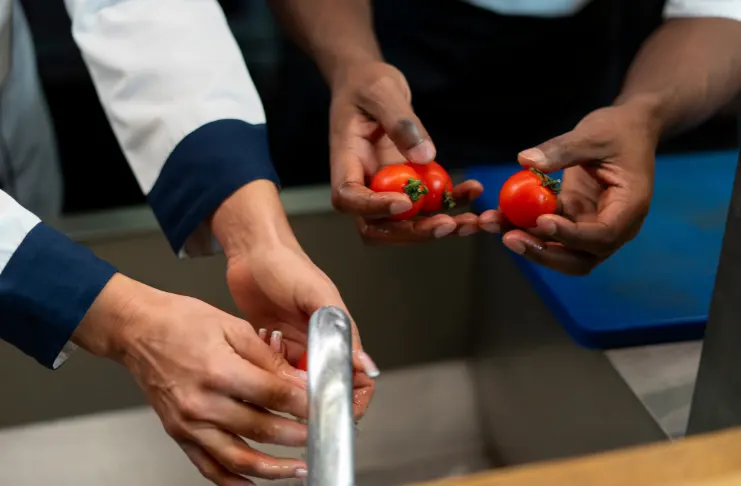
Compliance with food safety regulations isn’t optional. It ensures your guests enjoy a safe and hygienic experience through regular training on health and safety standards, daily sanitation checklists, kitchen audits, and food temperature logs.
Food safety violations can devastate a restaurant’s reputation and financial health. Implement comprehensive food safety programs that go beyond minimum regulatory requirements. Train all staff on proper food handling, storage, and preparation techniques.
Develop systematic approaches to sanitation and cleanliness. Daily checklists ensure critical tasks are completed consistently. Regular deep cleaning schedules maintain high standards even during busy periods.
Temperature monitoring is critical for food safety. Implement systems to track and log temperatures for refrigeration, cooking, and holding equipment. Digital monitoring systems can provide alerts when temperatures fall outside safe ranges.
How to Manage Labor Costs Without Compromising Service?

Staffing is one of the biggest expenses in the restaurant industry. Control costs by monitoring performance metrics, automating time tracking and shift planning, offering incentives for top performers, and using part-time labor during off-peak hours.
Labor cost management requires balancing efficiency with service quality. Understaffing leads to poor customer experiences, while overstaffing reduces profitability. Use historical data and predictive analytics to optimize staffing levels.
Performance-based incentives can improve productivity and reduce turnover. Recognize and reward employees who consistently deliver exceptional performance. This approach motivates staff and helps retain your best performers.
Flexible scheduling that accommodates both business needs and employee preferences improves satisfaction and reduces turnover. Use scheduling software that considers employee availability, labor laws, and business requirements.
Why is Data Analytics Important for Informed Decision Making?

Analytics help restaurant owners make better decisions. Use data to adjust menu pricing, forecast inventory needs, optimize staffing, and analyze customer behavior.
Modern restaurant systems generate vast amounts of data about every aspect of operations. The key is transforming this data into actionable insights that drive business improvements. Focus on metrics that directly impact profitability and customer satisfaction.
Predictive analytics can help anticipate future trends and challenges. Use historical data to forecast demand, identify seasonal patterns, and prepare for busy periods. This proactive approach enables better planning and resource allocation.
Regular reporting and analysis should become part of your operational routine. Weekly reviews of key metrics help identify trends and address issues before they become major problems. Share relevant insights with staff to improve their understanding of business performance.
Why Reducing Food Waste Is Important?

Reducing waste helps both the planet and your bottom line by tracking waste patterns, repurposing excess ingredients, donating usable food through local programs, and monitoring spoilage and expiration closely.
Food waste represents both environmental impact and lost profits. Implement comprehensive waste tracking systems to identify sources of waste and develop targeted reduction strategies. Even small improvements in waste reduction can significantly impact profitability.
Creative menu planning can help utilize ingredients more efficiently. Design daily specials that use excess ingredients, and train kitchen staff to identify opportunities for repurposing ingredients in different dishes.
Partnerships with local food banks or composting programs can help manage unavoidable waste responsibly. These partnerships also demonstrate your commitment to community and environmental responsibility.
Why Should You Focus on Continuous Improvement for Long-Term Success?

Restaurants that embrace continuous improvement thrive. Encourage feedback from frontline staff on daily inefficiencies, customers through regular feedback tools, and industry benchmarking to spot gaps and opportunities.
Continuous improvement requires a culture that values innovation and learning. Encourage staff to suggest improvements and implement their ideas when appropriate. This approach engages employees and often generates valuable insights.
Regular performance reviews should evaluate both individual and systemic performance. Use these reviews to identify training needs, process improvements, and growth opportunities. Conduct monthly performance reviews and adjust SOPs as needed.
Industry benchmarking helps identify best practices and performance gaps. Compare your performance metrics to industry standards and leading competitors. This analysis can reveal opportunities for improvement and help set realistic goals.
Conclusion
Improving restaurant operations management requires a holistic view—from the systems you use and staff you train, to how you manage inventory and customer expectations. When you optimize restaurant workflow, integrate smart restaurant process optimization techniques, and focus on operational efficiency in restaurants, you create a strong foundation for a successful restaurant.
The restaurant industry will continue to evolve, driven by changing consumer preferences, new technologies, and economic pressures. Operators who embrace systematic approaches to operations management will be best positioned to adapt and thrive in this dynamic environment.
Success in restaurant operations is not about implementing every possible improvement at once. Instead, it requires a strategic approach that prioritizes high-impact changes and builds momentum over time. Start with the areas that will deliver the greatest return on investment and gradually expand your optimization efforts.
By applying these strategies thoughtfully and consistently, restaurateurs can reduce costs, improve service quality, adapt to trends, and ensure a loyal customer base that drives long-term growth. The investment in operational excellence pays dividends in customer satisfaction, employee retention, and financial performance.
Remember that operational excellence is not a destination but a journey. The most successful restaurants are those that continuously seek opportunities to improve, adapt to changing conditions, and deliver exceptional experiences for their customers. With the right approach and commitment, any restaurant can achieve operational excellence and build a sustainable competitive advantage in the marketplace.
Frequently Asked Questions
1. What are the 7 main functions of operations management?
The 7 main functions of operations management are product/service design, quality management, process design, capacity planning, inventory management, scheduling, and maintenance.
2. How could the food service operation be improved?
Food service operations can be improved through better workflow planning, staff training, technology integration, and customer feedback systems.
3. What can affect restaurant operational efficiency?
Staffing issues, outdated equipment, poor inventory control, inconsistent service, and lack of automation can all affect restaurant operational efficiency.
4. What is restaurant operations management?
Restaurant operations management involves overseeing all daily activities that ensure a restaurant runs efficiently, profitably, and meets customer expectations.
5. What is the 30/30/30/10 rule for restaurants?
The 30/30/30/10 rule refers to allocating 30% of revenue to food costs, 30% to labor, 30% to overhead, and keeping 10% as profit.
6. What is restaurant optimization?
Restaurant optimization is the process of refining operations, menus, and systems to maximize efficiency, profitability, and customer satisfaction.
7. How to improve restaurant efficiency?
Improve restaurant efficiency by streamlining workflows, leveraging data, automating tasks, and aligning staff roles with service demand.
8. What is the menu optimization strategy?
Menu optimization strategy involves analyzing sales data and profitability to adjust menu offerings for higher margins and better customer appeal.
9. What is workflow in a restaurant?
Workflow in a restaurant is the sequence of tasks and processes that staff follow to deliver food and service efficiently.
10. What are the four major types of workflow management?
The four major types of workflow management are sequential, state machine, rules-driven, and parallel workflows.
11. What are three basic workflow management practices?
Three basic workflow management practices are defining clear processes, assigning responsibilities, and monitoring performance regularly.
12. How to make an effective workflow?
To make an effective workflow, map out each step, eliminate redundancies, standardize procedures, and ensure seamless communication.
13. What is operational efficiency in food business?
Operational efficiency in the food business means minimizing waste and costs while maximizing output, service quality, and customer satisfaction.
14. What are examples of operational efficiency?
Examples of operational efficiency include reducing food waste, speeding up order processing, and automating inventory tracking.
15. What is operational efficiency in the hospitality industry?
Operational efficiency in hospitality means delivering high-quality guest experiences with optimized use of time, labor, and resources.
16. What of a restaurant can affect the restaurant’s operational efficiency?
Menu complexity, kitchen layout, staff productivity, technology use, and inventory management can all affect restaurant operational efficiency.