
Here’s something most restaurant owners learn the hard way: a spotless dining room means nothing if your restroom is unhygienic.
Your customers judge everything about your restaurant based on the cleanliness of your restrooms. One dirty toilet, one empty soap dispenser, one overflowing trash bin, and they’re questioning whether your kitchen is just as neglected.
The numbers back this up. 86% of diners say a dirty bathroom makes them question the kitchen’s cleanliness. Even worse, 75% of consumers are less likely to return to a restaurant with poorly maintained restrooms.
How can you make sure you don’t repel your customers with a dirty bathroom?
This guide gives you a complete restaurant bathroom cleaning checklist that covers daily cleaning tasks, weekly deep cleaning, monthly maintenance, and everything in between. Follow this, and you’ll maintain hygiene standards that keep customers coming back and health inspectors smiling.
Let’s dive in.
Why Does Restaurant Bathroom Cleaning Matter So Much to Customers?
Here’s a harsh reality: customers remember the restroom experience more vividly than most menu items.
A well-maintained restroom signals that you care about details. It tells customers their safety matters. It suggests your food preparation areas probably follow the same hygiene standards.
The opposite is equally true. A filthy restroom destroys trust instantly.
What does the data tell us about restroom cleanliness in restaurants?
INDUSTRY INSIGHT
| In 2025, the state of restaurant bathrooms is a telling indicator of design priorities and brand identity. A recent survey revealed that 45% of industry professionals still view bathrooms as primarily built to satisfy ADA requirements, while 14% noted that floor plans are shrinking to the minimum footprint. At the same time, 23% emphasized that bathrooms have become part of the guest experience, doubling as “selfie spots” that demand visual appeal. The remaining 18% highlighted diverse shifts: greater demand for privacy with stall designs that eliminate gaps, layouts that are easier to clean and maintain, and bathrooms that reflect the restaurant’s positioning. The state of the bathroom, it turns out, remains one of the clearest signals of how carefully a restaurant is run and how much it invests in the details that shape guest perception and the overall dining experience. |
What Cleaning Supplies Do Restaurants Need for Proper Bathroom Hygiene?
Before you start any bathroom cleaning routine, you need the right cleaning supplies.
Walking into a restroom with just a mop and hope is a recipe for incomplete cleaning. Professional restroom cleaning requires professional equipment.
Here’s what every cleaning staff member needs:
Cleaning products and chemicals:
- Disinfectant spray (EPA-registered, kills 99.9% of bacteria)
- Toilet bowl cleaner (acidic formula for tough stains)
- Glass cleaner for clean mirrors and surfaces
- All-purpose cleaner for sinks, counters, and walls
- Floor cleaning solution (appropriate for your floor type)
- Deodorizer or air freshener
Cleaning tools and equipment:
- Microfiber cloths (different colors for different surfaces to avoid cross-contamination)
- Toilet brushes (one per toilet, replaced monthly)
- Scrub brushes for grout and sink drains
- Mops and mop buckets (separate from kitchen mops)
- Squeegees for floors after deep cleaning
- Vacuum or broom for initial floor prep
- Gloves (disposable or heavy-duty rubber)
- Safety goggles if using strong chemicals
Restocking supplies:
- Toilet paper (commercial grade, bulk supply)
- Paper towels (for paper towel dispensers)
- Hand soap (for soap dispensers)
- Trash bags (properly sized for your trash bins)
- Seat covers (if provided)
- Air freshener refills
Inspection and documentation tools:
- Restroom cleaning log (clipboard or digital)
- Pen for signing off on cleaning tasks
- Flashlight for checking hard-to-see areas
- Phone or tablet for photo documentation if needed
Keep all cleaning supplies organized in a designated storage area. Never store food near cleaning chemicals. Train all employees on proper chemical handling and safety standards.
Label everything clearly. Color-code equipment (red for toilets, blue for sinks, green for floors) to prevent cross-contamination.
Replace worn-out tools immediately. A frayed mop or broken brush means incomplete cleaning.
Think of your cleaning supplies as your essential tool kit. The right supplies make cleaning tasks faster, more effective, and safer for your cleaning staff.
What Should a Daily Restaurant Bathroom Cleaning Checklist Include?
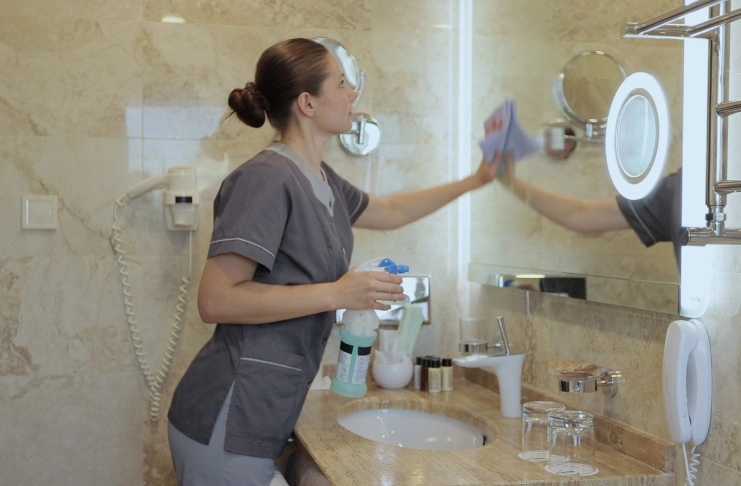
Daily cleaning is the foundation of restroom cleanliness. Skip a day, and you’re already behind.
Here’s your complete bathroom cleaning checklist for daily tasks. This should be done at a minimum twice per day (mid-shift and closing), but high-traffic restaurants may need hourly checks.
1. Toilets and Urinals
Check and clean all toilets every few hours during operating hours.
Apply toilet bowl cleaner inside the bowl. Scrub thoroughly with a toilet brush, ensuring you get under the rim and around the drain. Flush.
Wipe down the entire exterior, including the seat, lid, base, tank, and flush handle. Use disinfectant and a clean cloth.
For urinals, spray disinfectant inside and outside. Scrub with a dedicated brush. Wipe down the exterior and flush mechanism.
Check for clogs or slow drains. Address immediately to prevent flooding.
2. Sinks and Counters
Spray all sinks with disinfectant. Scrub faucets, handles, basin, and the area around sink drains.
Wipe down countertops completely. Remove water spots, soap residue, and any debris.
Polish faucets and fixtures until they shine. Customers notice dull, water-spotted metal.
Check that all sinks drain properly. Hair and debris can clog drains quickly.
3. Mirrors and Glass Surfaces
Spray glass cleaner on clean mirrors and any glass surfaces.
Wipe with a microfiber cloth in circular motions. No streaks allowed.
Check from multiple angles to ensure complete coverage. Smudges show up under different lighting.
4. High Touch Surfaces
These are the bacteria magnets that are constantly touched but cleaned inconsistently.
Wipe down all door handles (including entry, exit, and stall doors) with disinfectant.
Clean light switches and any push plates.
Sanitize paper towel dispensers and soap dispensers (exterior surfaces).
Wipe down baby changing stations if present.
Disinfect grab bars and any other surfaces customers regularly touch.
5. Floor Cleaning
Sweep or vacuum the floor to remove debris, hair, and dirt.
Mop the entire floor with an appropriate floor cleaning solution. Get into corners and behind toilets.
Pay special attention to areas around toilets and urinals where splashes occur.
Use a ‘Wet Floor’ sign while cleaning and keep it in place until the surfaces are completely dry.
For high-traffic periods, spot-mop problem areas as needed between full cleaning sessions.
6. Trash and Supplies
Empty trash bins completely. Don’t just remove the visible bag; check for debris at the bottom.
Replace with fresh trash bags. Wipe down the exterior of trash bins with disinfectant.
Refill all supplies: toilet paper, paper towels, and hand soap.
Check that paper towel dispensers and soap dispensers are functioning properly. Fix or replace broken equipment immediately.
Restock seat covers, feminine hygiene products, and any other amenities you provide.
7. Inspection and Documentation
Walk through the entire restroom as if you’re a customer. What do you see? What do you smell?
Sign the restroom cleaning log with the time and your initials. This creates accountability and helps track the frequency of cleaning.
Note any maintenance issues (broken fixtures, burnt-out lights, loose tiles) for follow-up.
Which Tasks Belong in Weekly Bathroom Deep Cleaning?
Daily cleaning maintains baseline cleanliness. Weekly cleaning tackles the deeper issues that accumulate over time.
Schedule these weekly cleaning tasks during slower periods or before the store opens.
Deep Clean Floors
Daily mopping maintains surfaces. Weekly floor cleaning goes deeper.
Move any mobile equipment or trash bins out of the way.
Sweep or vacuum thoroughly to remove all loose debris.
Apply a stronger cleaning solution or degreaser to tackle built-up grime.
Scrub the floor with a stiff brush, paying attention to grout lines, corners, and edges.
Rinse thoroughly with clean water. Dirty water left behind defeats the purpose.
Consider a floor machine or steam cleaner for tile floors. This removes bacteria and buildup that mopping misses.
Allow ample drying time before reopening. Wet floors are safety hazards.
Detailed Surface Cleaning
Wipe down all walls, especially those around sinks and toilets, where splashes are most likely to occur.
Clean air vents and exhaust fans. Dust and debris accumulate here, affecting air quality.
Scrub grout between tiles. Use a grout brush and appropriate cleaner. Discolored grout can look terrible, even when everything else is clean.
Clean the inside and outside of trash bins thoroughly. Bacteria and odors hide here.
Wipe down the inside of stall doors and walls. Graffiti, stickers, and marks should be addressed immediately.
Polish all metal fixtures until they shine: faucets, flush handles, stall hardware, and door handles.
Equipment Maintenance
Disassemble and clean paper towel dispensers. Dust and paper debris get stuck inside.
Do the same for soap dispensers. Dried soap can clog mechanisms.
Check all flush mechanisms. Adjust or repair anything that is not working perfectly.
Test all faucets for proper water pressure and temperature.
Inspect door closers and hinges. Squeaky or malfunctioning doors need attention.
Sanitation and Bacteria Control
Apply a deep disinfectant to all surfaces, including high-touch areas. Walls, stall dividers, and doors all harbor bacteria.
Clean behind and around toilets thoroughly. This area is often overlooked in daily cleaning.
Sanitize mop heads and cleaning brushes. Dirty cleaning tools spread bacteria instead of removing them.
Replace toilet brushes on a monthly basis, or sooner if they are visibly worn.
Odor Management
Identify sources of persistent odors. Often, the issue is with sink drains, floor drains, or improperly ventilated spaces.
Pour enzyme cleaner down all sink drains to eliminate odor-causing buildup.
Check that exhaust fans are working properly. Poor ventilation causes odor problems.
Replace air fresheners or deodorizers.
Consider professional odor treatment if the problem persists despite thorough cleaning.
What Monthly Bathroom Maintenance Should Restaurants Never Skip?
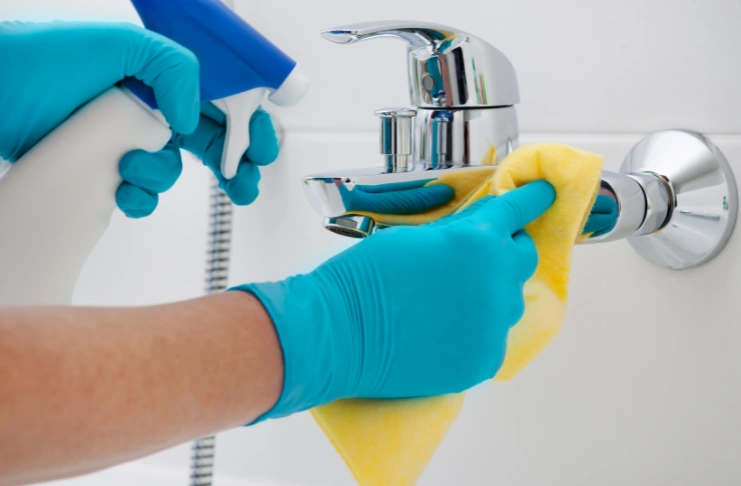
Some cleaning tasks don’t need weekly attention but are critical on a monthly basis.
Comprehensive Inspection
Conduct a thorough walk-through with the mindset of health inspectors. Look for issues you might normally overlook.
Inspect all surfaces for damage, including cracked tiles, peeling paint, and damaged walls.
Inspect plumbing for leaks, rust, or mineral buildup.
Test all lighting. Replace burnt-out bulbs immediately.
Examine doors and locks. Everything should close, latch, and lock properly.
Deep Equipment Cleaning
Remove and thoroughly clean all dispensers (including paper towels, soap, and air freshener).
Clean exhaust fan covers and screens. Remove them if possible and wash thoroughly.
Wipe down light fixtures and covers.
Clean any decorative elements, art, or signage in the restroom.
Professional Services
Schedule professional deep cleaning on a monthly or quarterly basis, depending on the level of traffic.
Consider professional grout sealing if you have tile floors. This prevents staining and makes future cleaning easier.
Have drains professionally cleaned to prevent clogs and odors.
Schedule pest control service. Even clean restrooms can attract pests if the surrounding areas have issues.
Supply Inventory
Review your inventory of cleaning supplies. Reorder anything running low.
Check expiration dates on cleaning products. Some disinfectants lose effectiveness over time.
Evaluate whether your current supplies are working well or if alternatives would be more effective.
Review your stock of toilet paper, paper towels, hand soap, and trash bags. Bulk ordering often saves money.
How Can Restaurants Create an Effective Bathroom Cleaning Schedule?
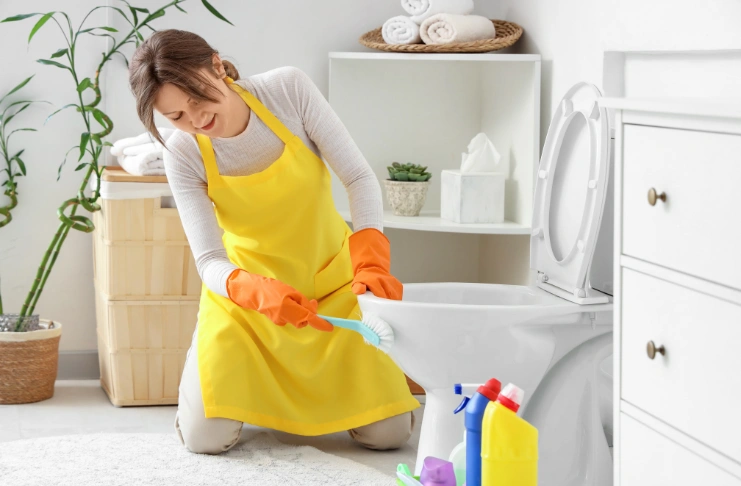
A bathroom cleaning checklist means nothing without a realistic cleaning schedule.
Your cleaning schedule should be based on traffic patterns, not arbitrary timing.
1. Assess Your Needs
High-traffic restaurants need more frequent cleaning. A busy restaurant might need hourly restroom checks during peak hours.
Lower-traffic establishments might manage with twice-daily cleaning, plus spot checks.
Consider your customer volume, hours of operation, and restroom size when planning your business.
2. Assign Tasks to Specific Staff Members
Don’t make bathroom cleaning everyone’s responsibility. That usually means it’s nobody’s responsibility.
Designate specific employees for restroom cleaning during each shift.
Rotate assignments to prevent burnout and ensure that multiple staff members are familiar with the procedures.
Train all employees on proper cleaning protocols, even if they don’t regularly perform these tasks. Backup coverage is essential.
3. Schedule Specific Tasks
Create a clear cleaning schedule that specifies:
- What tasks need to be done
- When they need to be done (hourly, twice daily, daily, weekly, or on a monthly basis)
- Who is responsible
- How long each task should take
Use a restroom cleaning log that staff members sign after completing tasks. This creates accountability.
4. Build in Regular Inspections
Managers should inspect restroom facilities on a daily basis at random times.
Document findings. Praise good work and address issues immediately.
Utilize customer feedback as an additional quality assurance tool. Pay attention to complaints or comments about restroom conditions.
4. Adjust as Needed
Your initial cleaning schedule may need to be tweaked based on actual conditions.
If restrooms are consistently dirty despite following the cleaning schedule, consider increasing the frequency of cleaning.
If you’re finding them spotless during checks, you might be over-cleaning (though that’s rarely a problem in restaurants).
Monitor local health codes and ensure your cleaning schedule meets or exceeds requirements.
How Should Restaurants Train Staff for Consistent Bathroom Hygiene?
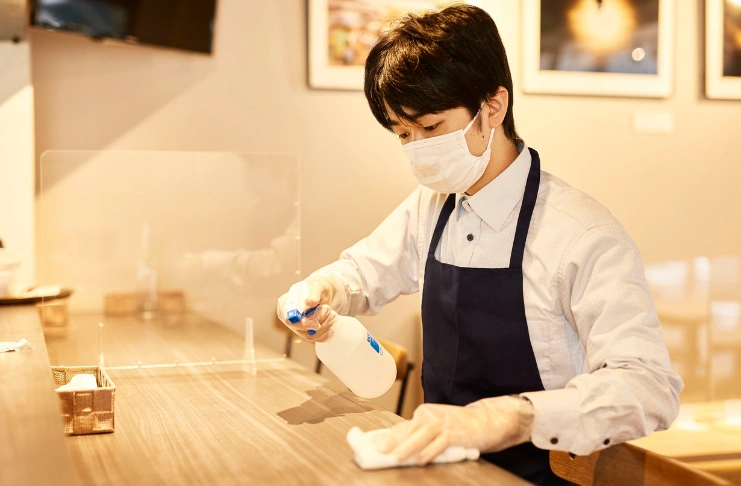
A restaurant bathroom cleaning checklist is worthless if your cleaning staff doesn’t follow it properly.
Proper staff training distinguishes restaurants with consistently clean restroom facilities from those with occasional cleanliness issues.
Initial Training
When onboarding new employees, dedicate time specifically to bathroom cleaning.
Walk through the entire bathroom cleaning checklist together. Demonstrate proper techniques.
Explain why each task matters. Understanding the “why” improves adherence to cleaning protocols.
Show them how to use all cleaning supplies safely and effectively.
Practice together. Have new employees perform cleaning tasks while you observe and provide feedback.
Safety Training
Teach proper chemical handling. Many cleaning products are hazardous if mixed or misused.
Emphasize safety standards: always wear gloves, never mix bleach with other cleaners, and ensure proper ventilation.
Train on preventing cross-contamination. Equipment used in toilets should never be used on sinks or food surfaces.
Teach proper lifting techniques for moving supplies or equipment to prevent injuries.
Quality Standards
Define what “clean” means. Show photos or conduct in-person demonstrations of acceptable vs. unacceptable cleanliness.
Create visual cleaning checklists with photos showing the expected result for each task.
Explain that a well-maintained restroom contributes directly to customer satisfaction and repeat business.
Ongoing Training
Schedule refresher training quarterly. Bad habits develop over time.
When introducing new cleaning supplies or equipment, train everyone on proper use.
Share customer feedback (both positive and negative) with the cleaning staff. They need to know their work is noticed.
Recognize and reward excellent cleaning. This motivates staff members and sets standards for others to follow.
What Are the Most Common Restaurant Bathroom Cleaning Mistakes?
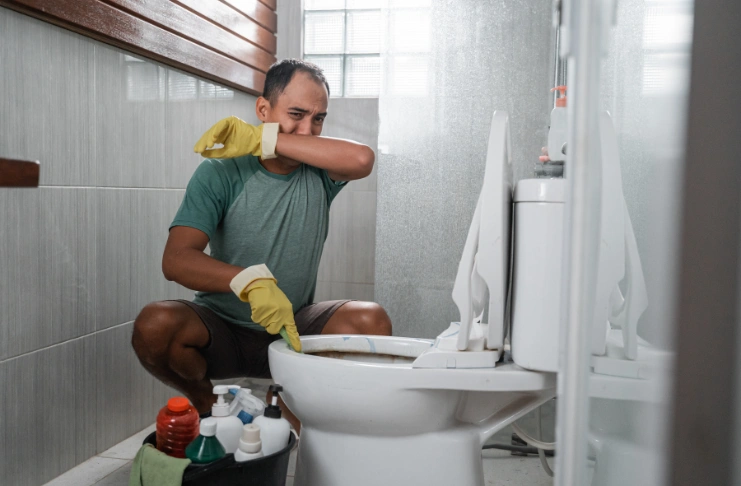
Even with cleaning checklists and schedules, restaurants make predictable mistakes with restroom cleaning.
1. Inconsistent Cleaning
Following your bathroom cleaning checklist perfectly on Monday, but skipping it on Wednesday, destroys trust.
Customers don’t know your schedule. They judge based on their single experience.
Consistency matters more than perfection. A consistently good restroom beats an occasionally perfect one.
2. Using the Wrong Products
Not all cleaners work on all surfaces. Using acidic toilet cleaners on metal fixtures can cause damage.
Read product labels. Use cleaners that are specifically designed for each type of surface.
Don’t assume cheaper products work just as well. Ineffective cleaners waste time and leave bacteria behind.
3. Neglecting High Touch Surfaces
Toilets and sinks get attention. Door handles, light switches, and paper towel dispensers get forgotten.
These high-touch surfaces spread bacteria between customers.
Create a specific list of every surface that gets touched and ensure it’s included in your daily cleaning tasks list.
4. Ignoring Maintenance Issues
A leaky faucet, burnt-out light, or broken lock sends a message: “We don’t care about details.”
Fix maintenance issues immediately. Don’t wait for them to become bigger problems.
Include maintenance checks in your regular inspections. Catch issues before customers notice them.
5. Poor Ventilation
A clean restroom can still smell unpleasant due to poor air circulation.
Verify that exhaust fans operate properly and run continuously during all operating hours.
Clean or replace filters regularly. Clogged filters reduce effectiveness.
Consider air purifiers or enhanced ventilation in problem areas.
6. Cutting Corners During Busy Times
The restroom needs attention most when your restaurant is busiest, yet that’s often when cleaning gets skipped.
Build cleaning into your busy-period workflow. A quick five-minute check during rush periods prevents major problems.
Prioritize the most critical tasks if time is limited: empty trash bins, refill supplies, spot-clean obvious messes.
How Can Restaurants Meet Health Code Requirements for Restrooms?
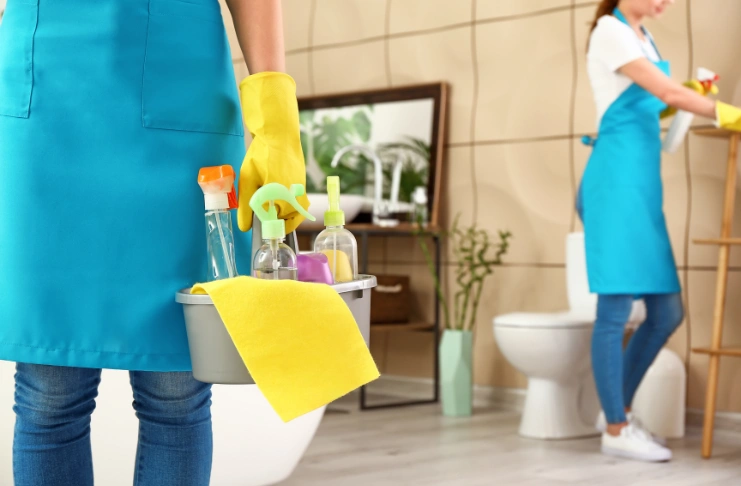
Your restaurant’s bathroom cleaning checklist must comply with local health codes and meet the requirements of health inspectors.
Health inspectors examine restroom facilities carefully during inspections. Violations here often indicate broader hygiene issues.
Know Your Local Requirements
Local health codes vary by jurisdiction. Research your specific requirements.
Common requirements include:
- Hot and cold running water at all sinks
- Hand soap availability at all sinks
- Single-use paper towels or functioning hand dryers
- Covered trash bins
- Proper ventilation
- Easily cleanable surfaces (no carpet in restrooms)
- Self-closing doors
- Proper lighting
Documentation
Maintain your restroom cleaning log meticulously. Health inspectors often request these records.
Document all cleaning tasks with dates, times, and staff signatures.
Keep records of pest control services, plumbing maintenance, and any repairs.
This documentation demonstrates your commitment to maintaining high hygiene standards.
Addressing Violations Quickly
If health inspectors identify issues, address them immediately.
Don’t wait until the re-inspection. Resolve issues on the same day, if possible.
Document corrective actions taken.
Use violations as learning opportunities to improve your overall hygiene standards.
Conclusion
Your restaurant’s restroom facilities are a direct reflection of your overall hygiene standards. Customers often make instant judgments based on the cleanliness of the restroom. Those judgments impact their dining experience, their likelihood of returning, and what they share with others.
A comprehensive restaurant bathroom cleaning checklist ensures that nothing is overlooked. Daily cleaning tasks maintain baseline cleanliness. Weekly deep cleaning tackles accumulated grime. Monthly maintenance catches bigger issues before they become problems.