Running a restaurant is tough. You’re juggling a thousand things at once, and somewhere in the chaos, it’s easy to lose sight of what really matters: your guests.
Here’s the thing: your restaurant customer experience is everything. It’s about creating moments that make people want to come back, tell their friends, and choose you over the dozens of other options they have.
And the numbers back this up. A staggering 86% of consumers are willing to pay more for a better customer experience in restaurants. That’s your opportunity.
What Does Restaurant Customer Experience Really Mean?
Think about the last time you had a truly great meal out. What made it memorable? Was it just the food, or was it something more?
The restaurant customer experience is the sum of everything your guests encounter. It starts when they’re searching for a place to eat online and continues through making reservations, walking in your door, interacting with your staff, eating their meal, and even what happens after they leave.
Today’s customer expectations have shifted dramatically. People want more than just a great meal. They want convenience, they want to feel valued, and they want an experience that justifies leaving their homes.
Think about it: 91% of restaurant clients say they’d return if they had an excellent experience. But here’s the flip side: 88% are less likely to return after a negative one. One bad night can undo months of good work.
Why Does Customer Experience Matter More Than Ever?
You might be thinking you’re already busy enough. But here’s why a solid customer satisfaction strategy matters.
A thoughtful restaurant customer experience strategy directly impacts your bottom line. When 67% of customers say their experience influences their decision to return, you’re basically building relationships.
And those relationships pay off. Word of mouth marketing is still incredibly powerful. When satisfied customers tell others about a positive dining experience, you’re getting authentic marketing that money simply can’t buy.
Here’s what really matters: repeat customers are more valuable than new ones. They spend more, they’re easier to please, and they become advocates for your restaurant’s brand. Customer loyalty is built on consistently great experiences.
The restaurant customer is buying an escape, a celebration, a moment of joy. Your job is to deliver that moment, every single time.
How Does Atmosphere Shape First Impressions?
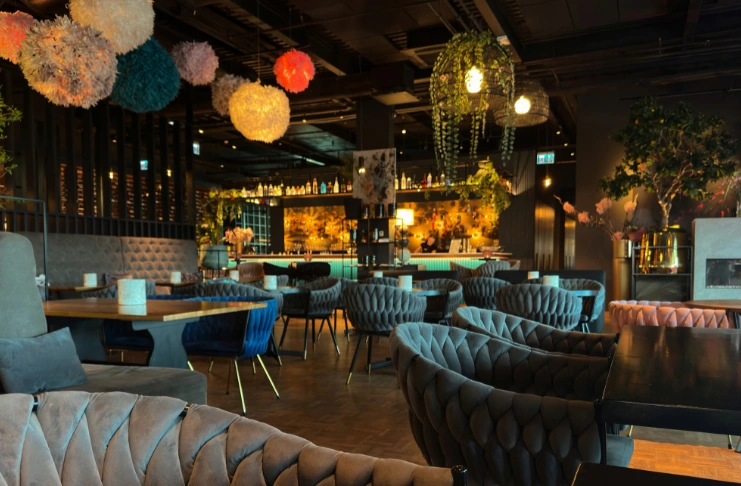
Your welcoming atmosphere speaks before anyone on your team says a word. The moment someone walks through your door, they’re already forming opinions.
Is the dining room clean? Is the lighting right? Does the music fit the mood you’re trying to create? These details matter more than you might think.
Here’s something that might surprise you: 76% of diners say cleanliness directly affects their impression of a restaurant. If your bathrooms are spotless and your tables gleam, you’re already winning half the battle.
Small touches that create an inviting atmosphere:
- Fresh flowers on tables
- Comfortable, well-maintained seating
- Thoughtful spacing between tables for privacy
- Music at the right volume
- Lighting that matches your concept
But atmosphere includes more than what guests see. It’s about how they feel. When your team member greets them with genuine warmth, when the space feels comfortable, when every detail shows you care, that’s when you create magic.
The best part? Creating a great atmosphere requires attention, consistency, and genuine care for your guest experience.
Why Does Your Team Define the Guest Experience?
Let’s talk about something that might shock you: 70% of diners believe friendly service is more important than food quality. Read that again. Your team matters more than what’s on the plate.
This is why you need to train staff continuously. After all, great service is the result of consistent training, clear expectations, and a positive work environment.
What your staff members need to master:
- Deep knowledge of every menu item
- Training on how to handle complaints gracefully
- Permission to solve problems without always asking a manager
- Understanding of how to read different types of guests
- Skills to deliver personalized service that feels natural
When 82% of restaurant customers want staff to be knowledgeable about the menu, expertise becomes essential. Your servers should be able to answer questions, make recommendations, and confidently guide guests through their dining experience.
Here’s something else to consider: happy employees naturally create an exceptional customer experience. If your team dreads coming to work, that energy seeps into every guest interaction. Create a positive work environment, treat your staff well, and that goodwill flows straight to your customers.
Empower your team member to make things right. If a guest’s meal is imperfect, your server should be able to offer a complimentary dessert without having to hunt down a manager. Speed matters when you’re trying to exceed customer expectations.
How Should Technology Support, Not Replace, Hospitality?
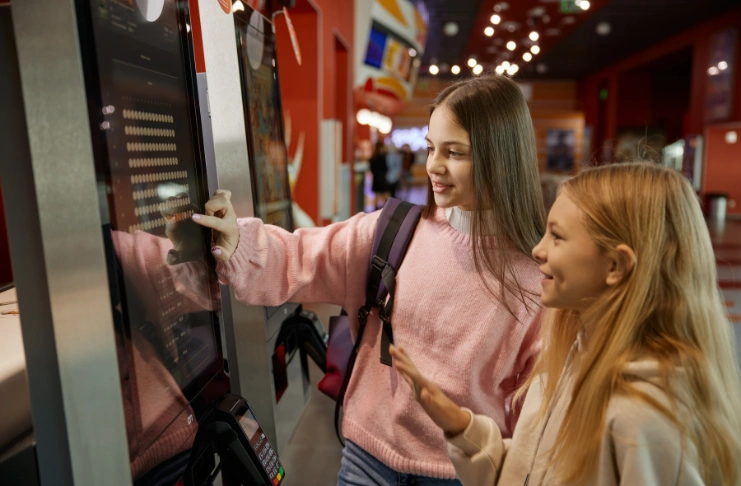
Digital tools have transformed the restaurant industry. Technology should enhance the guest experience and support human connection.
Consider this: 84% of customers prefer to order delivery on a restaurant website rather than through third-party apps. They want to connect directly with you. That’s huge for your restaurant business because it means lower fees and direct customer relationships.
Technology that actually improves customer service:
- Digital menus that you can update instantly when you run out of something
- Point of sale systems that talk to your inventory management
- Simple online reservation systems that reduce phone tag
- QR codes for contactless ordering (60% of guests prefer this now)
- Tools for tracking customer data and preferences
But here’s where many restaurants go wrong: they add technology without thinking about the ordering process from the guest’s perspective. Every digital tool should make things easier.
Online reviews and review sites deserve special attention. Your reputation lives online now, and 90% of customers expect restaurants to respond to online reviews. Make it someone’s job to monitor and respond daily.
The goal of leveraging technology is to free up your staff to do what humans do best: create genuine connections with guests.
Why Is Personalization Now a Baseline Expectation?
Generic service is over. Your guests want to feel seen, known, and valued.
This is where customer data becomes powerful. When you remember that Jane always orders the salmon without sauce, or that the Martinez family celebrates their anniversary with you every September, you’re building customer loyalty one detail at a time.
Ways to create personalized experiences:
- Keep notes on regular customers’ preferences
- Train staff to remember names and faces
- Acknowledge special occasions without being asked
- Tailor recommendations based on what guests have ordered before
- Adjust service pace to match different guests’ moods
A loyalty program gives you valuable insights while making repeat customers feel appreciated.
Here’s the thing about personalization: it requires your staff to pay attention, take notes, and genuinely care. When 55% of restaurant customers want personalized experiences, this is your chance to stand out.
How Do You Balance Speed Without Rushing Guests?

Every guest wants efficient service, but nobody wants to feel rushed. This is one of the trickiest parts of delivering excellent service.
Around 70-80% of people wouldn’t wait for more than 30 minutes for a table at a restaurant. After that, patience evaporates quickly. And 72% of customers say service speed impacts their overall satisfaction. Time matters.
How can you improve service speed without sacrificing quality?
- Use kitchen display systems to organize orders logically
- Train staff on efficient table management
- Keep inventory management tight so you never run out mid-service
- Set up clear communication between the front and back of the house
- Conduct periodic reviews of your workflow to spot bottlenecks
But here’s the nuance: attentive service means reading your tables. Some guests want a quick lunch and out. Others want to linger over wine and conversation. The best servers adjust their approach to match what each table needs.
Streamlining operations behind the scenes matters just as much as what happens in the dining room. When your kitchen runs smoothly, when orders flow efficiently, when nothing falls through the cracks, that’s when you deliver the memorable dining experience guests are looking for.
How Should Restaurants Collect and Act on Guest Feedback?
Customer feedback is a gift, even when it stings. Especially when it stings. But here’s the problem – most restaurants collect feedback and then do nothing with it.
Make it easy for people to share their thoughts. Follow-up emails, comment cards, and quick surveys give customers multiple ways to provide customer input while their experience is still fresh.
How to actually use customer feedback:
- Read every comment, even the hard ones
- Look for patterns in what people mention repeatedly
- Respond to negative feedback quickly and genuinely
- Share positive reviews with your team
- Make visible changes based on what you hear
Data shows that 79% of diners would return if their issue was resolved satisfactorily. That means a complaint is actually an opportunity. When you handle it well, you might create a more loyal customer than you would have if nothing had gone wrong.
Conduct periodic reviews of all your feedback sources: online reviews, direct comments, and survey responses. What are people really saying? What trends can you identify? This is about gathering customer insights that help you improve.
And celebrate the wins. When you get glowing reviews, share them in your team meetings. Let your staff members know what they’re doing right. That positive reinforcement creates a culture that naturally delivers exceptional customer experience.
What Actually Builds Long-Term Customer Loyalty?
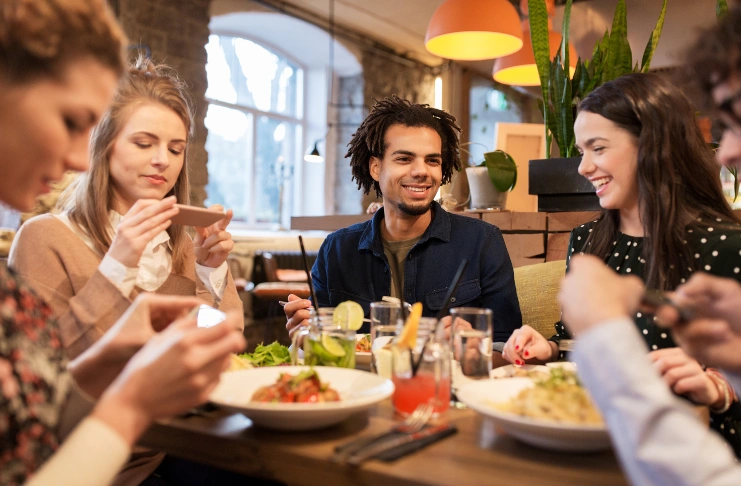
Customer loyalty happens through consistent excellence over time, through building trust that you’ll always deliver a great restaurant customer experience.
Here’s a fact that might change how you think about marketing: it costs far less to keep existing guests than to attract new ones. Customer retention should be a top priority for restaurant owners.
What actually builds lasting loyalty:
- Consistency in both food quality and service
- A loyalty program that offers real value
- Special events that give people reasons to return
- Genuine relationships with your regular guests
- Quick resolution when things go wrong
Word of mouth from loyal patrons carries incredible weight. When 85% of customers will recommend a restaurant after a positive experience, your satisfied customers become your best marketing team.
Track guest satisfaction metrics, but use them as guides to understand where you’re strong and where you need work. The goal is continuous improvement.
Create special events that give loyal customers extra reasons to visit. Wine pairings, seasonal tastings, and chef’s table experiences create memorable experience moments that deepen emotional connections to your restaurant’s brand.
Why Food Quality Still Anchors the Entire Experience?
While exceptional service matters enormously, food quality remains the foundation on which everything else is built.
You can have the friendliest staff in the world, but if the food is mediocre, people will stay away. Both elements need to work together to create a great meal.
Consistency is what separates good restaurants from great ones. When 68% of restaurant guests value consistency in food and service above all else, reliability becomes your competitive advantage. People need to know what they’re getting.
Essentials for food quality:
- Source the best ingredients you can afford
- Maintain strict preparation standards
- Train kitchen staff as thoroughly as front-of-house staff
- Make sure the presentation matches Instagram’s expectations
- Test new menu items extensively before adding them
Speaking of presentation: 66% of customers say food presentation on social media influences their dining choices. Your plating has become part of your marketing strategy, whether you like it or not.
In fact, 60% of consumers are willing to pay more for locally sourced ingredients. Quality sourcing is good for your food and good for your business.
How Do You Orchestrate a Seamless End-to-End Experience?

A successful restaurant brings together hundreds of details into one seamless guest experience. From the moment someone calls for a reservation to when they post about their meal on social media, everything matters.
Think about the ordering process. Is it intuitive? Whether guests are using digital menus, talking to a server, or scanning a QR code, the experience should feel natural and easy.
When restaurant operations run well, guests see none of it. They just feel taken care of. That’s the goal.
Your staff should work together like a well-rehearsed team. When the host, server, food runner, and busser all know their roles and communicate well, service flows beautifully. When there’s confusion or poor coordination, guests feel it immediately.
INDUSTY INSIGHT
| Let’s look at what’s actually happening in the restaurant industry right now: – Roughly 70% of restaurant managers believe that digital innovation improves the overall customer experience. – About 65 % of diners say online reviews influence where they choose to eat. – 61% of consumers are willing to pay more for premium customer service. – Wait time remains non-negotiable. With approximately 83% of guests indicating that service speed is critical to their experience, systems that maintain a steady flow while preserving a relaxed feel are table stakes. Notice something: These trends intersect. Any restaurant that wants to enhance its customers’ satisfaction and encourage repeat visits must invest in reputation management, service differentiation, and process optimization. A good restaurant tech stack does it all. |
What Actions Can You Take to Improve Customer Experience Now?
Start with an honest assessment of your current restaurant customer experience strategy.
Do this:
- Train staff on customer service fundamentals every quarter
- Set up a loyalty program if you have none yet
- Make sure your digital tools actually work well
- Respond to every review site within 24 hours
- Give staff members real power to fix problems immediately
Mystery shop your own restaurant. Have friends visit anonymously and give you honest feedback. The gaps between how you think you’re doing and how guests actually experience your restaurant might surprise you.
Document your standards for everything. When you have clear procedures, new hires learn correctly, and experienced staff stay consistent. Conduct periodic reviews to make sure everyone’s following them.
Empower your team to resolve issues on the spot. The ability to comp an item or offer a complimentary dessert without asking permission means problems get solved before they become online complaints.
Conclusion
The restaurant industry keeps evolving, and customer needs evolve with it. What worked five years ago might be outdated today. What works today might need adjustment tomorrow.
Personalized experiences will get even more sophisticated. As customer data tools improve, you’ll be able to anticipate needs before guests even articulate them. But remember: technology should enhance human connection, not replace it.
Frequently Asked Questions
1. What is customer experience in a restaurant?
Customer experience in a restaurant encompasses every interaction a guest has with your establishment, from reservation to departure, including service quality, food, atmosphere, and overall satisfaction.
2. How can the restaurant customer experience be improved?
Improve the restaurant customer experience by consistently training staff, gathering customer feedback, implementing technology solutions, personalizing service, and maintaining high standards for food quality and cleanliness.
3. What is customer experience with example?
Customer experience is the sum of all interactions. For example, a guest who makes an easy online reservation, receives a warm greeting upon arrival, enjoys attentive service and delicious food, and leaves with a complimentary dessert for their birthday creates a positive, memorable experience.
4. How would you describe good experience in a restaurant?
A good restaurant experience features friendly, knowledgeable staff, prompt service, quality food, clean environment, fair pricing, and personal touches that make guests feel valued and eager to return.
5. What are the three C’s in a restaurant?
The three C’s are Consistency (reliable quality), Courtesy (respectful service), and Cleanliness (maintaining high hygiene standards throughout the establishment).
6. How to create a positive guest experience?
Create positive guest experiences through attentive service, personalized touches, quick problem resolution, clean environments, quality food, efficient operations, and staff empowerment to exceed expectations.
7. How do you make a guest feel special in a restaurant?
Make guests feel special by remembering their preferences, acknowledging special occasions, offering personalized recommendations, providing complimentary touches, and delivering service that anticipates their needs.
8. What makes a good dining experience?
A good dining experience combines excellent food, attentive service, pleasant atmosphere, reasonable wait times, fair value, and personal interactions that make guests feel welcomed and appreciated.
9. What are the 5 meal experience factors?
The five factors are: food quality and taste, service attentiveness and friendliness, restaurant atmosphere and ambiance, value for money, and overall convenience, including wait times and ease of ordering.
10. How would you describe a fine dining experience?
Fine dining features exceptional food prepared with premium ingredients, impeccable service from highly trained staff, elegant atmosphere, extensive wine selections, refined presentations, and attention to every detail that creates an elevated, memorable occasion.