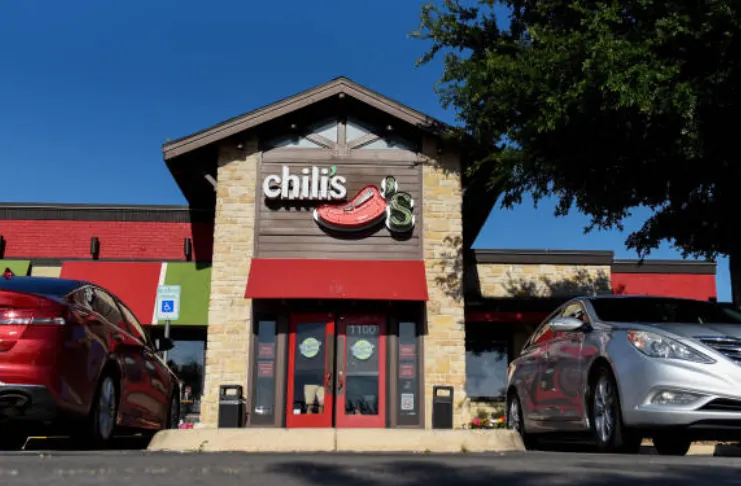

Chili’s Grill & Bar has wrapped up its third year of transformation with a standout 23.7% increase in U.S. same-store sales for the fourth quarter ended June 25, underscoring the momentum of its multi-year rejuvenation strategy. The results mark Chili’s 17th consecutive quarter of positive comp growth, a feat that sets the brand apart in casual dining’s recovery cycle.
A Structural Rebuild
CEO Kevin Hochman pushed back on the notion that Chili’s success was driven by social-media flash. “Those who believe our success was driven solely from a cheese pull on social media are just not close enough to our story,” he said on the company’s Q4 earnings call. Instead, the chain’s turnaround has been anchored in menu simplification, operational upgrades, and disciplined marketing.
Over the past three years, Chili’s has:
- Streamlined its menu to emphasize core categories like burgers, fajitas, crispers, margaritas, and the Triple Dipper.
- Invested in back-of-house kitchen improvements that enhanced consistency in key items such as ribs.
- Expanded its beverage platform, most recently with new frozen and premium margarita programs that have quickly gained traction with guests.
Traffic & Economics on the Rise
The Q4 sales lift was powered by a 16% increase in traffic, outperforming many casual-dining peers. Average unit volumes climbed from ~$3.1 million in FY2022 to $4.5 million in FY2025, while restaurant operating margin expanded to 17.8% in Q4, up from 11.9% three years ago.
Brinker International, Chili’s parent company, has also strengthened its financial footing, reducing more than $570 million in debt over the turnaround period and lowering lease-adjusted leverage to 1.7×.
Chili’s has dramatically expanded its marketing spend, from $32 million in 2022 to $137 million in 2025, amplifying the reach of initiatives like its everyday “3-for-Me” value platform and national campaigns around upgraded core menu items. This dual emphasis on value and quality has helped attract price-sensitive diners while reinforcing brand loyalty.
Industry analysts note that Chili’s relatively restrained pricing moves, compared to fast-casual rivals, have been central to its ability to capture traffic in an inflationary environment.
For fiscal 2026, Brinker projects $5.6–$5.7 billion in revenue and adjusted EPS of $9.90–$10.50, with continued same-store sales gains expected across all quarters. Plans include refreshing a portion of the Chili’s fleet each year through remodels and reimaging, along with product upgrades such as premium toppings and sauces to reinforce food quality.
Hochman has emphasized that traffic remains the brand’s “obsession metric,” with strategies oriented toward sustaining guest count growth rather than relying solely on check averages.
Chili’s rebound demonstrates that casual dining can win again with the right mix of operational rigor, brand clarity, and disciplined value offerings. For other chains looking to re-ignite growth, its playbook may offer a practical blueprint.