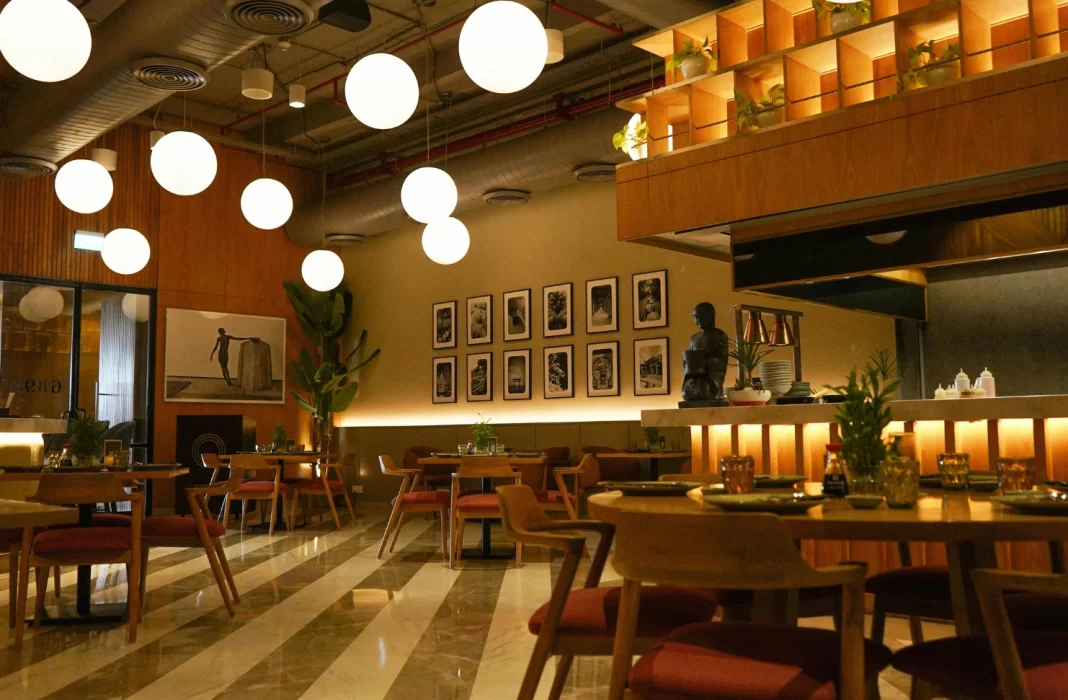

Walking into an outdated restaurant feels like stepping back in time, and not in a good way.
Worn walls, dim lighting, cramped seating, and outdated decor send the wrong message to customers before they even taste the food.
Maybe that’s why U.S. industry experts recommend a restaurant renovation every 5 to 10 years.
This guide offers actionable restaurant remodel ideas to ensure your space upgrade maximizes both its aesthetic appeal and efficiency.
What Is the Financial Reality of Restaurant Renovation?
Planning to renovate your restaurant and wondering how much does it cost? Here’s a complete breakdown:
Restaurant renovation costs in urban cities typically range from $200 to $350 per square foot, though this varies dramatically based on your location and the scope of work.
For a 2,000-square-foot space, that translates to a ballpark of $600,000 to $700,000 for a full remodel, excluding furniture, fixtures, and equipment.
Targeted updates or partial renovations (such as kitchen upgrades or accessibility improvements) can come in lower, but even then, costs often start around $50 per square foot for construction and $80 per square foot for equipment, meaning a focused refresh could still run $100,000 to $200,000+.
The good news? Statistics indicate a potential 40% boost in sales through strategic remodeling.
That means when you renovate your restaurant, you’re not just spending money on aesthetics – you’re investing in increased profits that can pay for themselves over time.
How Do You Plan a Successful Restaurant Renovation Project?
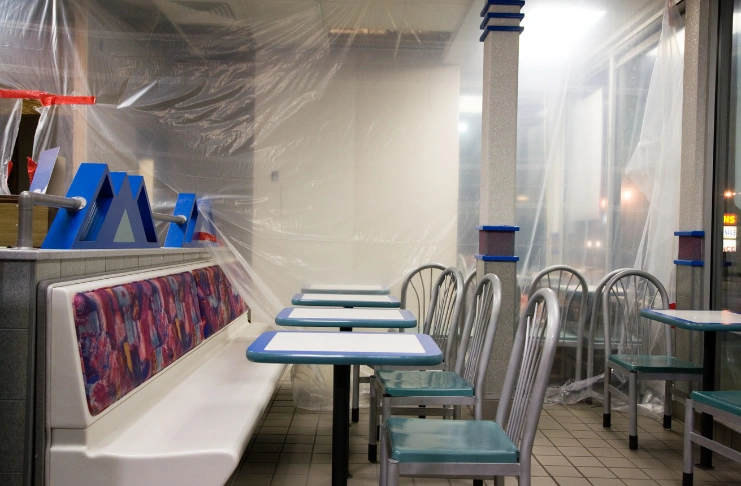
Every successful restaurant renovation project plan starts with a solid checklist. And it has nothing to do with creating a massive to-do list that overwhelms everyone. Instead, the goal is to create a roadmap that keeps you and your team focused on what matters most.
Your renovation checklist should cover the basics: budget planning, permit requirements, contractor selection, and timeline development.
Don’t forget to include contingency planning in your restaurant renovation checklist, because few factors can derail a project faster than unexpected surprises hiding behind those walls.
What Should You Know About Restaurant Renovation Timelines?
The significance of restaurant renovation timelines cannot be overstated. The duration of a project is contingent on the existing space and the scope of your plans.
Typically, renovating a previous restaurant takes between 4 and 12 weeks, with quicker projects completing in 4 weeks and more extensive restaurant renovations requiring an average of 12 weeks, excluding design and permitting phases.
Planning takes 2-4 weeks, actual construction varies from 4-12 weeks depending on complexity, and you’ll need another week or two for final preparations before reopening.
The restaurant renovation process moves faster when you have experienced restaurant renovation contractors who understand the unique challenges of food service environments.
How Can You Make Every Square Foot Count?
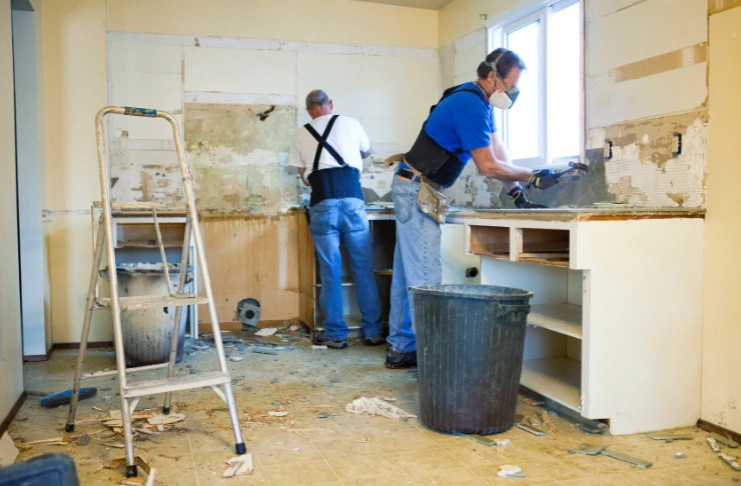
Your restaurant space needs to work hard for every dollar you invest. Smart space planning can help you seat more guests without expanding your footprint or making the dining room feel cramped.
Consider how customers flow through your space. The bar area often gets overlooked during renovations, but this space can serve waiting guests and generate high-margin sales.
Your dining area layout should promote smooth service while creating intimate spaces where customers feel comfortable.
Modern restaurants are embracing flexible seating options and modular layouts that adapt throughout the day. You might configure tables for solo diners during lunch and larger groups for dinner service.
Which Kitchen and Operational Upgrades Drive Restaurant Efficiency?
Your commercial kitchen deserves careful attention during any restaurant renovation project. This space must balance efficiency, safety, and regulatory compliance while supporting your menu and service style.
New equipment can improve food quality and reduce labor costs, but evaluate whether you actually need replacements or if refurbishing existing pieces might save money.
Critical issues like outdated electrical wiring, inadequate ventilation, or workflow bottlenecks should take priority over cosmetic improvements.
Utility work often represents a significant portion of renovation costs, but upgrading infrastructure now prevents expensive emergency repairs later. Structural changes to improve kitchen flow can dramatically impact service speed and staff satisfaction.
How Do You Create an Atmosphere That Customers Love?
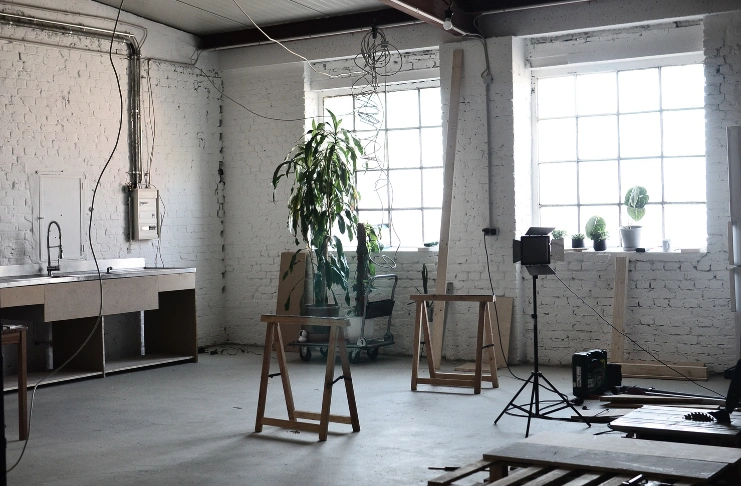
Today’s diners expect more than functional spaces. They want environments that enhance their dining experience and give them reasons to stay longer and return more often.
Lighting plays a crucial role in setting such an ambiance. Layer different types of lighting to create a mood while ensuring adequate illumination for safety and comfort. The right lighting can make your food look more appealing and help customers feel more relaxed.
Remember: Your restaurant’s interior should reflect your brand personality while appealing to your target audience. Color choices, texture combinations, and decor elements work together to create a first impression that either draws customers in or sends them looking for other restaurants.
INDUSTRY INSIGHT
| Biophilic design elements featuring natural light, plants, and organic textures are gaining significant traction, especially among Gen Z and millennial diners who value sustainability. These interior design choices create spaces where customers feel more relaxed and connected to their environment. |
How Should Restaurants Integrate Technology for Modern Dining?
Digital integration has become a baseline expectation in modern restaurant design. Your renovation should incorporate technology that improves both customer experience and operational efficiency without overwhelming the human elements that make dining special.
QR code menus offer flexibility and cost savings while meeting customer expectations for contactless options. Interactive surfaces or ambient screens can showcase daily specials or tell your brand story during wait times.
Don’t forget infrastructure basics like adequate power outlets, robust WiFi, and charging stations. These details matter to customers who expect to stay connected during their dining experience.
How Can You Manage Renovation Costs Effectively?
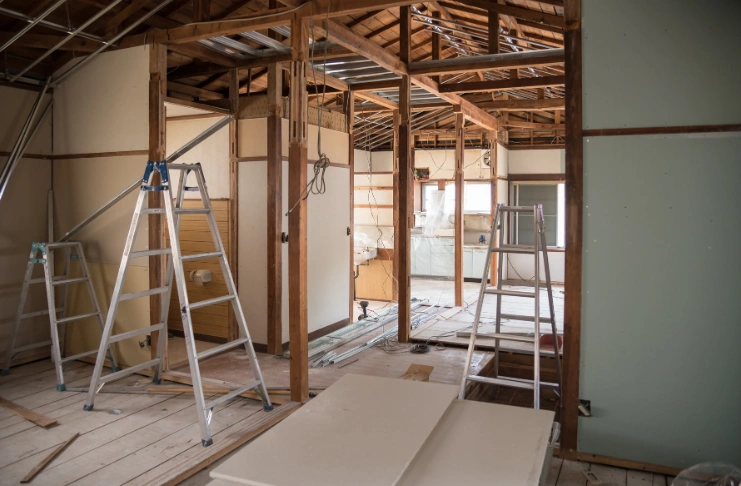
Restaurant renovation services vary widely in quality and price. Working with contractors who specialize in restaurant projects can save money in the long run because they understand food service requirements and local regulations.
Get detailed quotes that break down labor, materials, and other costs. Always budget for unexpected expenses – most renovation projects encounter surprises that add 10-20% to initial estimates. Smart planning helps you save money without compromising on elements that directly impact customer experience.
Consider phased renovations if budget constraints are tight. You might renovate the dining room first while keeping the kitchen operational, then tackle kitchen upgrades during a slower season.
How Do You Stay Current with Restaurant Design Trends?
Latest trends in restaurant design focus on flexibility and sustainability. Multi-functional furniture allows spaces to adapt for different occasions throughout the day. Solo diners, families, and business meetings all have different needs, and smart design accommodates these varying requirements.
Sustainable materials and energy-efficient systems appeal to environmentally conscious customers while potentially reducing long-term operating costs.
However, don’t chase every trend – focus on elements that align with your brand and target audience preferences.
What Should You Look for When Working with Professional Renovation Teams?
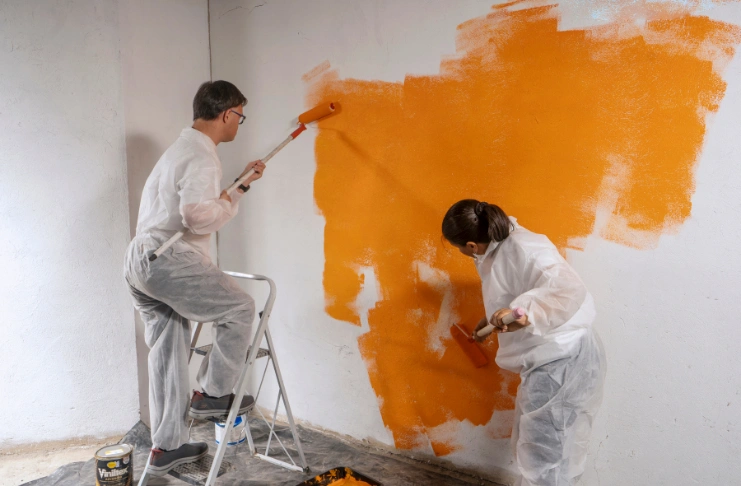
Successful restaurant renovations require coordination between designers, contractors, and other specialists.
Restaurant renovation contractors should have specific experience in commercial food service environments and understand the regulations that apply to your business.
Stay hands-on throughout the renovation process without micromanaging every detail. Regular communication with your project team prevents small issues from becoming major problems. Pay close attention to progress milestones and quality standards.
How Can You Maximize Customer Impact Through Design?
Your renovated space should attract customers and encourage them to spend more time and money. Every element from tables and seating to room layout and overall ambiance should work together to create experiences that more guests will remember and recommend.
Focus on details that make customers feel welcome. Comfortable seating, appropriate noise levels, and thoughtful touches that reflect your restaurant’s personality all contribute to positive experiences that drive repeat business.
How Do You Maintain Operational Efficiency After a Renovation?

A well-planned renovation improves more than appearance. Better workflow, upgraded equipment, and improved staff areas can reduce labor costs and improve service quality.
Track these operational improvements alongside aesthetic changes to measure the full return on your renovation investment.
Consider how your new space will handle busy periods. More seating isn’t always better if it creates service bottlenecks or makes the space feel cramped. The goal is to create a new space that feels comfortable even when you’re at capacity.
What Are the Best Practices for Long-Term Renovation Maintenance?
Your renovation investment needs protection through regular maintenance and periodic updates. Develop maintenance schedules for all new elements and plan for incremental improvements between major renovations.
Industry experts suggest a restaurant renovation every 5 to 10 years to maintain competitive appeal. However, many successful restaurants make smaller updates more frequently to address changing customer preferences and maintain that fresh appearance that attracts new customers.
Which Common Renovation Mistakes Should Restaurants Avoid?
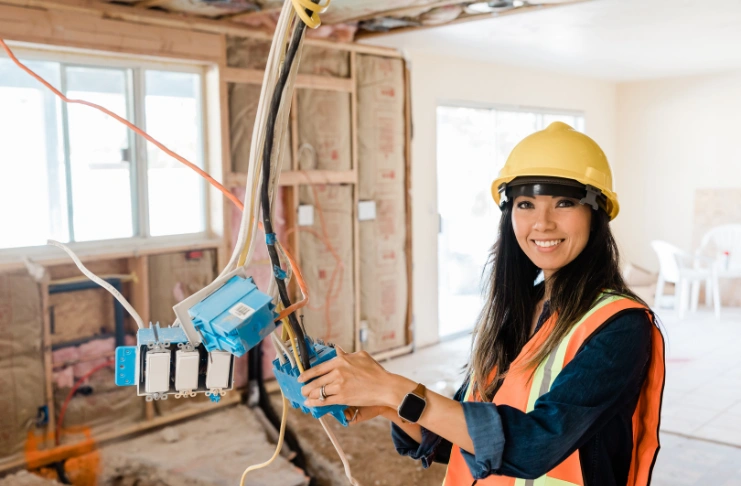
Many restaurant owners underestimate the complexity of renovation projects. Poor planning leads to budget overruns, extended timelines, and results that don’t meet operational needs.
Don’t sacrifice functionality for aesthetics. Beautiful designs that ignore practical requirements create ongoing problems for staff and ultimately impact customer service quality.
Other tasks like permit acquisition and utility coordination take longer than expected, so build buffer time into your restaurant renovation timeline.
How Do You Measure the Success of a Restaurant Renovation?
Track specific metrics after reopening to evaluate your renovation’s impact.
Monitor changes in average ticket size, customer frequency, and overall revenue. Customer feedback about your new space provides valuable insights into which changes resonate most with your target audience.
Operational improvements like faster table turns, reduced labor costs, or improved staff satisfaction indicate that your renovation is delivering benefits beyond just visual appeal.
How Can Restaurant Design Build Customer Loyalty?
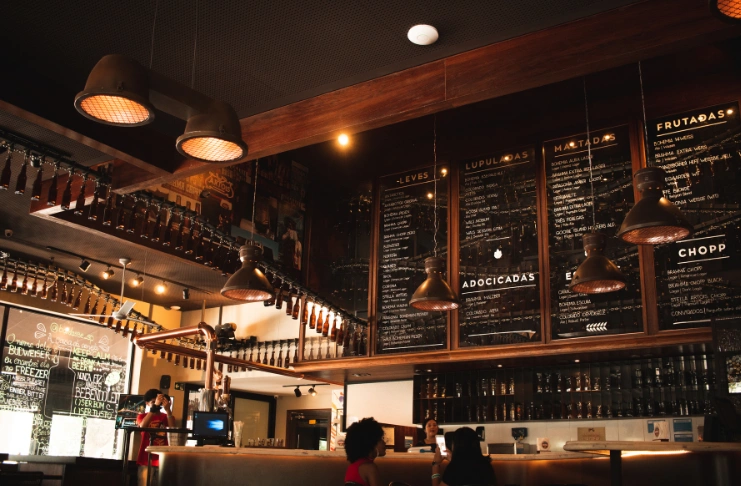
The many benefits of thoughtful restaurant renovation extend far beyond immediate aesthetic improvements. When customers feel good in your environment, they stay longer, order more, and become advocates for your business.
Your renovated restaurant should create experiences that make more customers choose you over competitors. Focus on elements that enhance the customer experience while supporting your operational goals and brand identity.
The renovation depends on your specific situation, but the principles remain consistent: create spaces where customers love to spend time, support efficient operations, and reflect your restaurant’s unique personality.
When done right, restaurant renovations deliver new life to your business and provide a foundation for sustained growth in the competitive restaurant industry.
Conclusion
Restaurant renovation represents one of the smartest investments you can make in your business. With 40% sales increases possible through strategic remodeling and 72% of diners influenced by design, the numbers speak for themselves.
Remember: The restaurant renovation process requires careful planning, realistic budgeting, and attention to both aesthetic and operational details. Whether you’re working with a modest budget for targeted improvements or planning to renovate a restaurant to T, focus on changes that enhance the customer experience while improving your bottom line.
Frequently Asked Questions
1. How to renovate an old restaurant?
Start by assessing your current space, developing a detailed renovation checklist, securing proper permits, and working with experienced restaurant renovation contractors. Focus on critical issues first, then address aesthetic improvements that align with your brand and target audience.
2. How much does restaurant refurbishment cost?
Restaurant refurbishment costs typically range from $175 to $750 per square foot, depending on the scope of work, location, and quality of materials. A complete renovation might cost $300,000 or more, while minor updates can be completed for $50,000-$100,000.
3. What is a restaurant renovation?
A restaurant renovation is the process of updating, improving, or completely transforming a restaurant’s physical space, including dining areas, kitchen facilities, and overall design. The renovation depends on goals ranging from simple cosmetic updates to complete structural changes.
4. Do the people on kitchen Nightmares pay for the renovations?
The show typically covers renovation costs as part of the program’s production budget, though specific financial arrangements vary by case and are generally kept confidential by the production company.
5. How often do restaurants get remodeled?
Industry experts suggest restaurants should undergo major renovations every 5 to 10 years to stay competitive. However, many successful restaurants make smaller updates more frequently to maintain a fresh appearance and address changing customer preferences.
6. How do you modernize an old restaurant?
Modernize by incorporating current design trends, upgrading technology integration, improving lighting systems, updating furniture and decor, and ensuring your space reflects contemporary dining expectations while maintaining your brand identity.
7. How often should a restaurant renovate?
Plan for major renovations every 5-10 years, with smaller updates every 2-3 years. The frequency depends on factors like customer feedback, competitor activity, equipment condition, and changing industry trends.
8. How can I make my restaurant more cozy?
Create a cozy atmosphere through warm lighting, comfortable seating, appropriate color schemes, sound management, and personal touches that reflect your restaurant’s personality. Small details like plants, artwork, and texture variations can significantly impact how customers feel in your space.
9. How to modernize an old restaurant?
Focus on contemporary design elements, integrate modern technology, update your commercial kitchen equipment, improve the customer flow, and ensure your space appeals to current dining trends while preserving any historical charm that adds character to your restaurant.