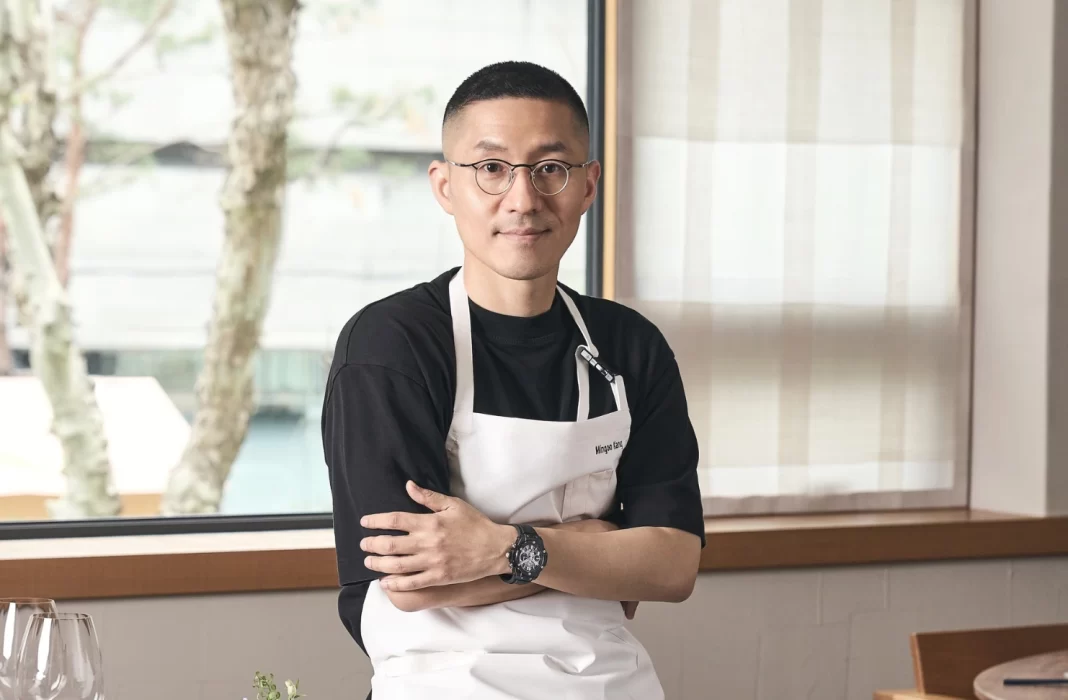

In 2014, while Seoul’s fancy restaurants were kissing up to French chefs and Italian traditions, Mingoo Kang opened Mingles in Cheongdam-dong and basically said Korean food is good enough. Deal with it.
It’s now been eleven years; Mingles has become Korea’s first three-Michelin-starred restaurant. And the whole world is going gaga over it.
This is the story of how Mingoo Kang took Korean cuisine from street food stereotypes to fine dining royalty.
The Guy Who Almost Never Came Home
Kang could have stayed abroad forever. After training under Martin Berasategui in Spain and running kitchens at Nobu in Miami and The Bahamas, the world’s best restaurants wanted him. He was the youngest head chef at Nobu Bahamas. The international circuit was his for the taking.
But then he had his moment of truth.
“I had been eating Korean food my whole life, but the moment I realized that the Korean food I could make was limited to home cooking, I had to study it more professionally,” Kang told Robb Report Hong Kong. The confession hits hard because here was the guy who thought he knew Korean food, only to discover he knew nothing about cooking it properly.
So he went back to school. Korean cooking school. He found the masters: Buddhist monk Jeong Kwan, whose temple food philosophy would change his whole approach, and Cho Hee-sook, the godmother of Korean cooking, who taught him that “constantly studying and exploring” was “the secret to presenting creative Korean food without going beyond the boundaries of Korean food.”
The Genius of Jang
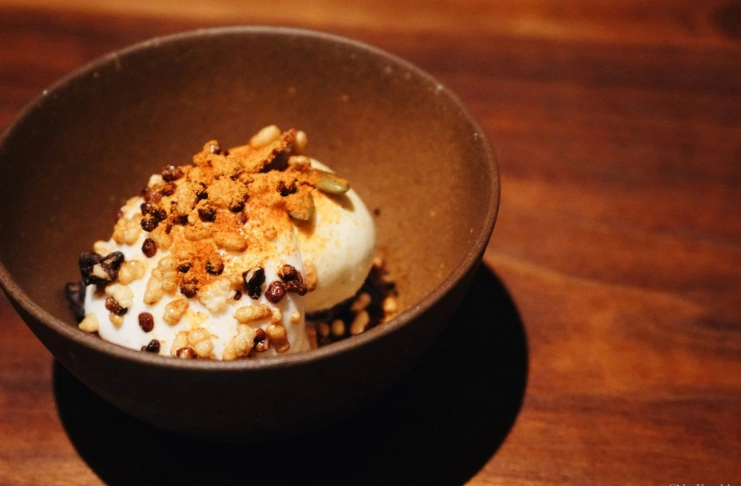
For Mingoo Kang, everything leads back to jang: Korea’s fermented pastes that carry centuries of technique in every spoonful. Doenjang. Ganjang. Gochujang. Ingredients most diners outside Korea couldn’t name. Kang made them unforgettable.
“It isn’t Korean food without some incorporation of jang; it is the magic ingredient in our cuisine,” Kang said in a 2023 interview with the JoongAng Ilbo. He spent four years studying these ancient ferments. Literally, four years. For sauce.
But watch what he does with them. Doen Jang Crème Brûlée. Gan Jang Pecan. Gochu Jang powder in a dessert. He takes the most Korean ingredients imaginable and turns them into something that would stop a French pastry chef mid-whisk. This is what genius looks like.
Global Conquest Through Authentic Rebellion
Most chefs go international by watering down their food. Making it “accessible.” Kang did the opposite. His 2020 expansion to Hong Kong with Hansik Goo was, in fact, a declaration of war against culinary mediocrity.
“Hong Kong is open to food and respects cultural diversity,” Kang said in a 2021 interview with Asia’s 50 Best Restaurants. “It is one of the best gourmet cities in the world beyond Asia.”
Smart move. Hong Kong’s diners are globally fluent. They didn’t need Korean food translated. That’s why Hansik Goo earned a Michelin star in 2022. It served unapologetically Korean flavors, rooted in tradition but elevated with precision.
The Dish That Changed Everything
The Mingling Pot tells you everything about Kang’s philosophy. “It recreates the soup culture, dumpling culture, and wrap culture of Korean cuisine with seasonal ingredients,” he explained to Robb Report Hong Kong. “Many ingredients and techniques are put into one bowl, and it’s completed with broth made from anchovies and seasoned with Mingles’s ganjang.”
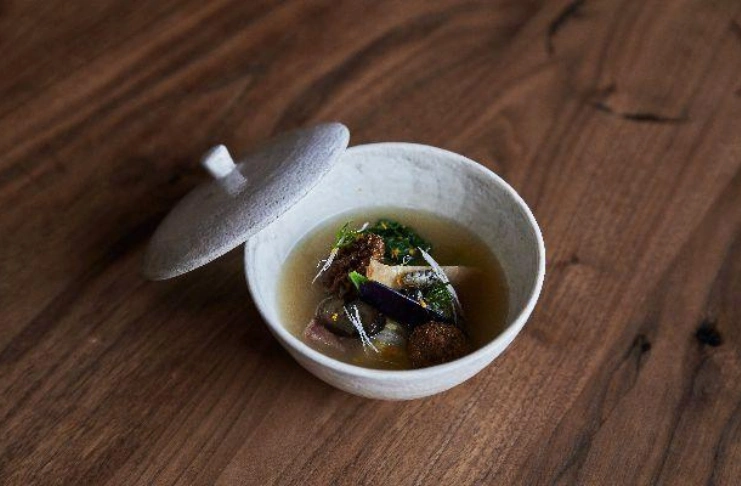
One dish. Three Korean food traditions. Executed perfectly. This is how you make a statement without saying a word.
For decades, Korean food has been chopped up into pieces. Bulgogi here, bibimbap there, kimchi everywhere. Tourists ate Korean barbecue and thought they understood the cuisine. Kang showed them what authentic Korean food really meant.
The Seasonal Manifesto
Mingles operates on a simple principle: use what’s in season, use what’s local, and make it perfect.
“Each dish begins with carefully selected seasonal ingredients sourced from both the bountiful land and ocean. Fruits, vegetables, and seafood that capture the taste of the season are transformed through our hands.”
This sounds basic, but it’s revolutionary in practice. Kang forces international diners to try bellflower root and acorn jelly, ingredients they’ve never seen before. He makes them expand their palates.
The Bigger Picture
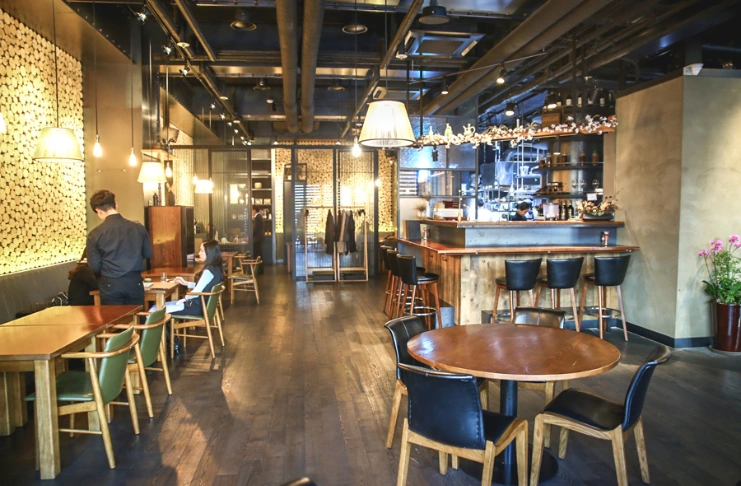
Kang’s influence goes way beyond his own restaurants. He created a playbook for how to take regional cuisine global without selling out. His upcoming cookbook on jang will teach the world what Korean fermentation really means.
“My mission is to promote Korean cuisine,” Kang declared in 2023. “It has been in the past, and it will continue to be my most important endeavor.” Mission accomplished. When food writers talk about Asian cuisine’s future, they start with Kang’s innovations.
The Revolution Delivered
Mingles proves something powerful: authenticity wins when you execute it perfectly. Kang made the world come to Korean cuisine instead of the other way around. He demanded respect and got it.
The kid who dreamed of being a chef while eating kimbap became the man who put Korean cuisine on the global map. Three Michelin stars. Asia’s top 5. World recognition. All because he refused to compromise.
That’s how you change the world. One perfect dish at a time.