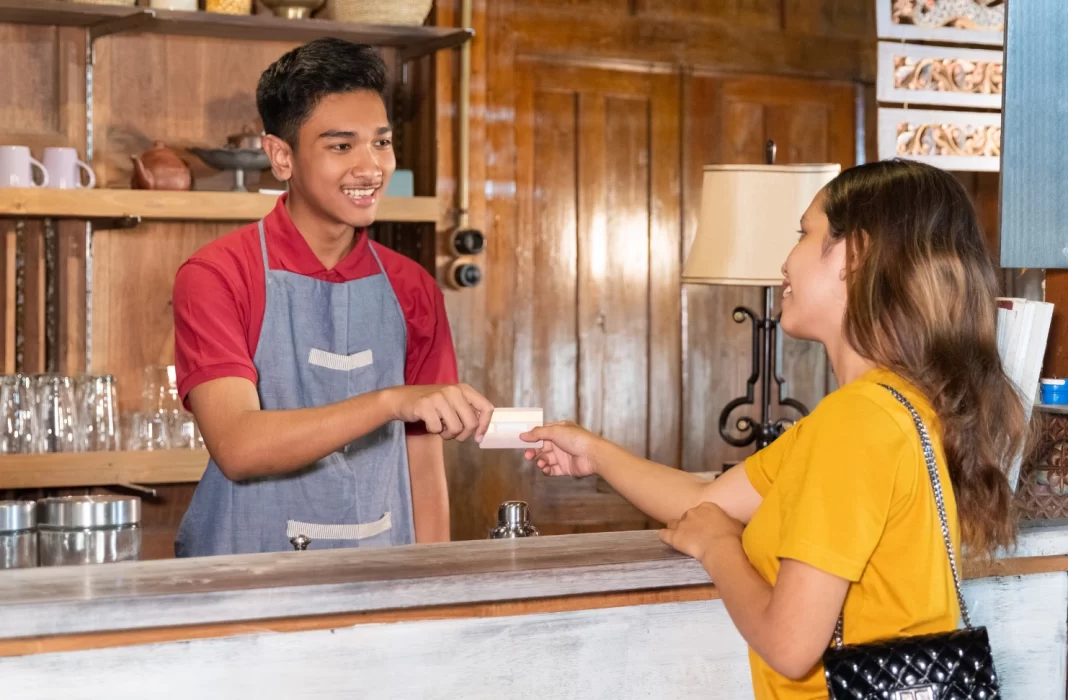

Your restaurant customer experience strategy determines whether diners become loyal customers or leave disappointed. Why? Every interaction shapes a person’s perception of your restaurant’s brand, which directly influences their decision to return. This ripple effect extends far beyond a single meal.
It encompasses every touchpoint, from when guests discover your restaurant online to when they share their dining experience with friends.
This guide shows you how to transform ordinary visits into personalized experiences that drive repeat visits and positive reviews. Here you go!
What Makes Restaurant Customer Experience So Important?
Restaurant customer experience directly impacts your bottom line because satisfied customers become loyal patrons who generate consistent revenue.
These loyal customers also become your most effective marketers, recommending your establishment to friends and family through word of mouth.
Not to mention, a great restaurant customer experience creates a competitive advantage in today’s crowded restaurant industry. When customers expect more than just good food, exceptional service becomes your key differentiator against competitors who focus solely on menu offerings.
How Can You Measure Your Current Customer Experience?
Customer feedback provides the foundation for improving your restaurant’s customer experience. Without understanding what your guests actually think, you’re operating blind to both problems and opportunities that could transform your business.
Start by collecting feedback through multiple channels to get comprehensive customer insights that paint the full picture. This multi-channel approach ensures you capture detailed feedback from different customer segments and situations.
Set up simple feedback collection systems like:
- Comment cards on tables
- Digital feedback forms via QR codes
- Follow-up emails after dining
- Social media monitoring
Online reviews on review sites like Google, Yelp, and TripAdvisor reveal honest customer opinions about your restaurant experience. These platforms give you unfiltered insights since customers often share details they wouldn’t mention face-to-face here. Monitor these platforms regularly to identify trends and areas for improvement.
Train staff to ask for verbal feedback during service, as this creates opportunities for on-the-spot problem-solving. This way, your team can gauge customer satisfaction in real-time and address issues immediately.
Track key metrics like the number of repeat visitors, average order value, and customer complaints to measure your progress objectively.
What Are the Core Elements of Exceptional Service?

Attentive service begins with proper staff training, but it goes deeper than just knowing procedures. Your team members must understand how to read customer needs and respond appropriately without being intrusive or overwhelming guests.
Speed matters in restaurant service, but efficiency trumps rushing through interactions. Customers expect reasonable service speed while maintaining food quality and accuracy in the ordering process. The goal is smooth, professional service that feels effortless.
Consistency creates trust between your restaurant and every guest who visits. Every restaurant customer should receive the same level of excellent service regardless of when they visit or who serves them.
Key service standards to implement:
- Greet guests within 60 seconds of seating
- Check on tables within 5 minutes of food delivery
- Clear empty plates promptly
- Offer assistance without hovering
A good service calls for anticipating needs before customers ask. Stock tables with essentials, refill drinks proactively, and notice when someone needs help with menu items.
How Do You Create a Welcoming Atmosphere That Draws People In?
It all starts at the entrance. First impressions happen within seconds of guests walking through your door.
Cleanliness tops customer priorities. Study shows that 92 percent of customers are influenced by the cleanliness of your business. 57% say that a clean dining table is more important than the quality of the food. 73% report that a smelly restroom is worse than receiving the wrong food order.
Next comes lighting. Adjust brightness levels based on your restaurant concept and time of day. Warm lighting creates intimacy, while brighter settings work for casual dining.
Music also influences customer behavior and dining duration. Choose background music that matches your restaurant’s brand without overwhelming conversation.
Which Training Methods Work Best for Restaurant Staff?
Train staff on both technical skills and soft skills for delivering an exceptional customer experience. Role-playing exercises help team members practice handling different customer situations.
Create detailed service standards that outline every step of the guest experience. Document procedures for greeting, seating, taking orders, and handling complaints.
Regular training sessions keep skills sharp and help introduce new techniques. Schedule weekly team meetings to discuss customer feedback and service improvements.
Cross-training builds versatility and ensures consistent service even when staff members are absent. Every employee should understand basic front-of-house and back-of-house operations.
That said, always recognize and reward staff who deliver excellent service. A positive work environment encourages employees to provide better customer service consistently.
How Can Technology Improve Your Customer Experience?
Digital tools streamline operations and enhance guest experience without replacing human interaction. 75% of delivery customers say tech-enabled ordering and payment are important when choosing a restaurant.
Digital menus via QR codes offer flexibility and reduce printing costs. It allows you to update menu items and prices instantly while providing detailed descriptions and allergen information.
Point-of-sale systems speed up ordering and payment processes. Most modern POS systems integrate with inventory management and customer data tracking for even better restaurant operations.
What Role Does Food Quality Play in Customer Satisfaction?
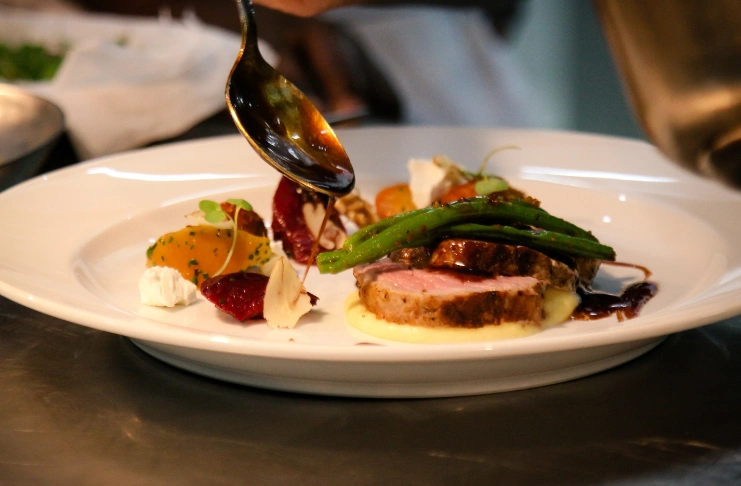
Food quality forms the foundation of every great restaurant customer experience. According to a report, 68% of diners ranked food quality as the most important factor when deciding where to eat. It, in fact, outranked location (66%), customer service (64%), and price (62%).
Consistency in preparation and presentation builds customer trust. Every plate should meet the same standards regardless of which kitchen staff member prepares it.
Fresh ingredients make a noticeable difference in taste and presentation. Establish relationships with reliable suppliers and implement proper inventory storage.
Plus, menu items should reflect your restaurant’s brand and target audience. Regularly review and update offerings based on customer input and seasonal availability.
How Do You Handle Customer Complaints Effectively?
Address complaints immediately to prevent negative experiences from escalating. Train staff to listen actively and empathize with frustrated customers.
Here, the LAST method works well for complaint resolution:
- Listen to the customer’s concern completely
- Apologize sincerely for the problem
- Solve the issue quickly and fairly
- Thank them for bringing it to your attention
Document complaints to identify recurring issues that need systematic solutions. Track complaint types, frequency, and resolution outcomes.
Follow up after resolving complaints to ensure customer satisfaction. A simple phone call or email shows you care about their experience.
What Makes a Loyalty Program Actually Work?
Effective loyalty programs reward frequent customers while encouraging repeat visits. Eighty percent of adults say being part of a loyalty program influences where they choose to dine.
INDUSTRY INSIGHT
| In 2024, 50% of restaurants struggled to retain repeat customers, underscoring the urgent need for experience-driven loyalty strategies. With 41% of full-service diners and 61% of delivery customers citing loyalty programs as key decision factors, the stakes are high for brands that fail to deliver memorable, personalized experiences. In fact, restaurants that implemented targeted loyalty initiatives saw up to 75% traffic growth in limited-service formats. |
How Can You Personalize Each Guest’s Experience?
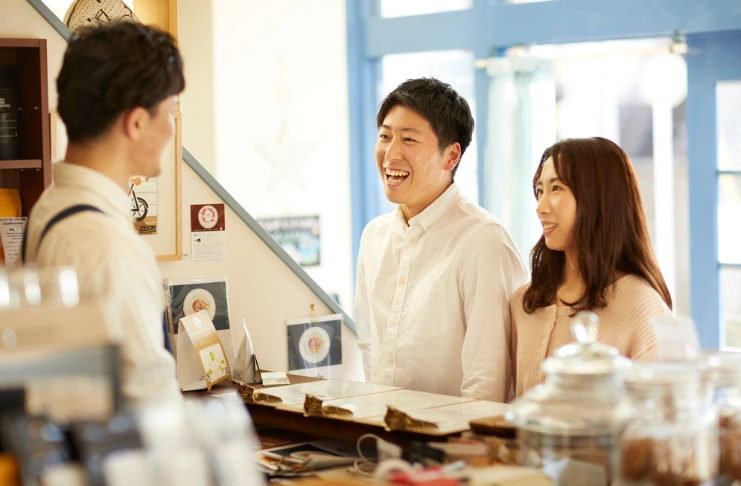
Collect customer preferences during visits and through digital interactions. Note dietary restrictions, favorite dishes, and special occasions in your customer database.
Remember returning customers’ names and preferences. This personal touch makes guests feel valued and creates emotional connections to your restaurant.
Customize recommendations based on previous orders and stated preferences.
Special occasions also deserve special treatment. Offer complimentary desserts for birthdays or anniversaries to create memorable experiences.
Which Metrics Should You Track for Customer Experience?
Monitor customer satisfaction through multiple data sources. Combine quantitative metrics with qualitative feedback for comprehensive insights.
Key performance indicators for restaurant experience:
- Customer retention rate
- Average order value
- Online reviews – Ratings and comments
- Complaint resolution time
- Staff turnover rates
Online reviews reveal customer perceptions and highlight improvement opportunities. Respond to reviews professionally to show you value customer feedback.
Repeat customers indicate successful customer experience strategies. Track return visit frequency and spending patterns to measure loyalty.
Remember: Regular analysis helps identify trends and adjust strategies before problems impact customer satisfaction. So, keep at it.
How Do You Create Memorable Special Events?
Events differentiate your restaurant and create talking points for social media sharing. Plan events that align with your restaurant’s brand and target audience.
Theme nights, wine tastings, and chef collaborations attract new customers while giving regulars fresh experiences. Promote these events through multiple channels, including social media and email marketing.
Event planning considerations:
- Adequate staffing for increased volume
- Special menu items or pairings
- Reservation management systems
- Photography for marketing materials
- Follow-up marketing to attendees
Document successful events to replicate what works and improve what doesn’t. Any relevant feedback from special events provides valuable insights for future planning.
What’s the Secret to Managing Customer Expectations?

Set realistic expectations through accurate marketing and transparent communication. Overpromising leads to disappointment even when the service is objectively good.
Menu descriptions should accurately represent portion sizes, ingredients, and preparation methods to avoid dissatisfaction.
Wait time communication prevents frustration. Update guests about delays and offer alternatives like complimentary appetizers during longer waits.
Train staff to explain policies politely and offer alternatives when possible. Flexibility within reason shows commitment to customer satisfaction.
How Do You Build Long-Term Customer Relationships?
Consistent positive experiences build trust over time. Every interaction should reinforce your commitment to an exceptional customer experience.
Stay connected between visits through email newsletters, social media engagement, and special promotions. Regular communication keeps your restaurant top-of-mind.
Relationship-building strategies:
- Welcome new customers personally
- Remember regular customers’ preferences
- Celebrate customer milestones
- Provide exclusive offers to loyal patrons
- Ask for feedback and act on suggestions
Word-of-mouth marketing from satisfied customers costs nothing but delivers powerful results. Happy customers become unpaid ambassadors for your brand.
Invest in customer relationships by treating every guest as a potential long-term customer rather than a single transaction.
What Operational Changes Support Better Customer Experience?
Well-engineered operations behind the scenes improve customer service quality. Efficient kitchen workflows reduce wait times and ensure consistent food quality.
Optimizing operations includes reviewing everything from ingredient ordering to staff scheduling. Small improvements compound to create better overall experiences.
Conduct periodic reviews of all restaurant operations to identify bottlenecks and inefficiencies. Address issues before they affect customer satisfaction.
Technology integration should simplify operations while maintaining the human elements that create memorable dining experiences.
How Do You Recover from a Poor Restaurant Customer Experience?

Acknowledge mistakes immediately and take responsibility without making excuses. Customers appreciate honesty and direct communication.
Offer meaningful compensation that addresses the specific problem. A comped meal for cold food or free dessert for slow service shows you understand the issue.
Learn from every service failure to strengthen your systems. Failed experiences provide the most valuable feedback for improvement.
Document recovery efforts and outcomes to identify patterns and refine your approach to handling future issues.
Conclusion
Creating a great restaurant customer experience means perfecting every touchpoint a customer encounters when they enter your space. When you combine an inviting atmosphere with top-notch service and consistently great food quality, you build the foundation for lasting customer relationships.
Your goal should be simple: make every restaurant customer feel like a valued guest rather than just another transaction. When you consistently exceed customer expectations through personalized service, quality food, and genuine care, you foster customer loyalty and drive sustainable growth for your restaurant business.
Frequently Asked Questions
1. What is customer experience in a restaurant?
Customer experience encompasses every interaction a guest has with your restaurant, from discovering you online to sharing their dining experience afterward. It includes service quality, food presentation, atmosphere, and how well you meet their expectations.
2. How can the restaurant customer experience be improved?
Focus on staff training, maintain consistent food quality, create a welcoming atmosphere, and actively collect customer feedback. Use technology to streamline operations while preserving personal service elements that create memorable moments.
3. What is customer experience with example?
Customer experience is the overall impression guests form from all interactions. For example, a customer who receives a warm greeting, enjoys perfectly prepared food, and gets quick service will likely have a positive experience and return.
4. How would you describe a good experience in a restaurant?
A good restaurant customer experience strategy combines quality food, attentive service, a clean environment, and fair pricing. Guests feel welcomed, comfortable, and satisfied with their visit from start to finish.
5. What are the three C’s in a restaurant?
The three C’s are Consistency, Cleanliness, and Customer service. Consistent quality builds trust. Cleanliness ensures safety and comfort, and excellent customer service creates memorable experiences.
6. How to create a positive guest experience?
Train staff thoroughly, maintain high food quality standards, keep facilities clean, respond to feedback promptly, and personalize service when possible. Focus on exceeding expectations rather than just meeting them.
7. How do you make a guest feel special in a restaurant?
Remember their preferences, acknowledge special occasions, provide personalized recommendations, and offer unexpected touches like complimentary items. Personal attention makes guests feel valued and appreciated.
8. What makes a good dining experience?
Good dining experiences combine excellent food, efficient service, a comfortable atmosphere, reasonable prices, and attentive staff. Every element should work together to create a cohesive, enjoyable visit.
9. What are the 5 meal experience factors?
The five key factors are food quality, service excellence, atmosphere, value for money, and convenience. Each factor influences customer satisfaction and their likelihood to return or recommend your restaurant.
10. How would you describe a fine dining experience?
Fine dining experiences feature exceptional food quality, impeccable service, elegant atmosphere, and attention to detail. Every aspect is carefully curated to create sophisticated, memorable dining moments that justify premium pricing.
11. What three things make a great customer service experience?
Great customer service requires responsiveness to customer needs, genuine care for guest satisfaction, and consistent delivery of promised services. Staff must be knowledgeable, friendly, and empowered to solve problems quickly.
12. What are the 7 steps of service in a restaurant?
The seven steps include greeting guests, seating them promptly, presenting menus, taking orders accurately, serving food promptly, checking satisfaction, and processing payment efficiently. Each step builds toward overall customer satisfaction.
13. What is the best strategy to create a great customer experience?
Focus on consistency across all touchpoints, train staff extensively, listen to feedback actively, and continuously improve based on insights gathered. Success comes from systematically addressing every aspect of the guest experience.