

As a new restaurant owner, starting a new restaurant is a complex yet exciting journey. There are many factors to consider—what will your restaurant look like? Where will it be located? What services will you offer? What kind of staff will you need to bring your vision to life?
A well-structured business plan helps secure funding, manage spending, and avoid costly mistakes. Whether you’re launching a café, bistro, or takeaway, knowing your initial setup costs and restaurant startup costs from the start ensures long-term success.
We’re here to guide you through the financial side of restaurant ownership, breaking down the key expenses so you can live your dreams. Let’s dive in!
| KEY TAKEAWAYS – Starting a small restaurant in the UK demands rigorous financial planning, with location, concept, and scale shaping the overall investment. – Premises, rent, and fit-outs form the largest upfront costs, particularly in high-demand cities like London. – Kitchen equipment, licensing, and compliance are non-negotiable expenses that must be budgeted early to avoid delays and penalties. – Staffing, training, and initial payroll significantly impact cash flow and require realistic working capital planning. – Marketing, branding, and launch activities are essential to visibility and should be treated as strategic investments, not optional extras. – Technology and POS systems streamline operations and support long-term cost control and profitability. – Ongoing costs—rent, wages, inventory, and maintenance—often determine survival more than initial setup expenses. – A contingency fund and adequate working capital provide resilience during slow starts and unexpected challenges. – Professional support, from accountants to designers, can reduce costly mistakes and improve long-term returns. – Success lies in balancing ambition with disciplined budgeting, ensuring financial sustainability alongside creative vision. |
What are some of the Comprehensive Small Restaurant Startup Costs (UK Edition)?

Starting a restaurant in the UK involves various expenses related to securing a commercial space, including construction costs and food costs that can fluctuate based on location, size, and concept. New restaurant owners should expect to encounter a range of costs that are typical for the industry and may vary depending on their specific situation.
When planning your business, it is important to identify all potential costs you may face, from one-time investments to ongoing expenses. Understanding the real cost of opening and running a restaurant will help you make informed decisions and avoid financial surprises.
Below is a comprehensive breakdown of these costs:
- Rent and deposit
- Equipment and furniture
- Licenses and permits (initial cost varies depending on location and type of license)
- Staff wages and training
- Marketing and branding
- Utilities and insurance
- Inventory and supplies
In summary, restaurant expenses include both startup and ongoing operational costs, covering everything from rent and payroll to utilities and supplies. An efficient budget for restaurant operations includes planning for both fixed and variable expenses that can fluctuate over time.
11. Premises and Property Costs
Securing a prime location will be essential for the success of a small restaurant startup in the UK. A prime location will determine how much foot traffic a restaurant receives, how much Rental Income is paid every month, and how successful the restaurant is overall. The costs associated with securing a prime location may be greater initially and can also lead to higher ongoing costs, but the rewards of having a prime location can greatly increase your chances of succeeding in a small restaurant startup. When acquiring restaurant space, whether leasing or purchasing, you will typically need to make a down payment or deposit upfront.
Monthly rental costs vary significantly:
- London: London’s retail rental prices vary widely depending on the borough. For instance, Kensington and Chelsea have average annual rents of £86.18 per square foot.
- Major Cities (e.g., Manchester, Birmingham): In Manchester, retail spaces can command rents as high as £220 per square foot per year. Birmingham’s retail rents average £26.13 per square foot annually.
- The average monthly rent for restaurant space is around $5,000, but this can vary widely depending on the location, size, and quality of the space. Monthly rent is often targeted to be under 11% of a restaurant’s total sales revenue.
The square footage of the restaurant affects the rent and operational costs of the restaurant because larger spaces may incur a higher rent and cost more money to operate than smaller spaces.
It is important to choose a location that strikes a balance between being visible, accessible, and cost-effective to ensure that your restaurant has the best chance of success over the long term.
2. Renovation and Fit-Out Expenses:
You can turn an empty space into a working restaurant by doing something like this:
- Small Renovations: A basic restaurant fit-out often has an average cost of £1000 to £3000/ square meter.
- Big Fit-outs: A high end restaurant or a restaurant with elaborate design will likely get fittings costing £3000 to £10000/ square meter, or more.
- High end design and renovation can be expensive; building a kitchen will usually run you £300-500 per square foot and building a dining area will typically cost £150-300 per square foot.
With careful planning of how the renovations will fit into the restaurant’s overall concept, the renovations will be an effective investment to the brand, function and long-term production goals of the restaurant.
3. Kitchen Equipment Investments
Investing in essential restaurant equipment and kitchen equipment is a major part of restaurant startup costs in the UK. The total expenditure depends on the restaurant’s size, menu complexity, and the quality of equipment chosen. Below is a breakdown of these costs:
- Ovens: cost between £1,000 and £22,000. Combination ovens are a versatile tool for many day-to-day cooking tasks in commercial kitchens. The price of combination ovens depends on size and model.
- Cooking ranges: range from £2,000 to £15,000, with cooking ranges being multi-use work areas providing users with the ability to create meals by a variety of different means for large cooking facilities.
- Commercial Hobs (gas burners): range from £500 to £4,500, depending on size and ability. Commercial hobs serve as large gas burners with multiple burners for use in preparing soups, sauces, and other food items on a stovetop.
- Salamander Grills: range from £25 to £4,500, catering to many cooking methods, including broiling, toasting, and completing a meal. Higher-end Salamander Grills are sold for around £4,500.
- Bratt Pans (Up to £7,000): Versatile appliances designed for bulk cooking, suitable for frying, boiling, and braising large quantities of food.
- Refrigerators/Freezers (£700 – £8,000): Basic upright fridges start at around £700, while larger units can cost more than £2,000.
- Stainless Steel Workstation (£500 per metre): Durable and hygienic surfaces for food preparation are required which cost approximately £500 per metre.
- Dishwashers (£1,000 – £5,000): Under-counter models start around £1,000; larger units can cost more.
- Sinks and Workstations (£500 – £3,000): Stainless steel stations for cleaning and preparation purposes cost around £500 – £3,000.
- Ventilation Hoods (£2,000 – £5,000): Crucial for air quality maintenance in the kitchen and can cost around £2,000 – £5,000.
- Fire Suppression Systems**(£2,000 – £5,000):** Mandatory safety equipment to address potential fire hazards cost around £2,000 – £5,000.
- Small Wares (Approximately £80,000): Includes tableware, utensils, glassware, and other essentials, and the cost range is approximately £80,000.
- Furniture (£5,000 – £40,000): Costs depend on the restaurant’s size and concept, hence would range from £5,000 to £40,000.
Kitchen equipment and appliances can average around $115,655 for a complete setup.When selecting kitchen equipment, it is important to consider what types of menu items will be offered, as the type of appliance or tool needed will vary depending on the dish being produced. Investing in the correct types of kitchen equipment can help avoid waste and create better portion control due to increased efficiency for the appliance, as well as proper planning for the kitchen. In addition, food cost is one of the most important factors when determining profit and establishing an appropriate price for your menu item. The numbers provided below are estimates only and are subject to variation based on job requirements, geographic cost differences, and market conditions.
4. Licensing and Compliance Costs
UK Restaurant start-ups in the food industry must comply with various laws and regulations and manage multiple occupancy costs associated with operating a UK restaurant. The most significant licenses and permits required to open a UK restaurant are defined as follows:
- Food Business Registration (Free)
- Premises License – Range from £100-£1,905 depending upon Local Authority.
- Personal Alcohol License – Range from £37-£100.
The early identification and acquisition of required licenses can greatly reduce potential legal complications while providing a clear roadmap to unencumbered business operations and future success.
5. Initial Inventory and Food Costs
Successful restaurants must have an effective and accurate inventory management system. A well-planned inventory management system will aid the restaurant in procuring the proper amount of product without the risk of overstocking or wasting inventory. The first investment for inventory would be as follows, a small restaurant may need to spend between £10,000 and £25,000 to build its initial stock. A medium restaurant may spend between £25,000 and £50,000 to build its initial stock.
The initial inventory for food and beverages will typically cover a two to four-week supply of projected sales.
Good planning of your inventory will help you maintain efficient operations, assist in controlling operating costs and limit waste right from the beginning of operations.
6. Staff Recruitment and Initial Payroll
Investing in the right team, including tipped employees, is essential for the success of a restaurant, and recruitment, payroll, and training costs should be carefully planned. Here’s a breakdown of the key expenses:
- Initial Recruitment: Estimated cost is approximately £3,000 per hire. Recruitment expenses encompass advertising vacancies, conducting interviews, and onboarding new employees. It’s been estimated that the average cost of filling a vacancy, including associated labor costs, is £6,125.
- First Month’s Payroll: Estimated cost varies based on staff size and roles. Payroll expenses include salaries, National Insurance contributions, and pension contributions. The average annual salary for a restaurant worker in the UK is approximately £25,200, equating to about £2,100 per month per employee. Therefore, if you employ 10 staff members, the first month’s payroll would be around £21,000.
- Training and Onboarding: Estimated cost ranges approximately £1,530 per employee.
A well-trained and properly compensated staff is key to delivering quality service and ensuring long-term business stability.
7. Marketing and Launch Expenses
To create a solid presence in the highly competitive UK restaurant market, it is necessary to spend money on advertisement and startup activities. The marketing to attract patrons and create momentum for the restaurant is very important for the restaurant’s success, and therefore should occur before and during the restaurant’s launch. The costs associated with launching the restaurant will vary greatly and will depend on many things, including whereYouWorkworks. This breakdown provides a better idea of the costs associated with establishing a restaurant in your area.
- Local Digital Marketing: Estimated cost ranges from £2,000 to £5,000.
- Launch Event and Promotional Materials: Estimated cost ranges from £3,000 to £10,000.
- Initial Social Media and Online Presence: Estimated cost ranges from £1,000 to £3,000.
Restaurants typically allocate around 3% to 6% of sales to marketing expenses. Many businesses allocate a percentage of their projected sales revenue to marketing efforts. A common guideline is to spend between 3% and 6% of sales revenue on marketing.
INDUSTRY INSIGHT
| According to industry analyses, the average cost of setting up a new franchise restaurant business in the UK is around £42,000, which includes initial fees, setup costs, and legal advice. However, independent ventures, especially in prime locations like London, can see startup costs ranging from £200,000 to £1 million, influenced by factors such as real estate, fit-out, and staffing. |
Now that you know the costs, let’s explore other factors in starting a restaurant business.
1. How is Location Relevant when Starting a Restaurant?

Think of your location as the stage for your culinary performance. It sets the tone and dictates a huge chunk of your small restaurant startup costs.
- Lease vs. Buy: Are you leasing a space or buying it outright? Leasing is often easier on the initial budget, but owning gives you long-term control over your restaurant startup costs.
- Size Matters: A cozy bistro will cost less than a sprawling dining hall, directly impacting the costs of starting a restaurant.
- The Buzz Factor: A spot in a trendy area means higher rent, but also more foot traffic, influencing your restaurant startup costs and potential revenue.
- Legal Fees: Don’t forget the solicitors and surveyors—they’re part of the restaurant startup costs package and affect how much it costs to set up a restaurant.
Choosing the right location is key to attracting your ideal customers to your restaurant and managing the unexpected costs and other costs of starting a restaurant effectively.
2. How to Set the Scene with Renovations and Fit-Outs?
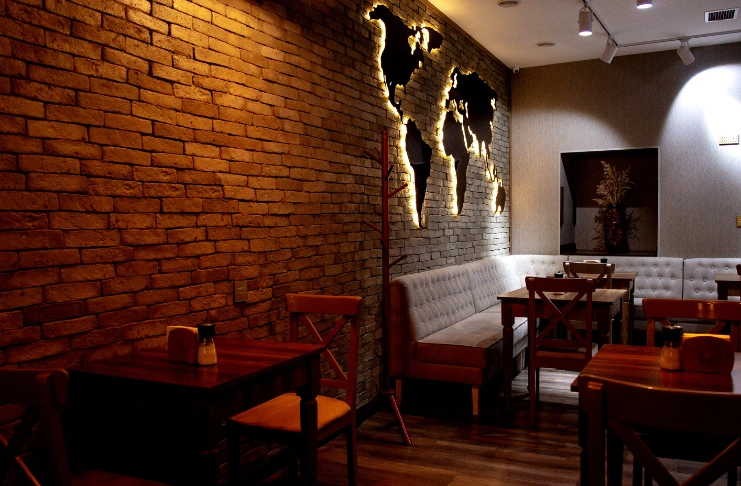
This is where your vision takes shape, but it’s also where your restaurant startup costs can skyrocket.
- The Bare Bones: Plumbing, electrical, and heating—the unglamorous but essential parts of your restaurant..
- Kitchen Kingdom: Ovens, fridges, and all the tools of the trade make up a significant portion of the costs of starting a restaurant.
- Dining Drama: Tables, chairs, lighting, and décor set the perfect vibe, but they also add to your small restaurant startup costs.
- The Bar Scene: If you’re serving drinks, this adds another layer of restaurant startup costs, from licensing to equipment to a well-trained staff.
- Safety First: Meeting all health and safety regulations is non-negotiable and contributes to how much it costs to set up a restaurant.
Creating the right ambiance is crucial, but keeping a close eye on your budget ensures your costs of starting a restaurant stay manageable. close eye on your budget ensures your costs of starting a restaurant stay manageable.
3. What are some Licenses and Permits You Need to Know as a Restaurant Owner?

Navigating the legal landscape, like liquor liability, is non-negotiable. Every owner must factor in these unavoidable restaurant startup costs in the UK.
- Liquor License: If you’re serving alcohol, this is a key part of your restaurant startup costs. Licensing costs range from £100 to £1,900, adding to your costs.
- Food Hygiene: Certification is mandatory and contributes to small restaurant startup costs.
- Planning Permission: Renovations require approval, influencing how much it costs to set up a restaurant.
- Business Rates: The local council’s slice of the pie is an ongoing expense in your restaurant startup costs.
- Music License: Want to play tunes? Licensing fees are another factor in the cost of setting up a restaurant.
- Public Liability Insurance: Essential coverage, costing £500 – £1,500 annually.
- Health & Safety Certification: Compliance costs range from £200 to £500.
Although they initially increase the overall cost of starting a restaurant, these steps are mandatory, and skipping them can lead to big trouble, potentially delaying your launch.ch.
4. How is Kitchen Equipment the The Heart of Your Operation?
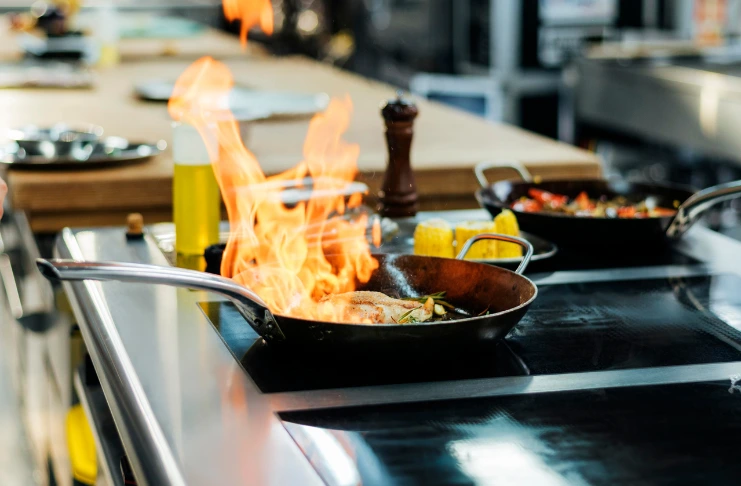
Your kitchen is the engine room, and it needs to be well-equipped. These are major restaurant startup costs.
- Cooking Equipment: Ovens, ranges, fryers – the heavy-duty stuff that forms a key part of your restaurant startup costs.
- Coolers: Fridges, freezers, and walk-in coolers are essential to food storage and add to the costs of starting a restaurant.
- Cleaning: Dishwashers and sinks that keep things sparkling are crucial expenses in your small restaurant startup costs in the UK.
- Pots/pans: Pots, pans, and all those essential utensils may seem minor, but they contribute to overall restaurant startup costs.
- Ventilators: Proper ventilation is a must for health and safety compliance, affecting how much it costs to set up a restaurant.
Investing in quality equipment means efficiency and longevity and is an investment, not an expense.
5. How to Staff People and Build Your Dream Team?

Your staff is your biggest asset. Choosing the right staff can skyrocket your restaurant’s sYour staff is your biggest asset. Choosing the right staff can skyrocket your restaurant’s service and enhance customer satisfaction.
- Front of House: Servers, hosts, and bartenders who create that welcoming atmosphere.
- Back of House: Chefs, cooks, and dishwashers who make the magic happen.
- Authorities: These are Restaurant managers and supervisors who keep things running smoothly.
- Training Time: Initial and ongoing training to ensure top-notch service.
- The Pay Packet: Salaries, wages, and benefits.
A happy, well-trained team means satisfied customers, directly impacting the long-term success of your business.
6. How to Manage your Inventory and Supplies?

You can’t cook without ingredients, and you can’t serve without tableware. These are recurring costs to consider when setting up your business.
- Food: Ingredients, produce, semi-processed food, processed items, and beverages.
- Cleaners: Cleaning supplies like dish soap, scrubs, and dusters.
- Dishes: Plates, cutlery, glasses, silverware, and linens.
- Packaging: Packaging for takeaway, like boxes and bags.
- Office Essentials: Paper, pens, and software for the admin side.
Smart inventory management keeps waste down and profits up, affecting your overall restaurant startup costs.
7. How to Market and Advertise to Get the Word Out?

Getting noticed is just as important as great food, and effective marketing can save money in your restaurant startup costs and help attract customers. Marketing is key to your restaurant startup costs and helps attract customers.
- Online Buzz: Website and social media to connect with customers.
- Local Love: Flyers, posters, and local ads to reach your community.
- Grand Opening Glam: Launch events to make a splash.
- Press Power: Media outreach to get people talking.
- Digital Domination: Online ads and email marketing to reach a wider audience.
A strong marketing strategy builds your brand and brings in customers, and it is a fruitful area to invest in while setting up your own restaurant.
8. How to Choose the Right Technology and POS Systems for Your Restaurant Business?
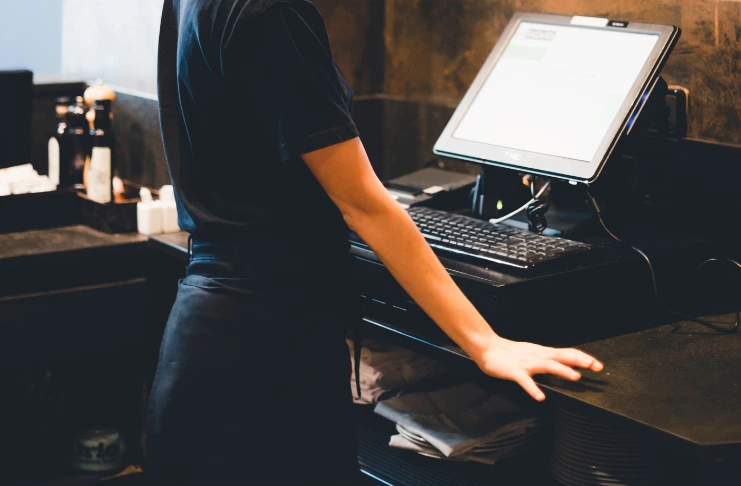
Technology plays a crucial role in modern restaurant efficiency. Investing in the right tools can streamline operations, improve customer experience, and ultimately boost profitability.
- POS Power – A POS system enhances security, speeds up transactions, and provides real-time sales data, making it an essential part of restaurant startup costs.
- Online Orders: Integrating a POS system with delivery platforms automates online order management, reducing errors and improving efficiency.
- Reservation Revolution: Digital reservation systems help manage bookings seamlessly, optimizing table turnover and maximizing revenue.
- Inventory Insights: Inventory management helps track stock levels, minimize waste, and control your day-to-day restaurant business costs.
- Accounting Ace: Automating financial processes improves accuracy and ensures better budgeting, helping manage restaurant startup costs.
Restaurant technology streamlines operations and improves customer experience, affecting your restaurant business startup costs.ons and improves customer experience, affecting your restaurant business startup costs.
9. What is Restaurant Insurance? How Does it Protecting Your Investment?

Insurance helps you protect your restaurant business. You never know what might happen, so insurance is a must, adding up the costs of starting a restaurant.
- Public Safety: Liability insurance to cover accidents.
- Employee Protection: Employer’s liability insurance.
- Contents Protection: Contents insurance for your equipment.
- Business Backup: Interruption insurance for unexpected events.
- Building Coverage: If you own the property.
Adequate insurance is crucial as it safeguards your investment and minimizes risks.
10. How to Build a Safety Net?

Things don’t always go according to plan, so a contingency fund is essential. This is a wise component of your startup costs.
- Repair Reserves: For those unexpected equipment breakdowns.
- Cost Cushion: To handle fluctuating prices.
- Slow Start Savings: To get you through the early days.
- Legal Leniency: To cover any unexpected legal fees.
A contingency fund provides peace of mind and financial flexibility, impacting your overall restaurant startup costs.
11. Why to Get Expert Help?

Sometimes, you need a little professional guidance. These are important small restaurant Sometimes, you need a little professional guidance. These are important small restaurant startup costs.
- Finance: Accountants to handle your books and taxes.
- Legal: Lawyers to navigate contracts and compliance.
- Business: Consultants to help with making a business plan and setting up operations.
- Design: Architects and designers to create your space.
- Marketing: Agencies to build your brand.
Professional help can save you headaches and money in the long run, influencing the costs of starting a restaurant.
12. Why do you need an Initial Working Capital?

You need cash to cover utility costs and keep things moving in the early days. This is a critical factor in your restaurant startup costs.
- Rent and Utilities: Covering those initial bills.
- Staff Salaries: Paying your team while you build your customer base.
- Inventory Investment: Stocking up on supplies.
- Marketing Money: Funding those early promotions.
- Daily Operations: Covering everyday expenses.
Adequate working capital ensures you can weather the initial storm impacting startup costs.
13. How to Build a Skilled Team?
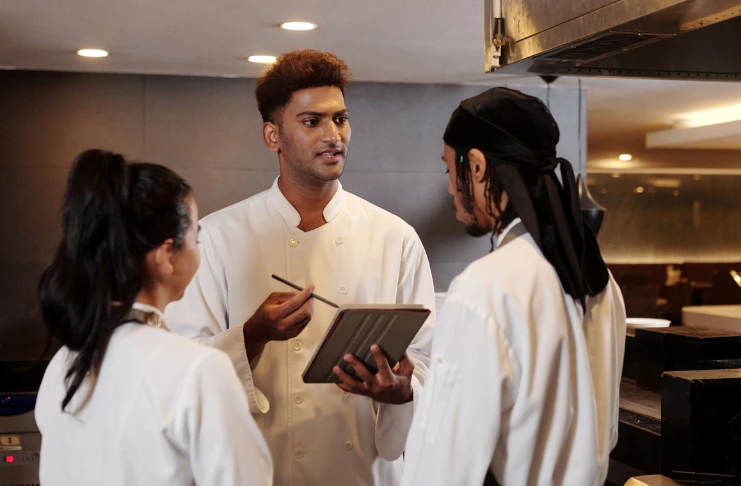
Investing in your staff pays dividends. Build your dream team with skill training.
- Food Safety First: Ensuring hygiene and compliance.
- Service Excellence: Training for top-notch customer interactions.
- Menu Mastery: Familiarize staff with your offerings.
- Leadership Lessons: Developing management skills.
- Continuous Learning: Keeping skills up-to-date.
A well-trained team enhances customer satisfaction, influencing the costs of starting a restaurant.
14. How to Develop a Successful Menu?
Your menu is your calling card. Note the following:
- Recipe Refinement: Creating unique and delicious dishes.
- Menu Magic: Designing an appealing and easy-to-read menu.
- Visual Victories: Using food photography to entice customers.
- Pricing Precision: Balancing food costs and profit margins.
- Taste Testing: Gathering feedback and making adjustments.
A great menu drives sales and builds your reputation, influencing your restaurant startup costs.
15. What is Signage and Branding?

Your brand is your identity. Take Note:
- Exterior appeal: Signs that attract diners.
- Interior impact: Signs that enhance the diner’s experience.
- Launch of Logo: Create a lasting image of your brand
- Menu Message: Clearly display what you offer.
- Online Identity: Maintain a consistent brand across all of your online accounts.
Strong branding leads to recognition and loyalty and can have a positive impact on start-up costs for restaurants.
16. How to Manage Waste Management?

Sustainability matters. Keep the following in miSustainability matters. Keep the following in mind:
- Recycling Routines: Reducing your environmental footprint.
- Composting Considerations: Managing food waste responsibly.
- Energy Efficiency: Investing in eco-friendly equipment.
- Waste Reduction: Minimizing packaging, single-use items, and wastage.
- Sustainable Sourcing: Choosing suppliers with eco-conscious practices.
Responsible waste management builds a positive image and reduces long-term costs.
17. What are some Ongoing Costs?
Remember, the costs don’t stop after opening. These are the sustained realities of small restaurant startup costs in the UK.
- Utilities: rent month to month.
- Payroll: staff wages and salaries, month to month.
- Inventory replacement: purchase continually for food and supplies.
- Marketing maintenance: maintain your brand visibility.
- Equipment maintenance: regular maintenance and repair of equipment.
Managing your typical ongoing operating costs for a restaurant is critical so you can make a profit long term, and it also affects the overall startup operating costs for your restaurant.
Conclusion
Opening a restaurant in the UK can present many difficulties and rewards. A successful restaurant is not just about providing tasty meals; it is about developing an extensive business plan with a substantial budget and long-term goals. Taking the time to assess your startup costs and ongoing expenses, you can make your expectations realistic and get your business off to a great start. Working diligently towards achieving your culinary dreams through ample research, quality finance control, and a love of service is all part of creating a successful restaurant.
Frequently Asked Questions
1. How much money do you need to start a restaurant in the UK?
Starting a restaurant in the UK typically costs between £50,000 and £500,000, depending on size, location, and concept. Costs include rent, renovations, equipment, licenses, and staffing. A smaller café or takeaway may require less capital.
2. What is the profit of a small restaurant in the UK?
A small restaurant in the UK can earn 10-15% profit margins, with annual profits ranging from £20,000 to £100,000. Success depends on location, pricing, and operational efficiency. Managing costs and maximizing customer retention are key to profitability.
3. What is the most expensive part of running a restaurant?
The most expensive part of running a restaurant is typically rent, labor, and food costs. Staffing can take up 30-50% of revenue, and rent varies significantly by location.
4. What is the startup cost for a restaurant?
Startup costs vary but are usually £50,000 to £500,000, depending on the concept and location. Costs include rent, kitchen equipment, licensing, initial inventory, and marketing. A small takeaway or café can start with £20,000 to £100,000.
5. Is 50k enough to start a restaurant?
£50,000 might be enough for a small café, food truck, or takeaway, but not for a full-service restaurant. You would need careful budgeting, a lean business model, and possibly second-hand equipment.
6. Can I open a restaurant with 100k?
Yes, £100,000 is enough to start a small to mid-sized restaurant in an affordable location. However, upscale restaurants or prime city locations may require more investment.
7. How much money do you need to invest in a restaurant?
Restaurant investment varies but generally requires £50,000 to £500,000, depending on scale and type. Investors should consider location, business model, and expected return on investment.
8. How much money does it cost to start a restaurant?
The cost of starting a restaurant depends on the size and type, usually between £50,000 and £500,000. A food truck or small café may cost £20,000 to £100,000. Larger, full-service restaurants in prime locations require much higher investments.
9. What is the average cost to start a restaurant?
The average cost to start a restaurant in the UK is £150,000 to £300,000, depending on location and concept. Smaller takeaways or food trucks can start for £20,000 to £100,000. Costs include rent, licensing, renovations, equipment, and marketing.
10. What is the most expensive part of owning a restaurant?
The most expensive part of owning a restaurant is staff wages, rent, and food inventory. Labor costs typically account for 30-50% of revenue, and rent varies by location. Food costs, food waste, utilities, and equipment maintenance are also significant costs.