

Running a restaurant business means constantly dealing with ups and downs. One day you’re packed, the next you’re watching empty tables, wondering where everyone went.
Slow periods hit every restaurant owner. But they don’t have to kill your revenue. You can still make a profit out of those quiet Tuesday afternoons.
How? This guide details exactly how to increase restaurant sales during slow periods.
Below are 12 proven tactics you can start using today to attract customers and keep your restaurant revenue steady year-round.
Why Do Restaurants Hit Slow Periods?
Every restaurant faces quiet times. Even giants do. Take Starbucks, for example.
In Q2 2024, the brand reported a 1% drop in revenue and a 3% decline in North American sales. Why? Due to rising prices, shrinking wages, and tighter consumer budgets.
But here’s the difference: Starbucks knew why it slowed down. Most independent restaurants don’t.
That’s the real problem. When restaurants can’t pinpoint why their sales are slipping, they can’t respond with precision. Some blame the weather. Others think it’s the menu. Many cut staff or slash prices without knowing if either move addresses the root issue.
Understanding the exact cause of a slowdown is what separates a reactive business from a resilient one.
INDUSTRY INSIGHT
| The reason behind the slow sales of a restaurant varies depending on its location, format, pricing, and even customer habits. While winter and post-holiday months are the most predictable slowdowns, the real pressure comes from shifting consumer behavior. In January 2024, restaurant sales dropped 4.5% nationwide. Cold weather played a role, but so did intent: over half of U.S. consumers said they were cutting back on dining out, citing financial strain and lifestyle changes. |
Now, you may ask why different restaurant experiences differ.
Here’s where it gets more nuanced.
A family-run diner in Ohio might see slower traffic when schools close, and parents stay home. A fine dining spot in Chicago may suffer from the weather alone. And a fast-casual outlet near tech offices? It dips when remote work spikes.
Post-holiday trends add another layer. According to Ipsos and 84.51°, 57% of Americans began 2024 planning to reduce food delivery or takeout. About 30% aimed to cook more at home.
That’s a significant drop in demand—one that has nothing to do with your food or service quality.
The point is that not all slow periods are created equal. And the better you understand what’s driving the dip in your case, the faster you can respond with the right move, whether that’s adjusting hours, changing promos, or re-engaging your base with smart loyalty plays.
How Can Restaurants Increase Sales During Slow Periods?
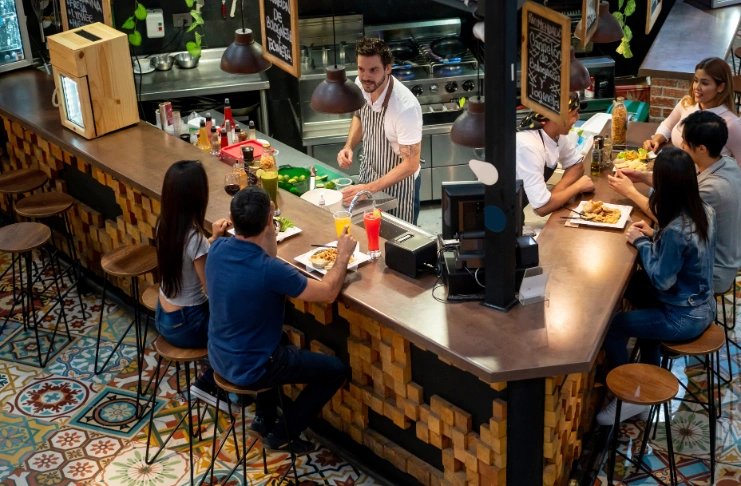
Slow periods may be inevitable, but stagnant sales don’t have to be. The most resilient restaurants don’t wait for traffic to return; they build systems that drive demand year-round.
Here’s how to keep your revenue moving, even when the calendar isn’t on your side.
1 – Master Off-Peak Hours Programming
Off-peak hours don’t have to mean empty seats. Turn quiet periods into profit with smart programming.
Create happy hour specials that work. Don’t just discount drinks. Build experiences that keep customers longer and spending more. Wine flights with appetizers work great. So do craft cocktail classes or early bird dinner deals.
Target specific groups during slow times. Seniors prefer early dining between 4-6 PM. Business people like extended lunch hours. Stay-at-home parents might enjoy afternoon coffee specials.
Partner with local businesses for steady traffic. Set up corporate lunch programs. Create after-work meeting spaces. Offer delivery to nearby offices during slow afternoon hours.
2 – Engineer Your Menu for Maximum Impact
Your menu sells for you, especially during slow periods when every customer matters more.
Add seasonal menu items to create excitement. Fresh ingredients often cost less during peak seasons. This improves profit margins while giving customers better value. Limited-time offers also create urgency that drives immediate visits.
Focus on signature dishes that build your reputation. When customers can’t get your specialty anywhere else, they’ll return and bring friends. Perfect a few unique items rather than trying to please everyone.
Design your menu smartly:
- Put high-profit items where the eyes go first
- Use descriptions that make dishes sound amazing
- Include high-quality photos of your best-sellers
- Offer different portion sizes at various price points
3 – Build Customer Loyalty Programs That Work
Loyalty programs give customers compelling reasons to choose you over competitors during slow periods.
Frequency-based rewards often beat point systems. “Visit five times this month, get your sixth meal free” creates urgency and regular visits. This fills seats consistently instead of generating occasional big orders.
Use customer data to personalize offers. If someone always orders pasta, send them pasta specials during off-peak hours. Personal touches like remembering favorite dishes build connections that beat price competition.
Give loyal customers exclusive perks. Priority reservations during busy times, special menu previews, or members-only events make people feel valued. These benefits often matter more than discounts.
4 – Maximize Online Ordering Revenue
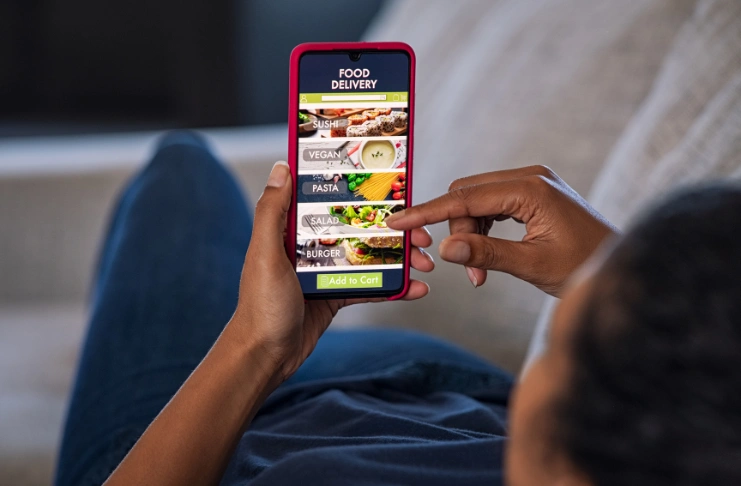
Online ordering turns slow periods from money drains into opportunity windows. The right system boosts business when dine-in customers are scarce.
Expand your reach through delivery services. Customers who won’t drive to your restaurant might order delivery. Partner with DoorDash or Uber Eats, or build your own delivery program.
Create online-exclusive menu items. Family-sized portions, meal kits, or dishes that travel well become significant revenue sources. These often carry higher profit margins since they don’t need table service.
Make mobile ordering easy. Over 70% of online orders come from phones. If your ordering process isn’t mobile-friendly, you’re losing money.
5 – Use Social Media to Drive Immediate Traffic
Social media platforms give you direct access to potential customers without expensive ads. Strategic posting can drive same-day visits during slow periods.
Post high quality photos of your best dishes. Food photos make people hungry and drive immediate visits. Behind the scenes content showing food prep and staff builds connections that create customer loyalty.
Engage with your local community online. Comment on local business posts. Share community events. Participate in neighborhood conversations. This builds recognition and trust in your immediate area.
Use real-time promotion during slow periods. Post last-minute specials. Announce available tables. Share daily features to capture spontaneous dining decisions.
6 – Create Special Events and Private Dining Options
Special events and private dining create new revenue streams that don’t depend on normal foot traffic patterns.
Develop private dining packages for different occasions. Birthday parties, business meetings, anniversary dinners, and holiday gatherings all need venues. Create packages with food, service, and ambiance included.
Host events that attract new customers:
- Wine tastings for enthusiasts
- Cooking classes for food lovers
- Live music for entertainment seekers
- Themed dinners for special occasions
Partner with community groups for fundraising events. Schools, charities, and organizations need venues for fundraising dinners. These events are booked during slow periods and introduce families to your restaurant.
7 – Partner with Local Businesses for Steady Traffic
Local business partnerships create relationships that drive consistent traffic during slow periods. These connections often work better than expensive advertising.
Set up corporate lunch programs for steady weekday traffic. Offer delivery to nearby offices. Create meeting-friendly spaces. Develop executive lunch menus that tap into business dining budgets.
Cross-promote with complementary businesses. Partner with movie theaters, retail stores, or fitness centers. These introduce your restaurant to customers who already spend money in your area.
Keep your business listings updated on Google, Yelp, and local directories. Complete profiles with current hours, menus, and contact info capture customers researching dining options.
8 – Leverage Branded Merchandise and Gift Cards

Branded merchandise creates extra revenue while building brand recognition beyond your restaurant’s location.
Sell t-shirts, mugs, gift cards, and specialty items. These become marketing tools that customers pay you to display around town.
Push gift card programs during slow periods. They generate immediate cash while guaranteeing future visits. Try bonus promotions like “buy $50 in gift cards, get $10 free” to encourage larger purchases.
Create customer engagement through contests and social media challenges. Customers who feel connected to your restaurant’s story choose you over competitors, even when pricing isn’t the main factor.
9 – Participate in Restaurant Weeks and City Events
City’s Restaurant Week events offer chances to attract new customers during slow times. Participating strategically introduces your restaurant to diners who might not otherwise visit.
Create compelling Restaurant Week menus showcasing your best dishes at attractive prices. Use these events to convert one-time visitors into regular customers by delivering exceptional dining experiences.
Plan special events around local festivals and community gatherings. When the city hosts events, people look for nearby dining options. Position your restaurant as the obvious choice.
10 – Optimize Your Delivery Service Strategy
Delivery service creates an entirely new revenue stream that works independently of foot traffic patterns.
Partner with third-party services for immediate reach. DoorDash, Uber Eats, and Grubhub provide instant access to delivery customers. While fees cut into profits, the volume often makes up for it.
Develop your own delivery program for better margins. Train staff for delivery or hire dedicated drivers. This keeps more money in-house while building direct customer relationships.
Create delivery-optimized menu items. Some dishes travel better than others. Focus on items that maintain quality during transport. Consider family-sized portions that increase average order values.
11 – Focus on Search Engine Optimization and Online Visibility
Your restaurant’s visibility online directly impacts how many new customers find you during slow periods.
Optimize your website for relevant keywords. When people search for restaurants in your area, you want to show up first. Include location-based terms and cuisine types in your content.
Keep your Google My Business listing perfect. Update hours, add photos, and respond to reviews. Most local restaurant searches happen on Google, so this listing is crucial for attracting potential customers.
Encourage customer reviews on multiple platforms. Reviews build trust and improve search rankings. Happy customers leave reviews when asked, so make it easy for them.
12 – Track Customer Data and Adjust Strategies
Customer data tells you what works and what doesn’t during slow periods. Use this information to make smarter decisions about where to invest time and money.
Track which promotions drive the most traffic. Some deals attract customers who never return. Others bring people who become regulars. Focus on strategies that build repeat business.
Monitor social media engagement to see what content resonates. High-engagement posts show you what customers care about. Create more content around topics that generate responses.
Analyze online ordering patterns to optimize your digital menu. Some items sell well online but not in-house. Others are the opposite. Adjust your offerings based on actual data, not assumptions.
Conclusion
Slow periods don’t have to hurt your restaurant business. Smart restaurant owners use quiet times to build stronger customer relationships, test new ideas, and capture market share from competitors.
The 12 strategies in this guide work because they focus on giving customers real value instead of just cutting prices. Whether you’re dealing with seasonal slowdowns or unexpected quiet periods, these tactics help you maintain steady restaurant revenue year-round.
Start with one or two strategies that fit your situation best. Master those, then add more as you see results. The key is consistency.
Your restaurant can thrive during slow periods. It just takes the right approach and commitment to serving customers better than anyone else in your market.
Frequently Asked Questions
1. What to do when your restaurant is slow?
Focus on attracting customers through targeted promotions, social media engagement, and community partnerships. Use slow periods to build customer loyalty programs and optimize your online presence for better visibility.
2. What is the slowest month for restaurants?
January is typically the slowest month for restaurants, followed by February and March. Customers reduce dining out after holiday spending and focus on new-year budget goals.
3. How do I increase my restaurant sales?
Increase restaurant sales by optimizing off-peak hours programming, building customer loyalty programs, expanding online ordering, creating special events, and partnering with local businesses for steady traffic.
4. What are the 4 P’s of marketing for restaurants?
The 4 P’s are Product (menu and dining experience), Price (competitive pricing strategy), Place (location and delivery options), and Promotion (advertising and customer outreach).
5. How to boost sales at a restaurant?
Boost sales by improving menu design, creating signature dishes, offering exclusive discounts to loyal customers, optimizing social media presence, and developing private dining options for special occasions.
6. How do I attract customers to my restaurant?
Attract customers through high-quality photos on social media, community engagement, partnerships with local businesses, special events, optimized online visibility, and excellent customer service that generates positive reviews.
7. What are the only 3 ways to increase sales?
Three ways to increase sales are to attract more customers, increase the average order value per customer, and encourage customers to visit more frequently through loyalty programs and special offers.
8. How to increase revenue for a restaurant?
Increase restaurant revenue by expanding service hours, adding delivery services, creating branded merchandise, hosting special events, optimizing menu pricing, and building multiple revenue streams beyond traditional dining.
9. How to maximize profit in a restaurant?
Maximize profit by focusing on high-margin menu items, reducing food waste, optimizing staff scheduling, negotiating better supplier prices, and creating efficient operations that maintain quality while controlling costs.
10. How to make a restaurant make money?
Make money by maintaining consistent quality, building strong customer loyalty, controlling costs without sacrificing service, diversifying revenue streams, and creating unique experiences that justify premium pricing.
11. How do you ensure a store meets sales target during off-peak seasons?
Meet sales targets by planning seasonal promotions, adjusting menu offerings, creating special events, partnering with local organizations, and maintaining strong online ordering programs that work regardless of foot traffic.
12. How do you attract customers quickly?
Attract customers quickly through social media promotions, last-minute deals, community engagement, excellent online reviews, and word-of-mouth marketing from satisfied existing customers.
13. What can I say to attract customers?
Focus on unique value propositions, signature dishes, exceptional service experiences, community involvement, and authentic stories about your restaurant’s personality and commitment to quality food.
14. How do special offers attract customers?
Special offers attract customers by providing clear value, creating urgency through limited-time availability, targeting specific customer segments, and offering experiences that can’t be found at competing restaurants.