
Picture this: You’ve poured your heart, soul, and life savings into opening your dream restaurant. The kitchen is spotless, your signature dishes are perfected, and your staff is ready to deliver exceptional service. But as opening day approaches, a nagging question keeps you awake at night: “How do I get people through the door?”
You’re not alone in this challenge. Every year, thousands of passionate restaurateurs face the same dilemma. Opening a new restaurant is exciting, but getting people through the door is a different challenge altogether. In today’s digital-first world, knowing how to promote a new restaurant online is no longer optional. It’s essential.
The restaurant industry has fundamentally changed. Gone are the days when simply having great food and a prime location guaranteed success. Today’s diners are digital natives who research, compare, and decide where to eat before they even step out of their homes. They scroll through Instagram feeds, read Google reviews, and check delivery apps, all before making their dining decision.
Whether you’re launching a cozy neighborhood diner, a sleek cloud kitchen, or a themed fine-dining spot, building visibility through smart digital marketing tactics can fast-track your success. The good news? You don’t need a massive budget or a marketing degree to compete. You just need the right strategy and consistent execution.
In this comprehensive guide, we’ll unpack the most effective new restaurant marketing strategies that drive real results and build lasting customer relationships. From local SEO secrets to social media mastery, we’ll cover everything you need to transform your empty restaurant into the neighborhood’s hottest dining destination.
Why Online Marketing Is Essential for New Restaurants?

Here’s a statistic that should grab your attention: 77% of diners look up a restaurant online before deciding to visit or order. Let that sink in. Your online presence isn’t just a nice-to-have, it’s literally your first impression, your digital handshake, and often the deciding factor in whether someone becomes your customer.
Think about your own dining habits. When you’re craving Thai food or looking for a romantic dinner spot, what’s the first thing you do? You probably grab your phone and start searching. You check photos, read reviews, browse menus, and compare options, all within minutes. Your potential customers are doing exactly the same thing.
This digital-first behavior creates both a challenge and an incredible opportunity. The challenge is that you’re competing not just with restaurants in your neighborhood but with every dining option that appears in a customer’s search results. A diner searching for “best pizza near me” might see your family-owned pizzeria right next to a national chain, a food truck, and a ghost kitchen, all vying for the same click.
The opportunity is that smart online marketing can level the playing field, allowing a brand-new restaurant to compete with established players. A well-optimized Google listing, compelling social media presence, and strategic review management can help you stand out regardless of your size or budget.
Key takeaways:
- Your digital presence is your storefront in the modern dining landscape
- Customers form opinions about your restaurant before they ever walk through your door
- Online competition extends far beyond your immediate geographic area
- Small restaurants can compete with big chains through smart digital strategies
- Every online touchpoint, from search results to social media, influences dining decisions
The restaurants that understand this shift and adapt accordingly will thrive. Those that don’t risk becoming invisible in an increasingly crowded digital marketplace.
Key Benefits of Online Promotion:
Online marketing isn’t just a nice-to-have for modern restaurants, it’s the foundation that determines whether your business thrives or struggles to survive. These benefits compound over time, creating a powerful digital presence that works around the clock. Understanding these advantages helps you prioritize your marketing efforts and allocate resources where they’ll have the biggest impact.
Increase visibility across multiple platforms: Your restaurant can appear in Google searches, social media feeds, review sites, and delivery apps simultaneously, creating multiple touchpoints with potential customers.
Attract both local and traveling customers: Local SEO helps neighborhood residents discover you, while travel-focused content can attract tourists and visitors to your area.
Build trust with online reviews: Positive reviews act as social proof, making hesitant diners more confident in choosing your restaurant over competitors.
Boost repeat business through targeted engagement: Email marketing and loyalty programs keep your restaurant top-of-mind for past customers.
Compete effectively even with a tight budget: Unlike traditional advertising, many online marketing tactics are low-cost or free, making them perfect for new restaurants operating on lean budgets.
EXPERT INSIGHT
| Matt Plapp, a U.S.-based restaurant marketing expert, believes that successful restaurants rely on systems, not random promotions. In his interview with David Scott Peters, he shares how to attract and retain customers through measurable, relationship-focused strategies. 1. Don’t Rely on “Hope Marketing” His ABR framework—Attract, Build, Retain—helps restaurants create a consistent pipeline of loyal customers. 2. Focus on ROI, Not Vanity Metrics He encourages restaurant owners to ask: “How is this campaign bringing diners through the door?” 3. Start Small, Get Creative Even without a big budget, Plapp shows that creative tactics like bartering meals for local radio mentions, can make a major impact. 4. Use Customer Data Strategically Plapp urges owners to collect emails, birthdays, and order preferences to create personalized marketing campaigns that drive repeat visits and increase lifetime value. 5. Don’t Just Advertise—Engage From social media videos to interactive events, engagement should be your marketing North Star. |
“If you attract guests but don’t follow up, you’re leaving money on the table.” — Matt Plapp
How to Promote a New Restaurant Online?
The following steps can be used to promote a new restaurant online:
1. Build a Functional & Mobile-Friendly Restaurant Website
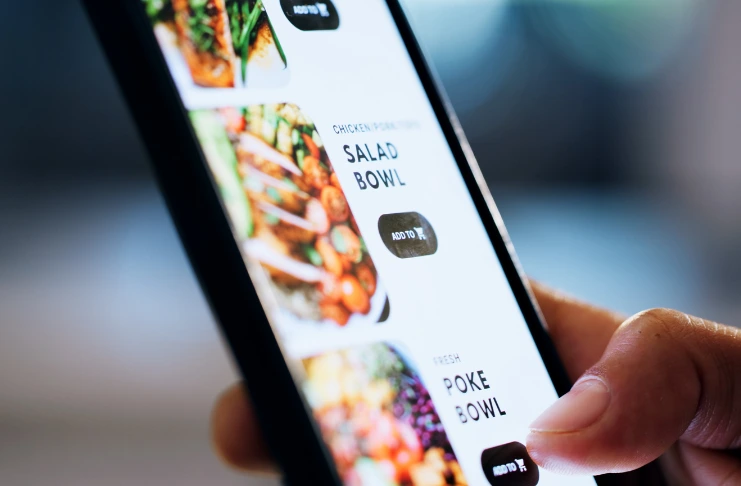
Your restaurant’s website is your 24/7 digital storefront that never sleeps. It’s often the first detailed interaction potential customers have with your brand, and it needs to make a stellar impression. With 85% of people using smartphones to research restaurants, a mobile-optimized website isn’t optional; it’s essential for survival.
Must-Haves on Your Website:
A solid digital foundation sets the tone for your restaurant. Here are the essentials your website must include to convert visitors into diners.
Online menu (easy to view, not a PDF!): Nothing frustrates hungry customers more than trying to zoom in on a blurry PDF menu on their phone. Create a clean, readable menu that’s optimized for mobile viewing. Include price descriptions and highlight your signature dishes.
Professional food photos: Invest in high-quality images that make your dishes look irresistible. These photos will be used across all your marketing channels, so consider it a worthwhile investment.
Online reservation tool: Make it easy for customers to book a table directly from your website. Tools like OpenTable or Resy integrate seamlessly and reduce the burden on your staff.
Clear contact info & address: This seems obvious, but you’d be surprised how many restaurant websites bury their contact information. Make your phone number, address, and hours prominent and easy to find.
Mobile optimization: Your website should load quickly and look great on all devices. Test it on different phones and tablets to ensure the user experience is smooth.
Link to food delivery apps if available: If you’re on DoorDash, Uber Eats, or other delivery platforms, make it easy for customers to find you there too.
Pro tip: Add a brief story about your restaurant, who you are, why you started this venture, and what makes your food special. People love connecting with the story behind their favorite restaurants.
2. Optimize for Local SEO

Local SEO is your digital neighborhood marketing strategy that puts your restaurant on the map—literally. When hungry customers search for “best Italian food near me,” you want to be the first name they see. Think of it as the modern equivalent of having the best word-of-mouth reputation in your area.
Local SEO Tips:
Local SEO ensures your restaurant is visible to people searching for food nearby. It’s one of the most cost-effective ways to attract foot traffic from search engines. Get your restaurant discovered by search engines and hungry locals with these.
Claim and optimize your Google Business Profile: This is your most important local SEO asset. Complete every section, add photos, update your hours regularly, and post updates about specials or events. Your Google Business Profile often appears before your actual website in search results.
Use consistent NAP (Name, Address, Phone) data across the web: Ensure your restaurant’s name, address, and phone number are identical on your website, social media profiles, directory listings, and delivery apps. Inconsistencies confuse search engines and can hurt your rankings.
Encourage positive reviews on Google and Yelp: Don’t be shy about asking happy customers to leave reviews. More reviews signal to search engines that your restaurant is active and popular. Respond to all reviews, both positive and negative, professionally and promptly.
Add high-quality photos to your listings: Include photos of your food, interior, exterior, and team. Visual content makes your listing more appealing and helps it stand out from competitors.
Use local keywords in your website content: Naturally, incorporate phrases like “best pizza in [your neighborhood]” or “[your city] Italian restaurant” into your website copy. But don’t overdo it—focus on creating helpful, readable content first.
3. Leverage Social Media Marketing

Social media is where your restaurant’s personality comes alive and connects with customers on a personal level. It’s your stage to showcase not just your food but the entire experience your restaurant offers. Remember: people eat with their eyes first, making visual platforms like Instagram and TikTok perfect for building your following.
Restaurant Social Media Musts:
Here’s how to stand out, connect with your audience, and build community through consistent social media activity.
Share high-quality food photos: Invest in good lighting and learn basic food photography principles. Natural light is your friend and simple backgrounds often work best. Show your dishes from appetizing angles, and don’t forget to capture the steam rising from hot plates.
Post behind-the-scenes kitchen clips: People love seeing how their food is made. Share videos of your chef preparing signature dishes, your team prepping for busy nights, or the arrival of fresh ingredients. This builds trust and creates a personal connection.
Feature special events and promos: Use social media to announce limited-time offers, special events, or seasonal menu items. Create urgency with phrases like “available this weekend only” or “while supplies last.”
Highlight team members: Showcase your staff’s personalities and expertise. Let your chef share cooking tips, have your servers recommend their favorite dishes, or feature your bartender’s signature cocktails. This creates a more personal, welcoming brand image.
Use geotags and food hashtags: Tag your location on every post and use relevant hashtags like #[yourcity]eats, #freshseafood, or #handmadepasta. Research popular local food hashtags and mix them with broader food-related tags.
Tip: Consistent branding across your social media accounts reinforces your restaurant brand identity and helps build trust. Use the same logo, color scheme, and tone of voice across all platforms.
4. Collaborate with Local Food Bloggers & Influencers
Nothing builds authentic buzz like a trusted local foodie singing your praises to their engaged audience. Food influencers have already done the hard work of building relationships with your target customers. Their genuine recommendations carry significant weight and can introduce your restaurant to hundreds or thousands of potential diners overnight.
How to Do It:
Want to turn buzz into bookings? Use these influencer strategies to generate exposure and authentic engagement.
Host a tasting event: Invite several local food influencers to a special preview night before your official opening. Let them sample your menu highlights and experience your service firsthand. This creates multiple pieces of content from a single event.
Offer a free meal in exchange for honest coverage: Reach out to food bloggers with a genuine offer: a complimentary meal in exchange for their honest opinion and potential coverage. Make it clear you’re not buying positive reviews, you want authentic feedback.
Invite micro-influencers with loyal local followings: Don’t just focus on influencers with massive followings. Local food enthusiasts with 1,000-10,000 engaged followers often have more influence over dining decisions in your area than celebrity chefs with millions of followers.
Here’s a compelling statistic: Influencer marketing delivers $5.78 ROI for every $1 spent. That makes it one of the most cost-effective marketing strategies available to new restaurants.
5. Encourage & Manage Online Reviews

Online reviews are the digital age’s most powerful form of word-of-mouth marketing, often serving as the final decision-maker for hesitant diners. 94% of diners say online reviews influence their dining decisions, making review management a critical part of your marketing strategy. It’s not just about collecting positive reviews—how you respond to all feedback demonstrates your professionalism and commitment to customer satisfaction.
Strategies to Get Reviews:
Showcase social proof, earn trust, and improve visibility with these review management tactics.
Ask happy diners to leave a review: Train your staff to identify satisfied customers and politely ask them to share their experiences online. The best time to ask is right after they’ve complimented the food or service. Make it easy by providing QR codes that link directly to your Google Business Profile or Yelp page.
Respond to all feedback, even negative reviews, with professionalism: Thank customers for positive reviews and address concerns in negative reviews constructively. Show that you take feedback seriously and are committed to improving. Potential customers read your responses as much as the original reviews.
Use review widgets on your website: Display your best reviews prominently on your website. This builds trust with visitors and can help convert browsers into diners.
Don’t leave this crucial element of your reputation to chance.
6. Run Paid Ads with Clear Goals

Paid advertising is your fast track to visibility when you need immediate results and can’t wait for organic marketing to build momentum. Unlike SEO or social media growth, which takes months to show results, well-targeted ads can start driving traffic from day one. The key is strategic targeting, reaching the right people with the right message at the right time.
Where to Advertise:
These are the best advertising platforms for restaurant owners looking for fast returns and hyper-local reach.
Google Search and Maps: Target people actively searching for restaurants in your area. Use keywords like “restaurants near me,” “[your cuisine type] in [your city],” or “dinner reservations [your neighborhood].”
Instagram & Facebook: These platforms excel at visual advertising, perfect for showcasing your food and atmosphere. Use detailed targeting to reach people based on location, interests, and dining behaviors.
YouTube: If you have video content showcasing your cooking process or restaurant atmosphere, YouTube ads can be highly effective for building brand awareness.
Keep targeting tight: Only focus on people within your delivery range or reasonable driving distance. There’s no point advertising to someone who lives 50 miles away unless you’re trying to attract tourists.
7. Create an Email Marketing Campaign
Email marketing transforms one-time visitors into loyal, repeat customers by keeping your restaurant top-of-mind long after they leave. It’s one of the most cost-effective marketing channels available, allowing you to build direct relationships with your customers. The goal isn’t to bombard customers with daily promotions, it’s about providing value and staying connected.
Email Marketing Tips:
Email marketing builds long-term relationships with your customers. It keeps your brand top-of-mind and your tables full. Use these strategies to grow your list and turn one-time diners into lifelong patrons.
Collect emails through reservations and website forms: Make email collection a natural part of your customer interaction. Offer a small incentive like a discount on their next visit or a free appetizer for signing up.
Offer a discount for first sign-ups: Give new subscribers an immediate reason to return with a welcome offer. This could be 10% off their next meal or a complimentary dessert.
Share updates, promos, and menu items: Keep your emails interesting with a mix of content. Share new menu items, upcoming events, behind-the-scenes stories, and special offers. Avoid being too promotional, aim for 80% valuable content and 20% promotional content.
Use personalized marketing campaigns: Send birthday offers, anniversary discounts, or recommendations based on past orders. Personalization makes customers feel valued and increases engagement rates.
8. Feature User-Generated Content (UGC)

User-generated content is your customers doing your marketing for you, and doing it more effectively than any professional campaign could. When potential diners see real people enjoying real meals at your restaurant, it builds authentic trust that traditional advertising simply can’t match. Posts with UGC have a 4.5% higher conversion rate, proving that authentic content drives real results.
How to Encourage UGC:
Leverage the power of real customer experiences to build credibility and drive engagement.
Run photo contests: Challenge customers to share their best food photos using your branded hashtag. Offer prizes like free meals or restaurant merchandise for the best submissions.
Create a branded hashtag: Develop a unique, memorable hashtag for your restaurant and encourage customers to use it. Display it prominently in your restaurant and on your social media profiles.
Repost customer stories with credit: When customers share great photos or reviews, repost them on your social media accounts with proper credit. This shows appreciation and encourages others to share their experiences.
Since posts with UGC have a 4.5% higher conversion rate, it would mean user-generated content doesn’t just build trust, it actually drives more customers to your restaurant.
9. Get Listed on Food Delivery Apps
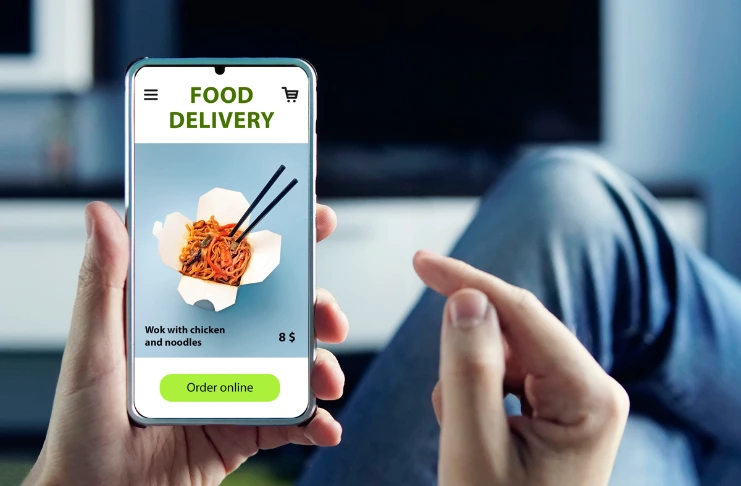
Food delivery apps have fundamentally changed how customers discover and order from restaurants, making them essential for any restaurant offering delivery or takeout. Simply being listed isn’t enough, you need to optimize your presence on these platforms just like you would your website. Professional presentation on delivery apps can significantly impact your order volume and customer acquisition.
Listing Tips:
Delivery apps are a lifeline for modern restaurants. They increase discoverability and give customers more ways to order from you. Make your profile appealing and your food irresistible with these optimization tactics.
Use strong menu descriptions: Don’t just list “Chicken Pasta.” Write “Grilled chicken breast over creamy fettuccine with fresh herbs and parmesan cheese.” Descriptive language helps customers understand what they’re ordering and increases the perceived value.
Upload professional food photos: The same high-quality photos you use on your website and social media should be used on delivery apps. These images are often the first thing customers see when browsing for food.
Respond to customer ratings and reviews: Just like on Google and Yelp, engage with customer feedback on delivery platforms. Address concerns, thank customers for positive reviews, and show that you care about the delivery experience.
10. Use Loyalty Programs to Drive Repeat Customers

Repeat diners spend more than first-time customers, making customer retention one of your most profitable marketing strategies. Loyalty programs create compelling reasons for customers to choose your restaurant over competitors consistently. They transform occasional diners into regular customers who become ambassadors for your brand.
Loyalty Program Ideas:
Loyalty programs encourage diners to come back again and again. They build customer retention and grow your bottom line. Here’s how to build a rewards system that keeps guests returning– and spending.
Digital punch cards: Use apps like LoyaltyLion or create a simple punch card system. “Buy 9 meals, get the 10th free” is a classic that still works effectively.
Cashback or points system: Offer points for every dollar spent that can be redeemed for free items or discounts. This encourages higher spending per visit.
Exclusive VIP deals: Give loyalty members access to special menu items, early access to events, or exclusive discounts. Make them feel like insiders.
11. Partner with Other Local Businesses

Strategic local partnerships expand your reach into new customer bases while building stronger community ties that benefit everyone involved. Look for businesses that serve similar customers but aren’t direct competitors, creating win-win relationships that cross-promote each other. These collaborations often cost nothing but time and creativity, making them perfect for budget-conscious new restaurants.
Examples:
These local collaborations create shared value and cost-effective cross-promotion.
Pair desserts with a local bakery: If you don’t make desserts in-house, partner with a local bakery to offer their sweets. Cross-promote each other to your respective customer bases.
Offer drink + dine packages with a nearby bar: Create packages that combine dinner at your restaurant with drinks at a nearby bar, or vice versa. This works especially well in entertainment districts.
Cater for coworking spaces or gyms: Build relationships with local businesses that might need catering services. Offer lunch packages for offices or healthy meal options for fitness centers.
12. Invest in Professional Food Photography
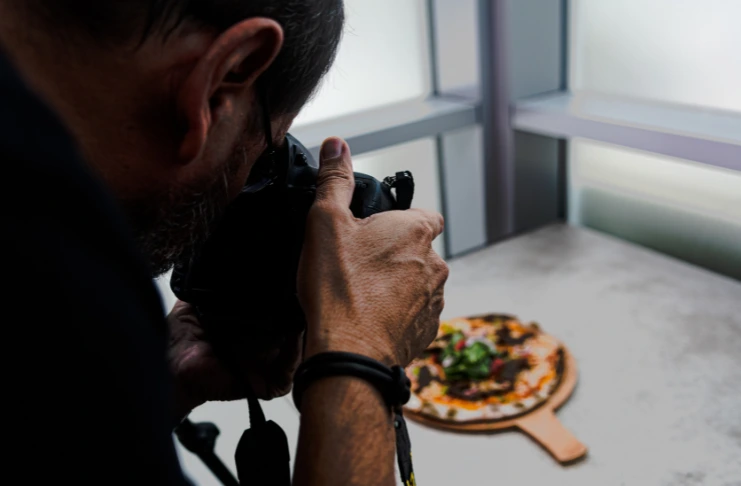
Restaurants with professional photos get 30% more orders, making food photography one of the highest ROI investments you can make. Great photos don’t just make your food look good; they make it look irresistible and communicate quality across all your marketing channels. This is a one-time investment that pays dividends across your website, social media, delivery apps, and advertising for years to come.
Why It Matters:
Professional food images are a visual hook that helps your brand stand out and convert.
Boosts appeal on listings and social media: High-quality photos stop people from scrolling past your content. They’re more likely to read your captions, visit your profile, and ultimately visit your restaurant.
Enhances your website design: Professional photos make your entire website look more polished and trustworthy. They communicate that you care about quality and attention to detail.
Supports restaurant branding: Consistent, high-quality photography reinforces your brand identity and helps you stand out from competitors with amateur photos.
Restaurants with professional photos get 30% more orders. That’s a significant return on investment for what might be a one-time photography expense.
13. Craft a Cohesive Restaurant Branding Strategy
Consistency builds recognition, trust and helps customers remember your restaurant when they’re making dining decisions. Your restaurant brand identity should be instantly recognizable whether customers encounter it on Instagram, your website, or walking through your front door. Strong branding isn’t just about having a nice logo, it’s about creating a complete, cohesive experience that reflects your restaurant’s unique personality.
Branding Elements:
Maintain strong, recognizable branding with these essential elements that work together to build customer trust, boost recall, and create a cohesive dining experience: both online and offline.
Logo and color palette: Develop a professional logo and choose colors that reflect your restaurant’s personality. Use these consistently across all marketing materials.
Tone of voice in captions: Whether you’re fun and casual or sophisticated and refined, maintain the same personality in all your written communications.
Staff uniforms: Your team’s appearance should align with your brand. This doesn’t mean expensive uniforms, it means thoughtful, consistent presentation.
Packaging design: If you offer takeout or delivery, your packaging is part of your brand experience. Invest in branded packaging that reinforces your identity.
14. Host Launch Events or Giveaways

Big openings deserve big buzz, and launch events create excitement and social media content that can jumpstart your restaurant’s reputation. These events aren’t just about filling seats on opening night, they’re about creating memorable experiences that turn attendees into passionate advocates. The goal is to generate word-of-mouth marketing that extends far beyond the event itself.
Popular Launch Ideas:
Create buzz and excitement by hosting a standout launch. These events set the tone for your restaurant’s identity. Build visibility and early loyalty with one of these attention-grabbing launch strategies.
Free tasting nights: Invite local food enthusiasts to sample your menu before your official opening. This creates word-of-mouth buzz and helps you work out any operational kinks.
Invite-only soft launches: Create exclusivity with invitation-only preview events for local influencers, food bloggers, and community leaders. Document the event for social media content.
Social media giveaways: Run contests that require participants to follow your accounts, tag friends, and share your content. This rapidly expands your social media reach.
15. Analyze and Improve with Data

Data-driven decision-making separates successful restaurants from those that struggle, helping you allocate your limited marketing budget where it delivers the best results. Don’t just collect data—act on it to optimize successful strategies and eliminate tactics that aren’t delivering results. Regular analysis helps you identify trends, understand customer behavior, and maximize your return on every marketing dollar spent.
What to Monitor:
Stay informed and data-driven with these marketing KPIs.
Website traffic: Use Google Analytics to track how many people visit your website, which pages they view, and where they come from. This helps you understand which marketing channels are most effective.
Ad click-through rates: Monitor how many people click on your paid advertisements. Low click-through rates might indicate that your targeting or messaging needs adjustment.
Social media engagement: Track likes, comments, shares, and saves on your social media posts. High engagement indicates content that resonates with your audience.
Review site rankings: Monitor your position in local search results and on review sites. Improvements in rankings often correlate with increased visibility and foot traffic.
Conclusion
Knowing how to promote a new restaurant online isn’t about throwing spaghetti at the wall and seeing what sticks. It’s about crafting a clear restaurant marketing plan that aligns with your location, concept, target customers, and budget constraints.
The restaurant industry is competitive, but it’s also filled with opportunities for those willing to embrace digital marketing strategically. You don’t need to implement every strategy mentioned in this guide simultaneously. Instead, focus on the tactics that best fit your restaurant’s unique situation and gradually expand your efforts as you see results.
Remember that the best restaurant marketing strategies are consistent, authentic, and value-driven. Your customers can sense when you’re genuinely passionate about your food and service, and that authenticity translates into all your marketing efforts.
Stay active in your community, both online and offline. Engage with your customers, respond to feedback, and keep delivering not just delicious food but unforgettable digital experiences. Your restaurant’s success depends not just on what happens inside your four walls but on how effectively you connect with customers in the digital spaces where they spend their time.
The journey from empty restaurant to neighborhood favorite isn’t always easy, but with the right online marketing strategy, you can accelerate your path to success. Start with the basics: a great website, local SEO, and consistent social media presence, then gradually expand your efforts as you grow.
Your dream restaurant deserves to be discovered. Now you have the tools to make sure it happens.
Frequently Asked Questions
1. How do you promote your new restaurant?
Build a strong online presence with a website, local SEO, social media marketing, and listings on food delivery apps. Use influencer partnerships, launch events, and loyalty programs to attract and retain customers.
2. How do you announce a new restaurant?
Announce through social media teasers, press releases, email newsletters, influencer collaborations, and local event partnerships. A soft launch or grand opening event also helps generate buzz.
3. What are the 4 P’s of marketing for restaurants?
Product (menu and service), Price (value and pricing strategy), Place (location and delivery channels), Promotion (advertising, PR, digital marketing).
4. How do I advertise my restaurant on social media?
Use high-quality food photos, run paid ads, engage with followers, post stories and reels, use hashtags and geotags, and collaborate with food influencers.
5. How to promote a new restaurant?
Focus on digital marketing—create a mobile-friendly website, optimize for local search, build a social media presence, encourage online reviews, and run targeted ads.
6. How do I attract customers to my restaurant?
Offer great food and service, promote online, list on delivery platforms, launch referral or loyalty programs, host events, and respond actively to reviews.
7. What are the 4 P’s of local restaurant marketing?
People (community & staff), Place (local visibility), Promotion (local ads/events), Partnerships (with nearby businesses).
8. What are the 7 Ps of service marketing in restaurants?
Product, Price, Place, Promotion, People, Process (service flow), and Physical Evidence (ambiance, branding).
9. How to market your new restaurant?
Use digital channels like SEO, social media, Google listings, and email. Combine this with offline tactics like soft launches, flyers, and local collaborations.
10. What are the 4 main marketing strategies?
Market penetration, market development, product development, and diversification.
11. How to market a restaurant online?
Use a combination of SEO, Google Business Profile, social media content and ads, influencer marketing, online reviews, and food delivery platforms.
12. What are the 7 P’s of digital marketing?
Product, Price, Place, Promotion, People, Process, Physical Evidence: applied specifically to online touchpoints like websites, apps, and digital content.