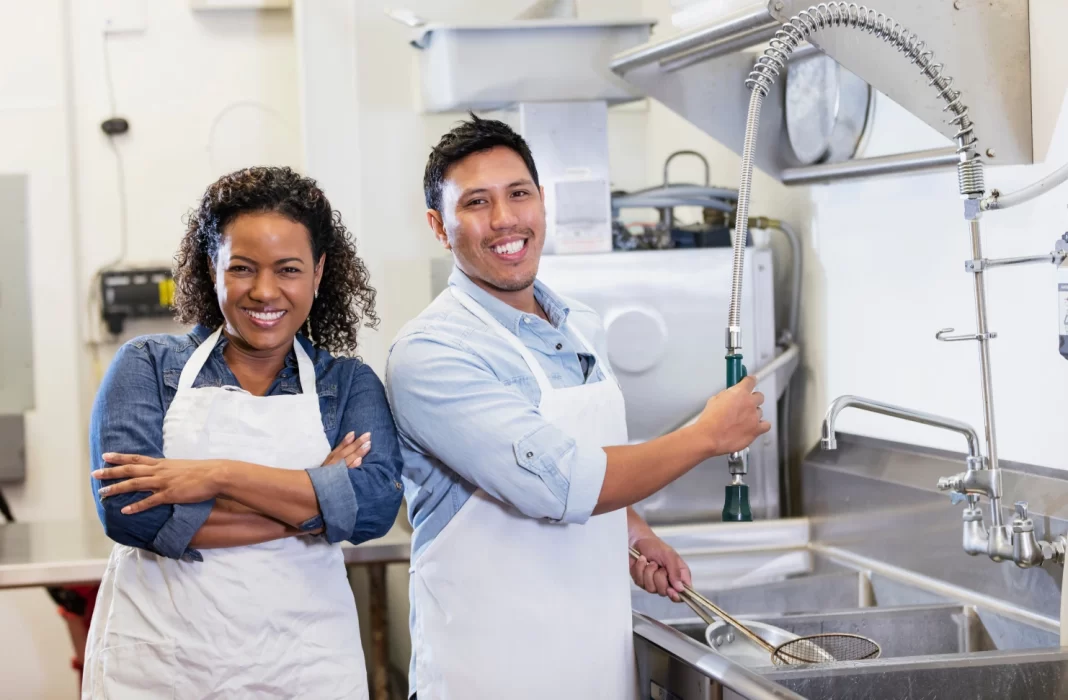

Dark kitchens are making serious money right now, fundamentally reshaping the restaurant industry. The delivery revolution has turned cooking for customers without a traditional storefront into a booming segment.
But are dark kitchens profitable enough to justify the investment? Let’s break down the real numbers behind this booming business model.
The virtual kitchen industry exploded during the pandemic and never looked back. Food entrepreneurs now operate multiple restaurant brands under one roof without worrying about dining room expenses. This shift toward delivery-focused operations has restaurant owners questioning everything they know about profit margins.
What Makes Dark Kitchens So Profitable?
Any virtual kitchen model reduces overhead costs by eliminating customer-facing expenses. No servers, no dining room rent, no fancy decor. Just pure food preparation focused on delivering orders.
Your monthly rent drops by 30-40% compared to traditional restaurants. Kitchen space in warehouses costs way less than in prime street locations. You can operate from basements or industrial areas without losing customers.
Labor costs shrink dramatically. Ghost kitchen operations need fewer staff members than full-service restaurants. No hosts, no servers, no bussers. Just cooks and delivery coordination.
The business model lets you test multiple brands without opening separate locations. One virtual kitchen can run five different restaurant concepts simultaneously.
How Much Money Do Ghost Kitchens Actually Make?
Profit margins in cloud kitchens typically range from 20-25%, compared to 3-5% in traditional restaurants. The numbers vary based on location, specific cuisine type, and operational efficiency.
Gross profit depends heavily on delivery volume and average order size. Successful virtual kitchen operators report monthly revenues between $50,000-$150,000 per location.
Net profit calculations must include online food delivery services, which can eat up to 20-30% of each order. Smart operators balance third-party platforms with direct orders to maximize earnings.
The virtual kitchen model works best when you optimize for high-volume, low-cost operations. Large quantities of food preparation reduce per-unit costs significantly.
Which Business Models Work Best for Virtual Kitchens?
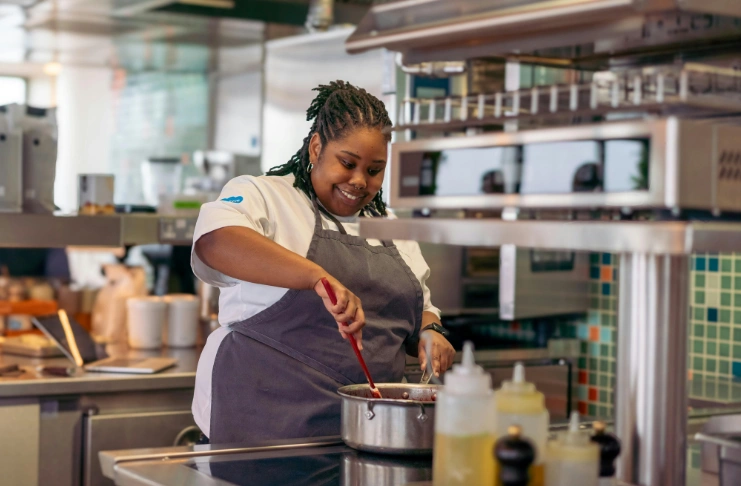
Single-brand operations focus on perfecting one concept. This approach builds strong brand recognition but limits revenue potential from diverse customer preferences.
Multi-brand kitchens maximize kitchen space utilization. You can serve pizza, burgers, and Asian food from the same location, targeting different customer segments.
Hybrid models combine traditional dining with ghost kitchen delivery. Restaurant owners use their existing kitchens for both dine-in and delivery operations during different hours.
Franchise opportunities in cloud kitchens offer proven systems with lower risk. Established brands provide operational support and marketing resources.
What Are the Real Operating Costs?
Kitchen equipment represents your biggest upfront investment. Commercial-grade appliances, refrigeration, and prep equipment can cost $75,000-$200,000.
Monthly rent varies by location but averages $3,000-$8,000 for adequate kitchen space. Industrial areas offer the best value for money.
Staffing costs depend on your volume and menu complexity. Most ghost kitchens operate with 3-8 employees per shift.
Food costs should stay below 30% of revenue for healthy gross profit margins. Bulk purchasing and menu optimization help reduce ingredient expenses.
How Do Delivery Platforms Impact Your Profits?
Delivery services like Uber Eats charge 15-30% commission on each order. These fees directly impact your bottom line but provide access to millions of customers.
Third-party platforms handle marketing, customer acquisition, and delivery logistics. This convenience comes at a cost but eliminates significant operational headaches.
Building direct orders through your own website reduces platform dependency. Customer loyalty programs and phone orders bypass delivery platform fees.
As your volume grows, you can negotiate better rates with delivery partners. High-performing virtual kitchens often secure reduced commission structures.
What Menu Items Drive the Highest Profits?
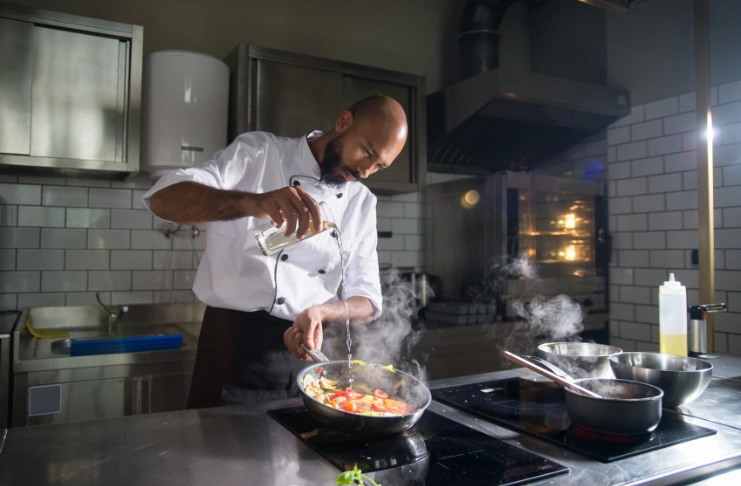
Fast-casual concepts perform exceptionally well in dark kitchen models. Burgers, sandwiches, and bowls travel well and maintain quality during delivery.
Pizza and pasta operations benefit from high order values and repeat customers. These menu items are delivery-friendly and popular across demographics.
Chicken-focused concepts dominate ghost kitchen success stories. Wings, tenders, and grilled options appeal to broad audiences and handle delivery well.
Specialized cuisine like Mexican or Asian food can command premium prices. Unique dishes help differentiate your virtual restaurant from competitors.
INDUSTRY INSIGHT
| The US ghost kitchen market reached $98.28 billion in 2025 and is projected to hit $2,915.48 billion by 2032, growing at 62.3% annually. This explosive growth reflects the permanent shift toward delivery-first dining preferences and cost-efficient restaurant operations. |
How Long Does It Take to Break Even?
Most virtual kitchen operations reach profitability within 6-12 months. The timeline depends on initial investment, location quality, and marketing effectiveness.
Break-even calculations should include all startup costs, monthly operating expenses, and realistic revenue projections. Conservative estimates help avoid cash flow problems.
Market testing with limited menus reduces risk during the initial months. Start small and expand offerings based on customer demand patterns.
Your operations will improve significantly after the first few months. Staff training, workflow optimization, and supplier relationships all contribute to faster profitability.
What Locations Generate the Most Revenue?
Dense urban areas with high delivery demand offer the best revenue potential. College towns, business districts, and residential neighborhoods drive consistent order volume.
Proximity to your delivery radius matters more than street visibility. Being centrally located within your service area reduces delivery times and costs.
New locations in suburban markets present opportunities for first-mover advantages. Many suburban areas lack diverse food delivery options.
Analyzing delivery heat maps helps identify underserved areas with strong demand. Data-driven location selection improves your chances of success.
How Many Orders Do You Need to Be Profitable?
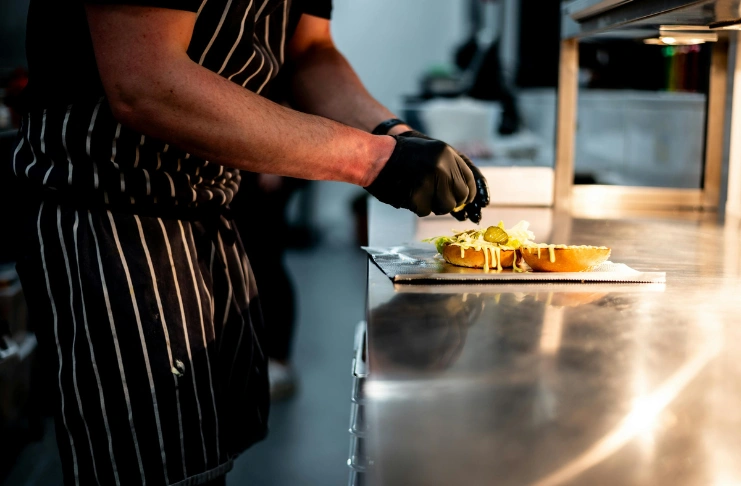
Break-even typically requires 100-200 orders daily, depending on average order size and profit margins. Higher-priced menu items reduce the volume needed for profitability.
Delivery orders should average $25-35 for sustainable unit economics. Lower order values make it difficult to cover delivery costs and platform fees.
Peak hours concentrate most of the daily volume into lunch and dinner periods. Optimizing operations for these rush times maximizes daily revenue potential.
Weekend orders often generate 40-50% higher volume than weekdays. Planning staffing and inventory around these patterns improves operational efficiency.
What Are the Biggest Profit Killers?
Food waste destroys profit margins faster than any other factor. Poor inventory management and overproduction can eliminate monthly profits entirely.
Inconsistent quality leads to negative reviews and reduced customer retention. Maintaining standards during high-volume periods requires proper staff training.
Delivery delays hurt customer satisfaction and future order frequency. Optimizing kitchen workflows and managing delivery partnerships prevents revenue loss.
High employee turnover increases training costs and reduces efficiency. Competitive wages and good working conditions help retain experienced staff.
How Do You Scale a Profitable Virtual Kitchen?
Adding new virtual brands to existing locations increases revenue without major cost increases. Test new concepts with limited menus before full launches.
Opening additional locations requires careful market analysis and sufficient capital reserves. Each new kitchen should serve a distinct delivery radius without cannibalizing existing sales.
Franchising successful concepts allows rapid expansion with reduced capital requirements. Other entrepreneurs invest in your proven business model.
Technology investments in ordering systems, inventory management, and customer data help optimize operations as you grow.
What Technology Boosts Profitability?

Cloud Kitchen management software streamlines orders across multiple delivery platforms. Integration reduces errors and improves efficiency.
Inventory management software prevents food waste and ensures ingredient availability. Real-time tracking helps optimize purchasing decisions.
Customer relationship management tools help build genuine relationships. Email marketing and loyalty programs reduce platform dependency.
Kitchen display systems coordinate preparation timing across different virtual brands. This technology prevents order delays and improves customer satisfaction.
How Do You Handle Multiple Restaurant Brands?
Menu engineering becomes critical when operating multiple concepts. Each brand needs a distinct positioning while sharing kitchen resources efficiently.
Staff cross-training allows flexibility during peak periods. Employees who can prepare items for multiple brands improve operational efficiency.
Brand management requires separate online presences and marketing strategies. Each virtual restaurant needs its own identity and customer base.
Quality control systems must maintain standards across all brands. Inconsistent food quality damages all your virtual culinary concepts.
What Are the Tax Benefits?
Business expenses for ghost kitchens include equipment depreciation, rent, utilities, and ingredient costs. These deductions reduce taxable income significantly.
Home office deductions may apply if you handle administrative tasks from home. Consult tax professionals for specific guidance on your situation.
Equipment financing can provide tax advantages while preserving cash flow. Many kitchen appliance purchases qualify for business tax credits.
Professional accounting helps optimize your tax strategy and ensure compliance with local restaurant regulations.
Should You Start with One Brand or Multiple?
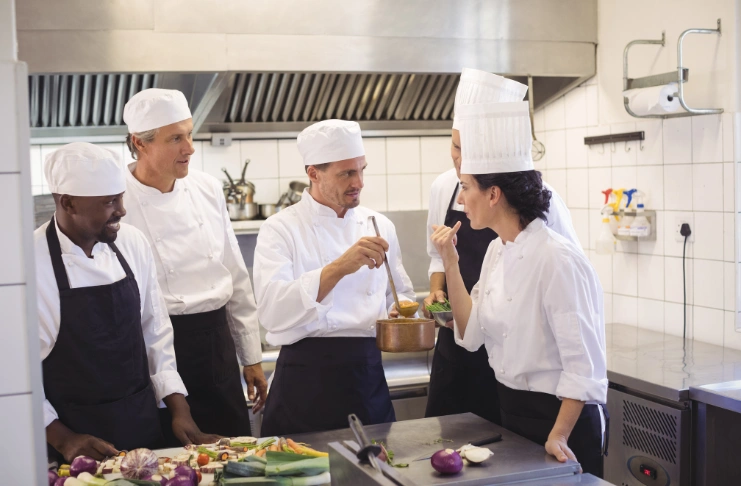
Single-brand launches allow you to perfect operations before adding complexity. Focus on one cuisine type until you achieve consistent profitability and high-quality meals. This approach helps maximize efficiency and keep operational costs in check.
Market trends in your delivery area reveal which cuisine types have the strongest demand. Start with proven concepts so as to bear minimal risks.
Multiple brands make sense once you’ve mastered basic ghost kitchen operations. The additional complexity requires experienced management and systems.
Customer feedback from your first brand guides decisions about scaling and additional marketing efforts. Let demand data drive expansion choices and help you attract new customers.
How Do You Maximize Customer Retention?
Food quality consistency builds repeat customer relationships. Every order must meet the same standards regardless of volume or timing pressures.
Delivery times under 30 minutes improve customer satisfaction scores. Optimizing kitchen workflows and managing delivery logistics directly impact retention.
Customer service responsiveness helps resolve issues quickly. Direct communication channels let you address problems before customers leave negative reviews.
Loyalty programs encourage repeat orders and increase customer lifetime value. Points, discounts, and exclusive menu items drive customer engagement.
What Insurance Do You Need?
General liability insurance protects against customer injury claims and property damage. This coverage is essential for any food service business.
Product liability insurance covers issues related to food safety and allergic reactions. Ghost kitchens face the same food-related risks as traditional restaurants.
Commercial property insurance protects your kitchen inventory. Fire, theft, and equipment breakdown coverage prevent major financial losses.
Workers’ compensation insurance covers employee injuries and is required in most states. Kitchen work involves inherent safety risks that require proper coverage.
Conclusion
Dark kitchens offer a lean, scalable, and profitable model for today’s delivery-first market. With the right systems in place, operators can make informed decisions, scale into new markets, and optimize for higher profitability.
Crucially, this model frees you from the high overhead of a traditional brick-and-mortar restaurant. Just invest in a good tech stack that can streamline your kitchen operations and help manage delivery drivers better.
Frequently Asked Questions
1. What is the average profit for a ghost kitchen?
Ghost kitchens typically achieve 15-25% profit margins, significantly higher than traditional restaurants’ 3-5%. Monthly net profits range from $7,500-$37,500, depending on location and volume.
2. Is it a good idea to have a dark kitchen?
Dark kitchens make excellent business sense for delivery-focused markets. Lower overhead costs, higher profit margins, and reduced operational complexity create strong investment opportunities.
3. Can you make money with a ghost kitchen?
Yes, ghost kitchens generate substantial gross profits when properly managed. Successful operators report monthly revenues of $50,000-$150,000 per location with healthy profit margins.
4. Are ghost kitchens profitable in 2025?
Ghost kitchens remain highly profitable in 2025. The market continues growing at 62.3% annually, driven by permanent shifts toward delivery dining preferences.
5. Are dark kitchens successful?
Dark kitchens show strong success rates due to lower startup costs and operational risks. The business model’s flexibility allows rapid adaptation to market demands.
6. Are ghost kitchens still profitable?
Ghost kitchens maintain profitability despite increased competition. Smart operators focus on operational efficiency, quality control, and direct customer relationships to sustain profits.
7. What is the failure rate of ghost kitchen?
Ghost kitchen failure rates are lower than those of traditional restaurants due to reduced overhead and operational flexibility. Most failures result from poor location choices or inadequate market research.
8. How to start a virtual kitchen business?
Start by researching local delivery demand. Secure an appropriate physical location for your kitchen. Then, obtain permits, invest in commercial equipment, and partner with delivery services for customer access.
9. What is the business model of cloud kitchen?
Cloud kitchens operate delivery-only restaurants without brick-and-mortar dining rooms. They prepare food exclusively for online orders, reducing costs while serving multiple virtual brands from one location.
10. Are virtual restaurants profitable?
Virtual restaurants achieve higher profit margins than traditional dining establishments. The delivery-focused model eliminates front-of-house expenses while maintaining food quality and customer satisfaction.
11. How does cloud kitchens make money?
Cloud kitchens generate revenue through food sales across delivery platforms. They profit by maintaining high order volumes, controlling food costs, and optimizing operational efficiency.
12. What is the profit margin on cloud kitchen?
Cloud kitchen profit margins typically range from 15-25%, compared to 3-5% for traditional restaurants. Higher margins result from reduced overhead costs and streamlined operations.
13. Is CloudKitchens profitable?
CloudKitchens and similar operators maintain profitability through economies of scale, shared resources, and optimized delivery operations. Their business model creates sustainable competitive advantages.
14. Is cloud kitchen profitable in the USA?
Cloud kitchens are highly profitable in the USA. The $98.28 billion market continues expanding rapidly, driven by strong delivery demand and favorable unit economics.
15. What is the minimum investment for cloud kitchen?
The minimum cloud kitchen investment ranges from $100,000 to $300,000. It includes costs related to equipment, permits, and initial inventory.