



You’re serving the best pasta in town, your dining room is packed every night, and customers are raving about your signature dishes. But when you look at your monthly P&L statement, the numbers tell a different story. Your food costs are eating away at your profits faster than a food critic demolishes a disappointing appetizer.
Sound familiar? You’re not alone. Running a restaurant today isn’t just about serving great food, it’s about mastering the intricate dance of numbers that happens behind the kitchen doors. And nothing can torpedo your bottom line faster than poorly managed restaurant food costs. Whether you’re a battle-tested restaurant veteran who’s weathered countless dinner rushes or an ambitious entrepreneur launching your first culinary venture, controlling food costs isn’t just important, it’s the difference between thriving and merely surviving.
The harsh reality? Most restaurants fail not because their food isn’t good enough but because their numbers don’t add up. The successful ones understand that every ingredient tells a story, every portion matters, and every system either saves money or silently bleeds it away.
It’s not about slashing quality or cutting corners. It’s about building scalable, repeatable systems that allow your food to shine and your numbers to stay strong. It’s about turning every plate into a profit center, without compromising creativity, flavor, or hospitality.
So, if you’re ready to take back control of your food costs and finally see those full dining rooms translate into healthy bank statements, you’re in the right place.
Let’s dive into seven proven, battle-tested food cost control strategies that have helped transform struggling kitchens into profitable powerhouses, tactics that don’t just lower expenses and eliminate waste but build a more resilient, scalable, and future-ready restaurant business.
This is where culinary passion meets operational precision.
Let’s get started.
What are the 7 Proven Ways to Reduce and Manage Costs in a Restaurant?
The following are the seven ways in which you can reduce and manage the costs of your restaurant:
1. Understand the Basics of Restaurant Food Cost Control
You can’t control what you don’t understand. Before implementing any cost-cutting strategies, you need to master the fundamental metrics that determine whether your restaurant makes money or bleeds it. This foundation separates operators who guess from those who know, and profit accordingly.
Before we dive into the tactical playbook, let’s establish the foundation that separates profitable restaurants from the also-rans.
What Is Food Cost in a Restaurant?
Food cost isn’t just the price tag on your ingredients, it’s the total financial investment in every component that touches your customers’ plates. From the premium olive oil that elevates your signature salad to the specialty spices that make your sauce unforgettable, food cost represents one of your largest operational expenses and the most direct path to profitability or disaster.
Think of food cost as your restaurant’s heartbeat. When it’s steady and controlled, everything flows smoothly. When it’s erratic and unmanaged, it creates chaos that ripples through every aspect of your operation.
Why Food Cost Percentage Matters
Here’s the formula that can make or break your restaurant:
Food cost percentage = (Cost of goods sold ÷ Food sales) × 100
This isn’t just a number, it’s your restaurant’s financial GPS. A well-managed restaurant typically targets an ideal food cost percentage between 25% and 35%, but this sweet spot varies dramatically based on your concept, cuisine type, and market positioning.
Fine dining establishments might operate comfortably at 35% due to premium ingredients and complex preparations, while fast-casual operations often aim for 25-28% through streamlined processes and efficient sourcing. The key isn’t hitting a magic number, it’s understanding what percentage works for your specific concept and consistently maintaining it.
2. Calculate and Track Your Actual Food Costs

Most restaurants track food costs like they check the weather, occasionally and after the damage is done. The winning operators treat cost tracking like vital signs monitoring, catching problems before they become crises. Here’s how to build a tracking system that actually protects your profits.
Start With the Right Formula
Mathematics might not be why you entered the restaurant business, but this equation is your lifeline:
Beginning Inventory + Purchases – Ending Inventory = Cost of Goods Sold (COGS)
This formula reveals where every dollar goes each month. But here’s where most restaurants stumble, they calculate this sporadically, often when it’s too late to make meaningful adjustments. The restaurants that win treat this calculation like a daily health check, not an annual physical.
Monitor Weekly or Monthly
Successful restaurant operators don’t wait for monthly statements to understand their food costs, they track them in real time. Weekly monitoring helps you catch problems while they’re still manageable. Notice your protein costs spiking? You can adjust portion sizes or temporarily feature alternative proteins before they devastate your margins.
Modern POS systems and inventory management tools can automate much of this tracking, but the key is consistency. Choose a frequency you can maintain religiously, whether that’s weekly or bi-weekly, and stick to it like your restaurant’s survival depends on it—because it does.
3. Master Inventory Management

Poor inventory management is like leaving your wallet open in a crowded room, money disappears, and you’re never quite sure where it went. Smart inventory practices don’t just prevent theft and spoilage; they transform your storage areas into profit protection centers. Every successful restaurant treats inventory as a strategic weapon, not a necessary chore.
Take Inventory Consistently
Here’s a truth that might sting: Most restaurants treat inventory like a necessary evil rather than a strategic advantage. The difference between profitable and struggling restaurants often comes down to inventory discipline.
Count inventory at the same time and day every week. This isn’t just about knowing what you have, it’s about understanding patterns. Are you consistently running out of certain ingredients? That suggests poor forecasting. Are items frequently expiring? Your ordering is misaligned with actual demand.
Use Inventory Management Software
The days of clipboard-and-pencil inventory counts are over. Modern inventory management systems don’t just track what you have, they predict what you’ll need, calculate real-time portion costs, and flag potential problems before they become expensive mistakes.
These systems integrate with your suppliers, automatically updating costs when prices fluctuate. They track perishable items by expiration dates and send alerts when items are approaching their use-by dates. Most importantly, they provide data that transforms inventory from a guessing game into a precise science.
Manage Portion Sizes with Precision
Over-portioning is the silent profit killer that destroys margins one plate at a time. A restaurant serving 200 meals daily with just a 10% over-portioning problem loses thousands of dollars monthly, money that flows directly from profits to the trash bin.
Invest in standardized portion control tools: digital scales, precise scoops, measured ladles, and portion control plates. Train your kitchen staff to use these tools consistently. The goal isn’t to shortchange customers, it’s to deliver exactly what they expect while maintaining profitability.
4. Optimize Menu Engineering to Cut Food Costs
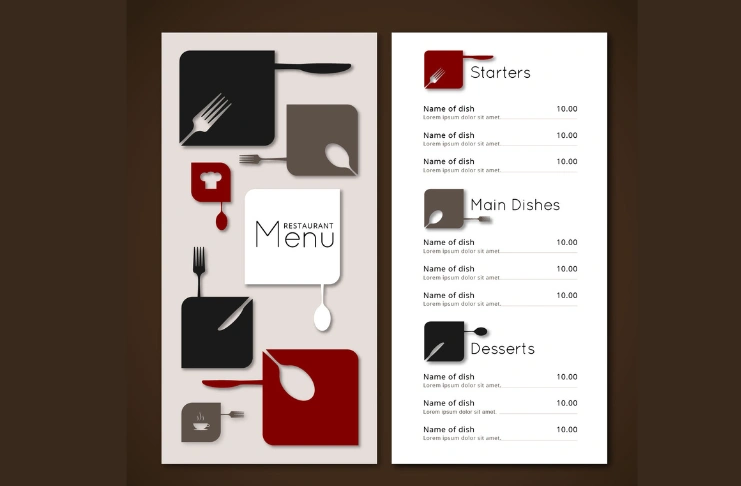
Your menu isn’t just a list of dishes, it’s a profit blueprint that can make or break your restaurant. Menu engineering reveals which items are secretly costing you money and which ones should be your stars. This data-driven approach turns guesswork into guaranteed results, transforming your menu from a liability into your most powerful profit-generating tool.
What Is Menu Engineering?
Menu engineering is the secret weapon that transforms your menu from a list of dishes into a profit-generating machine. It’s a data-driven approach that analyzes every menu item’s popularity and profitability, then strategically positions them to maximize both customer satisfaction and restaurant profits.
EXPERT INSIGHT
| From a recent interview with Michelin-starred chef Sujan Sarkar of Indienne in Chicago: “With inflation and supply chain challenges persisting …With the vegan menu, my cost is lower than the nonvegetarian menu because of no protein. … We also always offer a supplement course that people can add … boosting profitability. “Sarkar highlights how strategically structuring menus, like emphasizing lower-cost vegetarian options and optional supplements, can help manage rising food costs while maintaining margins. |
Think of menu engineering as the GPS for your culinary offerings, it shows you exactly where you’re making money and where you’re losing it.
Categorize Menu Items
Every dish on your menu falls into one of four categories:
Stars: High-profit, high-selling items that customers love and make you money. These are your golden geese, promote them heavily and ensure they’re always available.
Plowhorses: Low-profit, high-selling items that are popular but don’t contribute significantly to your bottom line. These require attention, can you reduce costs or increase prices without losing customers?
Puzzles: High-profit, low-selling items that make great money when ordered but don’t move frequently. These need better marketing, repositioning on the menu, or server training to increase sales.
Dogs: Low-profit, low-selling items that take up menu space without contributing to profits or popularity. These candidates are for elimination or complete reimagining.
Use Past Sales Data
Your POS system contains a goldmine of information that reveals customer preferences, seasonal trends, and profit patterns. Don’t just collect this data, analyze it ruthlessly. Which dishes consistently underperform? What ingredients appear in your most profitable items? How do seasonal changes affect ordering patterns?
Use this intelligence to eliminate menu items that don’t earn their keep and double down on those that drive profits. Remember, a smaller menu with higher-performing items often generates more profit than an extensive menu with mediocre performers.
5. Reduce Food Waste Strategically
Food waste isn’t just an environmental issue, it’s a profit emergency that most restaurants ignore until it’s too late. Every item that hits the trash bin represents money walking out your back door. The most successful restaurants have cracked the code of turning waste into profit, and the strategies are simpler than you think.
Conduct a Waste Audit
Food waste is where profits go to die. Conducting a comprehensive waste audit reveals exactly how much money you’re throwing away and why. Track everything: expired ingredients, over-prepped items, cooking mistakes, and customer returns.
Most restaurants are shocked to discover they’re discarding 15-20% of their food purchases. A waste audit transforms this invisible profit killer into visible, actionable data that drives immediate improvements.
Turn Trim into Profit
The world’s most profitable restaurants view food scraps as opportunity, not waste. Vegetable trimmings become rich stocks that add depth to soups and sauces. Day-old bread transforms into breadcrumbs or croutons. Protein trim becomes the foundation for daily specials or staff meals.
This mindset shift—from waste to resource—can reduce food costs by 2-6% while adding unique menu items that differentiate your restaurant from competitors.
First In, First Out (FIFO) Rule
FIFO isn’t just a storage principle, it’s a profit protection system. Organize your storage areas so older inventory is used first, preventing spoilage that directly impacts your bottom line. Label everything with dates, train staff on proper rotation, and make FIFO compliance a daily priority.
The restaurants that excel at FIFO reduce spoilage by up to 20%, turning what would be waste into profit-generating ingredients.
6. Purchase Smarter and Save More
Purchasing isn’t just about getting ingredients, it’s about building a supply chain that consistently delivers quality at the right price. Smart purchasing strategies can reduce your food costs by 10-15% without compromising quality. The secret lies in treating suppliers as partners, not just vendors, and leveraging every advantage available to independent restaurants.
Build Supplier Relationships
Your suppliers aren’t just vendors, they’re partners in your profitability. Develop relationships with multiple suppliers for each ingredient category. This creates competition that drives better prices and ensures supply chain reliability.
Negotiate bulk purchase agreements, explore seasonal contracts, and consider joining group purchasing organizations (GPOs) that leverage collective buying power to secure better rates.
Compare Prices Frequently
Ingredient costs fluctuate constantly, but many restaurants operate on autopilot, accepting price increases without question. Successful operators review supplier prices weekly, comparing costs across multiple vendors.
This might seem time-consuming, but even small savings—2-3% on major ingredients—can improve your food cost percentage significantly over time.
Choose Local & Seasonal
Local, seasonal sourcing isn’t just trendy, it’s financially smart. Seasonal ingredients cost less because they’re abundant, and local sourcing reduces transportation costs. Plus, featuring seasonal items creates menu variety that keeps customers interested while maintaining cost efficiency.
Build relationships with local farmers and producers. They often provide higher quality ingredients at better prices than broad-line distributors, especially for specialty items that differentiate your menu.
7. Train Your Team on Food Cost Control

Your team can either be your greatest asset in controlling food costs or your biggest liability, there’s no middle ground. Every employee decision, from portion sizes to storage practices, directly impacts your bottom line. Building a cost-conscious culture doesn’t happen by accident; it requires intentional training and ongoing reinforcement that makes every team member a profit protector.
Everyone Plays a Role
Food cost control isn’t just the chef’s responsibility, it’s a team effort that involves everyone from prep cooks to servers. Create a culture where every team member understands how their actions impact profitability.
Servers who understand food costs can guide customers toward high-margin items and avoid costly modifications. Kitchen staff who grasp the financial impact of waste naturally become more careful with ingredients and portions.
Educate on Portion Sizes and Waste
Regular training sessions on portion control and waste reduction keep standards sharp and consistent. Show your team the financial impact of their actions, how over-portioning affects profits, how proper storage prevents waste, and how their diligence contributes to the restaurant’s success.
Cross-Train Employees
Cross-trained employees boost operational efficiency and reduce labor costs. When team members understand multiple roles, you can adjust staffing based on demand without compromising service quality. This flexibility improves both food cost control and overall profitability.
How to Cut Hidden Costs Without Sacrificing Quality?

Beyond the obvious food cost strategies lies a treasure trove of hidden savings that most restaurants never discover. These advanced techniques target the sneaky expenses that quietly drain profits, the death by a thousand cuts that can destroy margins without you even noticing. Master these insider secrets, and you’ll uncover profit opportunities your competitors don’t even know exist.
Review Transportation Costs
Rising fuel costs and delivery fees add hidden expenses to your food costs. Consolidate orders when possible, work with vendors who offer free delivery minimums, and consider changing delivery frequencies to optimize transportation costs.
Watch for Overhead Expenses
Beyond ingredient costs, monitor packaging, smallware losses, and utility expenses that contribute to your overall food cost percentage. These seemingly minor expenses accumulate into significant impacts on profitability.
Prime Cost: A Key Profit Indicator
Here is how you can know your key profit indicator: Prime Cost.
Prime cost = Labor costs + Food costs
Keep your prime cost percentage below 60% for healthy margins. This holistic view of your two largest expenses provides better insight into overall operational efficiency than focusing solely on food costs.
Reduce Costs Through Menu Pricing Adjustments
When ingredient costs rise, many restaurants absorb the increase rather than adjusting prices. This approach erodes profitability over time. Instead, implement strategic price adjustments that maintain your target food cost percentage while remaining competitive.
Add High-Margin Add-ons
Offer premium toppings, specialty sides, or beverage pairings that carry high-profit margins. These add-ons increase average ticket size while improving overall profitability without requiring significant additional labor or ingredients.
Portion Sizes: Big Factor, Big Savings
Regularly evaluate portion sizes based on customer feedback and consumption patterns. Portions that are too large waste money, while portions that are too small disappoint customers. Find the sweet spot that satisfies customers while maintaining profitability.
How Do Tech Tools Help Manage Food Costs?
Modern technology transforms food cost management from reactive to proactive. Inventory platforms track stock levels and predict ordering needs. POS integrations reveal sales trends and profit margins by item. Kitchen display systems minimize prep errors that create waste.
These tools increase cost efficiency and operational efficiency without requiring additional staff effort. The initial investment pays for itself quickly through improved accuracy and reduced waste.
How to Build a Forecast Model Based on Future Demand?
Use historical data to predict busy periods and adjust preparation accordingly. This reduces both food waste and labor expenses while ensuring you’re prepared for demand spikes. Accurate forecasting is the foundation of efficient operations and healthy profit margins.
How Successful Restaurants Save on Food Costs?
The theory is valuable, but real-world results prove what actually works in the trenches of restaurant operations. These case studies reveal exactly how smart operators transformed their food cost challenges into competitive advantages. The numbers don’t lie and neither do the strategies that generated them.
Case Study: Reducing Food Waste by 26%
A comprehensive review by Champions 12.3 analyzed 114 restaurants across 12 countries that implemented food-waste reduction strategies. Within just one year, they achieved an average 26% reduction in kitchen food waste, with the associated cost savings estimated at $7 for every $1 invested.
Case Study: Menu Engineering Success
Industry data shows restaurants that apply menu engineering techniques, analyzing item popularity and profitability can see profit increases of up to 15%.
Key Takeaways
The restaurant industry’s most enduring success stories share one common thread: they treat food cost control as a living, breathing system rather than a one-time fix. These operators understand that consistent profitability comes from disciplined daily practices, not sporadic cost-cutting efforts when times get tough.
The winning restaurants consistently:
- Calculate and monitor food cost percentage religiously – tracking weekly rather than waiting for monthly surprises that are too late to fix
- Train all staff on portion control and waste prevention – creating a culture where every team member understands their role in protecting profits
- Use menu engineering to maximize the profitability of every dish – treating their menu as a strategic profit tool, not just a list of offerings
- Optimize purchasing through supplier relationships and group buying – leveraging partnerships and collective buying power to secure better prices without sacrificing quality
- Leverage technology for accurate inventory and sales tracking – using modern tools to transform guesswork into data-driven decisions
- Monitor prime cost as a comprehensive profitability metric – understanding that food costs and labor costs work together to determine overall success
These aren’t just best practices—they’re survival strategies that separate thriving restaurants from those that struggle to stay afloat.
Conclusion
The goal isn’t just to cut food costs, it’s to develop a systematic, intelligent approach that ensures every dollar you spend on ingredients delivers the highest possible return. In a restaurant, where margins are notoriously slim, and overheads are constantly rising, even a few percentage points of savings can make the difference between struggling and thriving.
When you implement these proven food cost control strategies, from smart inventory management and portion control to waste reduction and menu engineering, you’re not just saving money. You’re creating a repeatable system that strengthens your operations, improves consistency, and enables better decision-making across the board.
Over time, these practices compound. Your restaurant becomes more resilient to supply chain disruptions, inflation, and unexpected demand shifts. Your profit margins stabilize, allowing you to reinvest in staff, innovation, and guest experiences. You gain the flexibility to weather storms and seize opportunities, whether that’s launching a new location, revamping your menu, or expanding your brand.
But let’s be clear: disciplined food cost management doesn’t mean cutting corners, sacrificing quality, or shortchanging your guests. On the contrary, it’s about protecting your guest experience by keeping your business healthy. It’s about building systems that deliver exceptional value, where ingredients are respected, waste is minimized, and pricing is both strategic and sustainable.
In an industry where competition is intense, and customer expectations are rising, cost discipline becomes your competitive edge. The restaurants that succeed long term are those that treat financial management with the same care and creativity as they treat their food.
Because here’s the truth every successful restaurant owner learns:
Great food brings customers through the door. Smart financial management keeps the doors open.
Master both, and you’re not just running a restaurant, you’re building a thriving, sustainable business. One that can serve your community, support your team, and inspire loyalty for years to come.
And in a world where restaurants come and go, that’s the kind of legacy worth investing in.
Frequently Asked Questions
1. How to control food costs in a restaurant?
Track inventory regularly, standardize portion sizes, minimize waste, and use menu engineering to focus on high-margin items.
2. What is cost control in the food industry?
Cost control refers to managing expenses like ingredients, labor, and waste to maintain profitability without compromising quality.
3. What are controllable costs in restaurants?
These include food, beverages, labor, packaging, and utilities—costs that can be managed daily through smart decisions and systems.
4. What costing system do restaurants use?
Most use standard costing, actual costing, or a hybrid approach, often supported by POS and inventory software.
5. How to reduce cost in a restaurant?
Cut waste, optimize staff scheduling, streamline the menu, negotiate better supplier deals, and monitor prime cost.
6. What is one strategy to reduce food cost?
Implement portion control to reduce over-serving and limit ingredient overuse.
7. How can we reduce the cost of food?
Buy in bulk, use seasonal/local ingredients, join a GPO, and manage inventory to avoid spoilage.
8. How do chefs control food costs?
They standardize recipes, manage prep waste, train staff on portioning, and monitor daily inventory.
9. How to manage food costs in a restaurant?
Calculate food cost percentage regularly, compare it with ideal benchmarks, and adjust menu pricing or sourcing as needed.
10. What are the steps in controlling food costs?
1. Track inventory
2. Standardize recipes
3. Train staff
4. Analyze sales data
5. Adjust menu and pricing
11. How can we reduce cost in the food industry?
Invest in automation, streamline supply chains, minimize waste, and optimize batch production.
12. How to control food wastage in restaurants?
Use the FIFO method, repurpose excess ingredients, monitor prep waste, and audit leftovers daily.


