

Your restaurant meal is finished, plates are cleared, and your guests are contemplating whether to stay for one more course. This moment is when your dessert menu becomes a powerful tool for business growth. Many restaurants underestimate how offering desserts can elevate dining experience satisfaction and significantly boost their bottom line.
Research shows that 94% of US consumers purchase frozen treats and desserts regularly.
When you create a thoughtful approach to sweets, you build opportunities to increase check averages, enhance customer satisfaction, and generate repeat visits from diners who remember that perfect slice of chocolate cake.
So, how to attract customers with dessert menu? Here are some tips.
How Can Desserts Drive Revenue, Loyalty, and Memorability?
Desserts are not an afterthought; they are a decision point. When handled intentionally, they extend the dining experience, raise perceived value, and unlock incremental revenue with minimal operational strain. The following tips break down how to make desserts work harder for your restaurant, both creatively and commercially.
Tip 1: Design Your Menu for Maximum Visual Appeal
Your dessert options need to jump off the page. Think about the presentation before your guests even see the actual treats. Use high-quality pictures that showcase the delicious nature of each item. A professional photo of your signature cheesecake with cherry topping can make a significant difference in sales.
Consider creating a separate menu dedicated entirely to desserts. This approach signals to diners that your sweets deserve special attention. Your wait staff should present this menu at the right moment, after the main meal, when guests have room for sweet treats but before they’ve mentally checked out.
The way you describe each item matters as well. For example, instead of just listing “tiramisu,” write something that creates appeal: “Coffee-soaked ladyfingers layered with mascarpone cream and dusted with cocoa.” Every word should trigger nostalgia and make consumers want to eat it right now.
INDUSTRY INSIGHT
| According to market research, 35% of women aged 18-34 actively seek extra-indulgent options when browsing dessert selections, more than any other demographic. This data tells you that your presentation strategies should emphasize indulgence without apology. Position your desserts as necessary pleasures for moments of affordable enjoyment rather than guilty splurges. |
Tip 2: Balance Classic Flavors with Creative Innovation
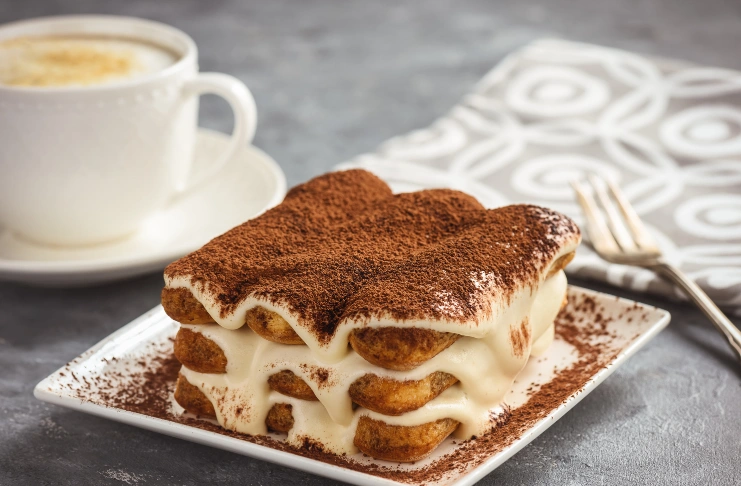
You need familiar comfort alongside creativity. Chocolate lovers will always want that rich chocolate cake, while adventurous diners seek something unexpected. Your menu should offer both.
Start with classic flavors that many diners recognize: vanilla, chocolate, and strawberry cheesecake. These are your foundation. Then add seasonal flavors that rotate throughout the year. Spring might bring recipes featuring fresh berries, while fall could showcase pumpkin or apple pie variations.
The key is offering multiple ways to satisfy different preferences without overwhelming your kitchen.
Test new treats before adding them permanently. Run them as specials, gather feedback from guests, and refine your recipes based on what actually sells. This approach keeps your menu fresh while managing risk.
Tip 3: Leverage Social Media to Showcase Desserts
Your most photogenic dishes should be all over social media. Younger consumers, particularly Gen Z and Millennials, are drawn to desserts that look incredible online. When diners post pictures of your signature creation, you’re getting free marketing that brings in more customers.
Create treats specifically designed to be Instagram-worthy. Think about color, height, and unique serving presentations. That slice of pie served on a wooden board with a scoop of vanilla ice cream and a drizzle of caramel creates the kind of visual content that spreads.
Encourage guests to share by making it easy. A simple table card with your restaurant handle and a branded hashtag prompts organic social media engagement. Feature customer photos on your own accounts. This builds community and shows potential diners what they’re missing.
Track which desserts get photographed most. Those are your stars. Double down on what works and retire what doesn’t generate buzz. Social media provides real-time feedback on what creates excitement.
Tip 4: Train Staff on Dessert Upselling Techniques
Your wait staff directly impacts dessert sales. They need training on how to present options persuasively without being pushy. The language they use makes all the difference.
Instead of asking “Would you like dessert?” which invites a simple no, train your team to say “What sounds good for dessert tonight?” This assumes the sale and moves the conversation forward. Describing items enthusiastically helps too. When your server talks about how the warm chocolate lava cake pairs perfectly with coffee, guests can practically taste it.
Timing matters a lot. Present dessert menu items after clearing dinner plates, but while guests are still settled at the table. This is when they’re most receptive. Staff should know the menu inside and out, offering recommendations based on what guests ordered for their meal.
Consider incentivizing dessert sales. When your team has a stake in success, they’ll naturally become better at suggesting that special treat that completes the dining experience.
Tip 5: Offer Strategic Pairings and Add-Ons

Pairing desserts with coffee, wine, or specialty beverages increases perceived value and check averages. A slice of cheesecake becomes an experience when served with espresso or a dessert wine recommendation.
Create suggested pairings directly on your menu. List what goes well with each item. Your chocolate tart might pair beautifully with a bold red wine, while your fruit-based desserts complement champagne or prosecco. These suggestions give guests permission to indulge further.
Add-ons boost revenue with minimal effort. Offer whipped cream, extra chocolate sauce, or a scoop of ice cream for a small upcharge. Many diners appreciate these options to customize their treats. A warm brownie becomes exceptional when served with vanilla ice cream melting over the top.
Bundle offerings work well, too. A coffee and dessert special at a slightly reduced price feels like value while still increasing what guests spend. These strategies work because they enhance the overall meal without feeling like a hard sell.
Tip 6: Accommodate Dietary Restrictions and Preferences
Modern diners have varied needs. Offering gluten-free and low-sugar options is a smart business strategy. When you can serve guests who otherwise might skip dessert entirely, you’re capturing sales you’d otherwise lose.
Work with culinary experts to develop recipes that don’t taste like compromises. A gluten-free chocolate cake made with almond flour can be just as delicious as traditional versions. Low sugar options using natural sweeteners appeal to health-conscious consumers without sacrificing flavor.
Mark these options clearly on your menu. Guests with restrictions should be able to quickly identify what they can safely eat. This reduces questions for staff and makes the ordering process smoother.
Don’t segregate alternative options into a separate section that feels like an afterthought. Integrate them throughout your menu so they’re positioned as premium choices. This approach increases appeal to more diners beyond just those with restrictions.
Tip 7: Price Strategically for Profit Margins and Perceived Value
Desserts typically have excellent profit margins compared to entrees. Ingredients like flour, sugar, eggs, and milk are relatively inexpensive, yet you can command premium prices for well-executed sweets.
Study your costs carefully. Know exactly what each dessert costs to produce, including labor. Price them to achieve healthy margins while remaining competitive. Most restaurants aim for food costs between 25% and 35% for desserts.
Perceived value matters as much as actual price. A beautifully plated dessert served with care justifies a higher price point than something that feels like an afterthought. Presentation, portion size, and how it’s described all contribute to what guests feel they’re getting.
Consider your overall menu pricing structure. Desserts should feel proportional to entrée prices. If your main dishes run $15-25, desserts in the $8-12 range typically feel appropriate. This balance encourages orders without sticker shock.
Tip 8: Ensure Restaurant Fire Safety While Producing Desserts

Your back-of-house dessert production requires attention to restaurant fire safety protocols. Kitchens producing baked goods face specific risks from ovens, stovetops, and hot sugar work that demands vigilance.
Install proper ventilation systems and keep them maintained. Grease buildup from any cooking process, including dessert preparation, creates fire hazards. Schedule regular cleaning of hoods and ducts. Keep fire extinguishers accessible and ensure all kitchen staff know how to use them.
When working with techniques like flambéing desserts tableside or creating caramelized sugar decorations, establish clear safety procedures. These presentations create memorable moments for guests but require trained staff and proper equipment.
Separate your dessert production area when possible. This reduces cross-contamination risks and helps maintain organization. A dedicated space for preparing sweets makes operations smoother while improving safety.
Never let safety protocols interfere with creativity, but always make them part of your standard operating procedures.
Tip 9: Highlight Seasonal and Limited-Time Offerings
Create urgency through special occasions and seasonal rotation. When guests know a particular dessert won’t be available year-round, they’re more likely to order it now rather than waiting.
Spring might feature strawberry shortcake with fresh berries. Summer brings fruit pies that showcase peak-season produce. Fall welcomes pumpkin and apple creations, while winter features rich, warming desserts with spices and chocolate. This rotation keeps regular guests coming back to see what’s new.
Limited-time offerings generate excitement on social media and through word of mouth. Announce new seasonal treats through your social channels and email lists. This drives more diners to visit specifically for that special item.
Partner with local farms when possible for ingredients. Highlighting local sourcing adds appeal and supports your community. A dessert made with berries from a nearby farm tells a story that resonates with many consumers who value knowing where their food comes from.
Tip 10: Measure Results and Refine Your Approach
Track your dessert sales data religiously. Which items sell best? What days or times see higher dessert orders? Which servers excel at selling sweets? This information guides your decisions.
Calculate your attach rate: the percentage of tables that order desserts. Industry benchmarks vary, but successful restaurants often achieve 30-40% or higher. If you’re falling short, analyze why. Is it menu design? Staff training? Pricing? Identify the gap and address it.
Monitor food waste carefully. Desserts that don’t sell create losses. If something consistently goes uneaten, either rework the recipe, improve how it’s presented and described, or remove it. Your menu should include only items that deliver success.
Gather feedback directly from guests. Comment cards, online reviews, and casual conversations provide insights. When multiple people mention wanting a particular type of dessert you don’t offer, that’s valuable market research. Stay responsive to what your customers actually want.
Conclusion

Your dessert menu represents untapped potential for business growth. By implementing the strategies mentioned above, you create multiple ways to increase check averages and build a lasting impression that brings guests back.
Start with one or two changes. Maybe it’s retraining your staff on suggestive selling, or redesigning your menu with better pictures and descriptions. Small improvements compound over time. Your dessert program can become a true differentiator that sets your restaurant apart and keeps customers coming back for just one more bite.
Frequently Asked Questions
1. What are the 5 C’s of dessert?
The 5 C’s of dessert refer to Color, Composition, Consistency, Creativity, and Contrast. These principles guide how you create visually appealing and delicious desserts.
2. How to increase dessert sales?
Increase dessert sales through strategic staff training, menu optimization, and creating compelling descriptions with professional photos. Train your team to suggest desserts confidently at the right moment. Display desserts in a visible case if possible. Offer seasonal specials that create urgency.
Track which items sell best and promote those as signature offerings. Price strategically to balance value perception with healthy margins. Basically, make ordering dessert feel like a natural part of the complete meal.
3. How do I market my desserts?
Market your desserts through social media with stunning photos that showcase your best creations. Highlight seasonal offerings and limited-time specials to create urgency.
Use email marketing to announce new items to your existing customer base. Partner with food bloggers and local influencers for reviews and features. Display desserts prominently in your restaurant where guests can see them.
4. When presenting dessert menus to your customers, you should?
When presenting dessert menus to your customers, you should time it strategically after clearing dinner plates while guests are still comfortably seated at the table. Your staff should present the menu with enthusiasm, making eye contact and offering a brief verbal highlight of one or two signature items.