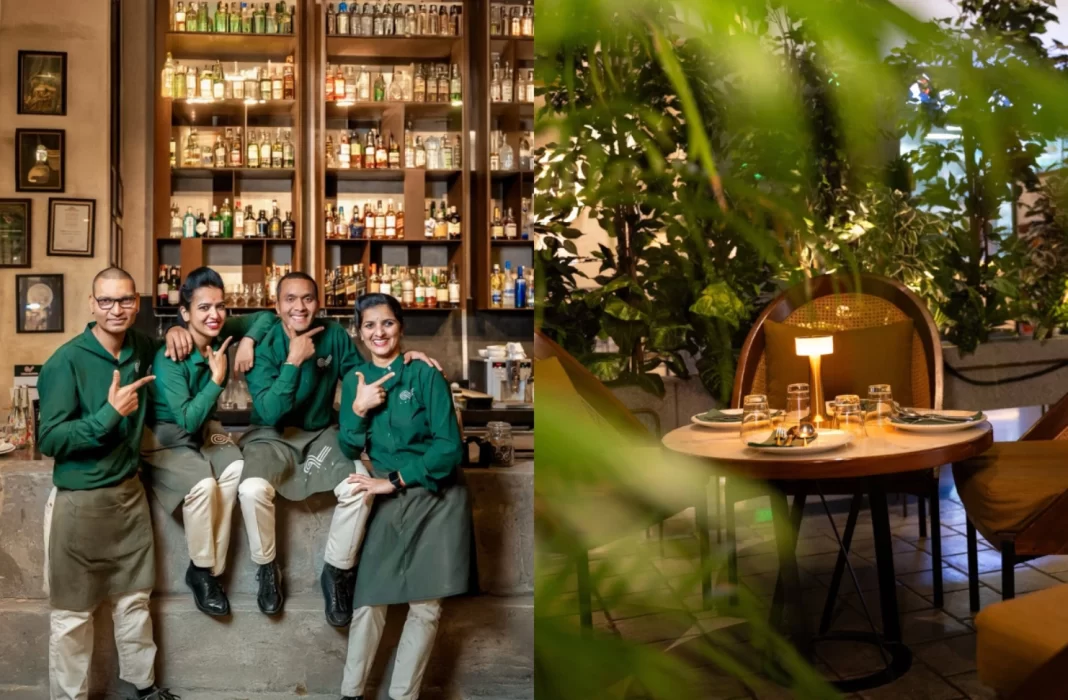

Once upon a time, Prashant Issar saw an online video about a restaurant with deaf servers and thought he could do something similar in India. That was around 2012.
At that point, he’d spent almost 12 years working in London’s hospitality sector and had just returned home wanting to add value to the industry. The idea of “inclusive hiring” germinated when he opened the first Ishaara in Mumbai. Now the brand’s across Lucknow, Ahmedabad, Pune, Mumbai, and Bengaluru.
Now, one may think, what’s so special about this concept? Think through the logistics. How do customers order if they can’t speak to their server? How do you train staff who can’t hear instructions being shouted across a busy kitchen? How do you convince protective families that their deaf children will be safe working night shifts in a restaurant?
Issar figured it out piece by piece, which is probably why it worked when similar concepts elsewhere have mostly remained one-off novelties.
Getting the Business Model Right
“We are a restaurant first, where Indian food happens to be served, and it happens to be served by hearing-impaired people,” Issar explained in an interview. The order of that statement matters. He didn’t want Ishaara to be a place people visit once for the concept and never return to because the food disappoints or the service feels awkward.
The kitchen staff are all hearing because kitchen work involves dangerous equipment, shouted warnings, and split-second timing that requires verbal communication. The front-of-house staff are all deaf. This division makes practical sense, even if it means the restaurant isn’t employing deaf workers in every role.
The Menu
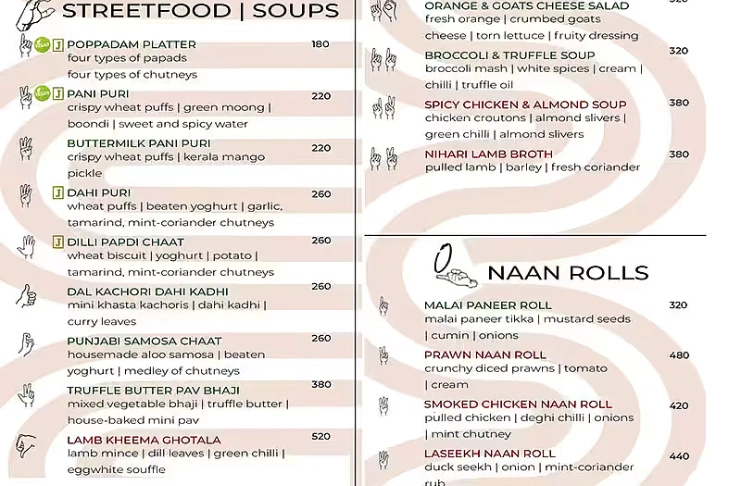
The biggest challenge was obvious from the start. Most customers don’t know sign language. And Issar didn’t want people to feel pressured to learn it or feel anxious about how to communicate their order. So he hired a designer to create a menu with simple hand gestures illustrated next to each dish.
If you want dish number six from the tandoor section, you make a T shape with your hands and hold up six fingers. If you don’t feel comfortable with gestures, you can just point at what you want. When you sit down, a manager introduces your server, explains their sign name, and shows you how to order. According to Issar, they haven’t had a single complaint about the system.
The menu itself focuses on modern Indian cuisine from multiple regions. There are dishes inspired by Indore’s night markets, Bengali specialties, Maharashtrian preparations, Mughlai curries, kebabs, and biryanis. The Dal Haveli simmers for 24 hours. The Dhori Kebab gets smoked at the table under a cloche.
The food has to be good enough that people return for it, not just for the experience of ordering in sign language.
Winning Over Families
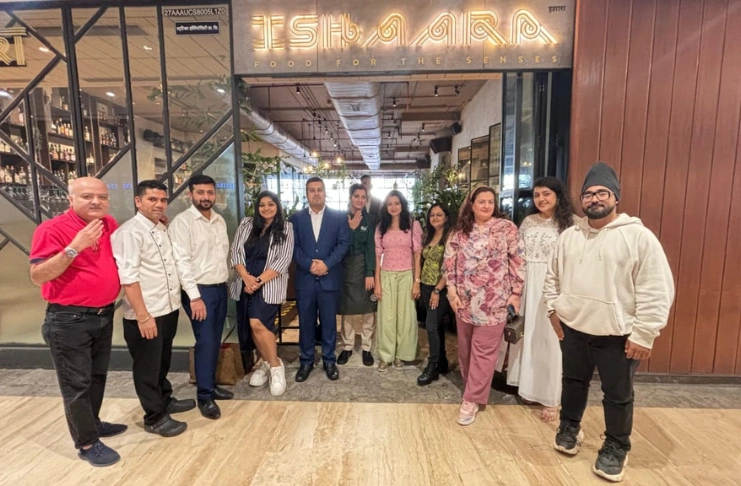
It’s not unknown that families of people with certain disability are more protective. And why not? Deaf children from economically challenged backgrounds often grow up facing stigma, which can create anger and distrust. Parents worry about safety, especially for night shifts when their children can’t hear traffic or warning signals.
Issar learned sign language so he could communicate directly with employees and their families. He arranged safe transport for night shifts. He invested time addressing each concern by himself.
For him, Ishaara was in no way charity work. And he knew from the very start that if he wanted reliable staff who felt secure in their jobs, he needed to solve the real logistical problems their disability created.
“My hearing-impaired staff smiles more; they are more intuitive, warm and friendly, and want to work very hard,” Issar said. “I feel they are more suited than the rest of us for the hospitality industry.” He’s noticed they’re incredibly observant, reading body language and facial expressions in ways that hearing staff often miss because they rely on verbal cues and tone.
What Actually Changed
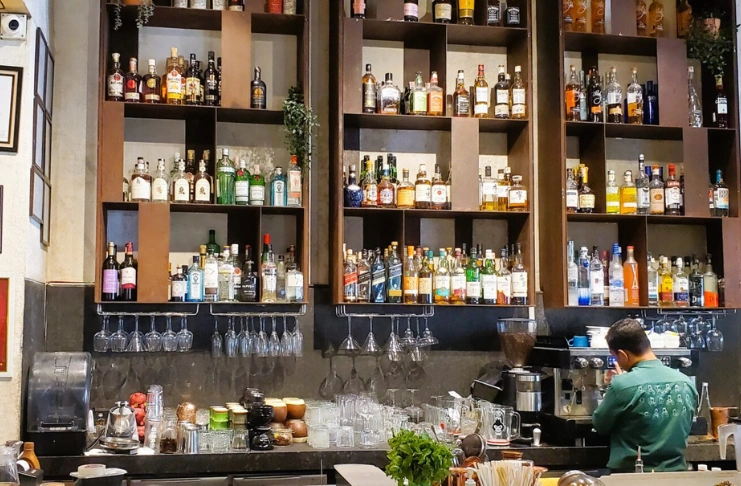
The serving staff at Ishaara have gone from being dependents to contributors in their families. Some now help with household expenses. One employee bought an iPhone for her family, another bought a couch.
“It is a tremendous boost to confidence, livelihood, and purpose for them all,” Issar says.
The restaurant’s design supports the staff rather than working against them. Lighting and sightlines enable clear visual communication. Furniture is arranged for easy eye contact and hand gestures. There are no sharp corners or cluttered layouts that would obstruct movement.
The space wasn’t just designed for deaf staff, it was designed with them consulted throughout the process.
The Expansion
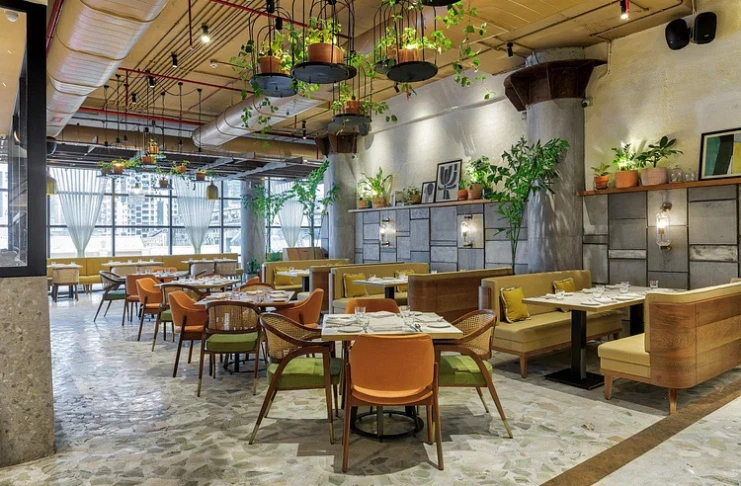
Ishaara has expanded to five cities, which raises the question of whether this model can scale while maintaining its integrity. Issar seems aware of this tension. He’s insisted that growth must be organic, with people at the heart of the operation.
After all, the restaurant industry is notoriously difficult. Margins are thin, staff turnover is high, and concepts that work in one city often fail in another.
That Ishaara has managed to grow while maintaining an inclusive hiring model suggests Issar got the fundamentals right – quality food, smooth customer experience, and solving the actual problems at hand.
The Fruit
The Ishaara model shows that inclusive hiring can be profitable if you’re willing to properly think through the logistics.
You need to recognize that certain populations have skills suited to specific industries, and then remove the barriers that prevent them from working there.
Question yourself – If you own a restaurant, what skills would you naturally prefer in your staff? That they should be observant, for example. They should be warm, intuitive, and genuinely care about making guests feel welcome.
Deaf individuals often develop heightened observation skills because they can’t rely on hearing. They read faces, body language, and micro-expressions. These are exactly the skills that make someone excellent at hospitality. Prashant realized this long ago, and thus Ishaara came into being.
Issar’s business statement is worth repeating: “We are a restaurant first.” Everything else follows from getting that part right.