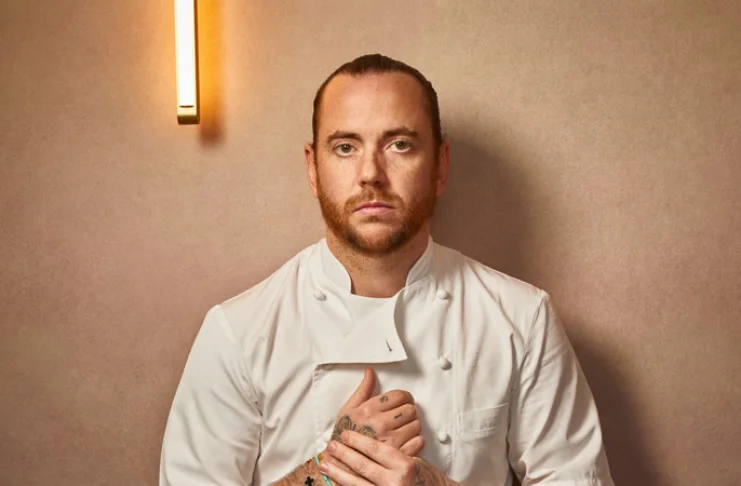

On Tooley Street, near London Bridge’s historic crossing point, the contemporary activity of a now-bustling part of London is met by a restaurant with a story to tell. Not in a figurative way, either. The restaurant’s tasting menu features 10 dishes, each representing one of 10 chapters, or stories, from Chef Tom Sellers’ professional autobiography. Within the confines of the restaurant walls, adorned with décor that takes diners on journeys through childhood memories, professional achievements, and moments of creative inspiration, Story serves as a portal to an experience of food beyond simply eating.
This is Story, where a chef who worked in some of the world’s finest kitchens before turning 26 built a restaurant around the radical premise that fine dining should communicate personal history, not just technical mastery.
The Prodigy’s Path
Tom Sellers’ trajectory reads like culinary fiction. Born in Nottinghamshire, he began cooking at age five when his grandmother handed him a mixing bowl. By sixteen, he secured a position at Nottingham’s Restaurant Sat Bains, a two Michelin-starred establishment where he absorbed techniques that would define his future approach. The formal training at Westminster Kingsway College provided a foundation, but real education happened in kitchens.
At seventeen, Sellers moved to Copenhagen to work at Noma during its rise to global dominance. Chef Tom Sellers’ recent culinary exploration has been defined by two pivotal opportunities. First, he was fortunate to be mentored by Chef René Redzepi at the famed restaurant Noma, who revolutionized the way chefs view Nordic ingredients by introducing new ways to source and use ingredients from the environment. Chef Redzepi instilled in Chef Sellers an understanding of the importance of place and identity in a dish through sourcing and profiling local ingredients. Chef Sellers spent three years in various sections of the kitchen, learning the culture and methods behind creating such vibrant dishes made with local ingredients.
Second, after working at Noma, Sellers moved to Thomas Keller’s restaurant Per Se in New York City, America’s premier culinary destination for precision cooking. The juxtaposition of the innovative, cutting-edge techniques of Scandinavian cuisine that Redzepi introduced to the culinary world through Noma, combined with the classic French-American style of cooking that Keller established at Per Se, gives Chef Sellers the fluency to infuse boldness with the precision Keller demands. Additionally, Sellers worked stages at Peter Nilsson’s restaurant in Sweden and at Chef René Redzepi’s pop-up during the London Olympics, which further developed his knowledge of cooking techniques and styles.
By 24, Sellers was head chef at Koffmann’s, working under culinary legend Pierre Koffmann. The position offered prestige and stability, yet Sellers recognized he had something urgent to express. In 2013, at just 26, he opened Story, betting that London’s diners would embrace his deeply personal approach to fine dining.
The Architectural Canvas
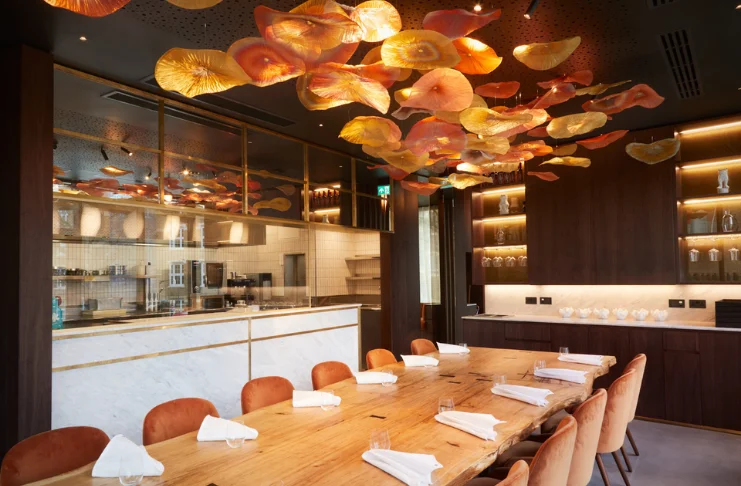
A 40-cover dining space located in the Blue Fin Building, close to London Bridge Station, was strategically chosen by the owners because of its ease of access rather than its prestige in Mayfair. As such, it demonstrates the owners’ ethos. The modern style of the dining room, with light, muted tones and clean lines, serves as a plain canvas to showcase the theatre of the food served. The use of very dark wooden furniture creates an intimate space whilst ensuring sufficient distance between diners. In addition, atmospheric lighting has been installed to provide ambience while ensuring comfort and intimacy for all diners.
The kitchen is open so that diners may observe the brigade cooking. However, this is done in a more subtle manner than seen at many other restaurants. At Story, diners can look into the kitchen if they are curious about what is happening, yet the design does not impose a kitchen-theatre experience on them. This balance reflects the owners’ belief that food is the hero of the dining experience and that everything else should support it. Therefore, it is crucial to maintain an intimate environment to enable them to fulfil this philosophy through personalised service.
This is a 35-40-cover restaurant; therefore, reservations should be made well in advance due to limited seating. The reputation of Story has been elevated by guides and critics to a leading London dining destination; therefore, it is recommended that reservations be made as early as possible.
The Menu as Memoir
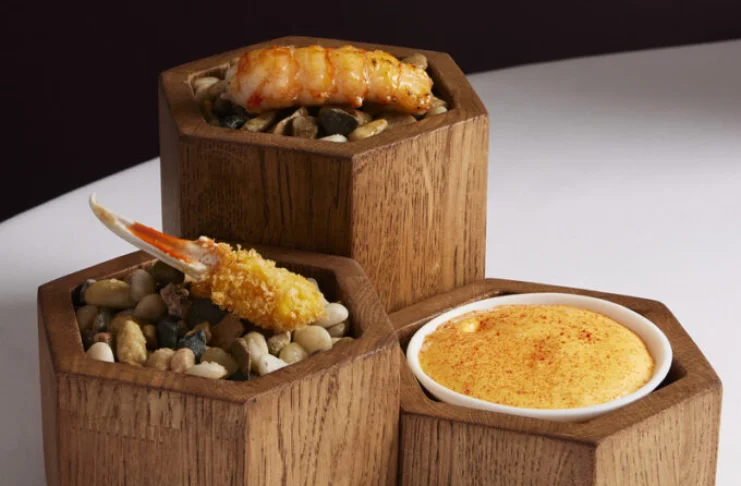
Story’s tasting menu, typically running 10-12 courses for lunch and extending longer for dinner, structures itself as a narrative journey through Sellers’ life and career. The memories of childhood are referenced in early menu items; for instance, the dish called “Bread and Dripping” represents the warmth of a grandmother’s cooking while being presented as a technical marvel that encompasses nostalgic comfort. “Candle” is also one of Sellers’ signature plates; the preparation consists of a hollow bread form filled with butter, which melts like wax when the dish is served, lending a sense of theatricality and evoking memories of childhood birthday celebrations.
The dish called “Jurassic Coast” is based on Sellers’ first position as a chef working for Restaurant Sat Bains’ in Nottinghamshire, where the use of ingredients from that locality coincided with the learning he gained during his formative work experience. The menus at Noma, featuring foraged ingredients and unconventional ingredient pairings, illustrate how these influences have shaped how British food is viewed and prepared.
The ‘Storyteller’ is another signature dish of Sellers, as the preparation of the quail involves several techniques, each demonstrating the development of a specific technique during Sellers’ international training. While this may seem an unorthodox way to evaluate an individual chef’s skill set, it is a clever way to present Sellers’ work history and the incorporation of classical French technique, Nordic innovation, and personal creativity into the production of a single dish.
Sellers also pays homage to his childhood through food and dessert preparation, as evidenced by items like “Malt’, a technical depiction of British Pub culture. The progression from savory courses through to sweet items represents both a chronological and a technical evolution in Sellers’ career.
The range of menu items provided by Sellers varies seasonally, and the rotation of items may or may not return in future seasons. However, the core of Sellers’ profile will remain a regulated compilation of distinct work completed by him, along with all technical advances gained from working with global chefs.
The Michelin Ascent
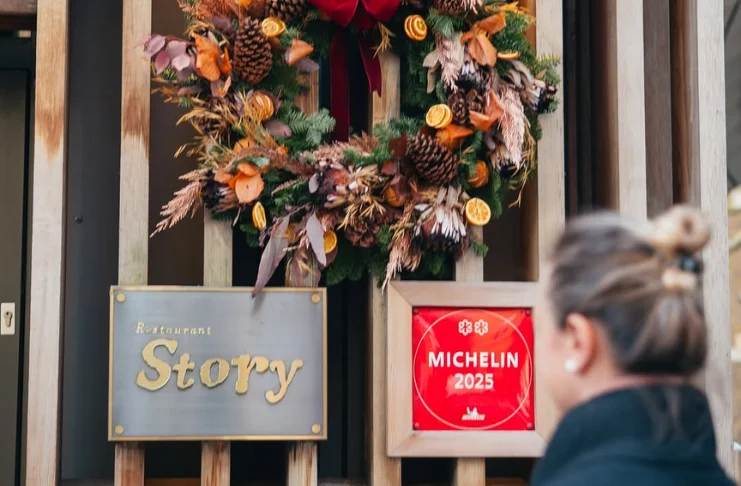
Recognition came swiftly. Story opened in 2013, won its first Michelin star just a year later in 2014, and surprised observers given that Michelin traditionally takes several years to assess restaurants before awarding them with stars. The award validated Chef Sellers’ risk in believing that a fine-dining establishment can thrive on the foundation of a personal story rather than simply being augmented by it.
In 2021, Story received its second Michelin star, placing it in an elite class among fine-dining restaurants throughout Great Britain. Very few London restaurants have two Michelin stars, and therefore Chef Sellers joins the ranks of other established masters. This second Michelin star is not only a recognition of technical skill but also a testament to the evolution of Chef Sellers’ vision for what Story represents. Critics noted that the storytelling, which could have devolved into a gimmick, instead deepened into sophisticated expression.
Beyond Michelin, Story earned four AA Rosettes and appeared regularly on Restaurant magazine’s lists of the UK’s best restaurants. The National Restaurant Awards named it among Britain’s top establishments for multiple consecutive years. These accolades brought international attention, with food tourists adding Story to London itineraries alongside historic landmarks.
The Service Philosophy
At Story, the service blends an informal atmosphere with a formal approach. Every dish represents an experience or memory and comes with a short narrative of how the dish was created or what it represents. These narratives are not delivered as lectures; rather, they are presented in a conversational manner to help diners gain insight into the history behind the dishes, so they can appreciate what they are eating without feeling superior to others.
The sommelier’s job is to create a wine pairing that matches the flavors and emotions of the food. For instance, a dish with a nostalgic association would typically pair with a wine that also evokes memories or elicits fun feelings. On the other hand, a dish that is technically complex would usually have a structured wine that takes itself seriously. This same storytelling approach is carried over to beverages.
The service’s pacing allows enough time between courses to enjoy the food, digest it, and talk about it. In contrast to some restaurants that rush diners through their tasting menus, treating them like assembly lines, Story leaves enough space between courses to allow diners to appreciate the dishes fully and catch their breath. The time that diners are given to think about the food allows them to engage with the dish on an intellectual as well as emotional level. Rushing would sacrifice the storytelling for efficiency.
Staff training focuses on reading the tables. Some diners want to have a lengthy conversation about how techniques are used and what the ingredients are; others would rather enjoy the food quietly. The team trains to read each table and adjust its service style to accommodate each diner. Doing so allows the team to differentiate itself from other restaurants, offering guests highly personalized, flexible experiences while maintaining consistent service.
The Technical Arsenal
Behind the narrative framework lies a formidable technique. Sellers’ training at Noma, Per Se, and under Koffmann equipped him with a vast culinary vocabulary. Sous vide, fermentation, molecular techniques, and classical French preparations all appear throughout the menu but always in service of storytelling rather than spectacle.
The kitchen team, small for the ambition level, executes with precision that two Michelin stars demand. Some components are prepared over days or longer, as fermentation requires anywhere from several weeks to many months. With the brigade processing exotic ingredients and using equally complex techniques, the kitchen is often able to produce dishes that would be a challenge in a kitchen that would otherwise have to be more than twice the size of the average commercial kitchen. This is indicative of Sellers’ proven ability to build and coach the best teams.
Even after the restaurant opens for business, Sellers continues to innovate, often remodeling his menu and requiring the team to use new techniques or create new ingredient combinations. Because of the unique approach Sellers has created and consistently maintains, it allows for continual change while still retaining the restaurant’s essence.
The Industry Influence
The premise that personal stories can provide the foundation for a chef and their restaurant has proven hugely influential for many up-and-coming chefs today, and Story’s success has paved the way for many. A new avenue for chefs to tell their full story has opened, allowing them to explain that their dishes reflect their experiences rather than refer back to great traditions or exotic places, as is often the case in creating fine-dining restaurants.
Many chefs have adopted various storytelling elements in their cuisine; however, only a select few have done so as Chef Sellers does. For example, many fine-dining restaurants now include a description of each dish to explain the ‘inspiration’ behind the dish, but in many cases, these descriptions seem to be added on as an afterthought. The story demonstrates that narrative must be integral to conception, not tacked on for marketing.
Sellers’ youth when opening proved inspirational. At 26, he demonstrated that formal training plus clear vision could overcome the disadvantage of inexperience. His rapid success emboldened other young chefs to pursue independent ventures earlier, trusting that talent and work ethic could compensate for a limited track record.
The restaurant also demonstrated that London Bridge, then an emerging dining neighborhood, could support fine dining. Mayfair and Knightsbridge traditionally monopolized Michelin stars. Story helped shift perception, proving that great restaurants could thrive outside traditional luxury postcodes if the food justified the journey.
The Personal Evolution
Sellers has matured alongside his restaurant. The ambitious 26-year-old who opened Story brought technical brilliance and creative vision but limited business experience. Over a decade, he developed into a restaurateur who understands not just cooking but operations, staff management, financial sustainability, and long-term strategic planning.
Interviews over the years show evolution in how he discusses the concept. Early on, he emphasized his training and the novelty of autobiographical cuisine. More recently, he has focused on ingredient sourcing, team development, and maintaining two Michelin stars. The storytelling remains central, but it’s now the foundation rather than the entire structure.
This maturation manifests in the food. Early Story dishes could feel clever, impressive technical displays that referenced his past. Current iterations show deeper confidence, less concern with proving capability, and more focus on creating complete experiences. The stories told now feel less like a resume and more like genuine communication.
The Continuing Chapter
Story’s tenth anniversary in 2023 marked a rare achievement. Most restaurants, even successful ones, close within five years. Maintaining two Michelin stars for years demonstrates consistency that critics value. The ongoing evolution of the menu proves the concept hasn’t exhausted creative possibilities.
Sellers continues adding chapters to his story, which means the restaurant’s story continues growing. New dishes appear reflecting recent experiences, current obsessions, and evolved techniques. In essence, the autobiography format allows for continuous innovation; as Sellers grows and develops as a person, the writing will continue to provide creative content.
That being said, the restaurant industry is known for demanding sacrifices. For many chefs, the unyielding pressure leads to the exhaustion of creativity and ultimately to burnout. Sellers appears to have found the opposite energy in the autobiography and maintains inspiration through the continual writing of it. He’s not inventing from nothing nightly but translating lived experience into food, a process that replenishes as life continues.
The experience of dining demonstrates that no matter what aspects of cooking you want to pursue (tradition versus innovation, techniques versus feelings), you can incorporate as many different styles from around the world into one dish. When using these philosophies, the chef’s experiences come together to create a cohesive menu. When someone eats from this menu, they are not just enjoying good food but also getting to know the chef and experiencing aspects of their life. The entire meal contains pieces of the chef’s life and shares that life story through its progression. The connection created in this manner is similar to having a conversation with someone about their life.