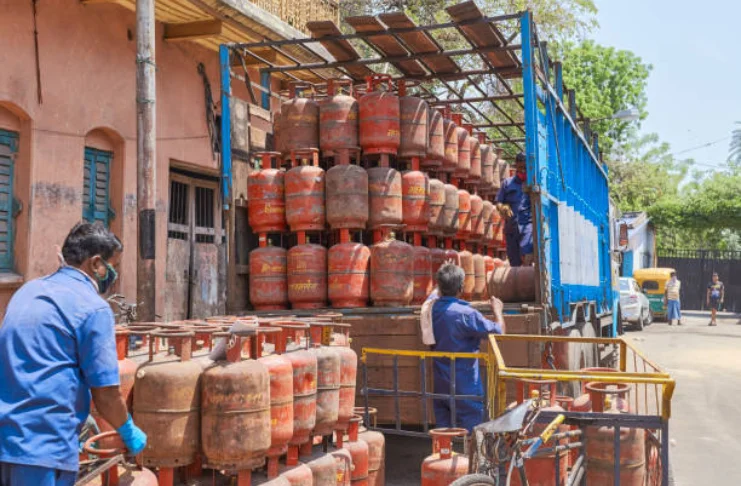

A widening military conflict in West Asia is no longer just a geopolitical story. For India’s foodservice sector, it has become an operational emergency. Across major cities including Mumbai, Bengaluru, Kolkata, Chennai, Delhi and Hyderabad, restaurants are running out of commercial LPG, shrinking menus, improvising with alternative cooking methods, and in a growing number of cases, shutting their doors.
Restaurant associations in Maharashtra, Karnataka and West Bengal have warned that eateries could shut within days if supplies are not restored, with hotels and restaurants in Mumbai, Bengaluru and Kolkata already reporting that operations have been affected. In Thane alone, more than 800 hotels and restaurants are facing potential closure as commercial LPG supplies have dwindled.
The supply breakdown stems from India’s structural dependence on imported energy. India consumes approximately 31.3 million tonnes of LPG annually and imports roughly 62% of that requirement, much of it transiting through the Strait of Hormuz, a critical shipping corridor now severely disrupted by the Israel-Iran-US conflict. Commercial cylinder supply to the hospitality sector has been halted entirely in several cities since Sunday, March 9, after the government directed oil refineries to ramp up domestic production and prioritise residential consumers.
The human cost on the ground is immediate. The Bangalore Hotels Association issued a public notice warning that hotels may be forced to shut down entirely if supply is not restored. Operators who have not yet closed are adapting in whatever ways they can. In Salem, one restaurateur with over 35 years in the business is managing lunch service using wood fire while reserving remaining cylinder stock for high-demand items at breakfast and dinner. In Chennai, some chefs have returned to charcoal-powered stoves and electric ovens to keep kitchens running. In Kolkata, Piyush Kankaria, head of the National Restaurant Association of India’s Kolkata chapter, was quoted by Kashmir Dot Com as saying that nearly 40% of restaurants may face immediate disruption, with a further 30 to 40% potentially able to operate for only a few more days on current stocks.
The shortage has also pushed prices sharply higher. Oil marketing companies raised the price of a 14.2 kg domestic cylinder by Rs 60 and a 19 kg commercial cylinder by Rs 144, effective March 7, 2026, bringing commercial cylinders to around Rs 1,950.A parallel black market for domestic cylinders has emerged in several cities, which authorities and industry bodies have flagged as both illegal and a fire safety risk.
Only restaurants with piped gas connections, estimated at around 10 to 15% of establishments in Bengaluru, remain unaffected. The vast majority reliant on cylinders are facing imminent disruption.
The government has acknowledged the severity of the situation. The Ministry of Petroleum and Natural Gas has issued orders to oil refineries for higher LPG production, directing the additional output to domestic use, and has invoked the Essential Commodities Act to regulate distribution. A mandatory 25-day inter-booking period for domestic consumers has also been introduced to curb hoarding. Union Minister of State for Petroleum and Natural Gas Suresh Gopi stated on March 12 that efforts are underway to bring the crisis under control and that new supply avenues are opening, though no timeline for normalization has been offered.
As the conflict in West Asia continues, the knock-on effects on food access, restaurant viability, and consumer prices in import-dependent markets are likely to deepen before they ease.