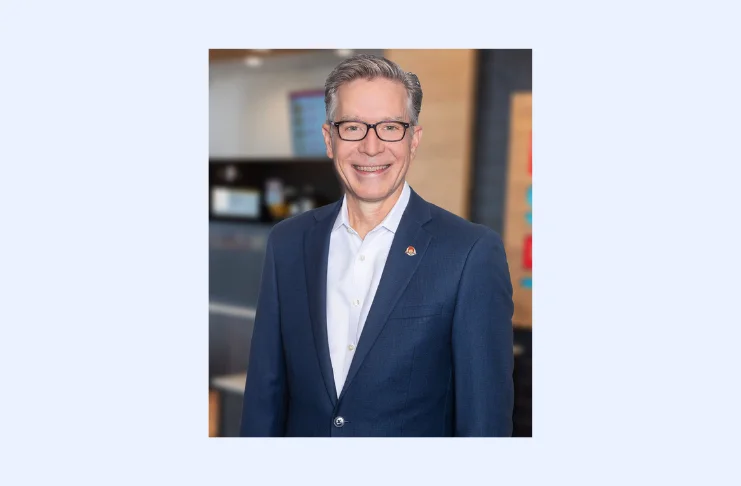

Bob Wright is returning to The Wendy’s Company as CEO, marking a significant leadership shift at a time when the global quick-service restaurant sector is navigating slowing consumer spending, aggressive value competition, and rising operational pressures.
According to reports from Nation’s Restaurant News, Wright will rejoin the company after previously serving as Wendy’s chief operating officer and later leading multiple restaurant and franchise businesses. His return comes as outgoing CEO Kirk Tanner transitions to another leadership role outside the company.
The timing is notable.
The quick-service restaurant industry is entering one of its most competitive periods in recent years. Major chains across burgers, sandwiches, coffee, and chicken are battling for traffic through value menus, loyalty incentives, digital engagement, and operational efficiency while simultaneously managing wage inflation and cautious consumer spending.
In that environment, operational discipline has become critical.
Wright’s earlier tenure at Wendy’s was closely associated with restaurant operations, franchise relationships, and systemwide execution. Industry observers note that his return signals a renewed emphasis on fundamentals, including restaurant profitability, franchise alignment, service consistency, and operational simplification.
That focus matters because the QSR landscape has become increasingly unforgiving.
Consumers today are more price-sensitive than they were two years ago, but they are also less tolerant of poor service, inconsistent food quality, and long wait times. Restaurant brands are therefore under pressure to improve operational execution while maintaining aggressive promotional strategies.
Wendy’s itself has been actively investing in digital transformation, breakfast expansion, drive-thru modernization, and AI-assisted ordering technologies in recent years. The company has also pushed deeper into international markets while continuing to strengthen its loyalty ecosystem and mobile ordering capabilities.
However, competition within the burger category has intensified sharply.
Brands including McDonald’s, Burger King, and Shake Shack have all accelerated investment in value offerings, digital infrastructure, and guest experience innovation as traffic growth across the sector becomes harder to sustain.
At the same time, investors are increasingly rewarding restaurant companies that demonstrate stable margins and operational efficiency over aggressive expansion alone.
That trend has reshaped executive hiring priorities across the industry.
Rather than focusing exclusively on brand reinvention or rapid growth narratives, many boards are now prioritizing leaders capable of improving execution at scale, strengthening franchise economics, and navigating cost-sensitive environments.
Wendy’s leadership transition fits squarely within that shift.
The company’s franchise-heavy business model also makes operational consistency especially important. Franchise operators across the industry continue to face pressure from rising labor costs, delivery economics, commodity fluctuations, and evolving customer expectations. Leadership stability and operational clarity therefore become essential to maintaining systemwide alignment.