Running a restaurant without a proper operations manual is like cooking without a recipe. You might get lucky sometimes, but consistency becomes impossible.
A restaurant operations manual is your go-to document that outlines every process, procedure, and standard your team needs to follow. It keeps everyone on the same page, whether you’re training new hires or managing day-to-day operations across multiple locations.
Here’s the reality: restaurants with well-written operations manuals see faster onboarding, lower turnover, and better operational efficiency. In an industry where back-of-house turnover hits 43% annually and replacing a single hourly employee costs $5,864, having detailed procedures that help staff members succeed becomes non-negotiable.
This guide will show you exactly how to create a restaurant operations manual that actually works, complete with templates, examples, and best practices from the restaurant industry.
What Is a Restaurant Operations Manual?
A restaurant operations manual is a detailed document that serves as the central reference for how your restaurant runs.
It covers everything from opening and closing procedures to food preparation standards, guest service expectations, and emergency procedures. The manual template includes standard operating procedures (SOPs) for every role, ensuring that both front-of-house employees and back-of-house staff know exactly what’s expected.
This document covers more than just policies. It includes your restaurant concept, organizational structure, job responsibilities, safety guidelines, and the training procedures that turn new employees into confident team members.
A good operations manual becomes your most valuable training tool. It reduces the time managers spend answering the same questions, helps existing employees perform consistently, and gives new hires a clear roadmap to success.
Why Does Your Restaurant Need an Operations Manual?

Data confirms that restaurants lose up to 20% of annual revenue due to poor inventory management. Front-of-house turnover runs at 41% per year. About 38% of shifts are either understaffed or overstaffed in a given week.
These problems stem from inconsistency. Without documented operating procedures, every shift manager does things differently. Training becomes a game of telephone, and standards drift over time.
Here’s what a restaurant operations manual actually delivers:
Faster Training: Restaurants with structured training programs reduce onboarding time by up to 60%. New employees can reference the manual instead of constantly pulling managers away from other tasks.
Cost Control: When your operations manual includes proper food handling procedures and portion standards, you keep food costs in the ideal 28-35% range. Labor costs stay manageable when everyone understands their job responsibilities and workflow processes.
Consistency: Every guest should get the same experience whether they visit on Tuesday afternoon or Saturday night. Standard operating procedures make that possible.
Reduced Turnover: Clear guidelines and proper training help staff members feel competent and confident. That translates to better retention in an industry where replacing workers is expensive.
Operational Efficiency: By having everyone follow the same business processes, you eliminate confusion and reduce mistakes. Some restaurants see up to 15% operational cost reduction from streamlined, documented procedures.
What Should a Restaurant Operations Manual Include?
Your operations manual template should cover these essential sections. Each one plays a role in running a successful restaurant.
Company Overview and Mission
Start with your restaurant concept and what makes you different. Include your mission, values, and the experience you’re creating for guests.
This section sets the tone. It helps new hires understand not just what to do, but why it matters. Cover your history, your vision, and what service quality means in your establishment.
Organizational Structure
Map out who does what. Include an org chart showing how different roles connect, from the restaurant owner down to entry-level positions.
Define reporting relationships clearly. New employees should know exactly who they report to and who handles human resources issues, scheduling, and day-to-day questions.
Job Descriptions and Responsibilities
Break down every role in detail. What does a line cook do? What about servers, hosts, or dishwashers? Leave nothing to interpretation.
Include both routine tasks and special responsibilities. Cover what happens when key team members are absent and who fills in for whom.
Standard Operating Procedures (SOPs)
This is the heart of your restaurant operations manual. Create detailed procedures for every critical process.
Your restaurant SOPs should cover opening and closing procedures, food preparation steps, guest service protocols, and how to handle customer complaints. Include proper practices for managing inventory, processing payments, and maintaining cleanliness.
Don’t forget restaurant standard operating procedures for food safety. Document temperature checks, hand-washing requirements, and cross-contamination prevention. These aren’t suggestions; they’re requirements for ensuring food safety and protecting customer safety.
Training Programs

Outline your complete training process for new hires. How long is the onboarding process? Who conducts training? What must someone master before working independently?
Include checklists for different positions. A well-structured employee training program should have clear milestones, so both the trainee and trainer know progress is being made.
Your restaurant training manual section should also cover ongoing training for existing staff. How do you keep skills sharp and introduce new menu items or procedures?
Health and Safety Guidelines
Safety guidelines protect both your team and guests. Document all health and safety SOPs, from preventing kitchen fires to handling injuries.
Cover emergency procedures for different scenarios: fires, medical emergencies, power outages, or severe weather. Make sure contact details for emergency services and key staff member contacts are readily available.
Include protocols for ensuring food safety through proper food handling, storage, and allergen awareness. Front-of-house employees need to know how to communicate about ingredients, while kitchen staff must follow strict food preparation standards.
Financial and Administrative Procedures
Your operations manual should explain financial operations basics. Who handles cash? How do you process credit cards? What are the closing and counting procedures?
Cover inventory management systems, ordering processes, and how to track food costs. Include business processes for scheduling, payroll, and other human resources functions.
Guest Service Standards
Define exactly what great service looks like. How should staff greet guests? What’s the standard timing for different service stages? How do you handle special requests?
Document your approach to customer satisfaction. Include scripts or guidelines for common situations, so relevant team members can respond consistently and professionally.
How Do You Create a Restaurant Operations Manual Step by Step?
Building an operations manual from scratch feels overwhelming, but breaking it down into steps makes it manageable.
Step 1: Audit Your Current Operations
Start by documenting what you’re already doing. Shadow different roles during various shifts. Watch how experienced staff complete routine tasks. Take notes on everything.
Talk to your existing employees. They know which processes work smoothly and which ones cause confusion, so ask where they wish they had clearer guidelines.
Identify gaps. Where do new employees struggle most? What questions come up repeatedly? These pain points tell you where your manual needs the most detail.
Step 2: Choose Your Manual Template Format
Decide whether you want a physical binder, a digital document, or specialized restaurant management software. Each has trade-offs.
Physical manuals are tangible and don’t require devices, but they’re harder to update. Digital operations manual templates are easy to revise and can include videos or photos, but staff need access to devices.
Many restaurants use a hybrid approach: digital master copies that can be printed for reference. Whatever format you choose, make sure it’s searchable and organized logically.
Step 3: Write Clear, Actionable Procedures
Every restaurant SOP should be written in simple, direct language. Use numbered steps. Include photos or diagrams when helpful.
Write for someone who knows nothing about your restaurant business. Don’t assume knowledge. If a procedure mentions equipment, explain where it is and how to operate it safely.
Test your detailed instructions. Have someone unfamiliar with the task try following them. If they get confused, rewrite for clarity.
Step 4: Organize by Role and Function

Structure your operations manual so people can quickly find what they need. Group related procedures together.
You might organize by department (front of house, kitchen, management) or by function (opening, service, closing). Use clear section headers and a detailed table of contents.
Consider creating role-specific versions. A server doesn’t need the full kitchen procedures, and line cooks don’t need hosting protocols. Targeted manuals are less overwhelming for new hires.
Step 5: Add Visual Elements
Good training procedures include visual aids. Take photos of proper plating. Create diagrams showing how to set up stations. Use flowcharts for complex processes.
Videos can be powerful for demonstrating techniques. A 2-minute video showing proper knife skills or how to pull an espresso shot often works better than pages of text.
Keep visuals clear and professional. Label everything. Make sure images show the correct way to do things, since new employees will copy exactly what they see.
Step 6: Review and Refine with Your Team
Before finalizing such a manual, get input from key team members at every level. Your best line cook might spot problems with food preparation procedures you missed.
Run the manual past managers who’ll use it for training. Does it actually help the training program run smoothly? Does it answer the questions new employees typically ask?
Be open to feedback. The goal isn’t to create a document that looks impressive. The goal is to build a training tool that makes everyone’s job easier.
Step 7: Implement and Update Regularly
Roll out your operations manual systematically. Train managers first, so they can support the transition. Then introduce the new process to existing staff before bringing in new hires.
Schedule regular reviews. Restaurant operations evolve. Menu items change. New equipment gets added. Your manual needs to keep pace.
Assign someone to own updates. Whether it’s a general manager or the restaurant owner, someone needs to be responsible for keeping the document current. Outdated procedures are worse than no procedures at all.
How Should You Structure and Format the Manual?
Here’s a detailed breakdown of what to include in each major section of your manual template.
Opening Procedures
Document every step from unlocking the door to being ready for the first guest. Cover who arrives when, what gets checked, and how to prepare each station.
Include specific checklists for different roles. The opening manager has different tasks than the first cook or server. Make sure nothing gets forgotten.
Address common issues. What if the equipment isn’t working? Who do you call? Having contact details readily available prevents panic.
Service Standards

Define your service approach in detail. If you follow a specific service sequence, document every stage with timing expectations.
Cover table setup, greeting procedures, menu presentation, taking orders, and serving food. Include detailed instructions for handling special dietary needs and customer complaints.
Front-of-house employees should know exactly how to communicate with the kitchen. Include proper practices for managing rush periods and maintaining service quality during busy times.
Food Preparation and Kitchen Operations
Your kitchen procedures need precision. Document prep lists, recipe specifications, portion sizes, and plating standards for every menu item.
Include workflow processes for different stations. How does the line operate during service? When should prep work happen? How do team members communicate orders?
Cover food quality standards and safety guidelines. Temperature requirements, storage procedures, and allergen protocols must be crystal clear.
Inventory and Ordering
Create standard operating procedures SOPs for managing inventory. Who counts stock? How often? What’s the process for identifying what needs ordering?
Document relationships with suppliers, ordering schedules, and receiving procedures. How do you verify deliveries? Where does everything get stored?
Include your system for tracking food costs and reducing waste. Proper inventory management directly impacts profitability.
Closing Procedures
Closing procedures should be just as detailed as the opening ones. Cover cleaning checklists, equipment shutdown, cash handling, and securing the building.
Define responsibilities clearly. Who cleans what? What safety checks must happen? Nothing should be left to chance.
Include troubleshooting for common closing issues. Address what to do if the money doesn’t balance or if the equipment needs attention.
Human Resources and Policies
Your operations manual should cover hiring standards, the onboarding process, and employee training expectations. Include your training program structure and how progress gets tracked.
Document time-off requests, scheduling procedures, and how staff members communicate availability. Include your restaurant’s policies on uniforms, breaks, and phone use.
Cover performance reviews, promotion criteria, and disciplinary procedures. Being transparent about expectations helps everyone understand how to succeed.
What Are Best Practices for Restaurant Operations Manuals?

Learning from successful restaurant operations helps you avoid common mistakes. Here’s what works.
Keep It Accessible
The best restaurant operations manual is worthless if nobody can find it. Keep physical copies in consistent locations. Make digital versions available on phones or tablets.
Train staff on where to find information. During the onboarding process, walk new hires through the manual’s organization. Show them how to look things up.
Encourage use. When someone asks a question that’s in the manual, show them where to find it rather than just answering. This builds the habit of consulting the document.
Make It Scannable
Restaurant staff are busy. They need to find answers fast. Use formatting that helps: bold headings, numbered lists, and bullet points where appropriate.
Break complex procedures into shorter sections. A long wall of text doesn’t work when you’re mid-shift and need a quick reminder.
Add a comprehensive table of contents and index. If someone needs information about cleaning the coffee machine, they should find it in seconds.
Include Real Examples
Abstract policies don’t stick. Include specific examples. Instead of saying “handle customer complaints professionally,” show what that looks like with actual scenarios and responses.
Use real situations from your restaurant. If you’re in a tourist area, include examples about language barriers. If you do corporate catering, show how to handle large group orders.
Concrete examples make training procedures more effective and help new employees visualize situations before they happen.
Focus on the “Why”
Standard operating procedures work better when people understand the reasoning behind them. Don’t just tell staff to check food temperatures; explain that it ensures food safety and prevents illness.
When someone knows why a procedure exists, they’re more likely to follow it consistently. They also handle unexpected situations better because they grasp the underlying principle.
Include a brief context for key procedures. It doesn’t need to be lengthy, but a sentence explaining the purpose makes a difference.
Start Simple, Add Detail Over Time
Don’t let perfectionism stop you from starting. Create a basic operations manual covering the most critical procedures. You can refine and expand it later.
An 80% complete manual that exists is infinitely better than a perfect manual you never finish. Start with high-priority items like safety guidelines, opening and closing procedures, and basic service standards.
Build from there. Add sections as you identify needs. Update procedures when you discover better approaches. Such a manual should evolve with your restaurant business.
Customize for Your Concept
Generic restaurant operations manual template examples rarely fit perfectly. Adapt everything to your specific restaurant concept and needs.
A fine dining establishment needs different service quality standards than a quick-service concept. A restaurant with a bar has additional procedures around alcohol service that a cafe doesn’t need.
Make your manual reflect your actual operations. If you don’t do tableside service, don’t include procedures for it. Focus on what your team actually does every day.
INDUSTRY INSIGHT
| The restaurant industry faces massive operational challenges. With 77% of operators citing recruitment and retention as major issues and 78% struggling to hire cooks, anything that improves training efficiency is enormously important. Well-documented business processes deliver measurable returns. Restaurants report 60% faster onboarding when new employees have clear training procedures to follow. That means less time for managers in training mode and faster productivity from new hires. |
What Common Mistakes Should You Avoid?
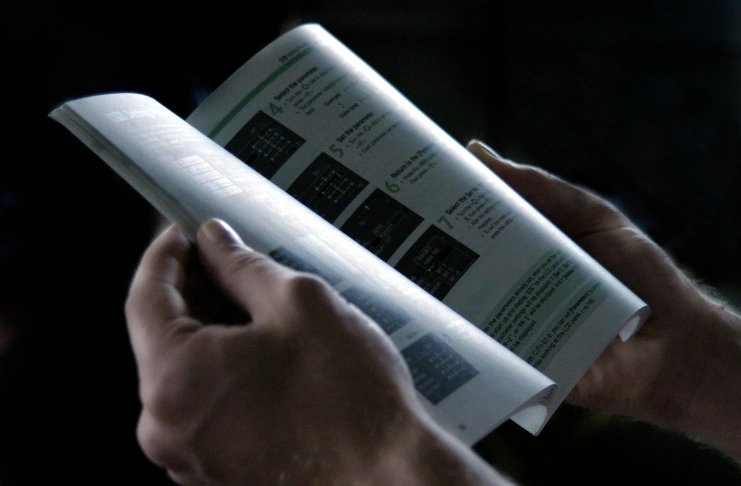
Even with good intentions, many restaurant operations manuals fail. Here’s what to watch out for.
Making It Too Complicated
Your operations manual isn’t a legal document. It’s a practical guide. Overly formal language or excessive detail makes it unusable.
Write clearly and concisely. If you can explain something in one paragraph instead of three, do it. New employees should understand procedures after one read-through.
Avoid jargon unless you define it. Not everyone knows industry terms. Use simple language that anyone can understand.
Letting It Become Outdated
Nothing undermines an operations manual faster than outdated information. If staff members find incorrect procedures, they stop trusting the whole document.
Set regular review schedules. Quarterly reviews catch most changes before they become problems. Assign accountability for keeping sections current.
When you change procedures, update the manual immediately. Don’t let there be a gap between what the manual says and what you actually do.
Skipping the Visual Elements
Walls of text don’t engage readers. People learn better with multiple formats. Photos, diagrams, and videos enhance understanding and retention.
Show what success looks like. A picture of a properly plated dish is worth paragraphs of description. A diagram of the table setup removes ambiguity.
This is especially important for ensuring food safety and following health and safety SOPs. Visual guides for proper handwashing or food storage are more effective than text alone.
Creating It in Isolation
Managers who write restaurant training manual content alone often miss important details. The people doing the work daily know the nuances.
Involve your team in creating detailed procedures. Ask experienced staff to document how they complete routine tasks. They’ll catch steps a manager might forget.
This collaboration also increases buy-in. When existing employees help build the manual, they’re more likely to use it and encourage others to follow it.
Forgetting to Train on the Manual Itself
Don’t assume people will automatically use your operations manual. Include training on how to navigate and use it as part of your onboarding process.
Show new hires where to find common information. Walk through several procedures together. Make consulting the manual a normal part of your restaurant culture.
Managers should reference the manual regularly. When coaching staff members, point them to relevant sections. Model the behavior you want to see.
Which Digital Tools Can Support Your Operations Manual?
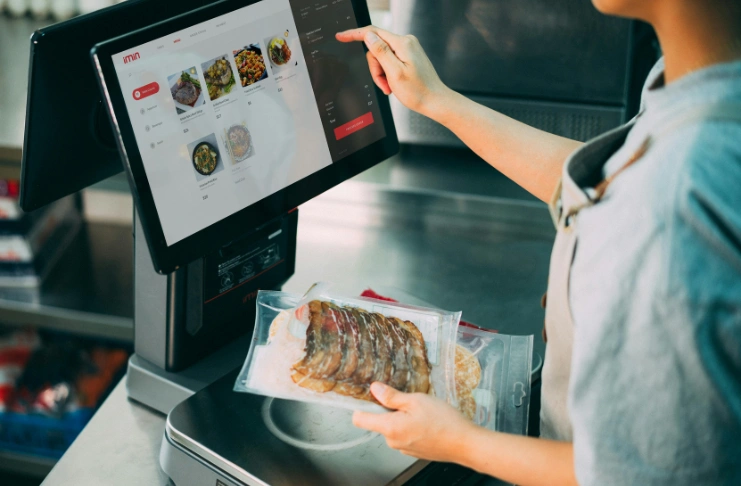
Modern restaurant management tools can streamline how you create and maintain your operations manual.
Cloud-based platforms let you update procedures instantly across all locations. Staff can access the manual from their phones during shifts. Videos and interactive elements enhance learning.
Many restaurant-specific software options include features for operations manuals. They often have pre-built sections you can customize, saving time on initial creation.
Consider integration with other systems. If your manual links to your scheduling software, training program platform, or inventory management tools, everything works together more smoothly.
The downside is cost and the learning curve. Evaluate whether the benefits justify the investment for your operation. Smaller restaurants might do fine with a well-organized Google Doc, while multi-location chains benefit from sophisticated software.
What Are the Next Steps After Creating the Manual?
You now understand what makes a restaurant’s operations manual effective. Here’s how to get started.
Begin with an audit. Document your current operations and identify gaps. Talk to your team about where they need clearer guidelines.
Choose your format based on your restaurant’s needs and resources. Don’t overcomplicate this decision. The best format is the one you’ll actually use and maintain.
Start writing with high-priority sections. Focus on safety guidelines, critical operating procedures, and the processes new employees need first. You can expand from there.
Involve your team throughout the process. Get input from front-of-house employees, kitchen staff, and managers. Their insights make your manual more accurate and practical.
Roll it out with proper training. Don’t just hand people a document and expect results. Show them how to use it and make it part of your culture.
Most importantly, commit to keeping it current. A living document that evolves with your restaurant stays relevant and useful. An abandoned manual becomes shelf decoration.
Your restaurant operations manual is an investment in consistency, efficiency, and long-term success. The time you spend creating it pays dividends every time a new hire learns faster, a process runs smoother, or a problem gets solved without management intervention.
Frequently Asked Questions
1. What should be included in an operations manual?
An operations manual should include your restaurant concept, organizational structure, job responsibilities, standard operating procedures for all tasks, training procedures, health and safety guidelines, emergency procedures, guest service standards, and financial operations. Essentially, everything staff need to know to run your restaurant successfully.
2. What is the standard operating procedure in a restaurant?
A standard operating procedure (SOP) in a restaurant is a detailed, step-by-step instruction for completing a specific task consistently. Restaurant SOPs cover everything from food preparation and service standards to opening procedures, inventory management, and handling customer complaints. They ensure every team member performs tasks the same way.
3. What are the 7 steps of service in a restaurant?
The seven steps of service typically include: greeting and seating the guest, presenting menus and taking drink orders, serving drinks and taking food orders, delivering food to the table, checking back for satisfaction, clearing finished plates, and presenting the check and thanking the guest. Specific service standards vary by restaurant concept.
4. What are the operations functions of a restaurant?
Restaurant operations functions include front of house guest service, kitchen food preparation, inventory management, staff scheduling and human resources, financial operations and cost control, marketing and reservations, health and safety compliance, and facility maintenance. Each function requires documented procedures for consistency.
5. How do you write an operations manual?
To write an operations manual, start by auditing current operations and identifying gaps. Choose a format, then systematically document procedures for every role and function. Write clear, step-by-step instructions with visual aids. Get team input, organize logically, and test with new employees. Update regularly as operations evolve.
6. How to write a standard operating procedure for a restaurant?
Write restaurant SOPs by breaking tasks into clear, numbered steps. Use simple language and active voice. Include who performs the task, when, and why it matters. Add photos or diagrams for clarity. Have experienced staff review for accuracy, then test with someone unfamiliar with the process to ensure clarity.
7. How to make a restaurant manual?
Make a restaurant manual by documenting all critical procedures, organizing them by role or function, and choosing an accessible format. Include your concept, organizational structure, job descriptions, standard operating procedures, training processes, safety guidelines, and service standards. Keep it scannable with clear headers and visual elements.
8. What does an operations manual contain?
An operations manual contains comprehensive documentation of how your restaurant runs. This includes company overview, organizational structure, detailed job responsibilities, standard operating procedures for every task, training programs, health and safety protocols, emergency procedures, guest service standards, and financial operations. It’s your complete operational playbook.
9. What is the SOP of a restaurant?
The SOP of a restaurant refers to the collection of standard operating procedures that govern how tasks are performed. Restaurant SOPs cover food safety, preparation methods, service protocols, opening and closing procedures, inventory management, equipment operation, and handling various situations. They ensure consistency across all operations and shifts.