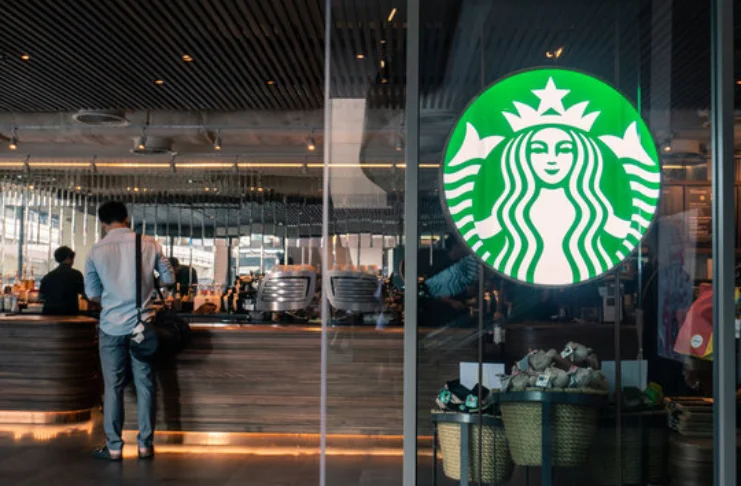

Starbucks is once again tightening its corporate structure. The coffee giant has announced another round of layoffs affecting nearly 300 U.S.-based corporate employees, alongside the closure and consolidation of several regional offices, as CEO Brian Niccol continues to push the company’s “Back to Starbucks” turnaround strategy.
The latest cuts come just weeks after Starbucks eliminated 61 technology roles in Seattle and follow broader restructuring measures launched earlier this year. According to company statements and multiple reports, the layoffs will primarily impact support functions including marketing, HR, supply chain, finance, and technology, not frontline store employees.
For restaurant operators and hospitality leaders, the move reflects a larger industry-wide recalibration: brands are increasingly protecting guest-facing investments while aggressively trimming overhead and administrative complexity.
Starbucks said it is consolidating underutilized offices in cities including Atlanta, Chicago, Dallas, and Burbank while simultaneously investing in a new regional office hub in Nashville that could house up to 2,000 employees over the next five years.
The restructuring is expected to cost roughly $400 million, including severance payouts and lease-related charges.
What stands out, however, is the strategic contradiction many restaurant executives are now navigating: Starbucks is cutting corporate jobs while simultaneously investing more heavily in store operations and labor.
Under Niccol’s leadership, the company has doubled down on improving in-store execution, increasing barista staffing, redesigning stores, and accelerating service speed after several quarters of slowing sales and operational friction. Recent reports suggest the company is beginning to see traction, with same-store sales showing improvement in recent quarters.
For the broader restaurant industry, the message is becoming clear. Operators are no longer treating labor cuts as a blanket cost-saving exercise. Instead, many brands are separating “customer-visible labor” from “corporate infrastructure.”
That distinction matters.
Over the past 18 months, restaurant chains across quick service and casual dining have faced mounting pressure from wage inflation, cautious consumer spending, delivery-margin compression, and rising occupancy costs. As a result, leadership teams are increasingly prioritizing investments that directly influence guest experience and throughput while streamlining back-office functions through automation, AI-driven workflows, and centralized support systems.